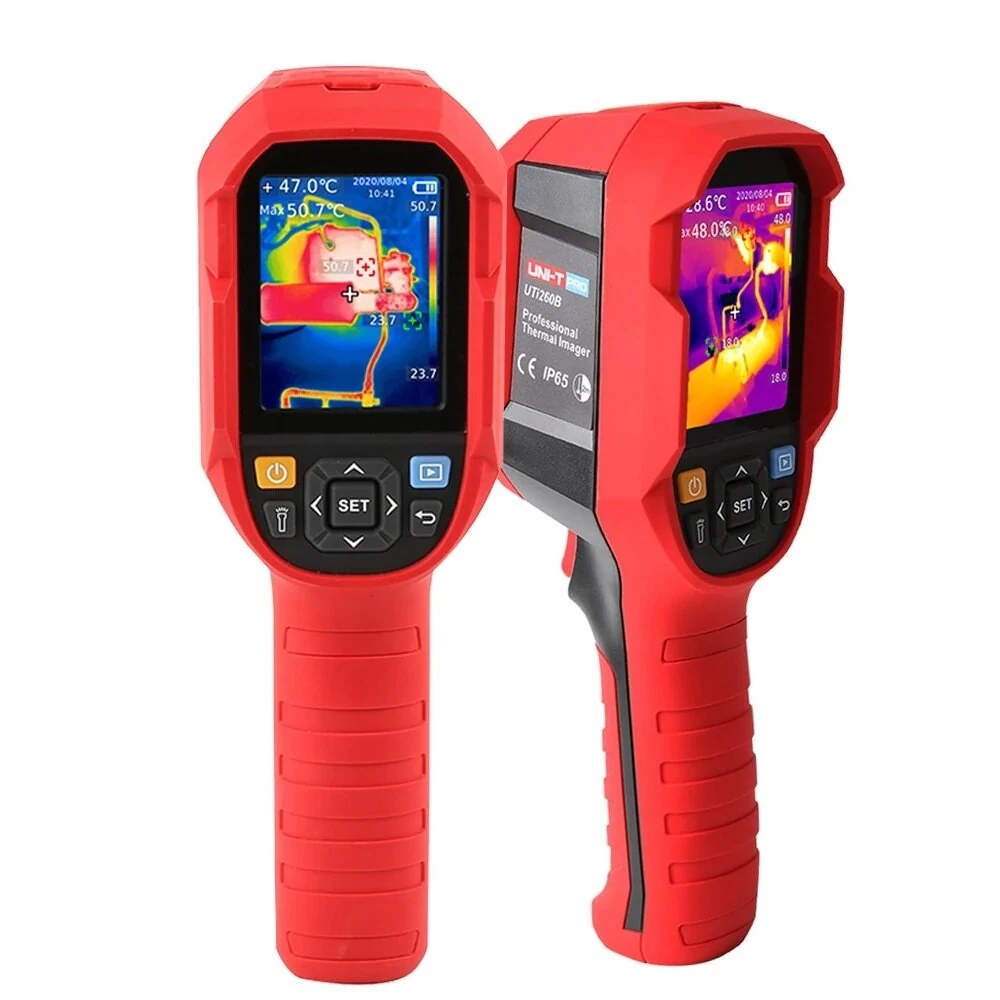
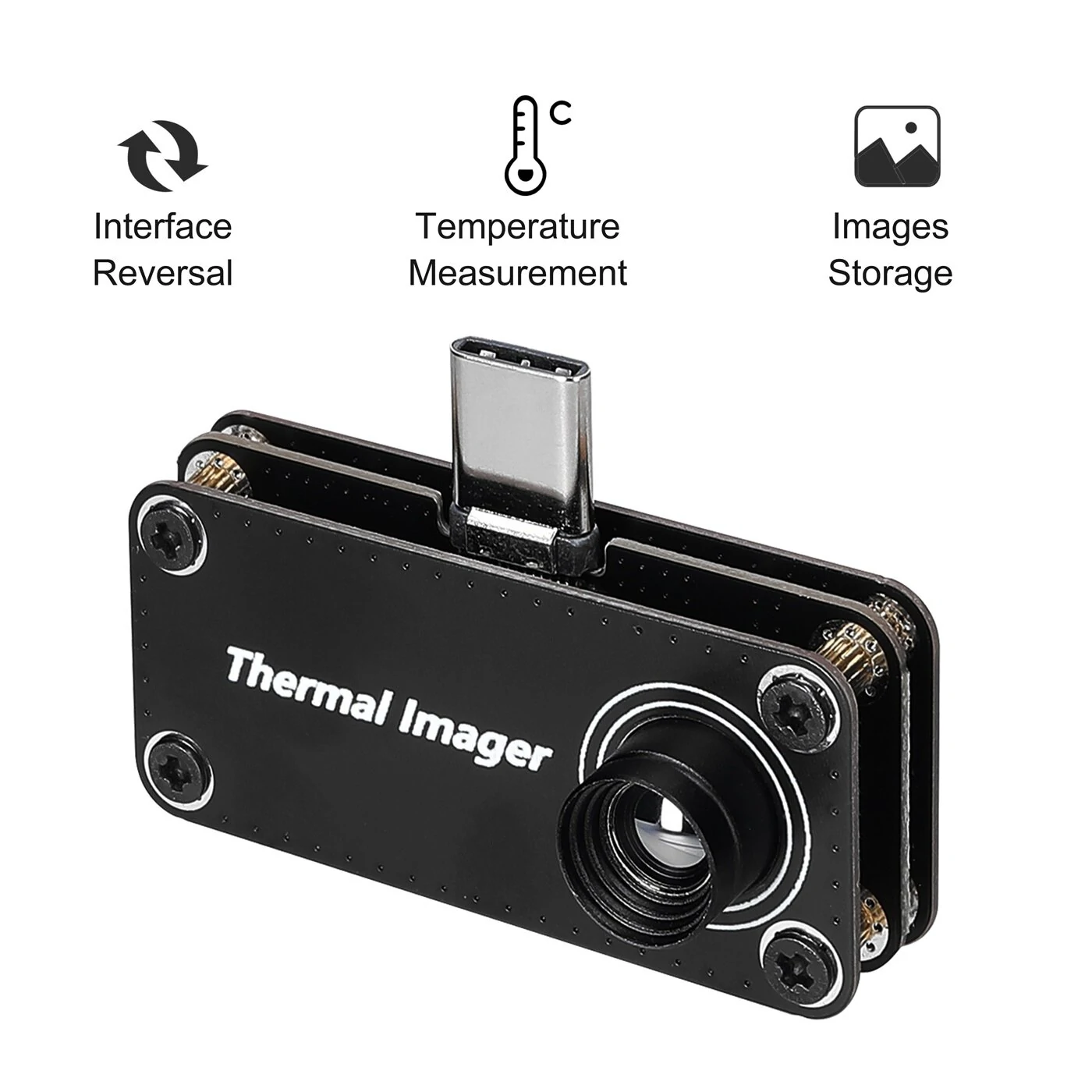
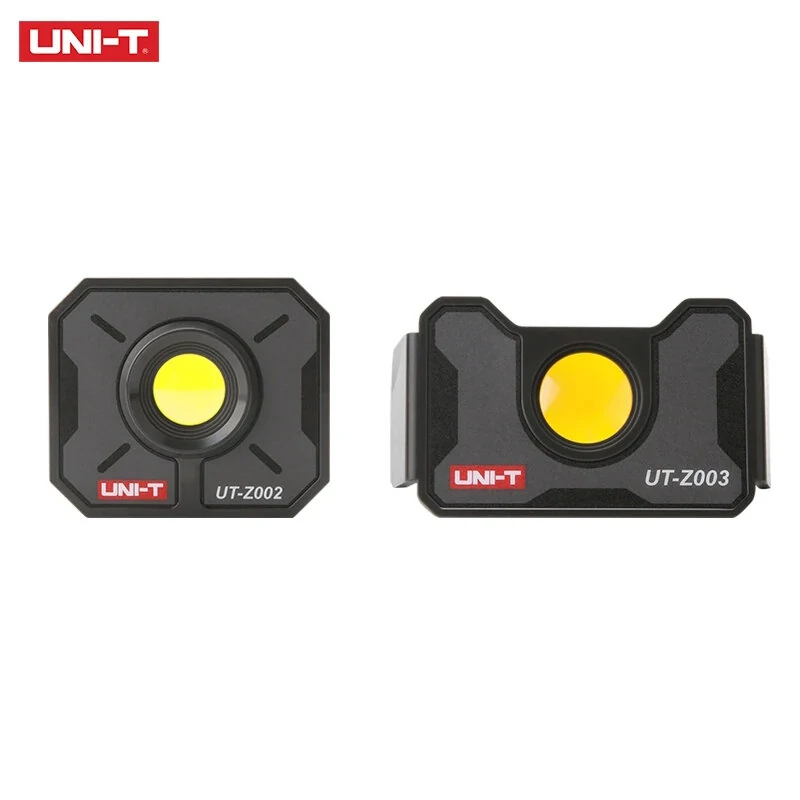
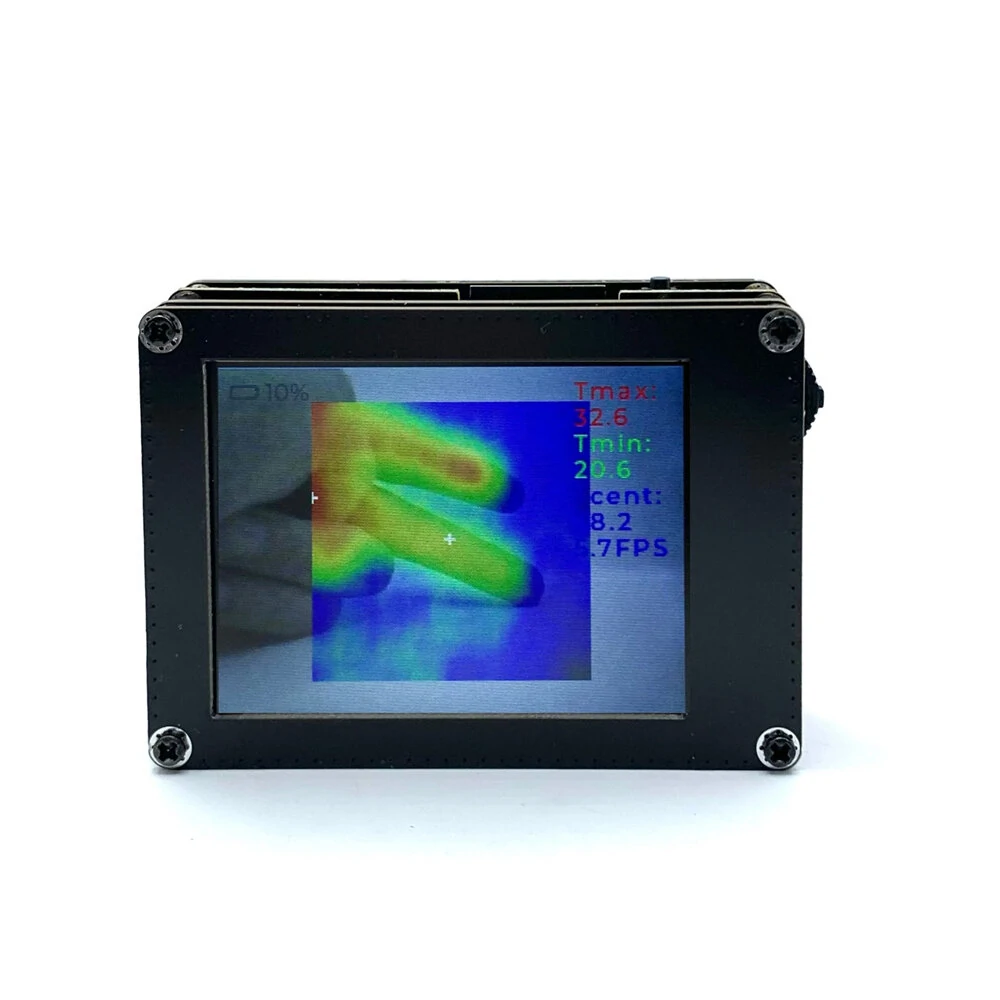
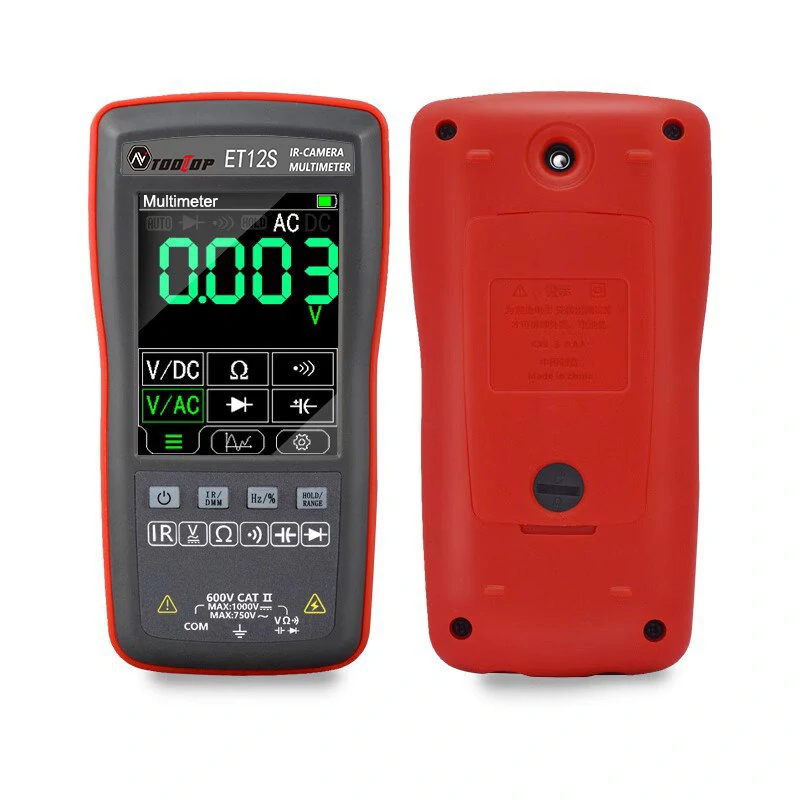
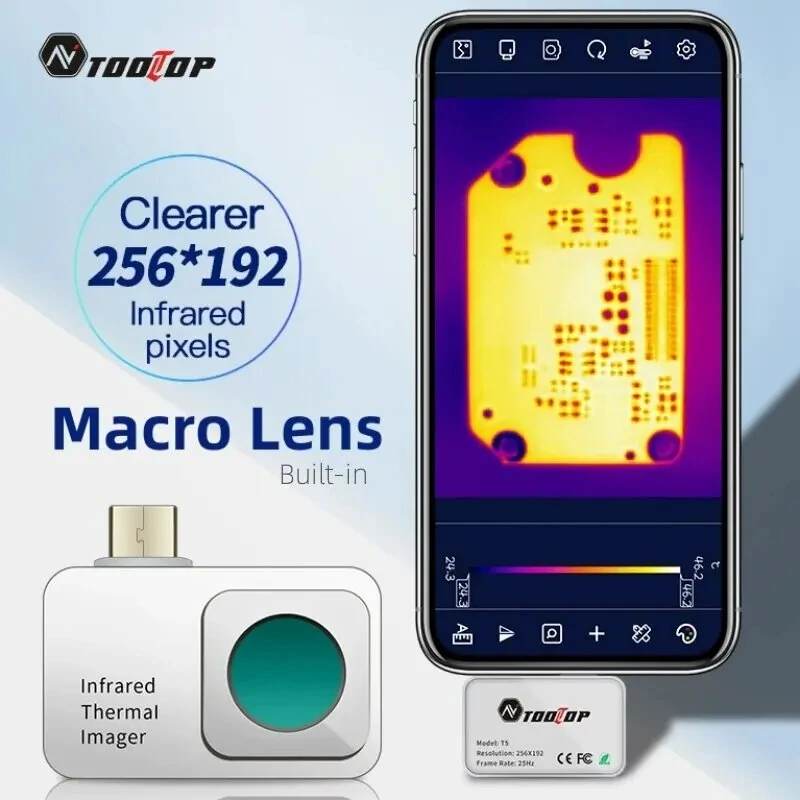
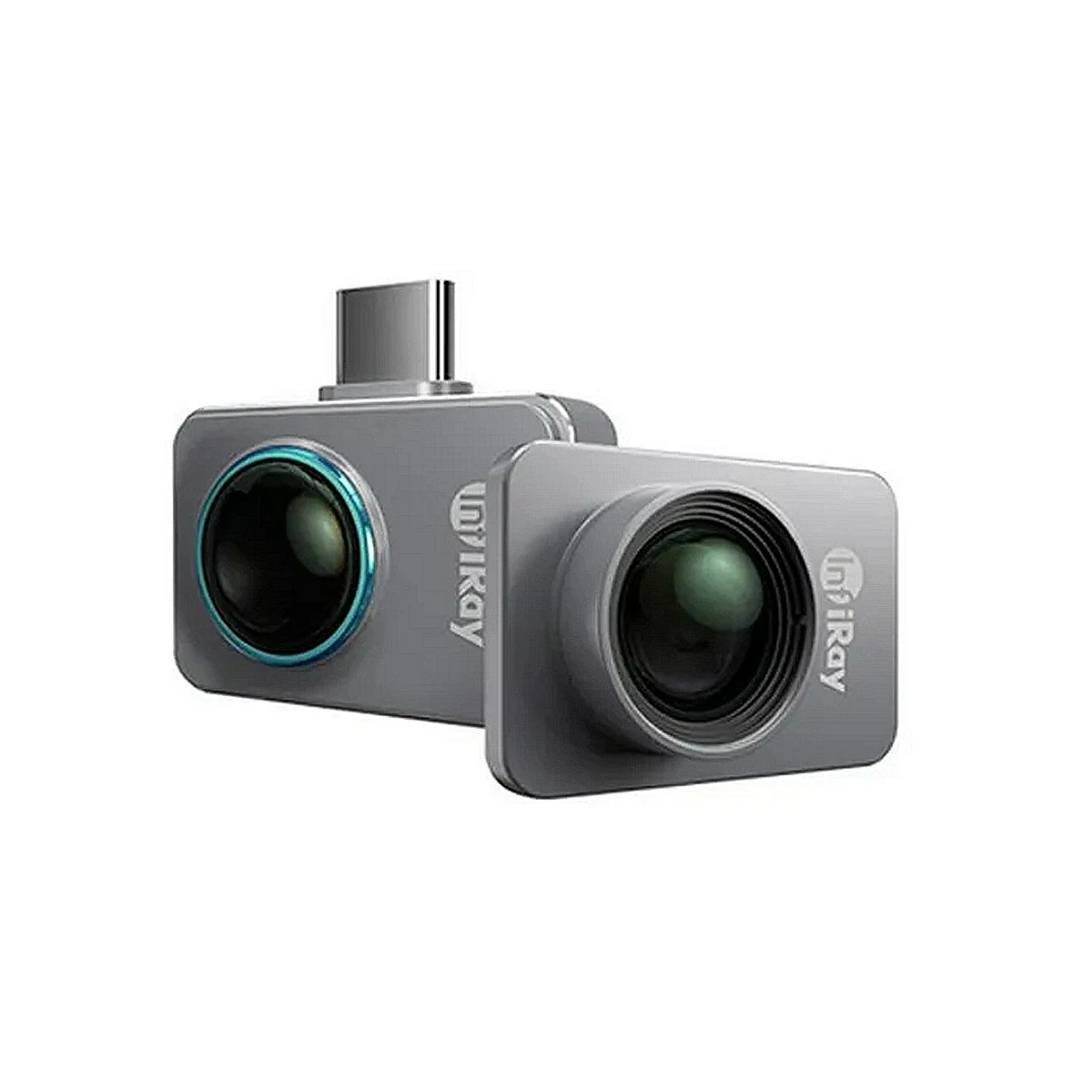
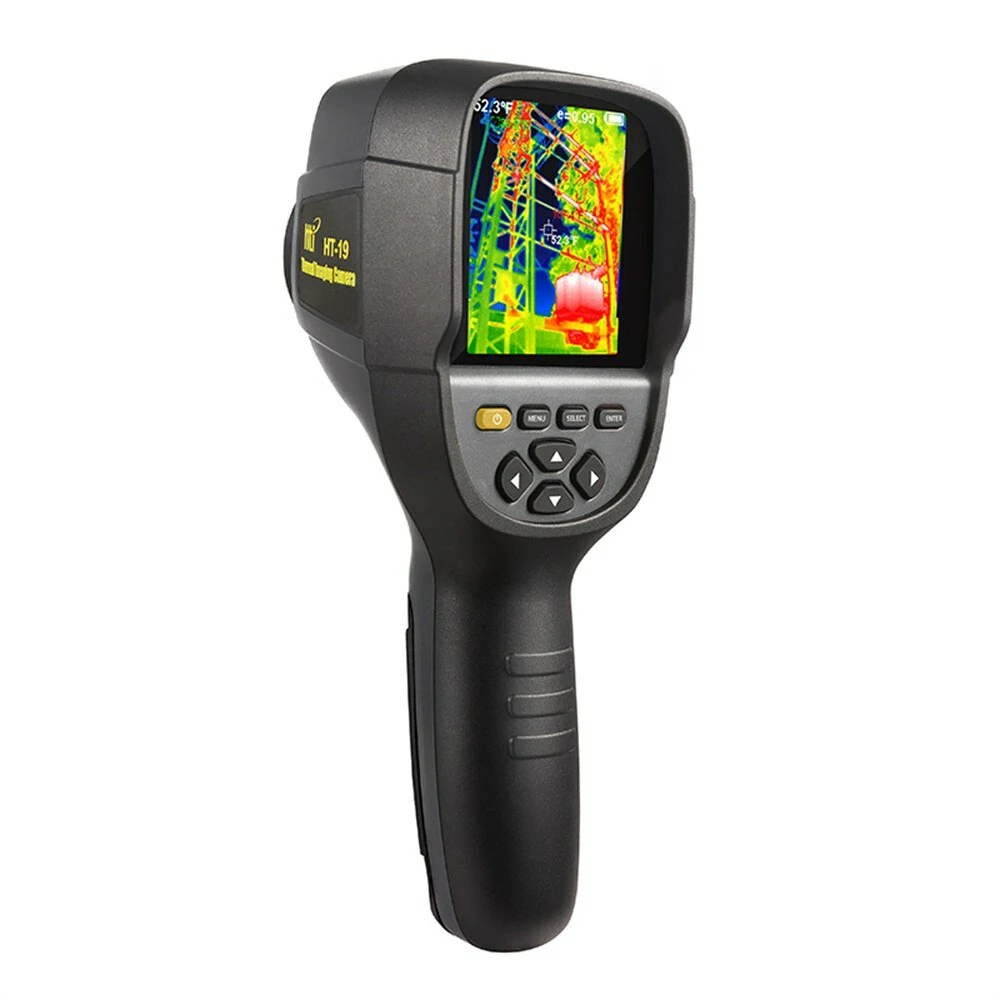
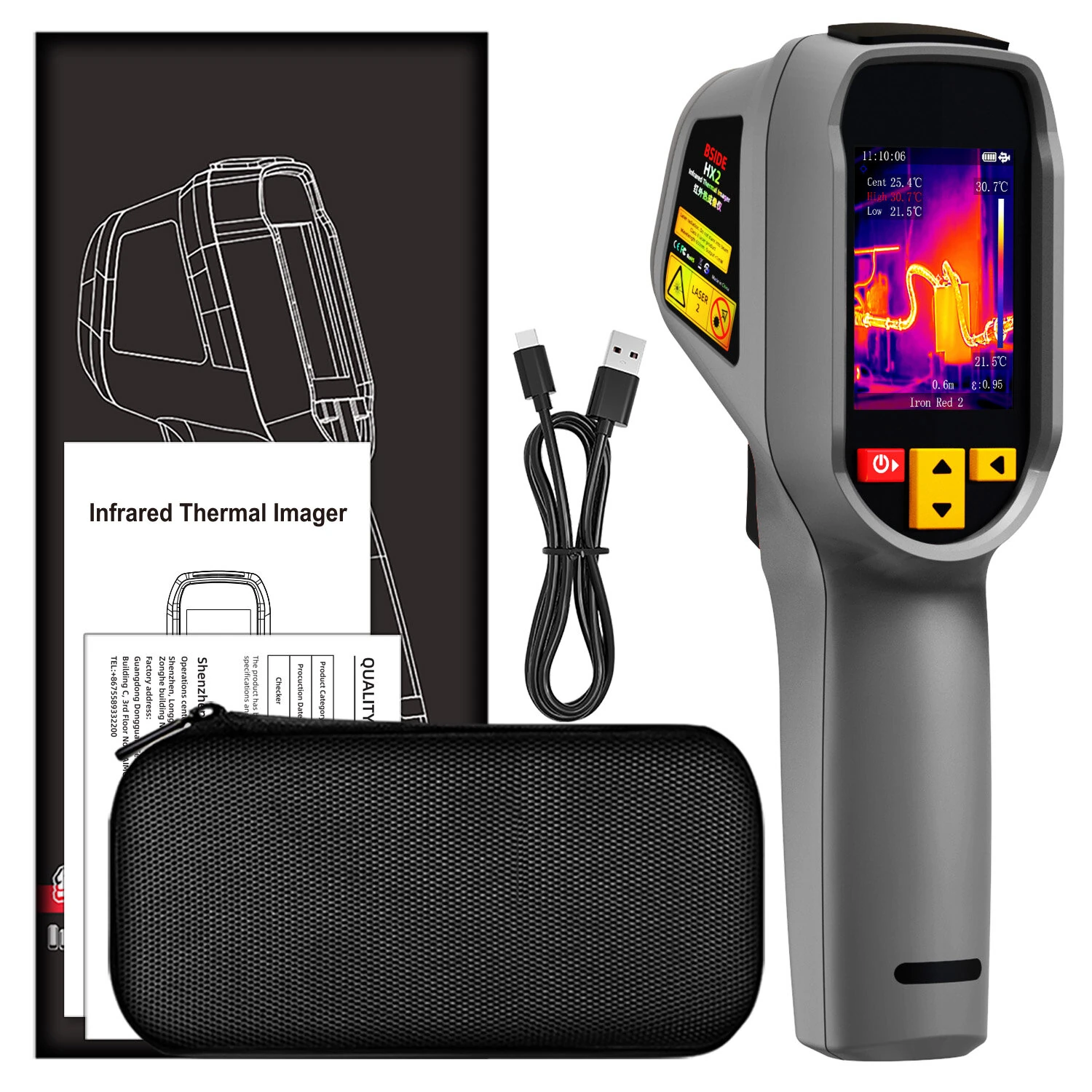
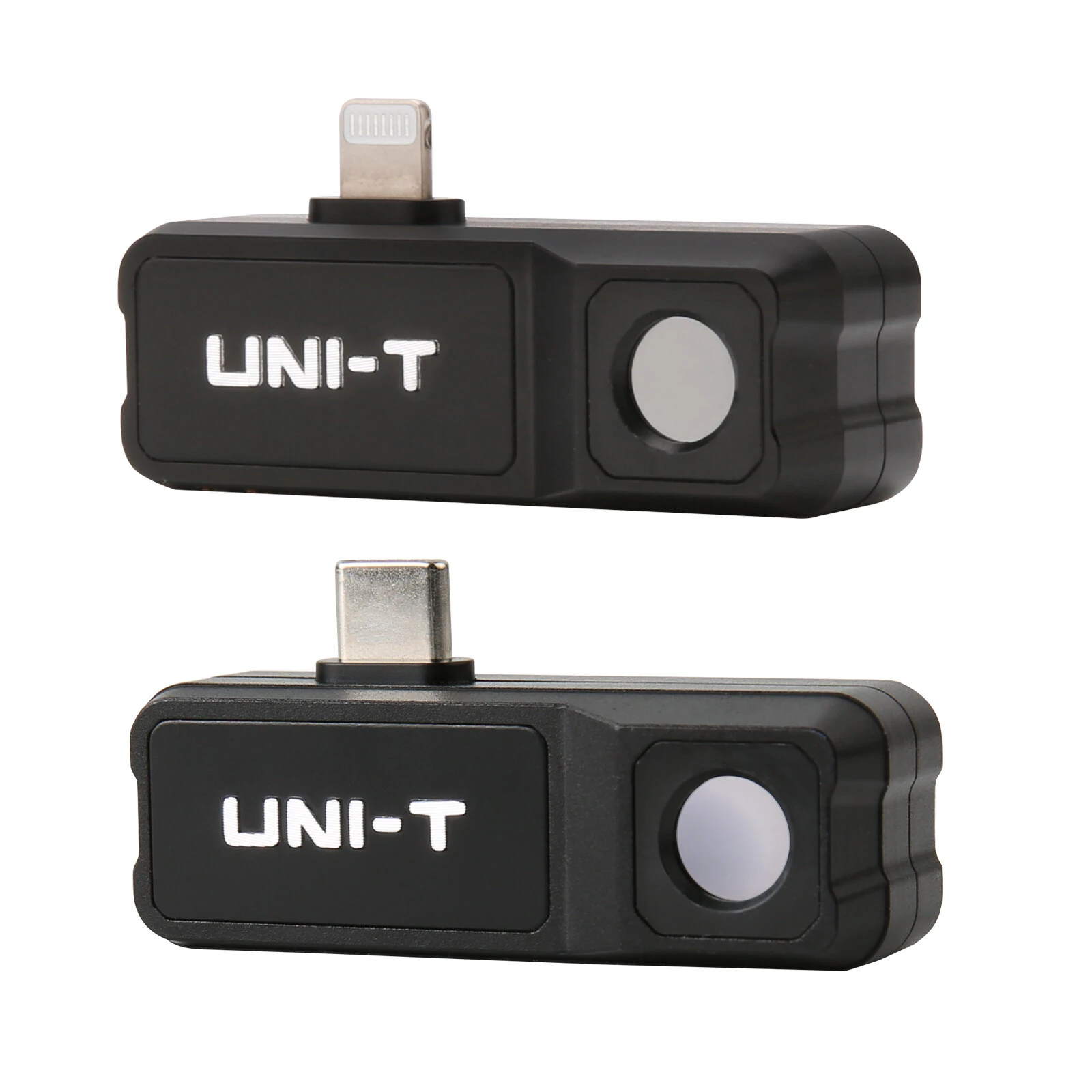
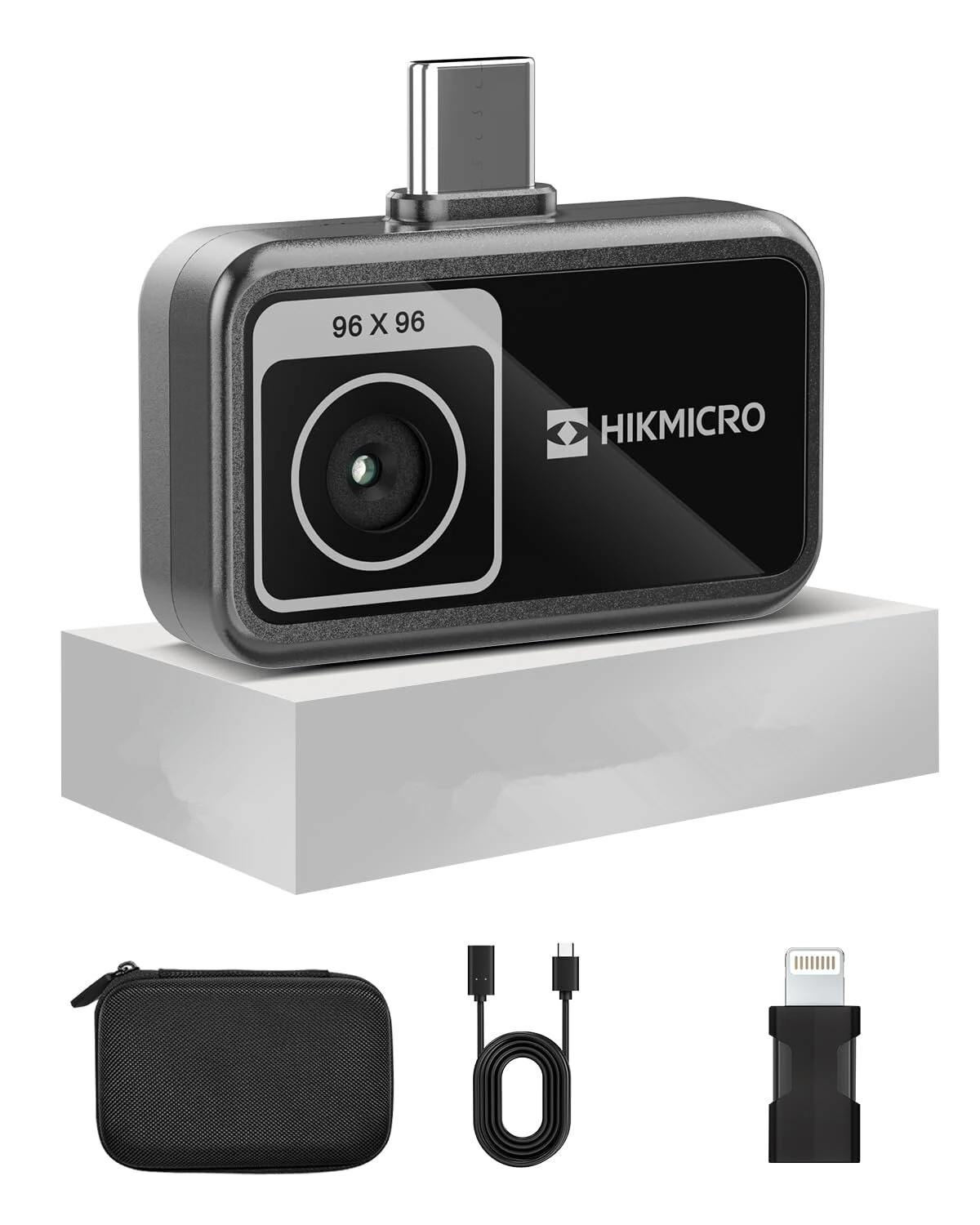
In a world where seeing the unseen can prevent disasters and save money, thermal imagers have become an indispensable tool for professionals and savvy homeowners alike. Unlike traditional cameras, a thermal imager (or infrared camera) visualizes heat energy, translating temperature differences into a detailed, color-coded image. This allows you to instantly identify problems that are otherwise hidden from view. The key benefits are profound: enhanced safety, preventive maintenance, and significant energy savings. For homeowners, a thermal imager is the ultimate diagnostic tool for locating missing insulation, pinpointing water leaks behind walls, and finding drafts around windows and doors. For professionals like electricians, HVAC technicians, and building inspectors, these devices are critical for identifying overloaded circuits, faulty connections, and mechanical failures before they cause downtime or fires. Modern thermal imagers range from affordable, smartphone-attachable models perfect for DIY projects to high-resolution, ruggedized units designed for industrial applications. Key features to look for include thermal resolution, temperature range, and the ability to blend thermal and visual images for precise analysis. By investing in a thermal imager, you're not just buying a gadget; you're acquiring the power to diagnose, verify, and solve problems with speed and accuracy, making any property safer, more efficient, and better maintained.
Choosing the right thermal imager depends on your specific needs and budget. For general home use and basic inspections, a model with a lower resolution (like 160x120) that connects to your smartphone can be a cost-effective and powerful starting point. Professionals requiring detailed reports and precise measurements should prioritize higher resolution (320x240 and above) and features like a built-in visual camera, robust software, and a wide temperature range. Always consider the thermal sensitivity; a lower NETD value (e.g., <50mK) means the camera can detect finer temperature differences, crucial for building diagnostics. FAQ: Are thermal imagers difficult to use? Modern devices are designed for intuitive operation, with many offering point-and-shoot simplicity. Can they see through walls? No, they detect surface temperatures, revealing temperature patterns that indicate issues *within* a structure. What's the battery life like? Most handheld units offer several hours of continuous use. Ultimately, a thermal imager is a proactive investment in safety and efficiency. Start by defining your primary use cases, then select a device with the right balance of performance and price to unlock a hidden layer of visual intelligence.