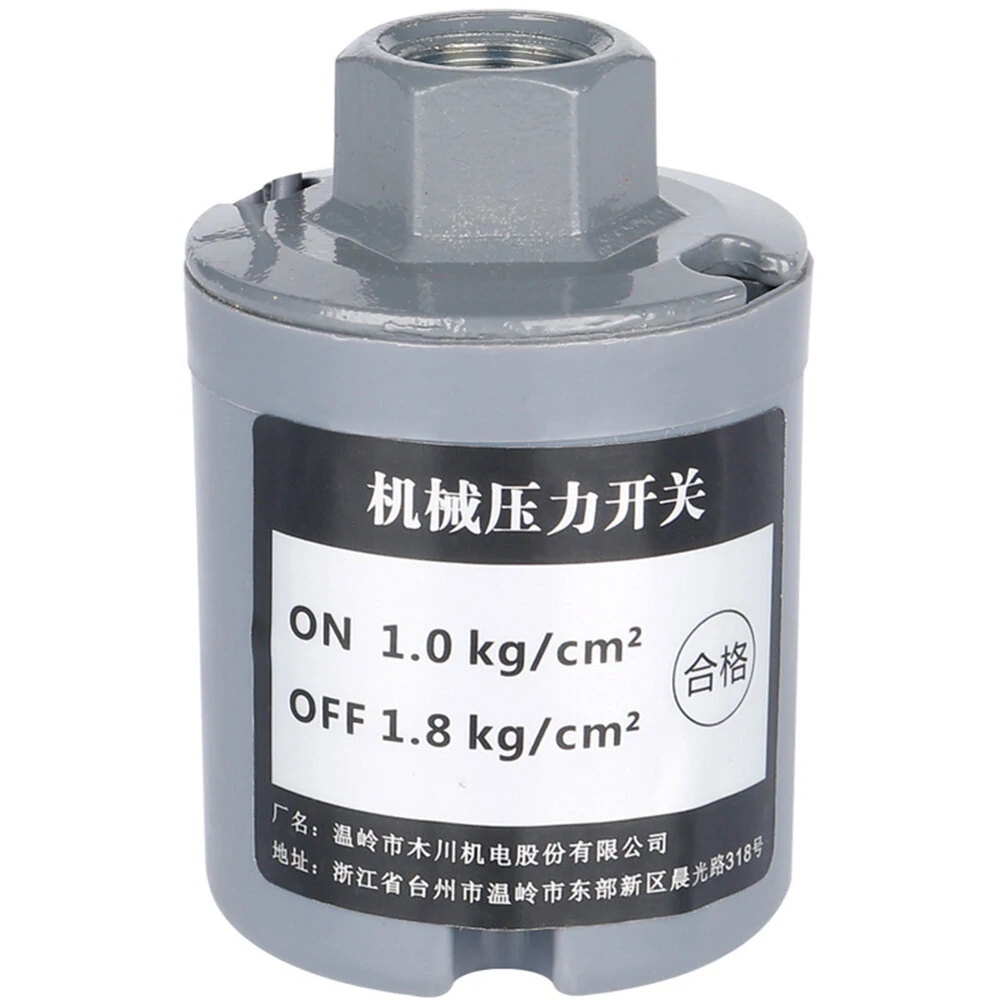
Push button switches are fundamental electromechanical components designed to control the flow of electricity in a circuit with a simple press. As one of the most intuitive and reliable forms of human-machine interface, they are ubiquitous in applications ranging from industrial control panels and medical equipment to consumer electronics and automotive dashboards. The core benefit of a push button switch is its ability to provide precise, tactile control over machinery and devices, ensuring safe and deliberate operation.
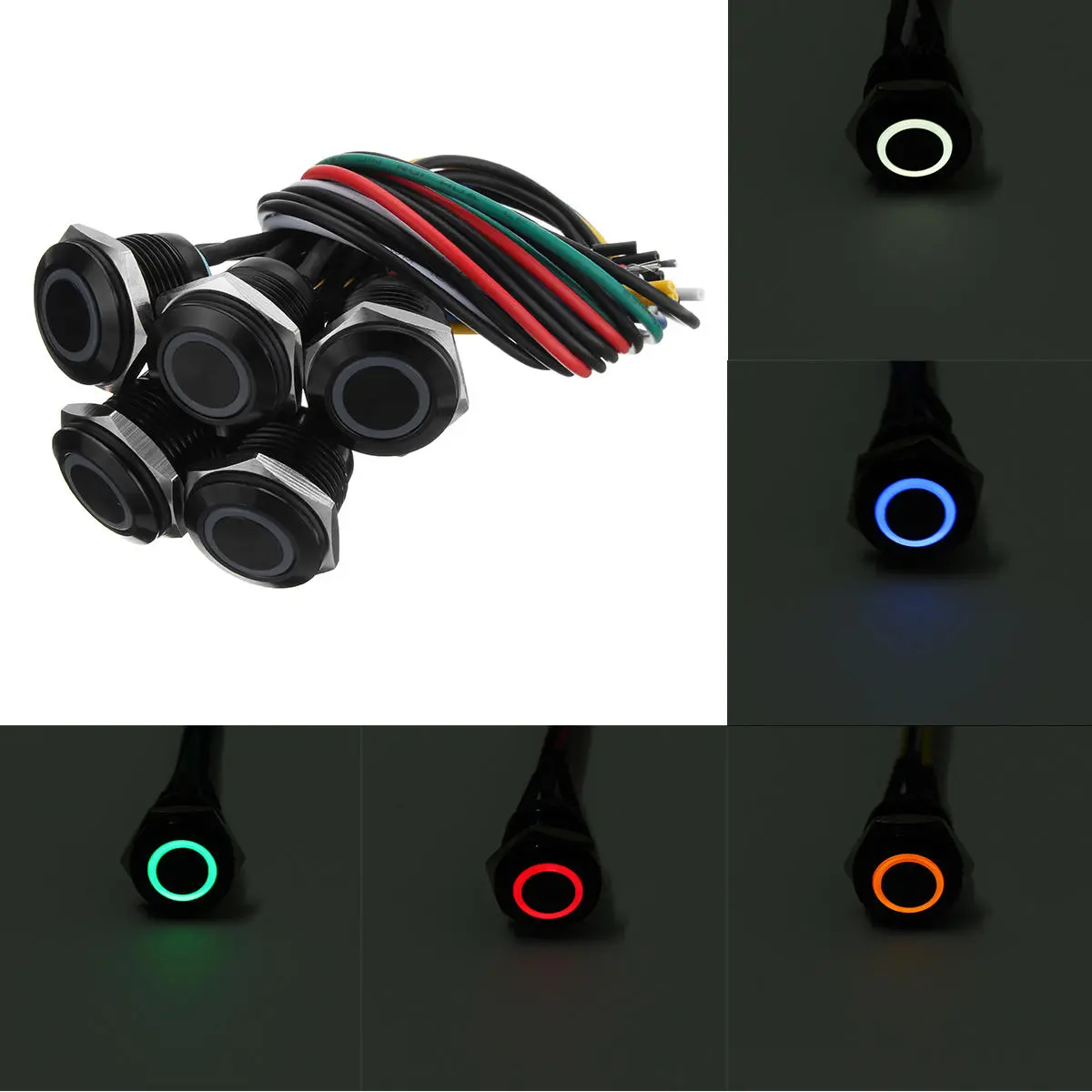
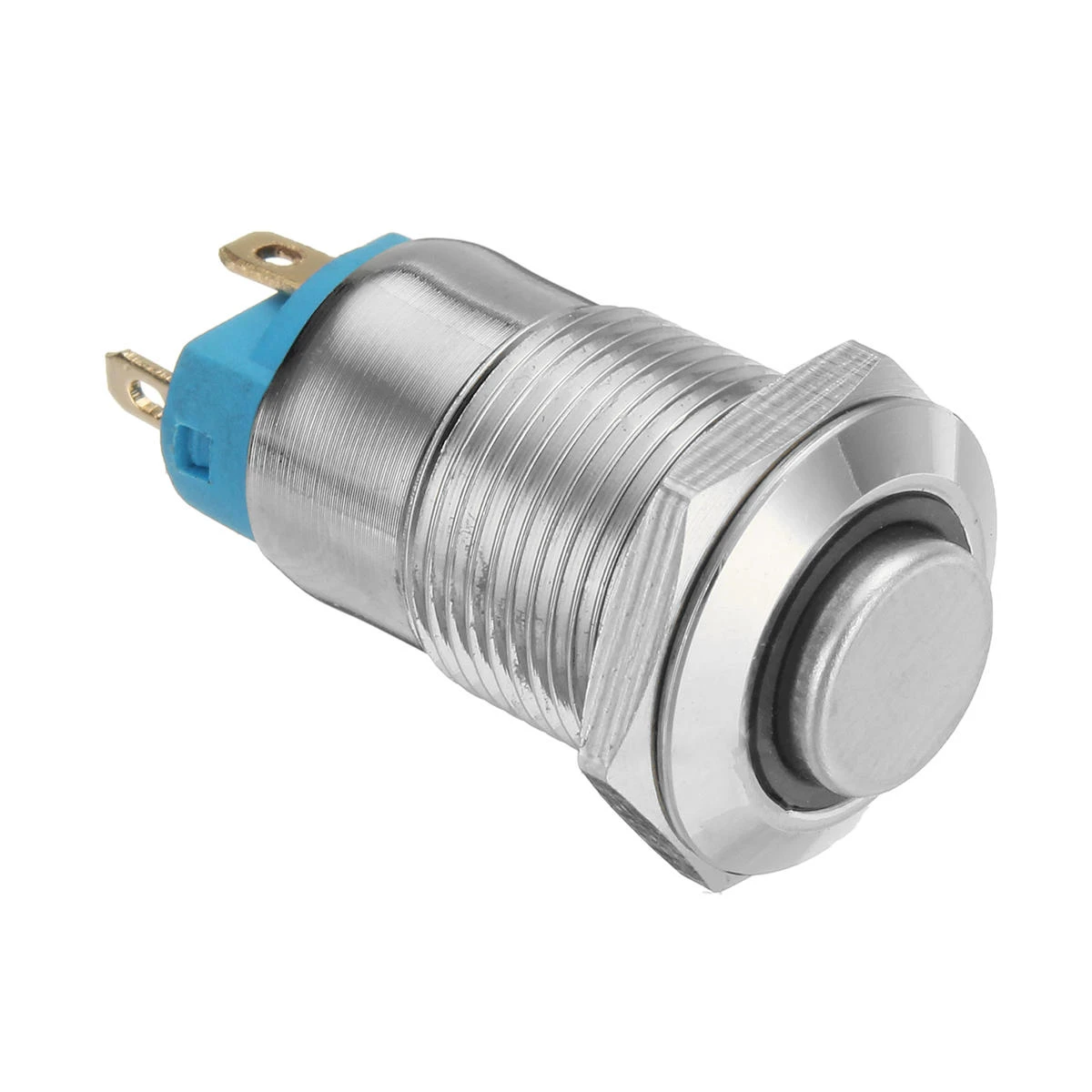
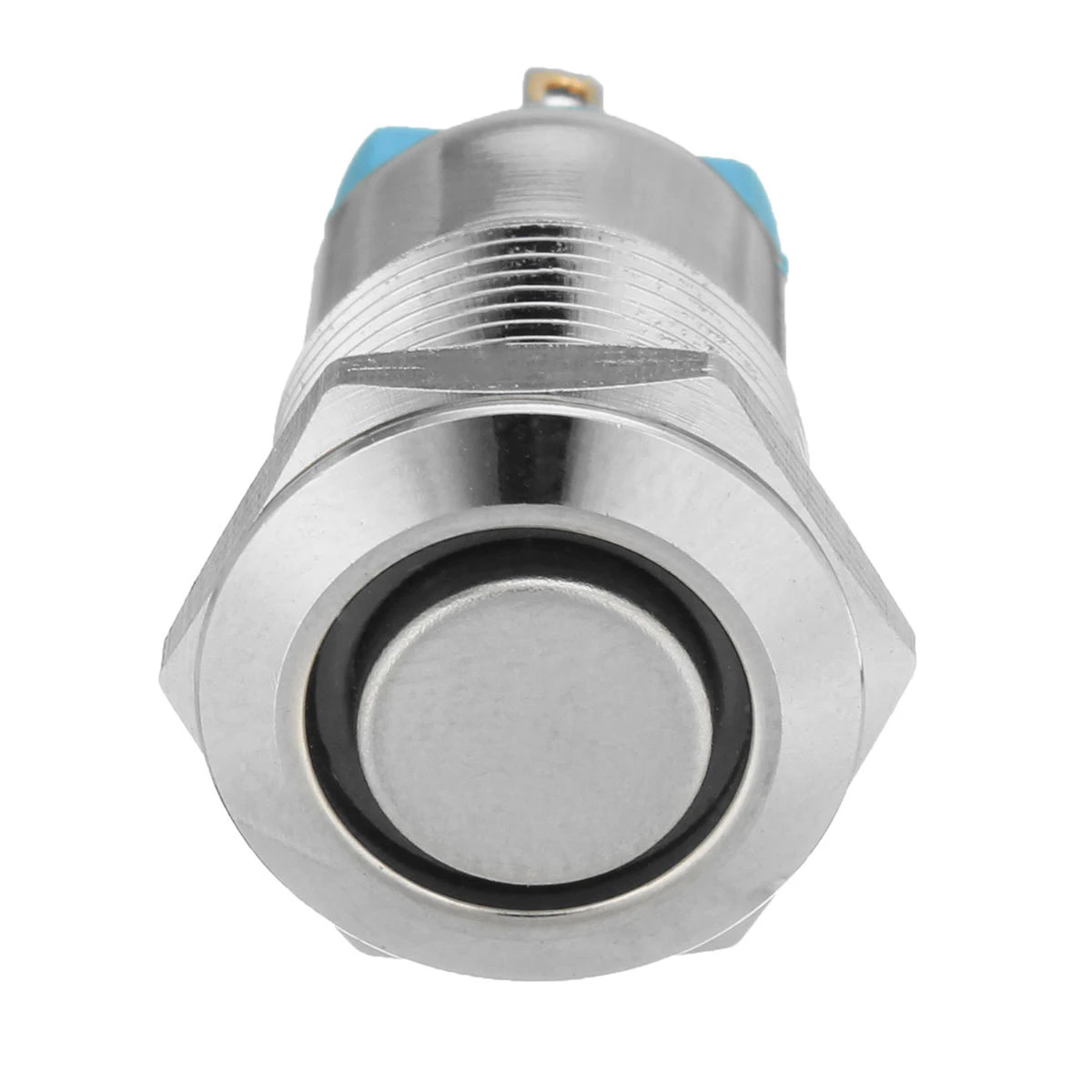
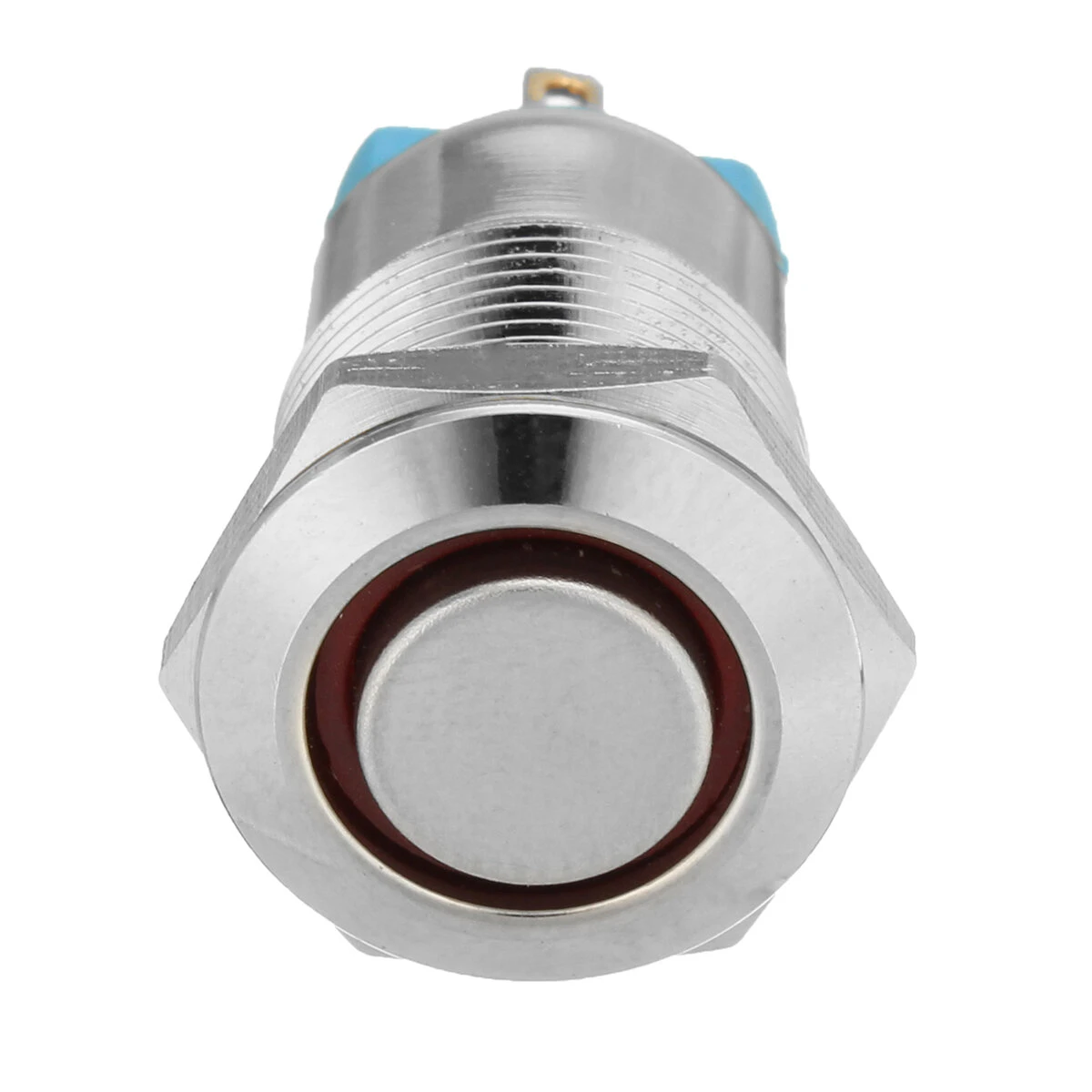
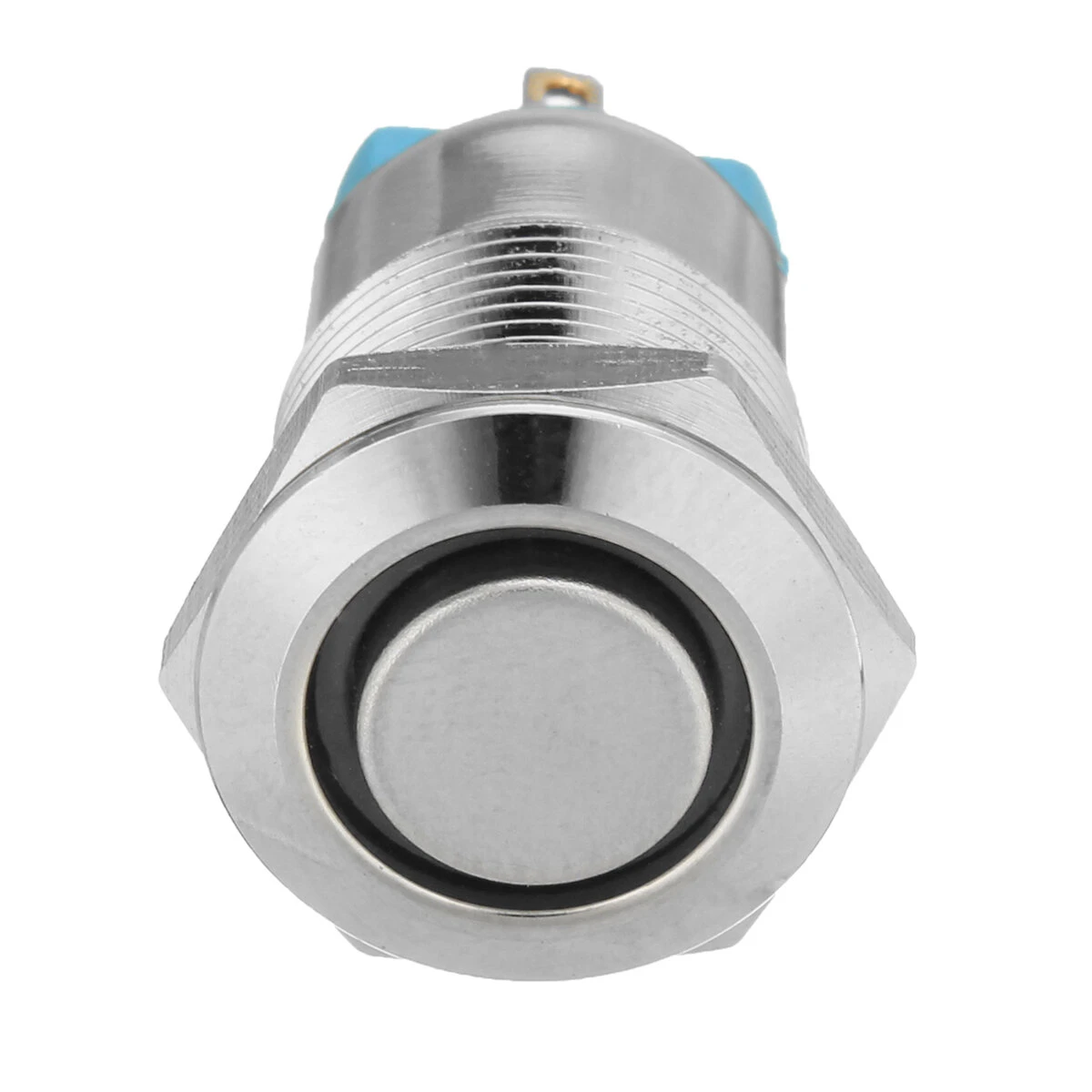
Key products within this category include momentary and latching switches. Momentary switches, like a doorbell, only complete the circuit while being pressed. Latching (or maintained) switches, like a light switch, toggle on or off with each press and hold their state. Other vital variations are illuminated push buttons, which integrate an LED for visibility in low-light conditions, and waterproof or sealed switches designed for harsh environments, offering protection against dust, moisture, and chemicals. Panel mount switches are engineered for secure installation into control enclosures, providing a professional finish and enhanced durability.
Choosing the right push button switch enhances system reliability, user safety, and operational efficiency. Modern switches are built with robust materials like metal, thermoplastic, and silicone, ensuring millions of actuations. Whether you're designing a new control system, replacing a faulty component, or embarking on a DIY project, understanding the versatility and specifications of push button switches is the first step toward achieving optimal performance and user interaction.
**Choosing the Right Push Button Switch: A Quick Guide**
**1. Momentary vs. Latching:** Determine the needed action. Use momentary for functions that require constant pressure (e.g., a power tool trigger). Use latching for toggling power states (e.g., an ON/OFF switch).
**2. Electrical Ratings:** Always check the voltage (AC/DC) and current (amperage) ratings. Select a switch with ratings that exceed your circuit's requirements to ensure safety and longevity.
**3. Environment:** For outdoor, marine, or washdown applications, choose switches with an IP (Ingress Protection) rating (e.g., IP67) for water and dust resistance.
**4. Mounting Style:** Consider how you will install it. Panel mount switches require a drilled hole, while surface-mount or PCB-mount options offer different installation flexibility.
**5. Illumination & Color:** Illuminated switches aid in operator identification. Choose colors consistent with industry standards (e.g., red for stop, green for start) or for aesthetic matching.
**FAQ: Are all push button switches the same?** No. They vary significantly in size, electrical capacity, actuation type, material, and environmental sealing. Always match the switch specifications to your specific application's demands for reliable performance.