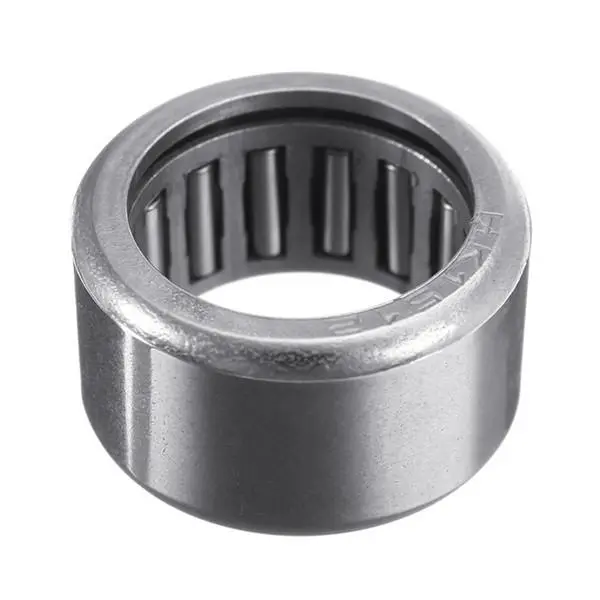
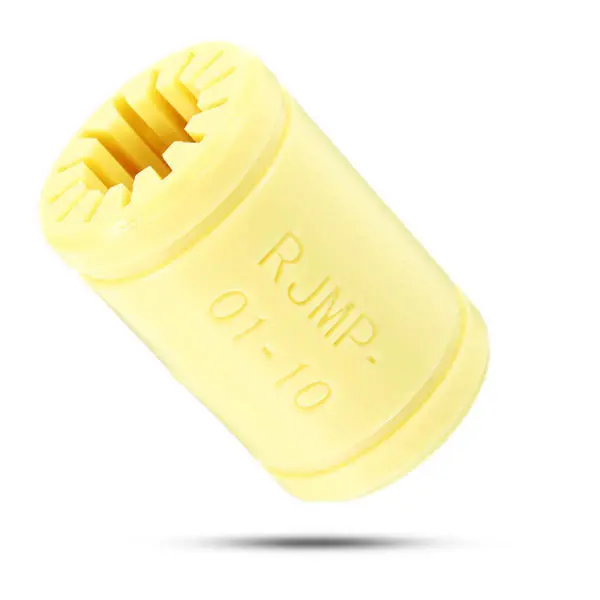
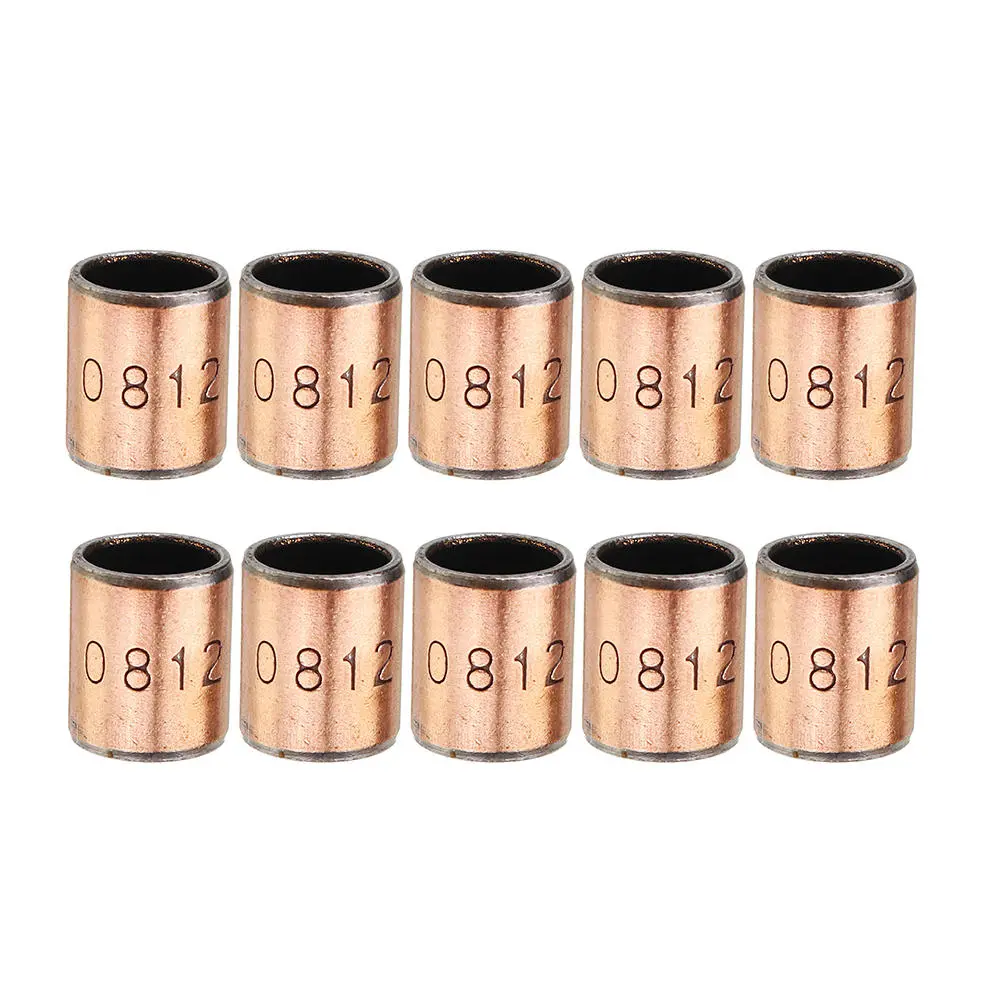
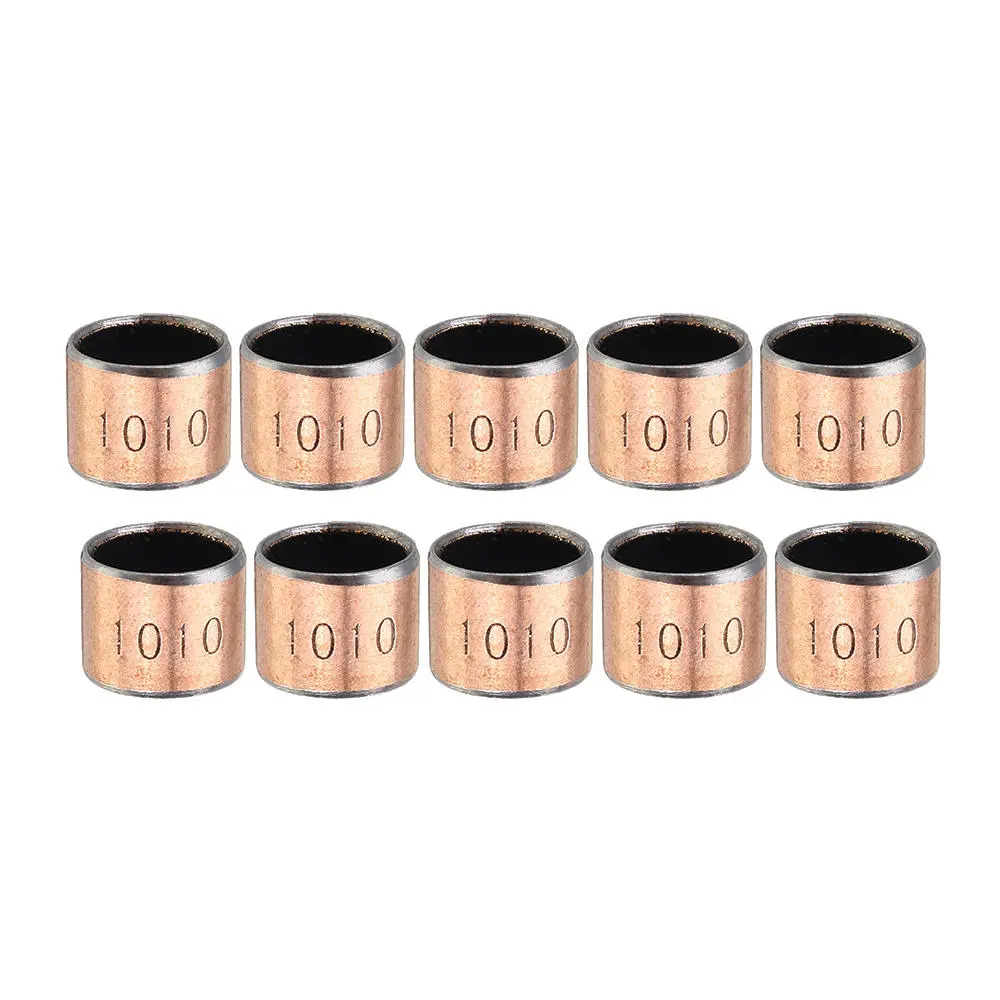
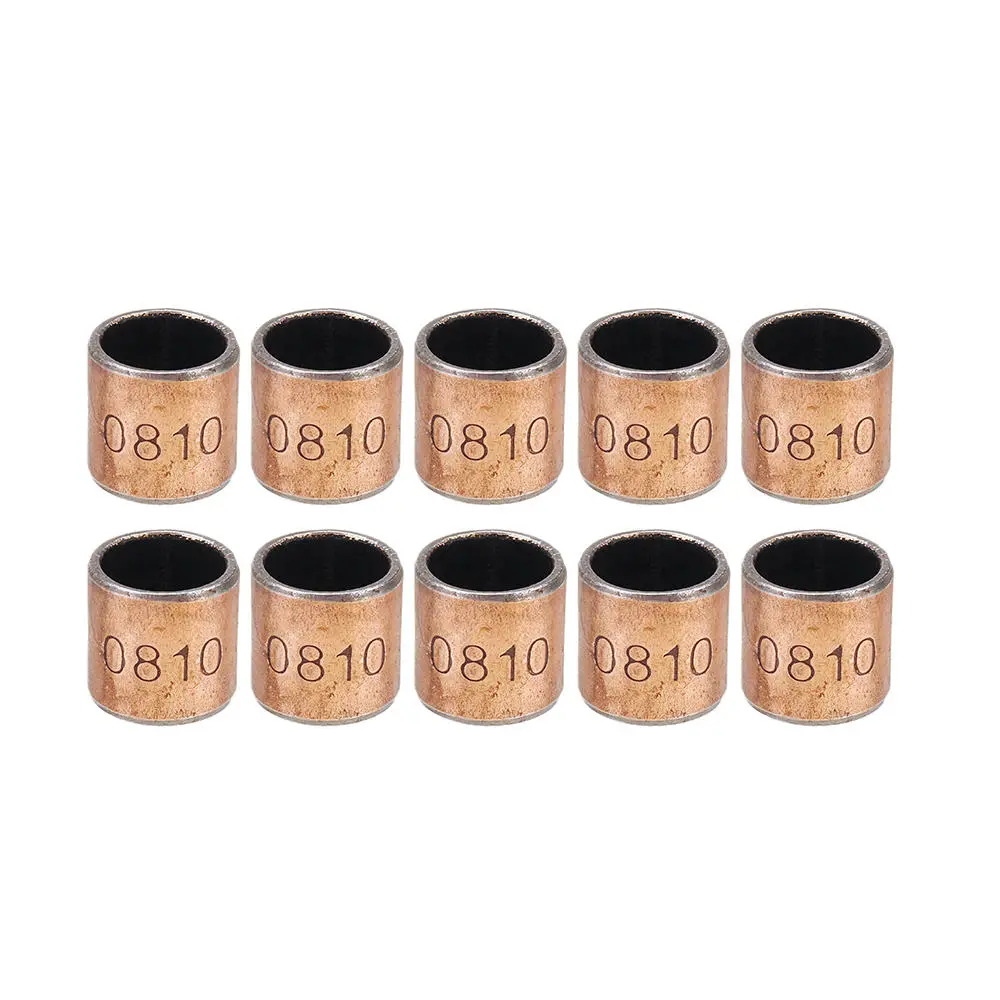
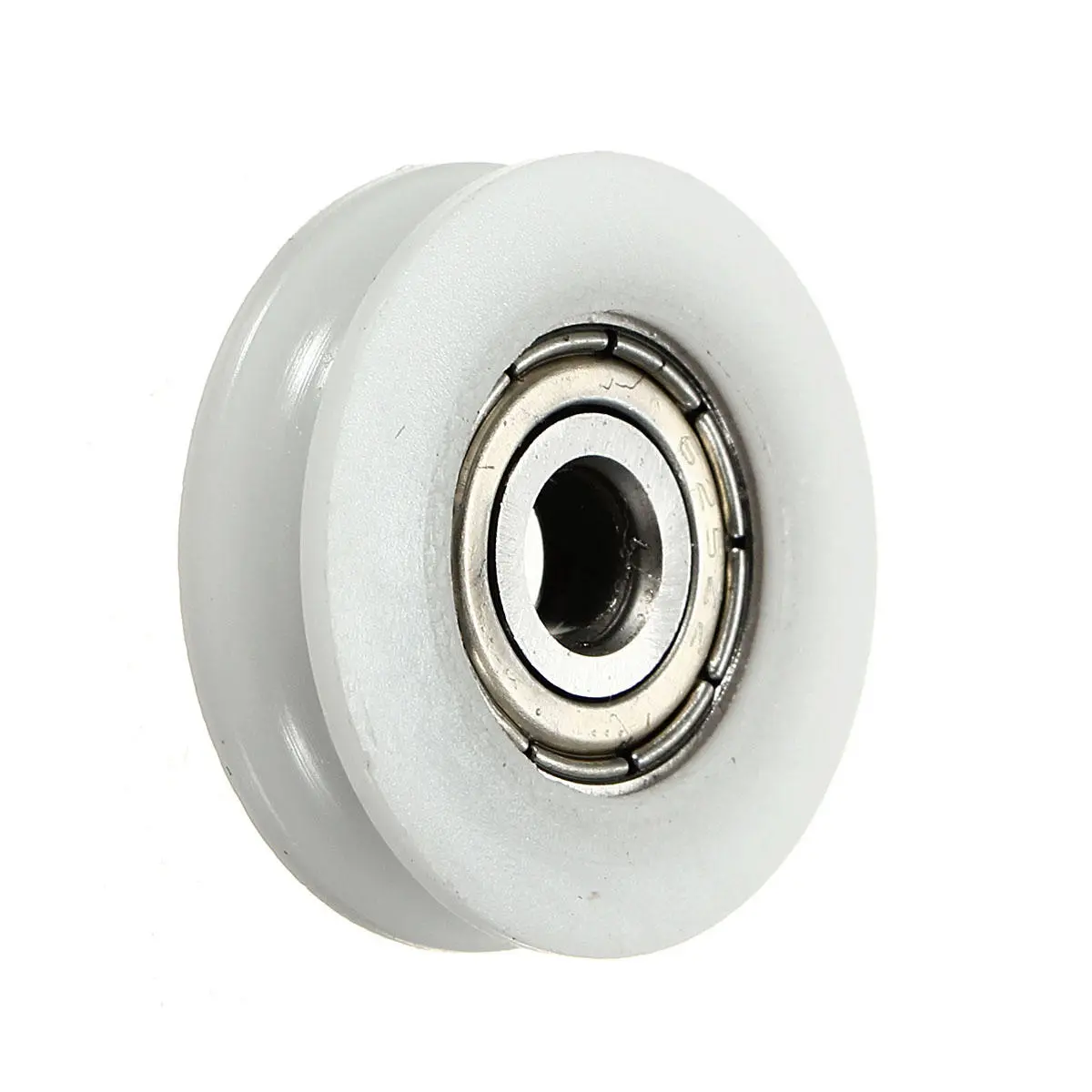
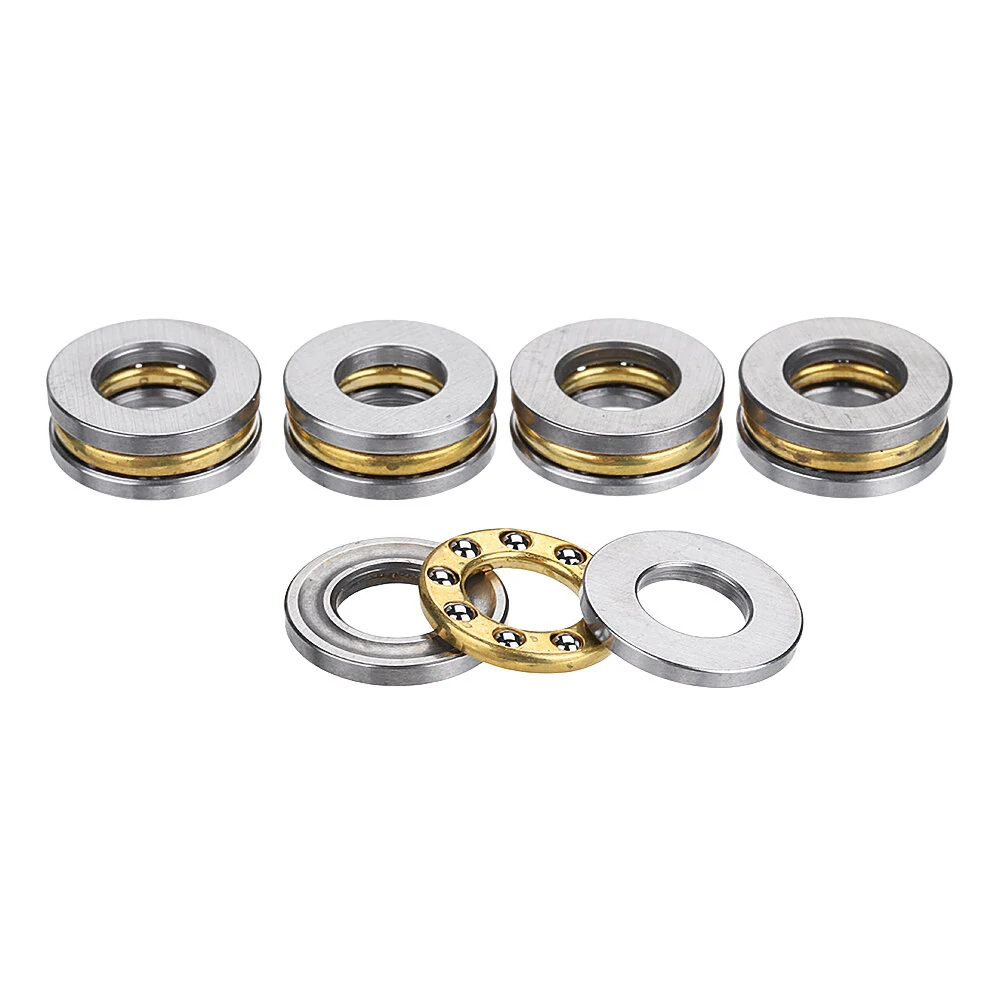
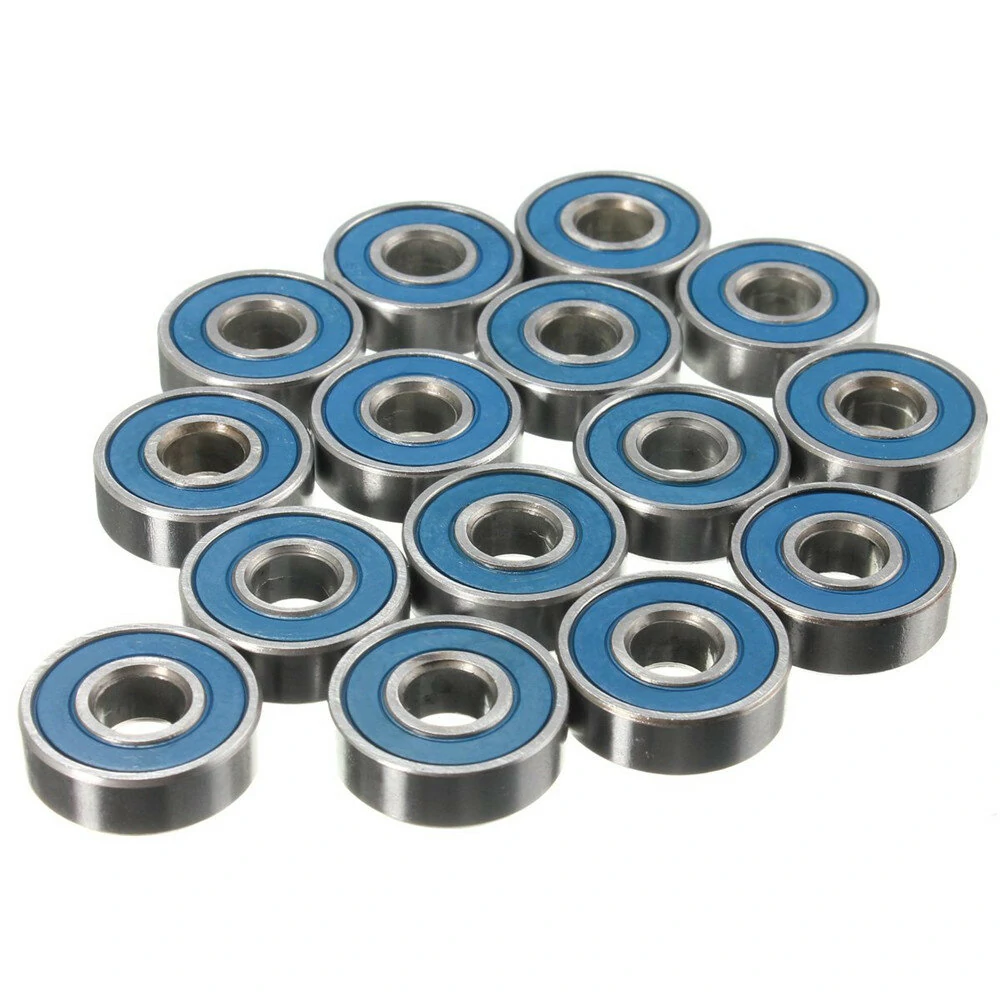
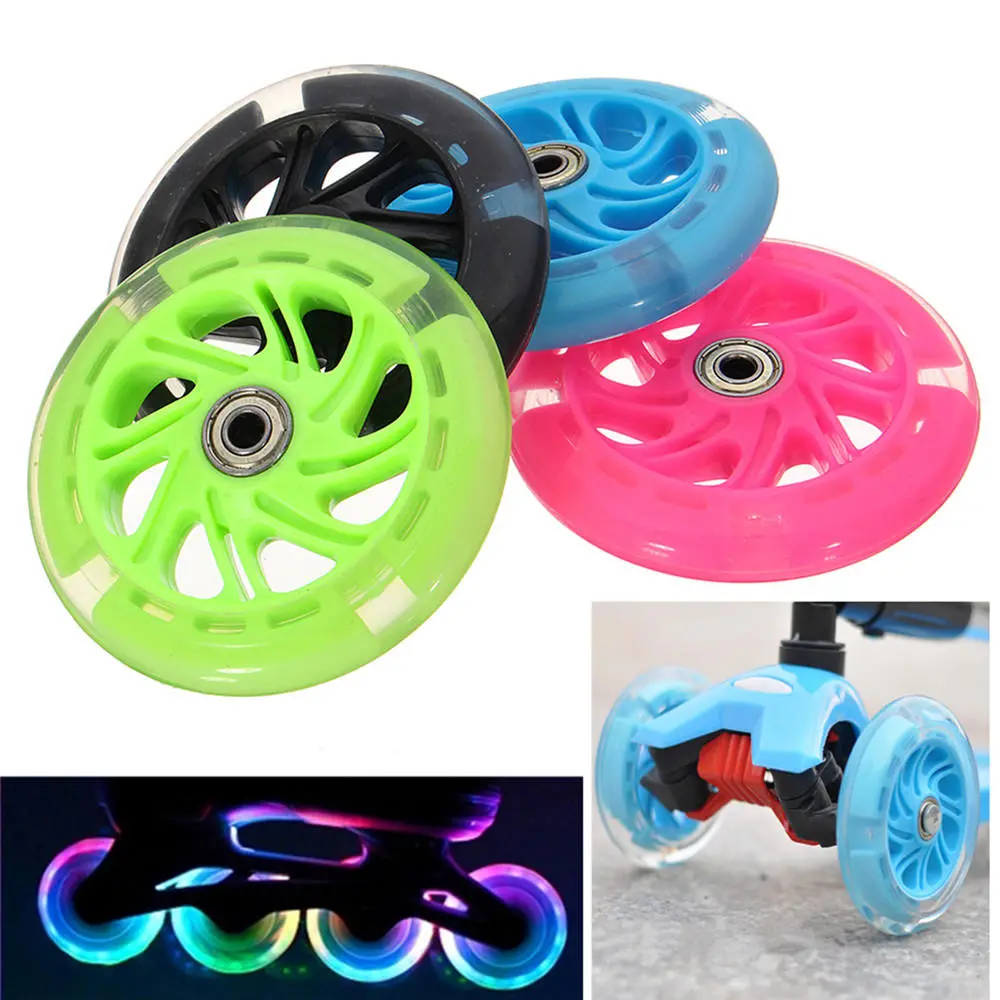
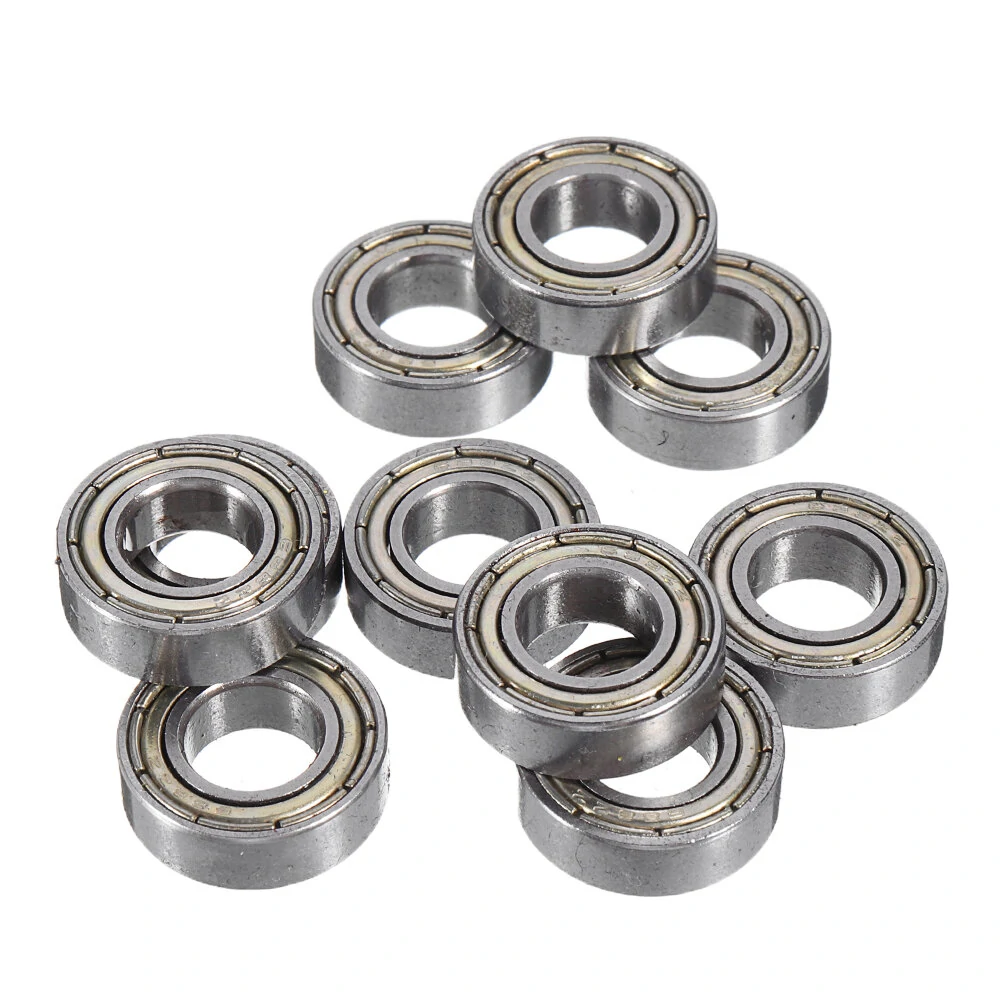
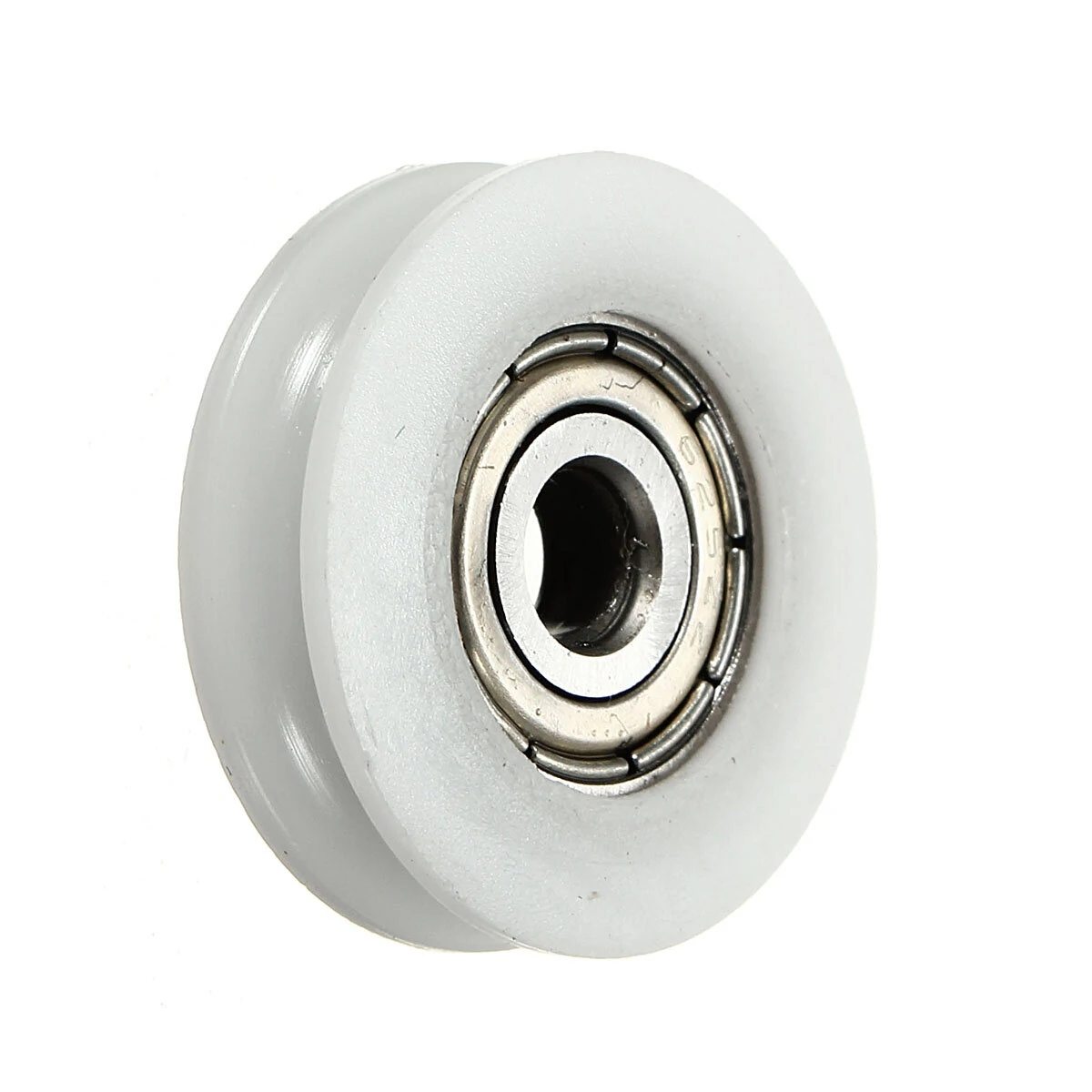
Ball bearings are the unsung heroes of the mechanical world, enabling smooth, efficient, and precise motion in countless applications. At their core, these ingenious components consist of a set of hardened steel or ceramic balls captured between an inner and outer ring, known as races. Their primary function is to reduce rotational friction and support radial and axial loads, allowing machinery to operate with less energy, less heat, and significantly longer lifespans. From high-speed electric motors and automotive wheels to conveyor systems and sensitive medical devices, ball bearings are fundamental to modern engineering.
Our comprehensive category features a wide array of ball bearing types to meet diverse needs. Key products include versatile **Deep Groove Ball Bearings**, the most common type, ideal for handling both radial and moderate axial loads. For applications with high axial thrust, **Angular Contact Ball Bearings** are the superior choice. We also supply specialized options like **Stainless Steel Bearings** for corrosive or food-grade environments, **Ceramic Hybrid Bearings** for extreme speeds and temperatures, and **Miniature and Instrument Bearings** for precision devices. The benefits of choosing the right bearing are substantial: they minimize power loss, reduce maintenance downtime, decrease operational noise, and enhance the overall reliability and performance of your equipment. Whether you're in manufacturing, automotive repair, robotics, or a passionate DIYer, selecting a high-quality ball bearing is an investment in smoother operation and long-term cost savings.
**Choosing the Right Ball Bearing: A Quick Guide**
Selecting the correct ball bearing is crucial for optimal performance. Start by identifying the **Bore Size** (inner diameter), **Outside Diameter**, and **Width**. Next, consider the **Load Type and Capacity** – will it be primarily radial, axial (thrust), or a combination? The **Operating Environment** is also key; standard steel bearings are economical, but for wet or corrosive conditions, stainless steel or sealed bearings are essential. **Precision Ratings** (ABEC 1, 3, 5, 7, 9) indicate tolerances; higher precision is needed for high-speed applications like spindles.
**FAQ:**
**Q: What is the difference between shielded and sealed bearings?**
A: Shields (metal) offer minimal friction and protect from large debris. Seals (rubber or plastic) provide better contamination protection and retain grease but create slightly more friction.
**Q: How often should ball bearings be lubricated?**
A: It depends on use. Many come pre-lubricated and sealed for life. In high-load or high-speed industrial settings, re-lubrication intervals are specified by the manufacturer. Always refer to the product datasheet.
**Q: Can I replace a ball bearing myself?**
A: For many applications, yes. Ensure you have the proper tools (bearing pullers, presses) to avoid damaging the new bearing during installation. Correct fit and alignment are critical. When in doubt, consult a professional.
Investing in the right ball bearing ensures smoother operation, less wear, and greater efficiency for your machinery and projects.