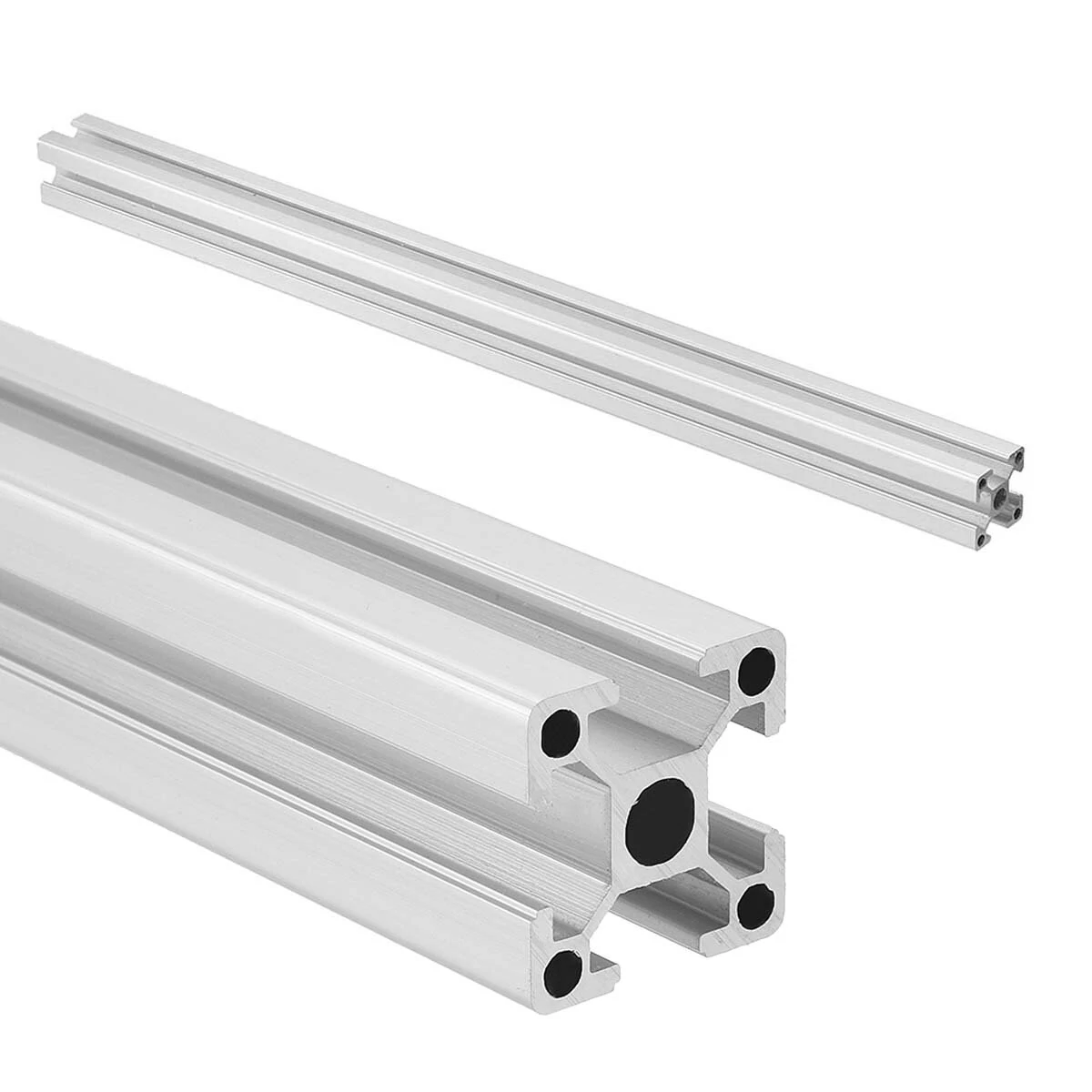
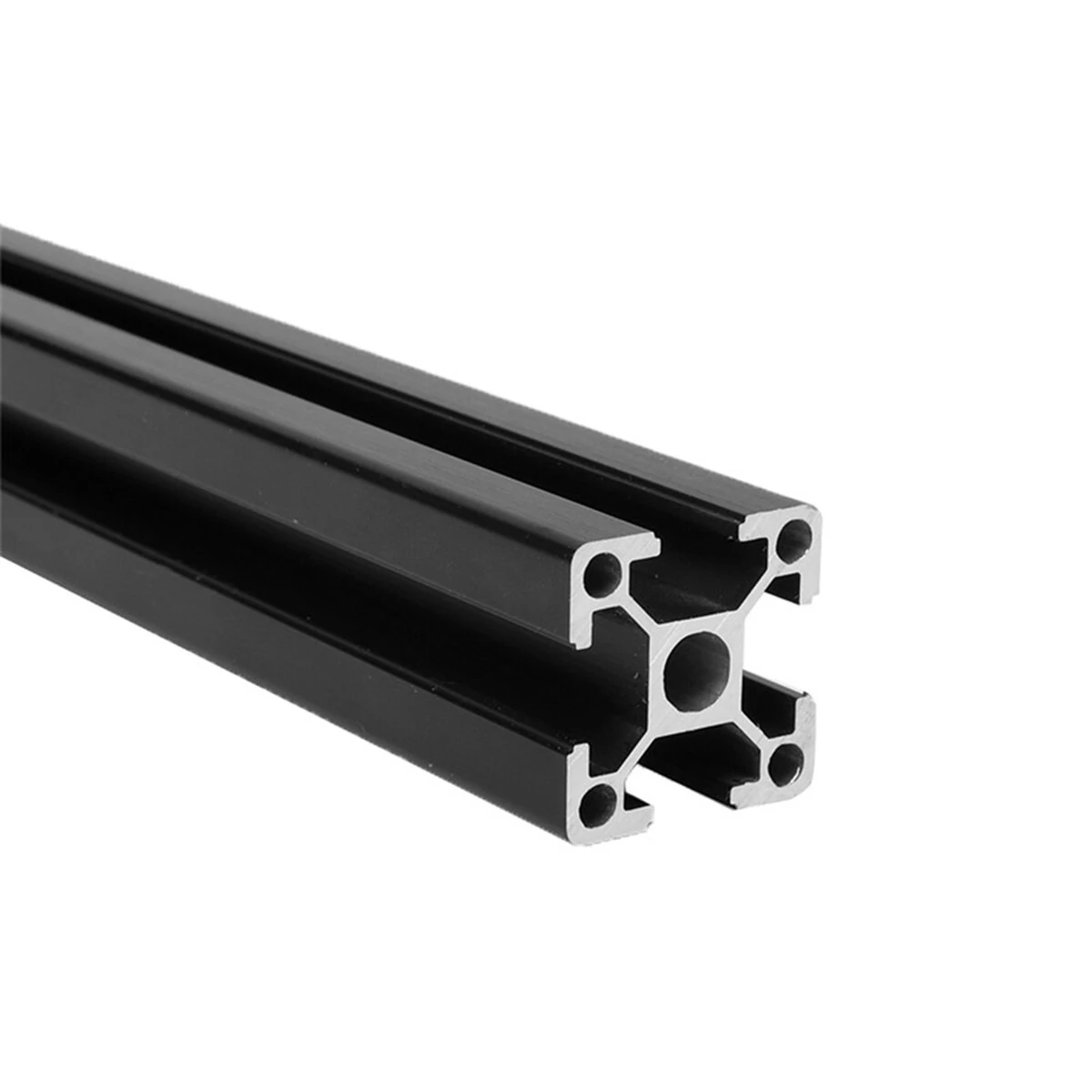
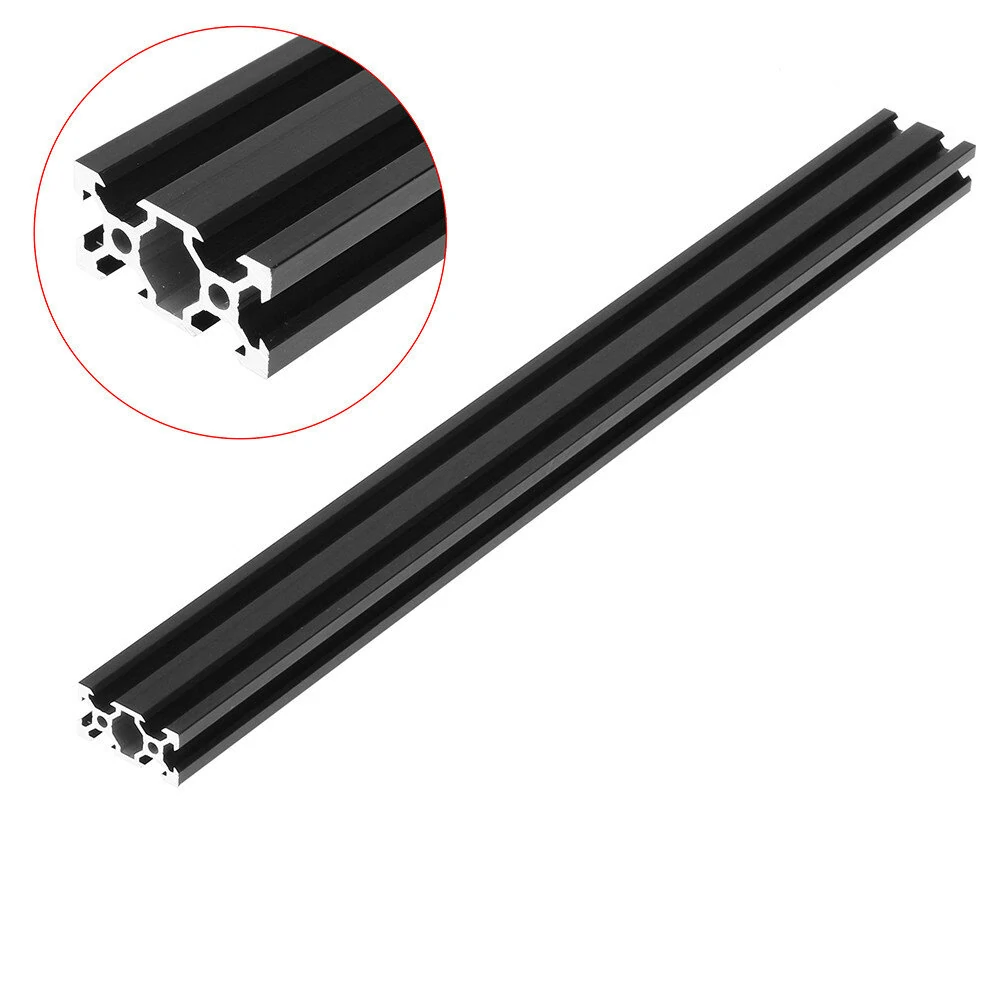
Aluminum extrusions are the versatile backbone of modern manufacturing and design. This process involves forcing heated aluminum alloy through a shaped die to create continuous profiles with a consistent cross-section. The result is a lightweight yet incredibly strong material that can be customized into an almost infinite variety of shapes, from simple angles and channels to complex multi-void profiles for specialized applications. This adaptability makes aluminum extrusions a cornerstone product across countless industries. Key products include structural framing systems like T-slot aluminum, used for building machine guards, workstations, and automation frames. Architectural extrusions form windows, doors, curtain walls, and sleek storefronts, prized for their durability and modern aesthetics. Industrial applications leverage aluminum channels, angles, and custom shapes for heat sinks, conveyor systems, and vehicle components. The benefits are compelling: aluminum offers an excellent strength-to-weight ratio, resists corrosion naturally, is highly conductive, and is 100% recyclable. Furthermore, extruded profiles can be easily fabricated—cut, drilled, and assembled—and finished with anodizing or powder coating for enhanced durability and color. Whether you're an engineer designing a new product, a builder sourcing materials, or a fabricator creating a custom solution, aluminum extrusions provide a cost-effective, flexible, and high-performance answer to complex design challenges.
Choosing the right aluminum extrusion starts with defining your application's needs. Consider the required strength (alloy grade, like 6061 or 6063), the dimensional tolerances, and the necessary finish. For prototyping or modular structures, standard T-slot framing offers easy assembly and reconfiguration. For architectural projects, thermally broken profiles are essential for energy efficiency. Always consult with your extrusion supplier early in the design process; they can advise on optimal wall thickness, tolerances, and design-for-manufacturability tips to reduce costs. FAQ: **Q: What are the minimum order quantities for custom extrusions?** A: MOQs vary by supplier and profile complexity, but many offer short runs for prototypes. **Q: How are aluminum extrusions finished?** A: Common finishes include mill finish (as-extruded), anodizing for hardness and color, and powder coating for a thick, durable paint layer. **Q: Are they suitable for outdoor use?** A: Absolutely. Aluminum's natural oxide layer provides excellent corrosion resistance, enhanced by finishes like anodizing. For your next project, partner with a reputable extruder who provides comprehensive support from design to delivery, ensuring you get a precise, high-quality component that meets both your specifications and budget.