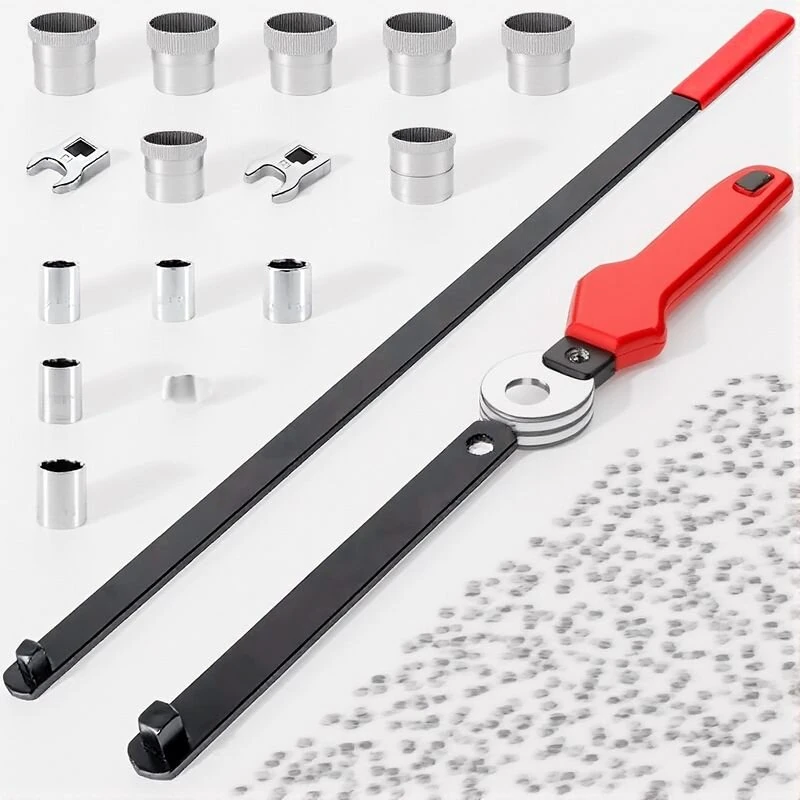
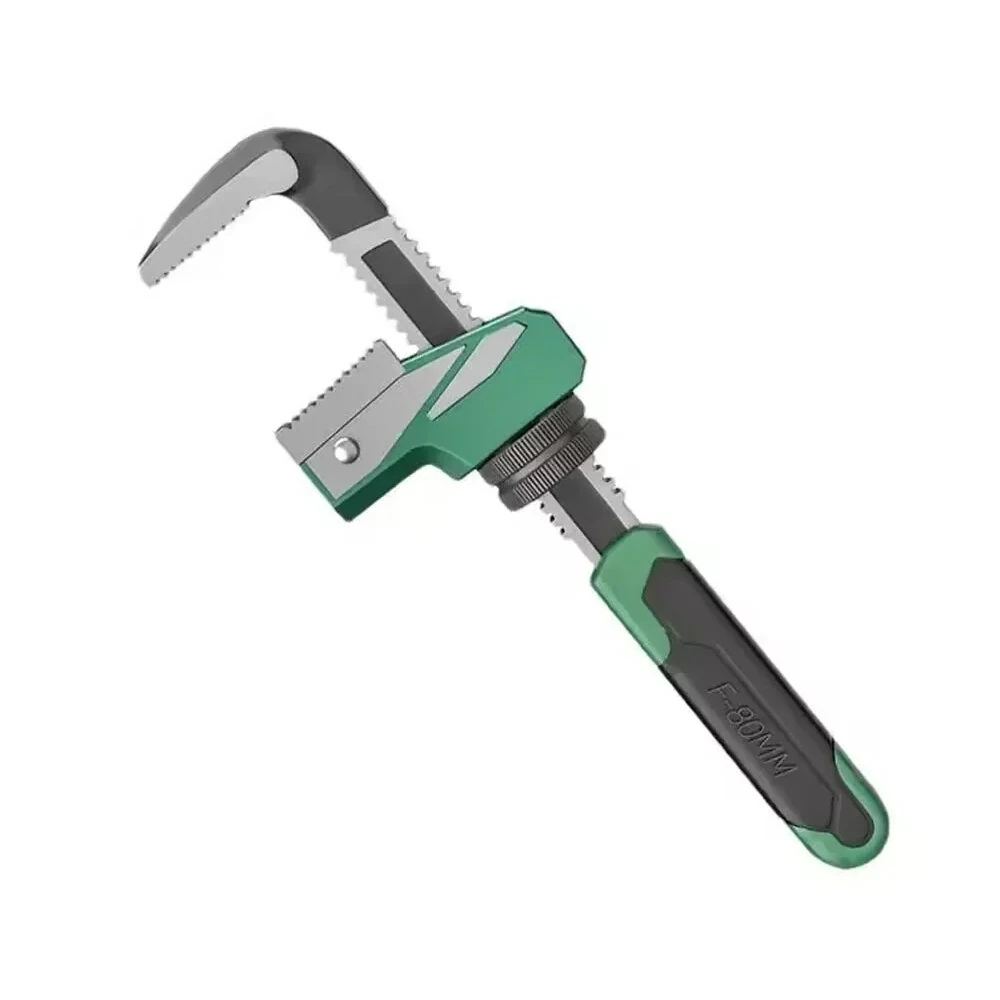
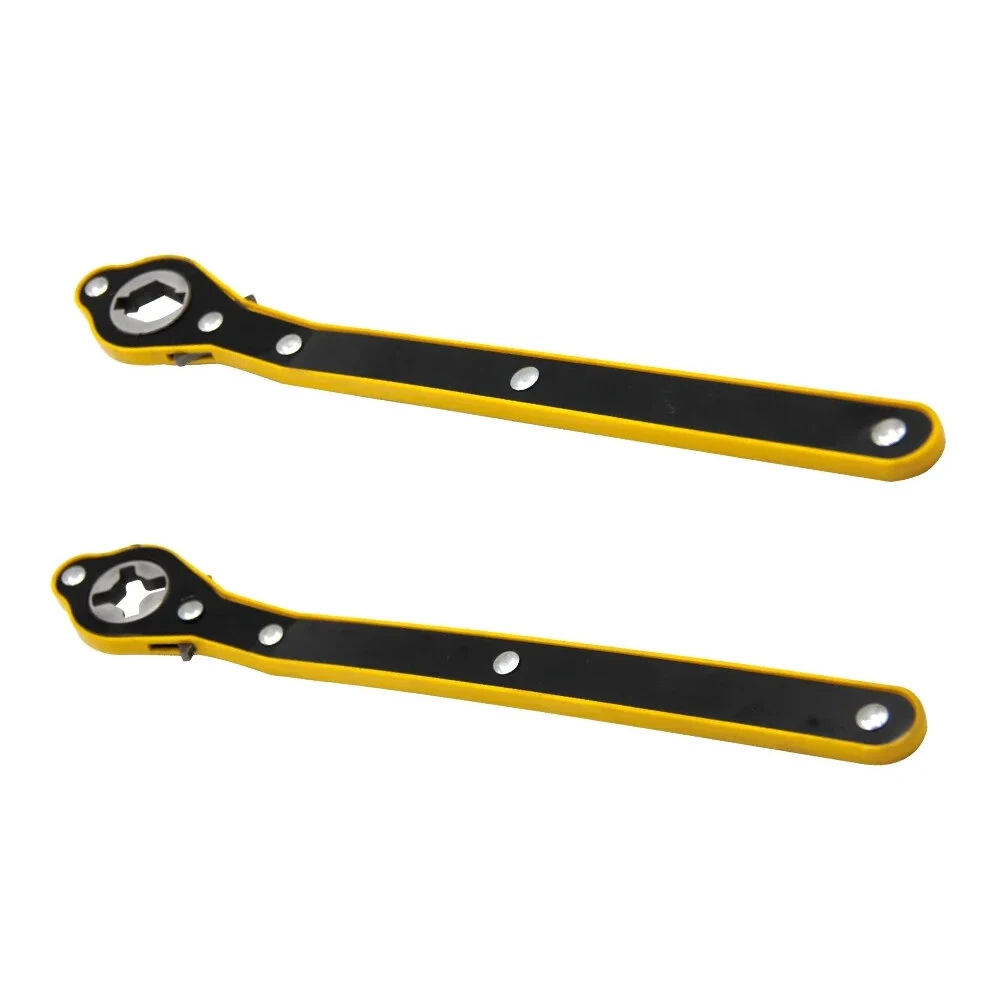
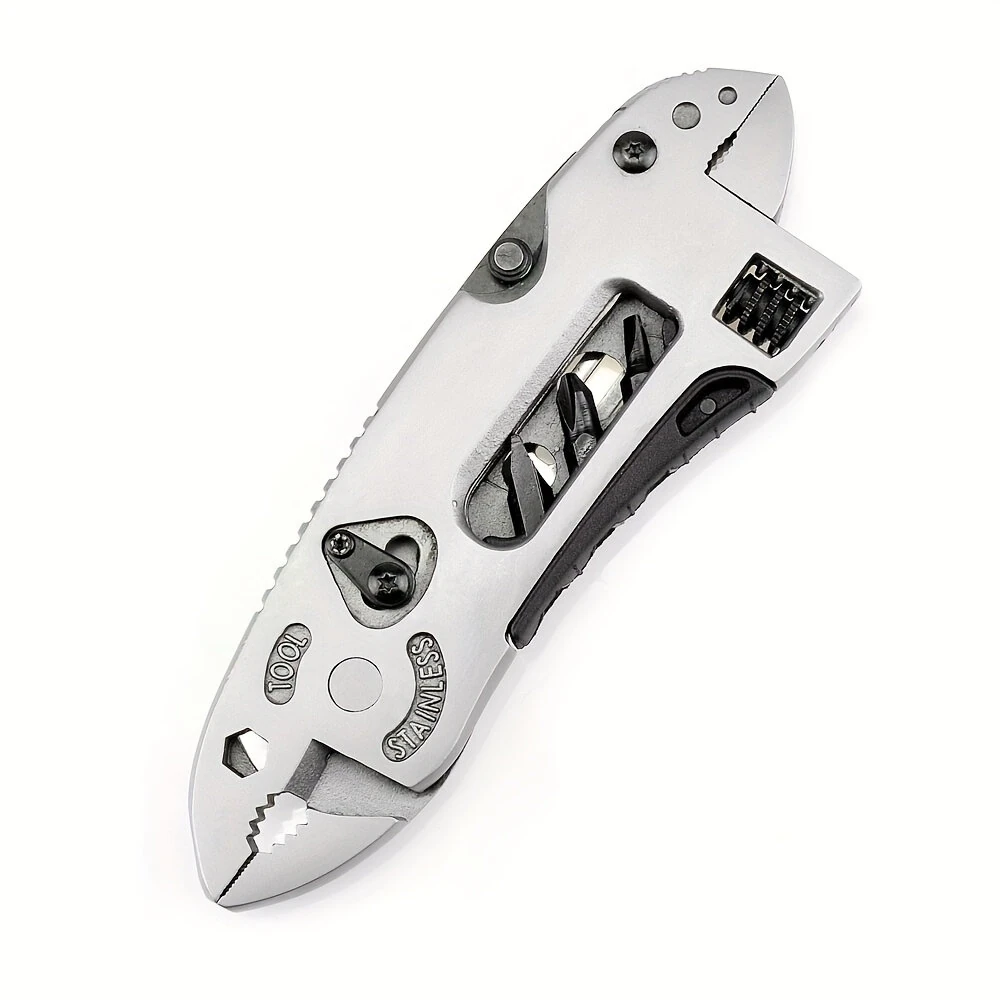
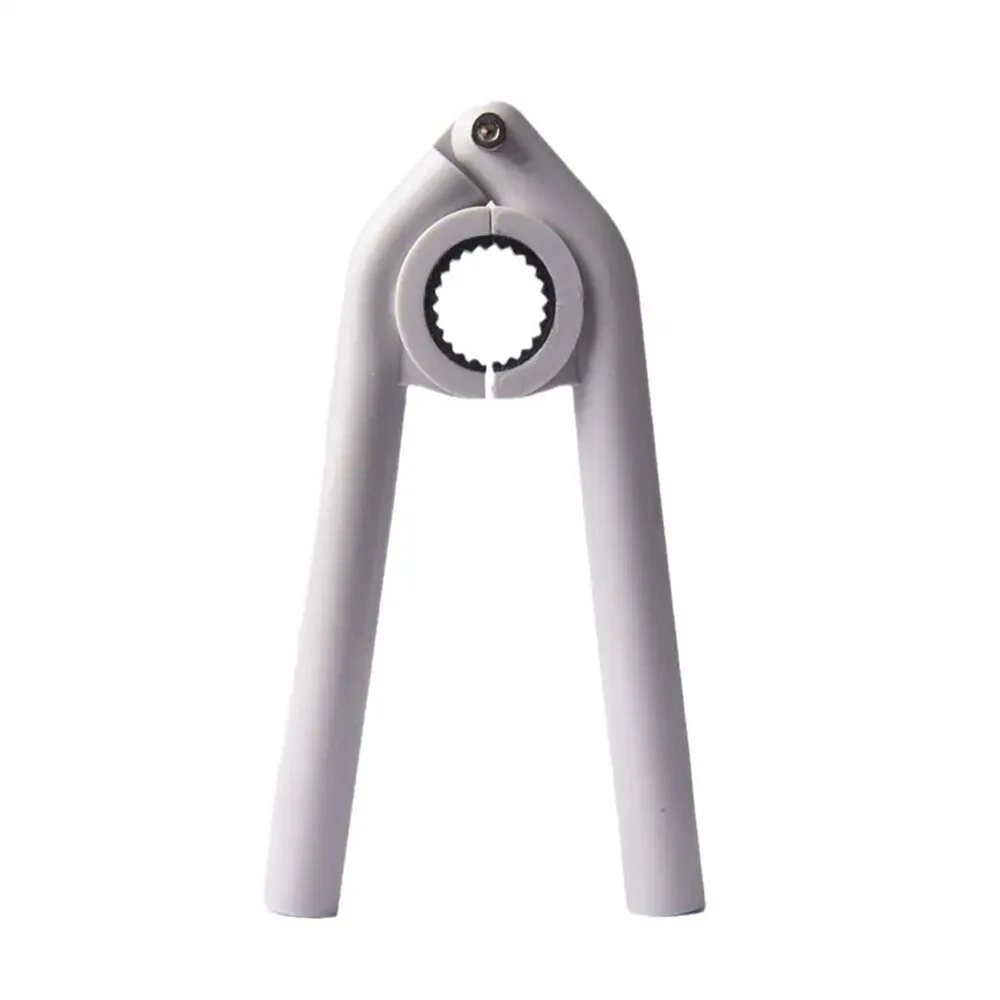
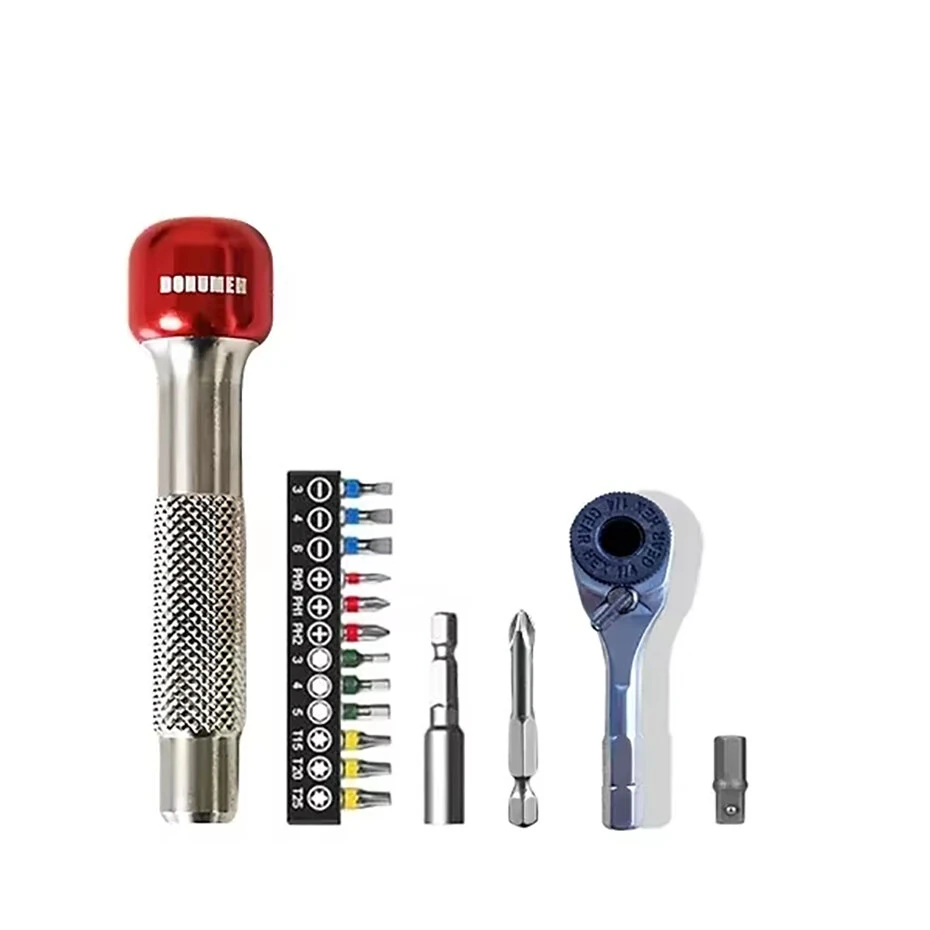
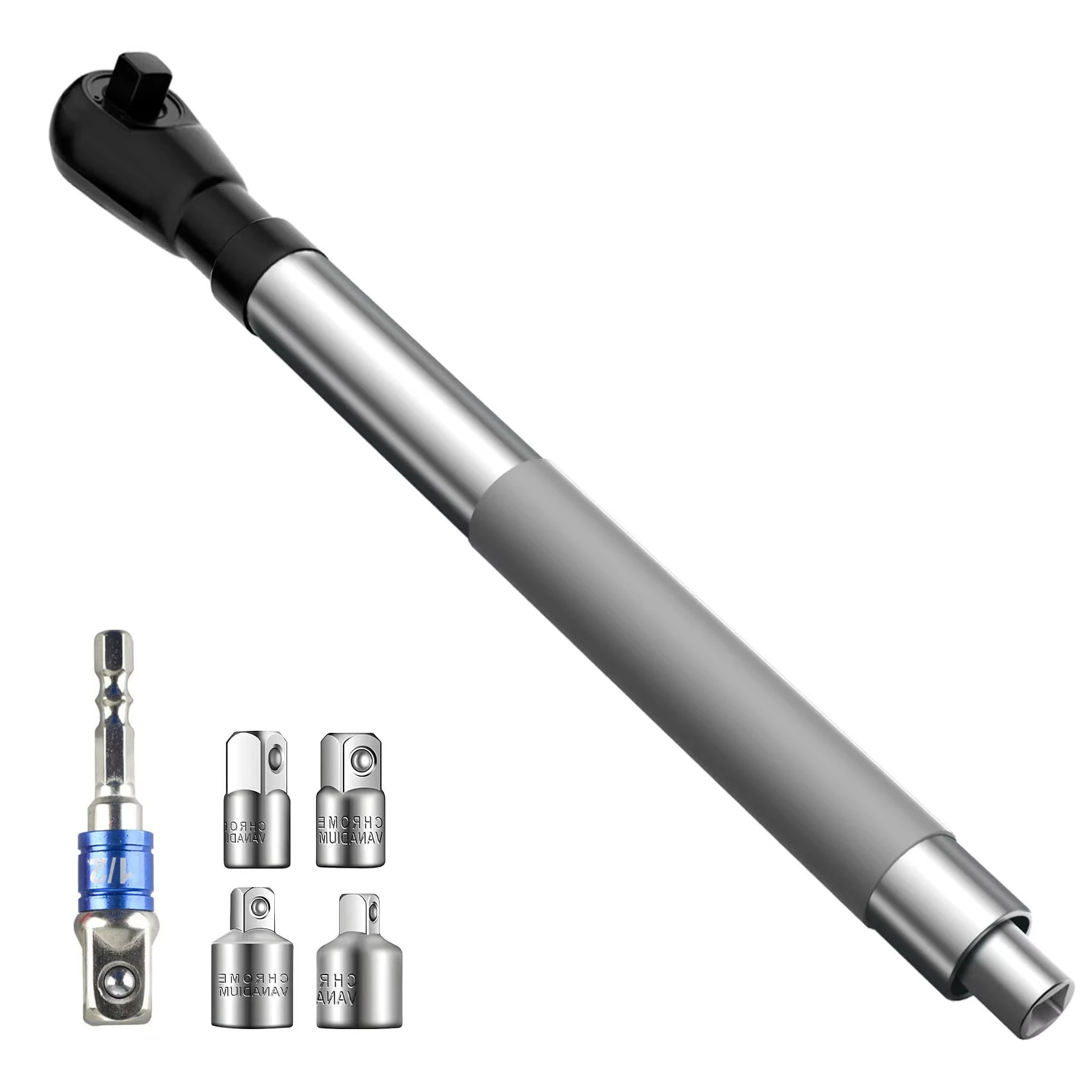
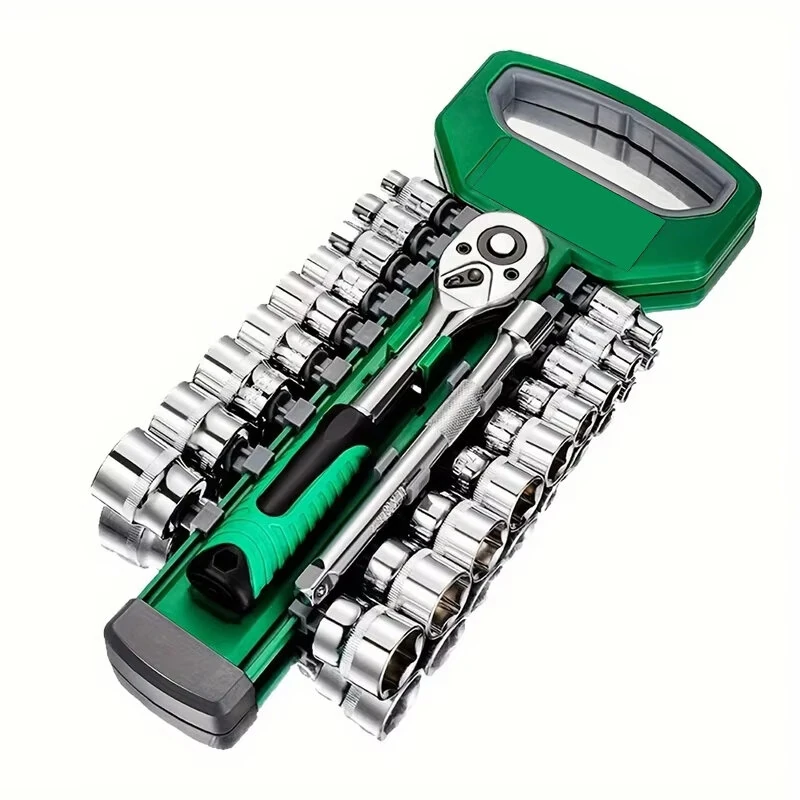
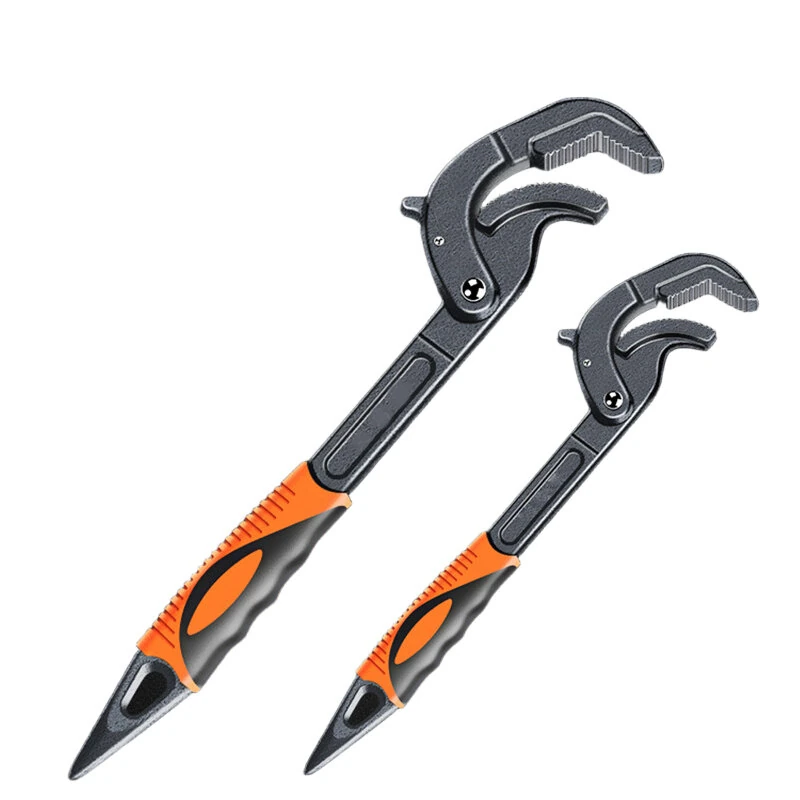
Wrenches are the cornerstone of any toolkit, essential for gripping, turning, and tightening fasteners like nuts and bolts. From simple home repairs to complex automotive and industrial applications, having the right wrench is critical for efficiency, safety, and achieving the proper torque. This category encompasses a diverse range of tools, each engineered for specific tasks and fastener types. Understanding the key varieties is the first step to building a versatile and reliable collection. Among the most common are combination wrenches, featuring an open-end on one side and a box-end on the other, offering flexibility for various scenarios. Socket wrenches, used with a ratchet handle, provide superior speed and access in tight spaces, making them indispensable for mechanics. Adjustable wrenches offer a one-size-fits-many solution, though they lack the precision of fixed-size tools. For critical applications where exact tightness is paramount, such as engine or bicycle work, a torque wrench is a non-negotiable specialty tool. The benefits of investing in quality wrenches are numerous: they prevent fastener rounding, reduce user fatigue, increase work speed, and ensure connections are secure and safe. Modern advancements include ratcheting box-end wrenches for confined areas and tools made from chrome vanadium steel for exceptional strength and corrosion resistance. Whether you're a DIY enthusiast tackling a weekend project or a professional technician, selecting the appropriate wrench type directly impacts the success and quality of your work.
Choosing the right wrench set depends on your typical projects. For general home use, a starter set of combination wrenches (metric, SAE, or both) and a socket set with a ratchet is highly recommended. Professionals will need more comprehensive sets in specific drive sizes (1/4", 3/8", 1/2") and often invest in tool truck brands for durability. Key considerations include material (look for alloy steel), finish (chrome for corrosion resistance), and ergonomics (comfortable grip). FAQ: **Q: What's the difference between SAE and metric wrenches?** A: SAE (Standard American) sizes are in inches, common on older US-made equipment. Metric sizes are in millimeters, used on most modern vehicles and machinery. Many users need both. **Q: When do I need a torque wrench?** A: For any task requiring a specific tightness to prevent under or over-tightening, like lug nuts, cylinder heads, or carbon fiber components. **Q: Are ratcheting wrenches worth it?** A: Absolutely. They save significant time and effort by not requiring you to lift and reposition the wrench on the fastener with each turn, especially in tight spaces. Always match the wrench to the fastener size exactly to avoid damage and ensure personal safety.