Precision gauges are the cornerstone of quality control and dimensional inspection in manufacturing, engineering, and machining. These specialized measurement tools are designed to verify the exact dimensions, tolerances, and geometric profiles of components with exceptional accuracy, ensuring every part meets stringent specifications. In industries ranging from aerospace and automotive to medical device manufacturing, the reliability of a precision gauge directly impacts product performance, safety, and compliance.
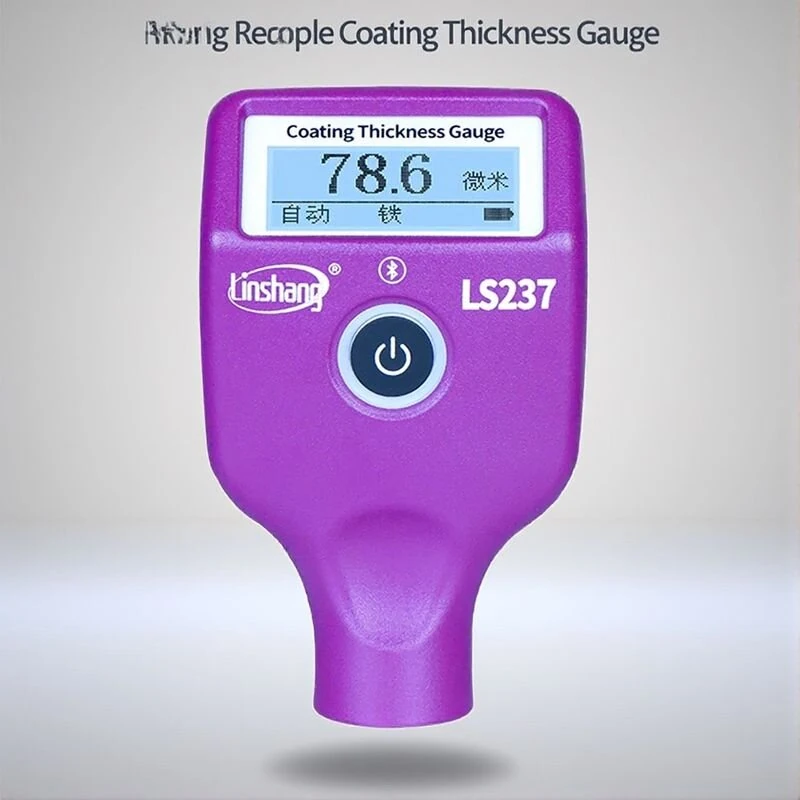
Key products within this essential category include dial indicators for measuring linear displacement, bore gauges for determining internal diameters, and plug gauges for fast go/no-go checks of hole sizes. Thickness gauges are vital for material verification, while thread gauges ensure fastener compatibility. Modern precision gauges often feature digital readouts for ease of use, data output capabilities for statistical process control (SPC), and robust constructions from hardened steel or carbide to withstand demanding workshop environments.
The primary benefit of investing in high-quality precision gauges is the assurance of consistency. They eliminate guesswork, reduce scrap and rework, and help maintain tight production tolerances. This leads to improved product quality, enhanced customer satisfaction, and significant long-term cost savings. Whether for routine inspection, final quality assurance, or process setup, the right gauge provides the definitive data needed to make confident manufacturing decisions and uphold the highest standards of precision engineering.
Choosing the right precision gauge requires careful consideration of your specific application. First, identify the critical dimension you need to measure—be it internal diameter, external size, depth, or thread profile. Next, determine the required resolution and accuracy; typical gauges offer accuracies down to microns or ten-thousandths of an inch. Consider the measurement range and the material of the workpiece, as this may influence the gauge's contact point material (e.g., carbide tips for wear resistance).
FAQ: **What is the difference between a plug gauge and a bore gauge?** A plug gauge is a fixed-size tool for a rapid pass/fail check, while a bore gauge is a variable measuring instrument that provides an exact dimensional reading. **How often should precision gauges be calibrated?** Regular calibration is crucial. The frequency depends on usage, but annual calibration is a common industry standard to maintain traceability and accuracy. **Are digital gauges better than analog?** Digital gauges offer easier reading, data output, and often higher resolution, but analog dial indicators are prized for their durability and direct visual trend indication. Always source gauges from reputable manufacturers and ensure they come with a valid calibration certificate for guaranteed precision.