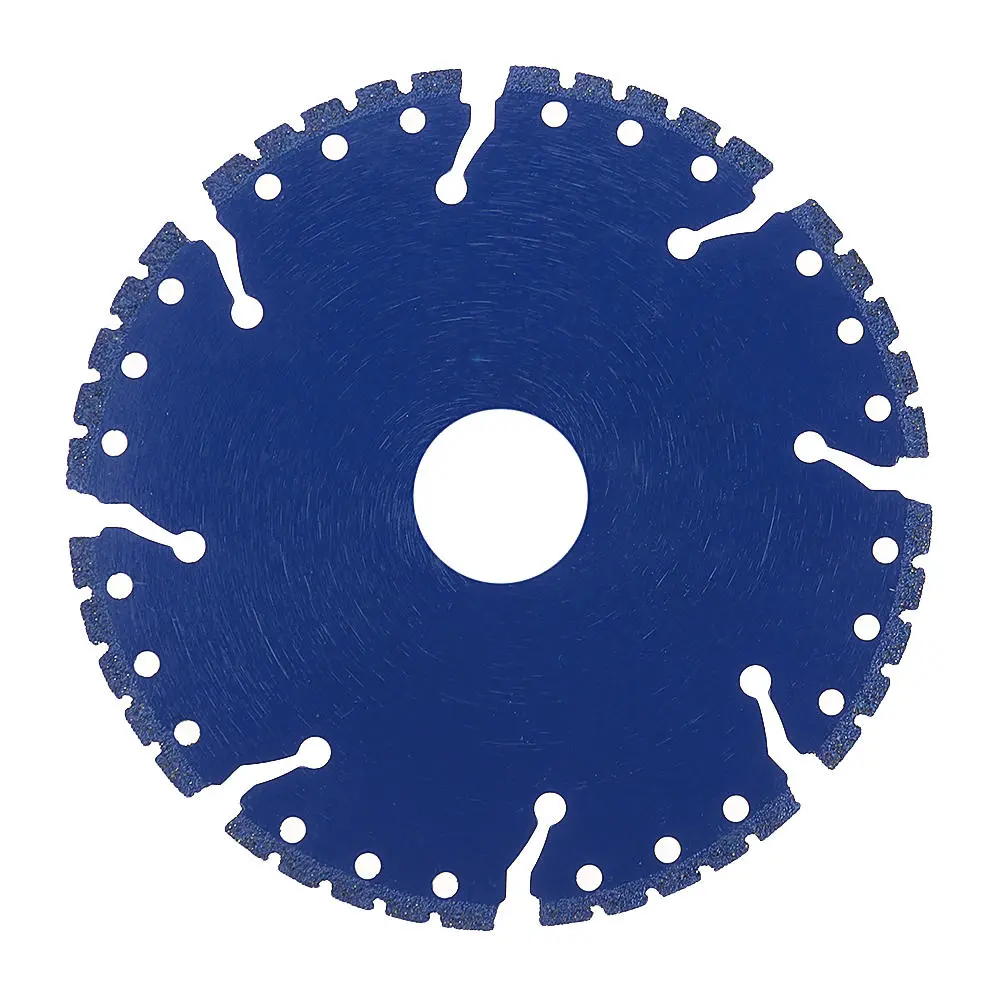
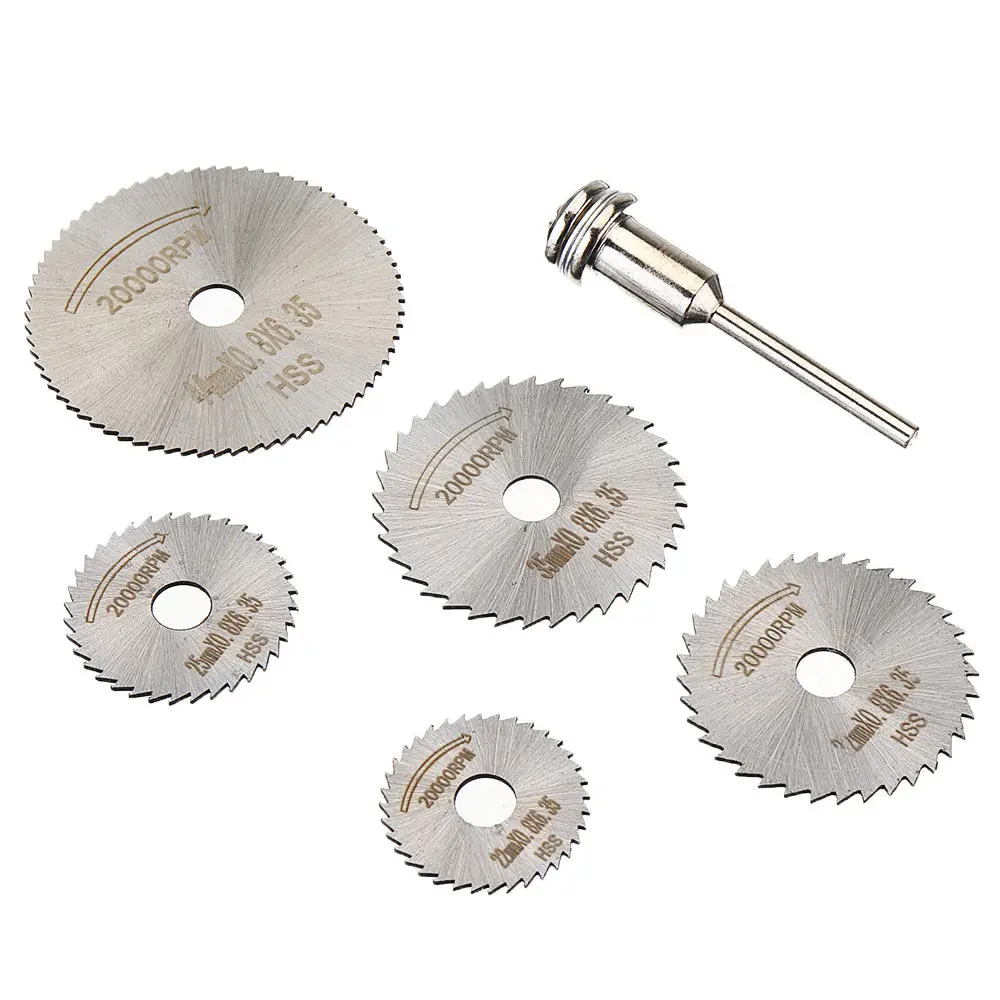
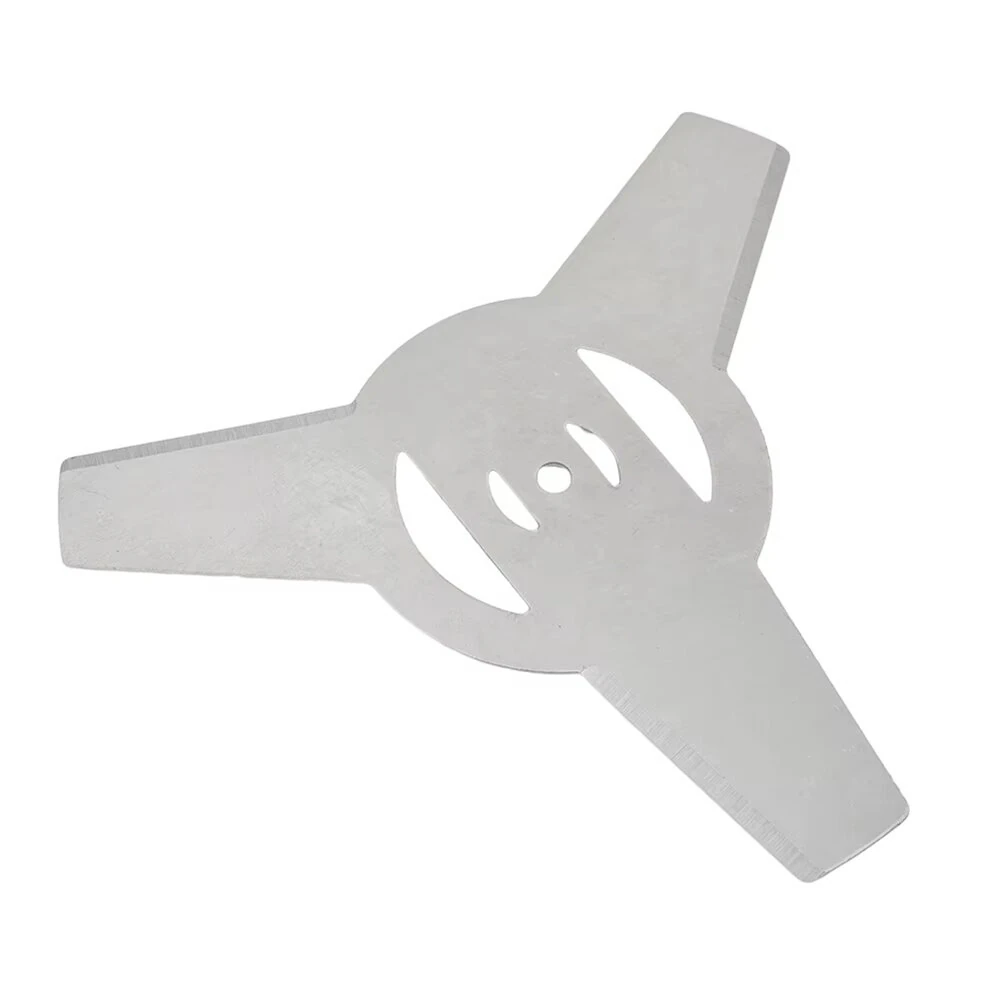
Choosing the right saw blade is the single most important factor in achieving clean, precise, and efficient cuts in any project. Far more than just a sharp accessory, the blade is the heart of your cutting operation, directly influencing the quality of your finish, the speed of your work, and the safety of your tools. This category encompasses a vast array of specialized blades designed for specific materials and saw types, ensuring you have the perfect tool for the job. Key products include circular saw blades for fast rip and crosscuts in lumber, table saw blades known for their smooth finish on fine woodworking, and jigsaw blades for intricate curves and shapes. For tougher materials, metal cutting blades, often featuring specialized tooth geometry and coatings, provide the durability needed to slice through steel, aluminum, or pipes. The primary benefits of selecting a high-quality, purpose-built blade are undeniable: you'll experience reduced tear-out and splintering, especially on veneers and laminates; significantly longer blade life thanks to carbide-tipped teeth; less strain on your power tool's motor; and ultimately, a professional-grade result every time. Whether you're a DIY enthusiast building a deck or a professional carpenter crafting cabinetry, understanding this category is essential for unlocking the full potential of your saw.
**Buying Guide & FAQ:**
**1. What should I consider when buying a saw blade?** Focus on four key specs: Material (wood, metal, masonry), Tooth Count (fewer teeth for faster, rougher cuts; more teeth for smoother, slower cuts), Arbor Size (must match your saw's spindle), and Tooth Material (carbide-tipped is standard for durability).
**2. How do I choose between a 24-tooth and an 80-tooth blade?** Use a 24-tooth blade for ripping lumber quickly. An 80-tooth blade is ideal for crosscutting plywood or fine finish work where a smooth edge is critical. A 40-50 tooth combination blade offers a great all-purpose compromise.
**3. Can I use one blade for wood and metal?** No. Using a wood blade on metal is extremely dangerous and will ruin the blade. Always use a blade specifically rated for the material you are cutting.
**4. How do I know when to replace my blade?** Look for signs like increased cutting resistance, burning marks on the wood, a noticeable decline in cut quality (more tear-out), or visibly chipped or missing carbide tips. Regular cleaning can extend blade life significantly.
Investing in the correct saw blade transforms your work, making projects easier, safer, and more professional. Match the blade to your material and desired finish for best results.