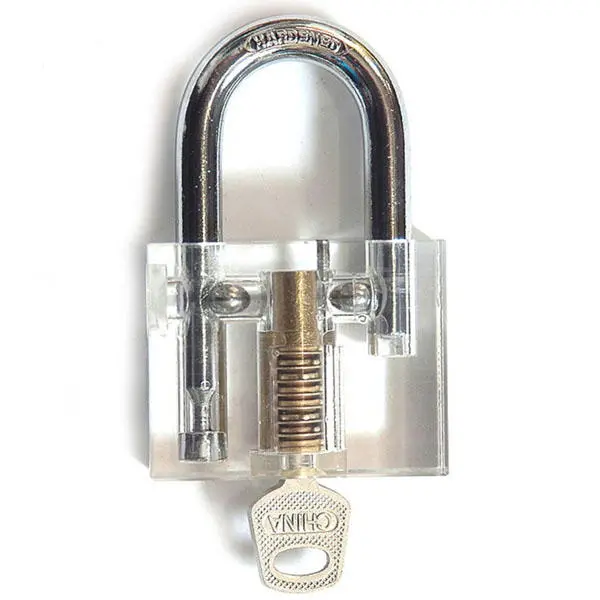
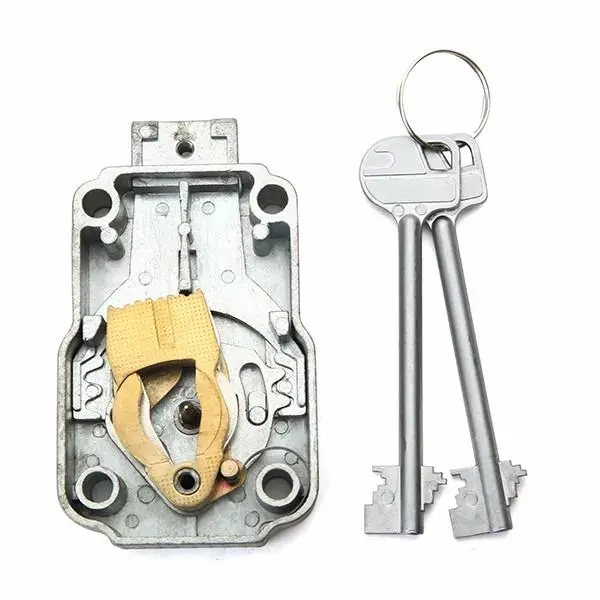
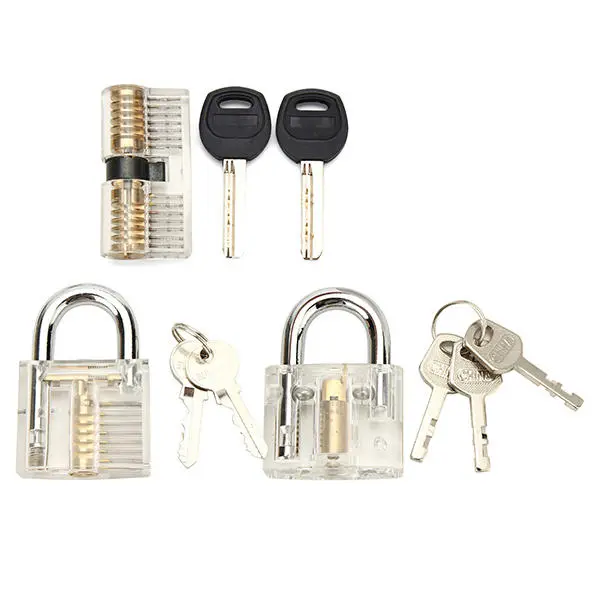
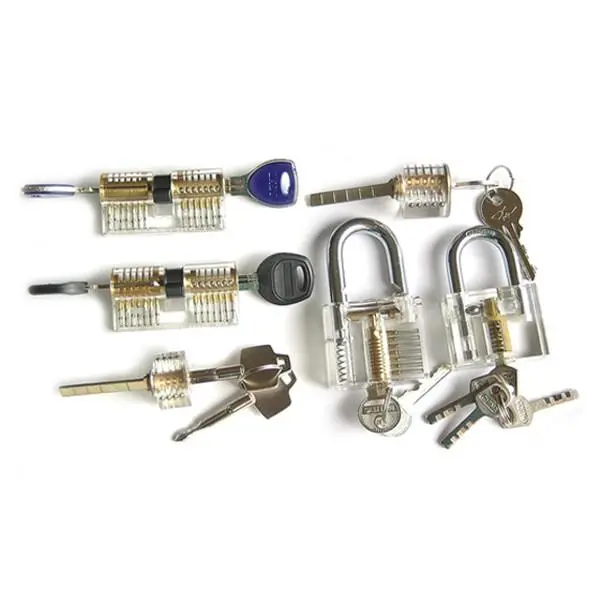
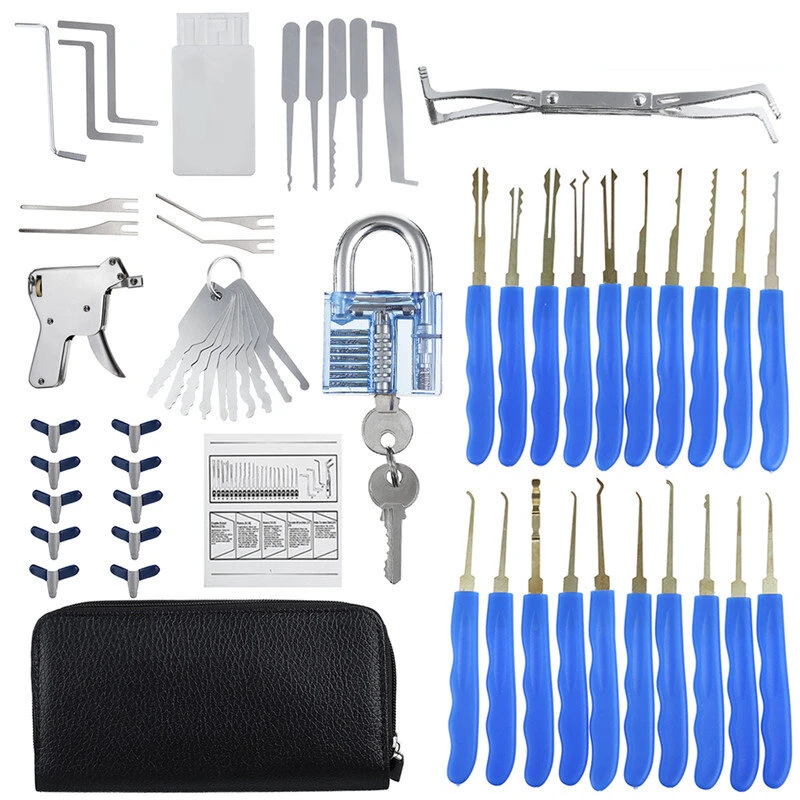
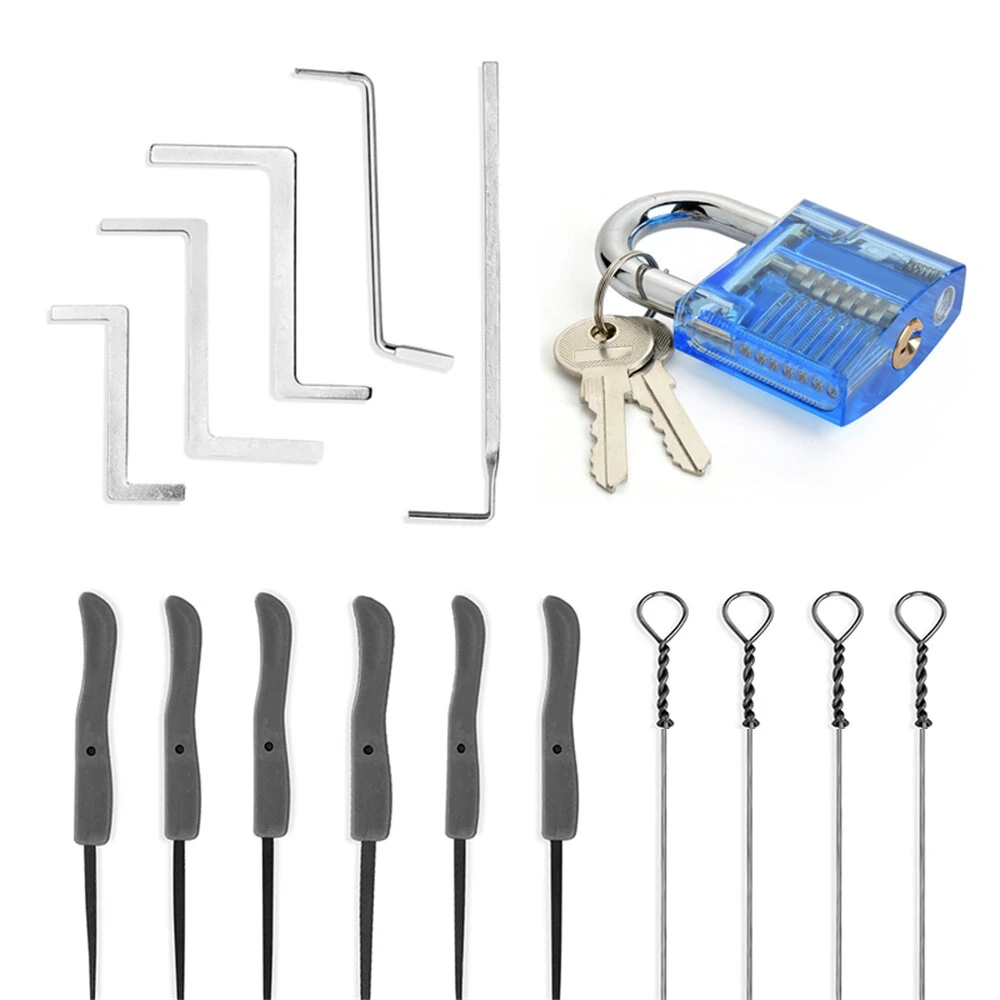
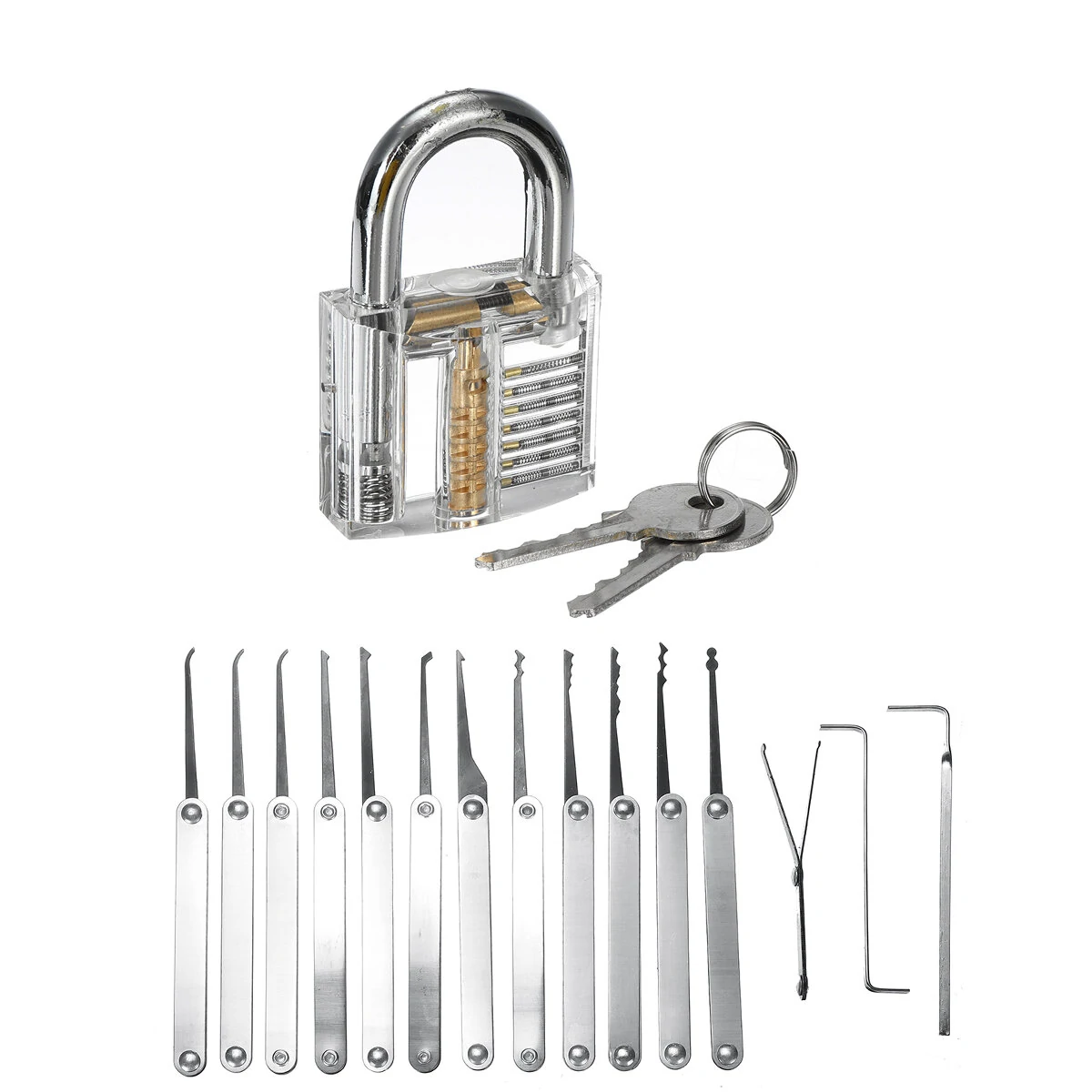
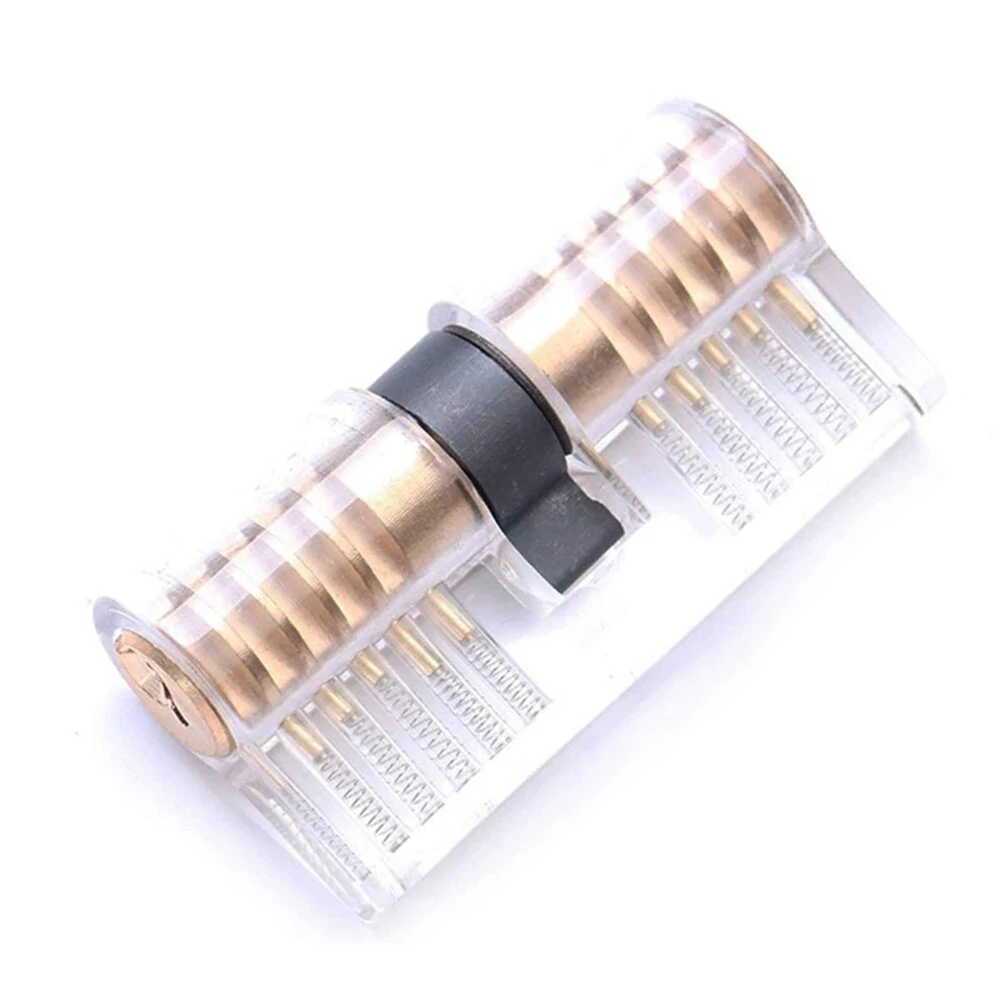
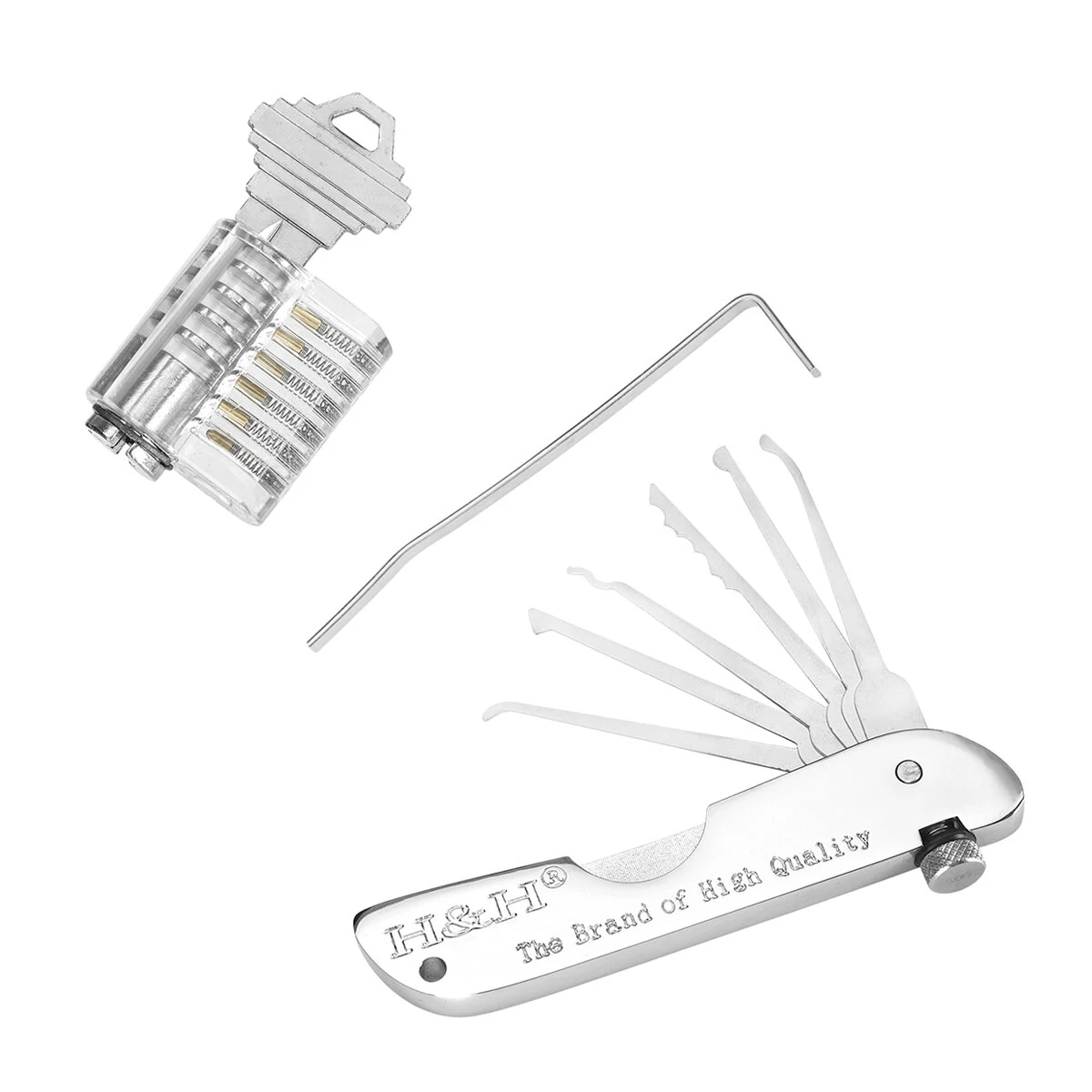
For aspiring locksmiths, security professionals, or hobbyists, practice padlocks are the essential foundation for developing real-world skills in a safe, legal, and controlled environment. These specialized training tools are designed to replicate the internal mechanisms of real-world locks, allowing users to learn the art of lock picking, decoding, and disassembly without damaging functional security hardware. Unlike standard padlocks, practice models often feature clear or cutaway sides, providing a visual window into the pin tumbler system, making it easier to understand how tension and picking tools interact with driver pins, key pins, and springs.
Key products in this category include beginner-friendly cutaway padlocks that show pin movement in real-time, progressive lock sets that increase in difficulty with security pins (spools, serrated, mushrooms), and fully disassemblable practice locks that come with tweezers and spare parts for endless reassembly. The primary benefit is accelerated, hands-on learning. By feeling and seeing the feedback from different pin types, users develop the essential tactile sensitivity and technical knowledge required for professional locksmithing or ethical penetration testing. These tools are also invaluable for security consultants and law enforcement personnel who need to understand physical security vulnerabilities.
Investing in a range of practice padlocks builds a comprehensive skill set. Starting with a simple 4-pin standard model and progressing to a 6-pin lock loaded with security pins creates a structured learning path. High-quality practice locks are precisely machined to mimic the feel of genuine locks, ensuring skills translate directly to real-world scenarios. Whether you're enrolled in a locksmith course, preparing for a certification, or exploring a fascinating hobby, practice padlocks provide the safe, repeatable, and effective training platform necessary for mastery.
**Choosing the Right Practice Padlock: A Quick Guide**
**Start Simple:** Beginners should opt for a clear or cutaway padlock with standard pins. Visual feedback is crucial for understanding basic mechanics before relying solely on touch.
**Progress with Pins:** Once comfortable, move to practice locks with security pins. Look for sets that allow you to re-pin the lock yourself, enabling you to create custom difficulty levels and learn each pin type individually.
**Consider Disassembly:** For deep learning, a practice lock with a disassembly kit (like the common 'Schlage' style training locks) is ideal. Taking a lock apart and reassembling it builds unparalleled understanding of its components and function.
**FAQ:**
**Q: Are practice padlocks the same as real padlocks?**
A: They are functionally identical in mechanism but are intended for training. Many have viewing windows or are sold with tools for easy repinning and reuse.
**Q: Can I use these skills on any lock?**
A: The core principles of pin-tumbler locks are universal. Skills learned on quality practice padlocks directly apply to many door locks, padlocks, and other similar mechanisms, providing a strong foundation for real-world application. Always practice ethically and on locks you own or have explicit permission to manipulate.