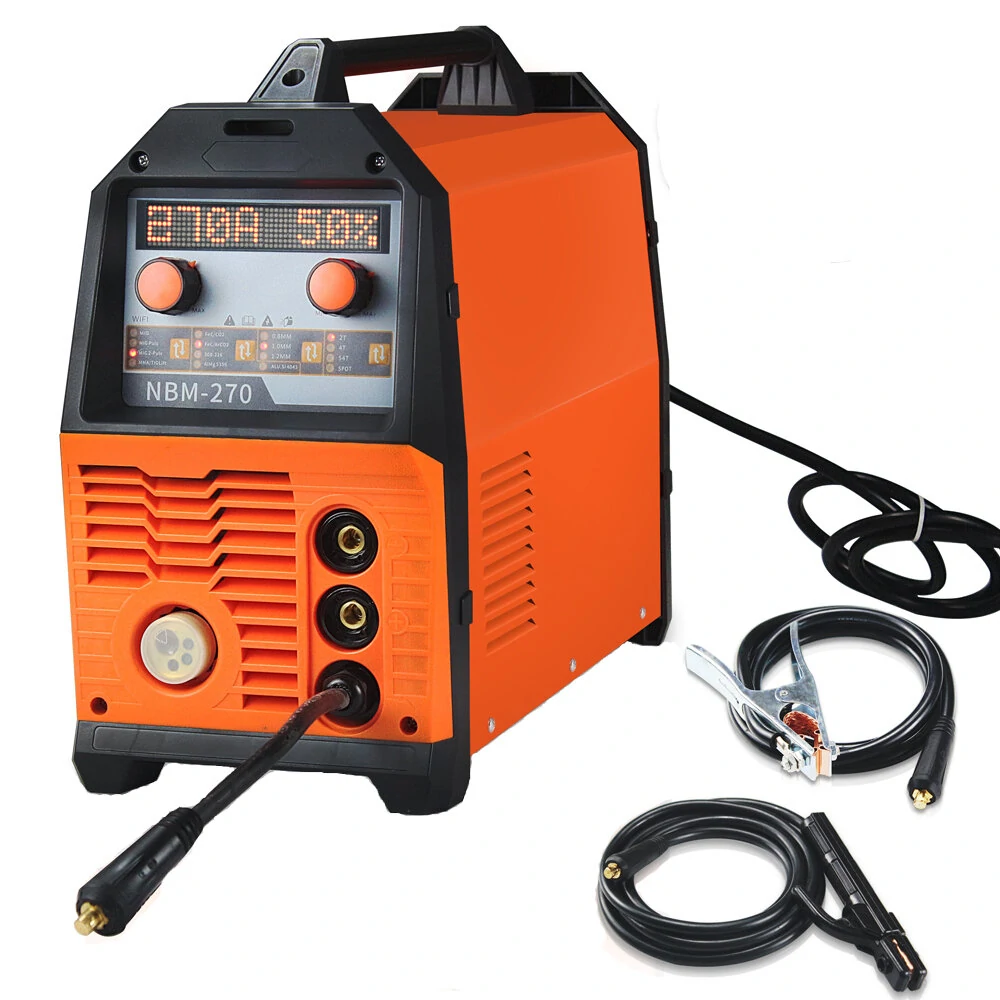
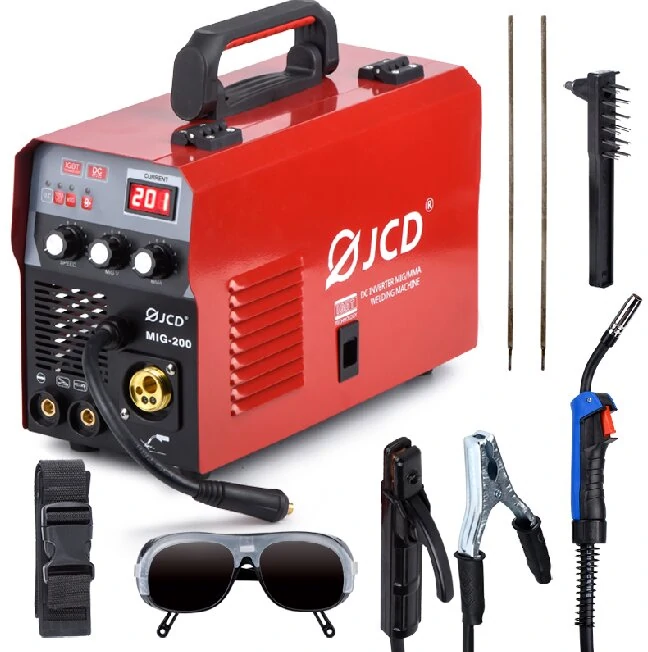
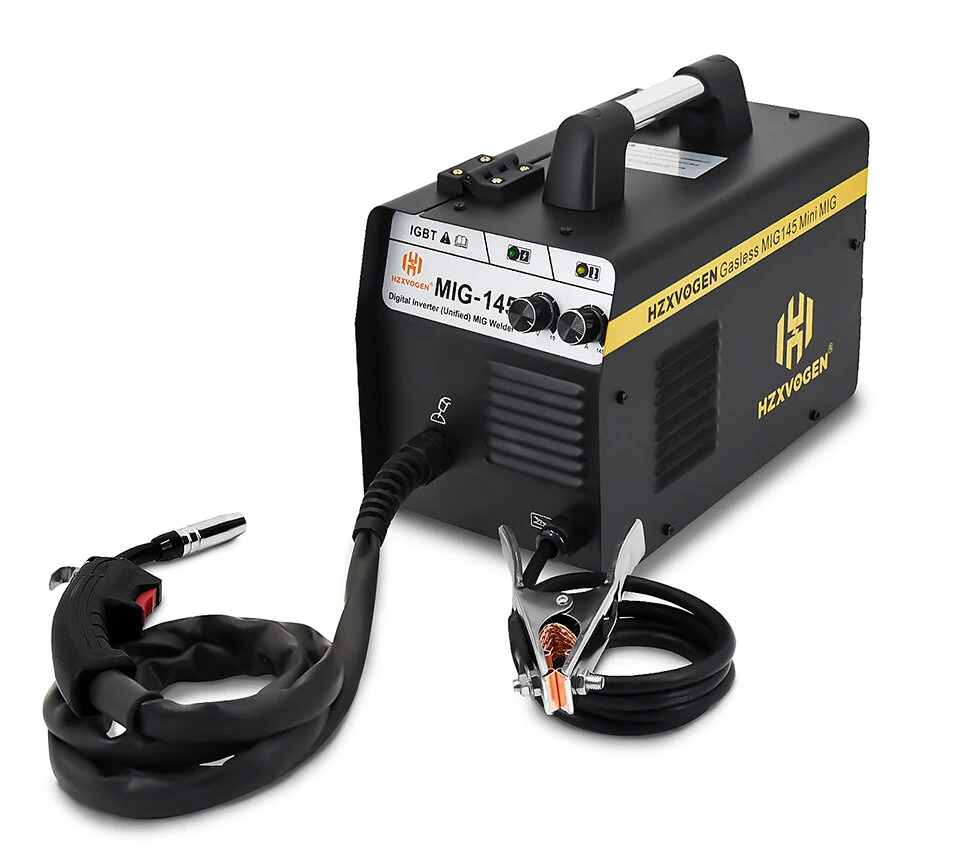
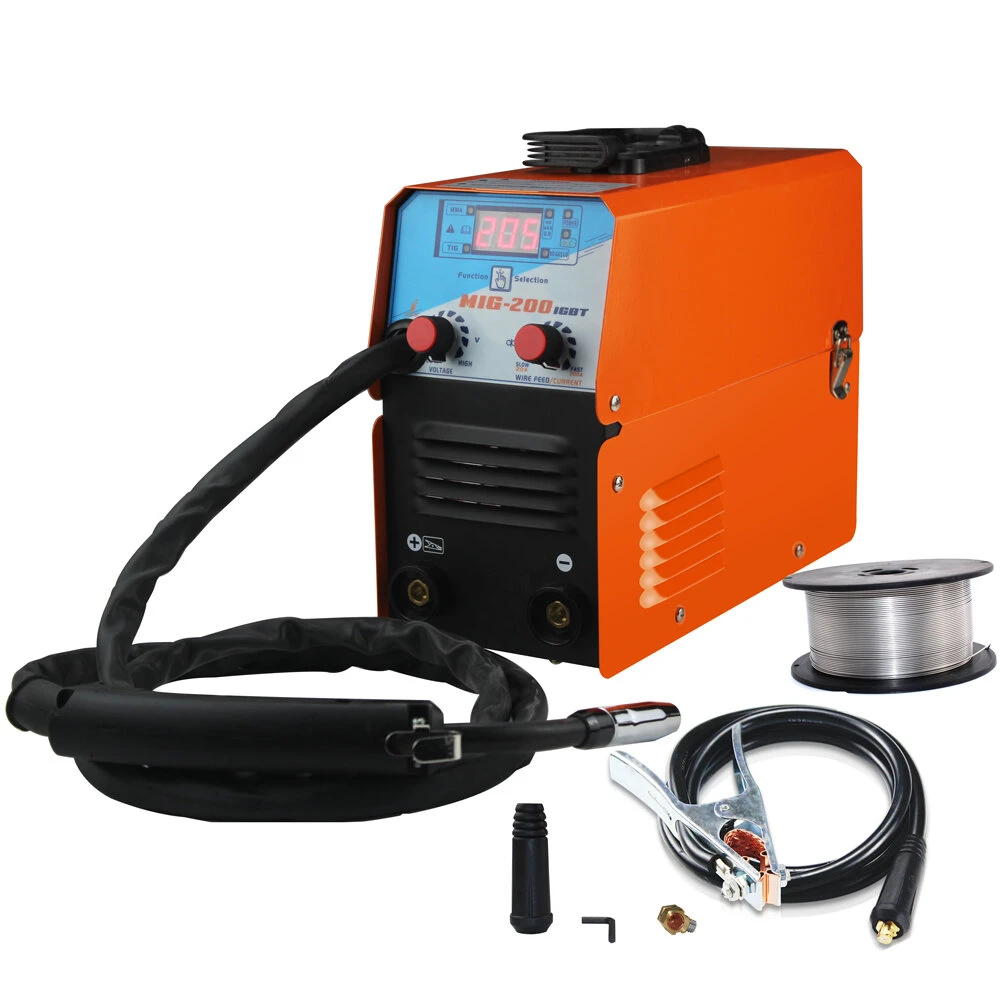
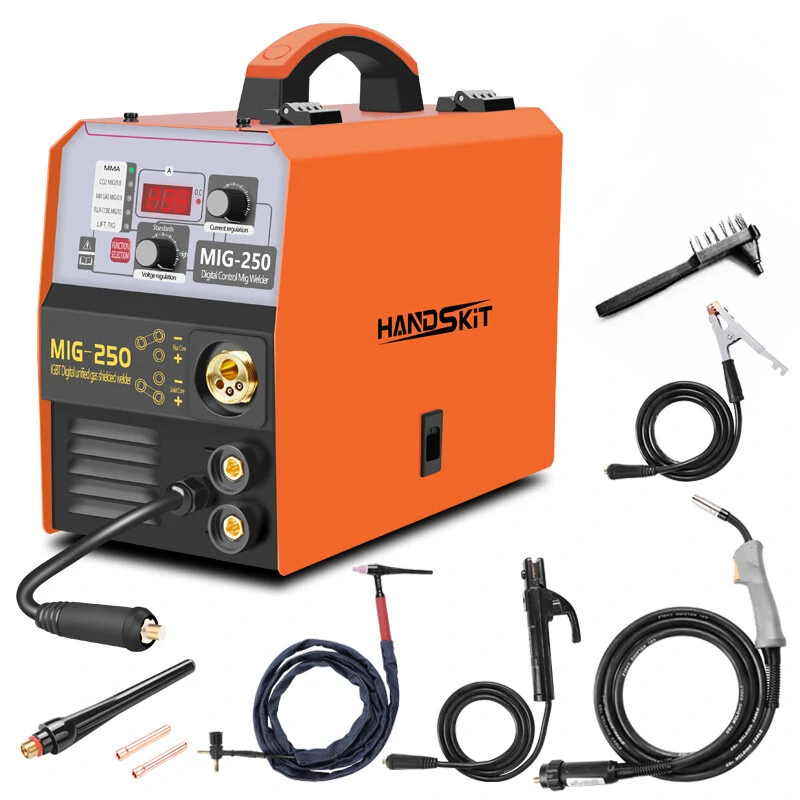
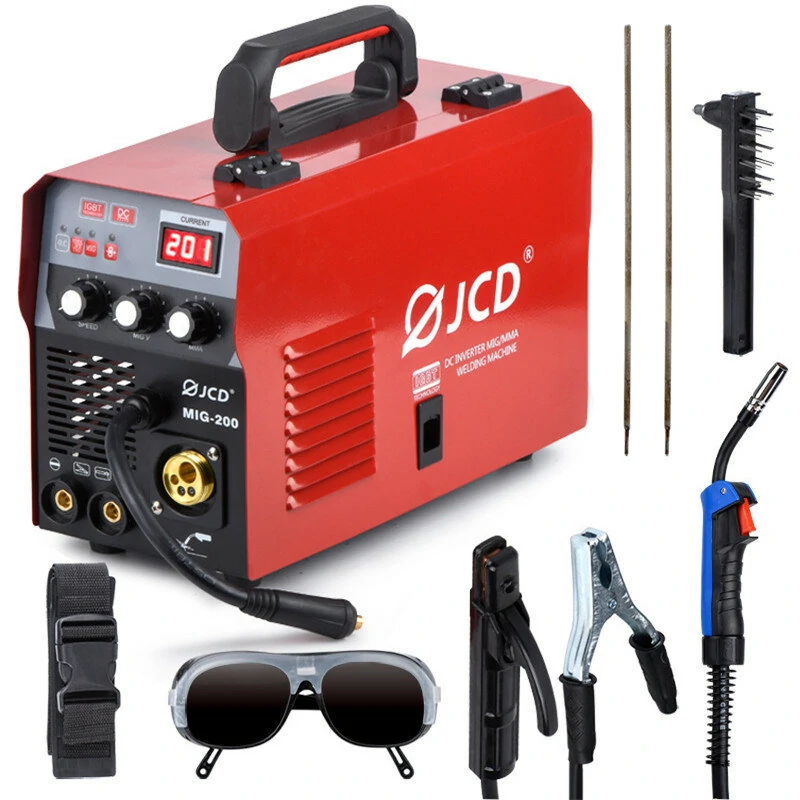
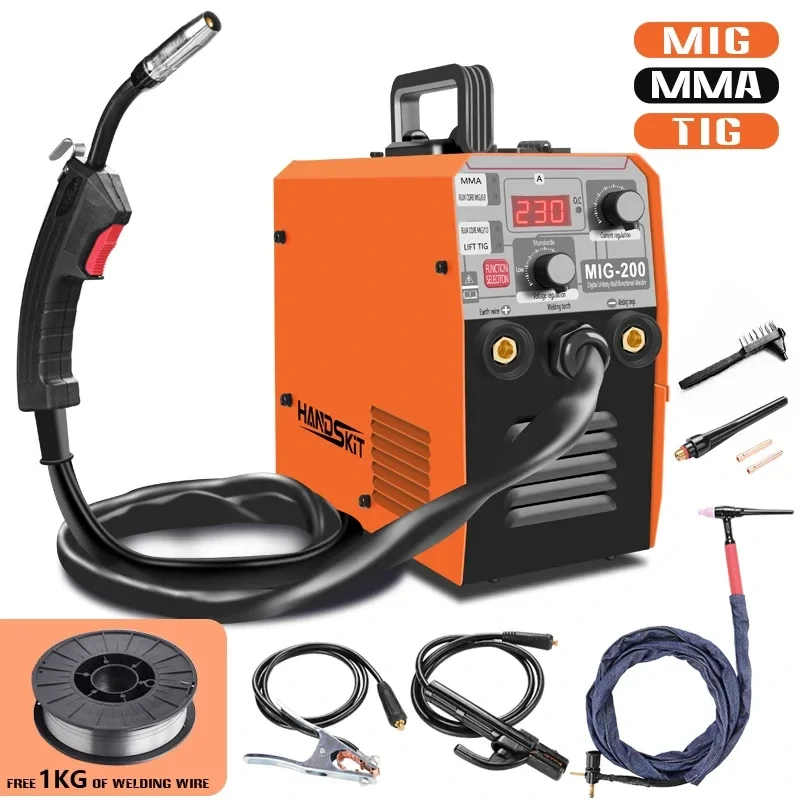
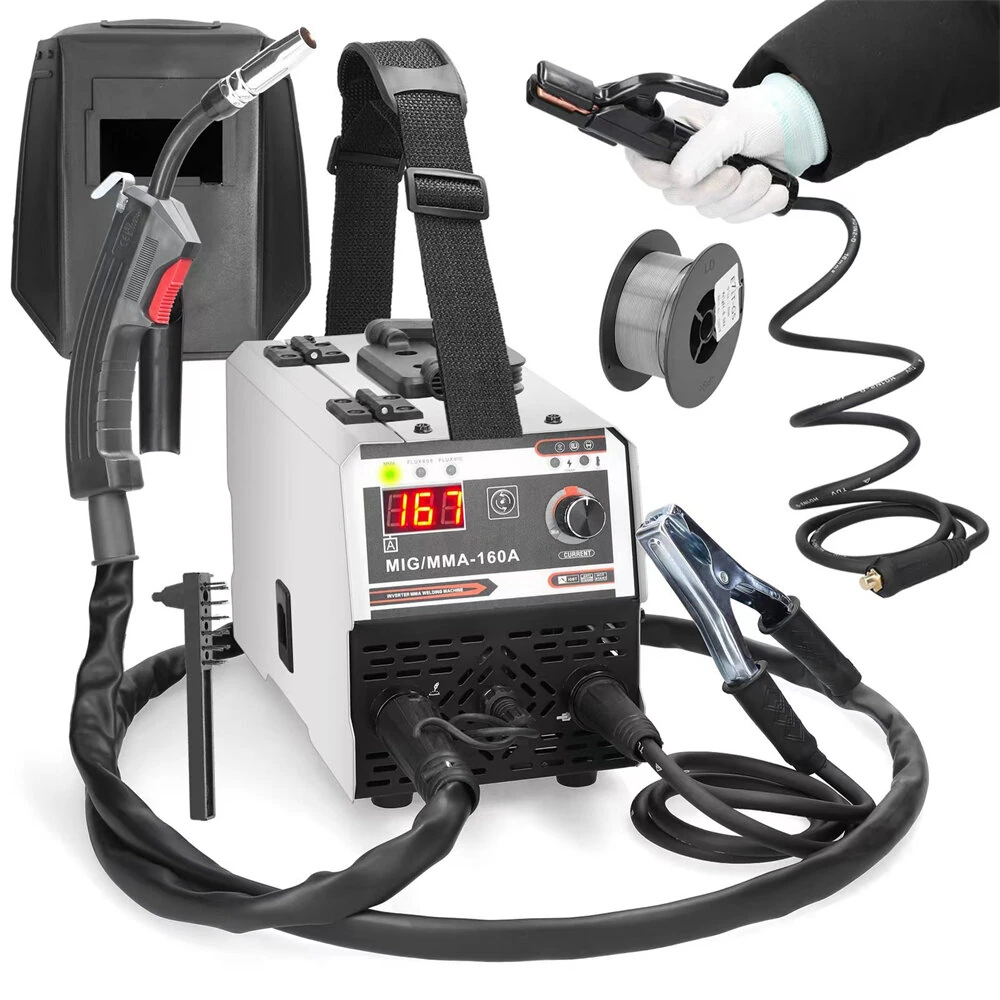
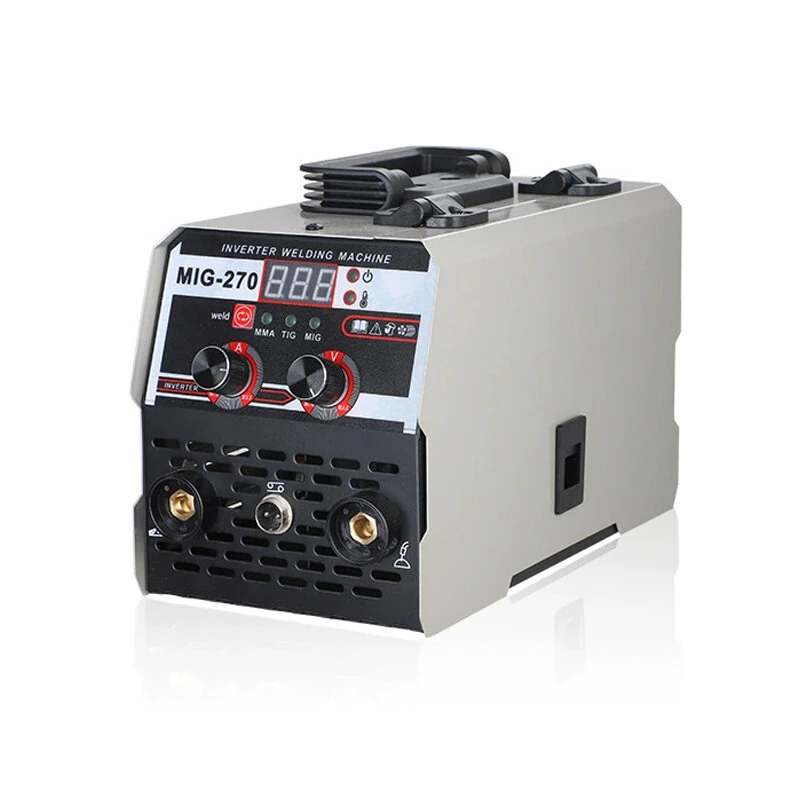
MIG (Metal Inert Gas) welding is the go-to process for countless hobbyists, fabricators, and professionals seeking fast, clean, and strong welds. Known for its ease of use and versatility, a MIG welder uses a continuously fed wire electrode and a shielding gas (or gasless flux-core wire) to create durable joints on a wide range of metals, including mild steel, stainless steel, and aluminum. This makes it an indispensable tool for automotive repair, home projects, metal art, and industrial fabrication. The core appeal lies in its simplicity; with a bit of practice, even beginners can achieve professional-looking results. Modern MIG welders come in various types to suit different needs. For home workshops and DIY enthusiasts, compact 110V/120V models offer ample power for light to medium-duty tasks, often featuring easy-to-use controls and portability. For more demanding applications like fabrication shops or thicker materials, industrial 220V/240V MIG welders deliver the higher amperage and duty cycle required for prolonged use. A key decision point is choosing between gas-shielded and gasless (flux-core) models. Gas-shielded MIG welding with solid wire produces the cleanest welds with minimal spatter and is ideal for indoor work on clean metal. Gasless flux-core welders are perfect for outdoor projects, windy conditions, or on slightly rusty materials, as the wire itself creates the shielding. Many modern multi-process machines combine MIG, Stick, and sometimes TIG welding capabilities in one unit, offering incredible flexibility for growing workshops. When selecting a MIG welder, consider the material thickness you'll work with most often, your available power supply, and desired features like adjustable voltage and wire speed, thermal overload protection, and a built-in gas solenoid for seamless gas-shielded welding.
Choosing the right MIG welder depends on your specific needs. Start by assessing your primary projects: are you doing thin auto body panels, heavy structural steel, or general repairs? For most DIYers, a 140-amp machine running on 120V can weld up to 1/4-inch steel and is a versatile starting point. Professionals tackling thicker materials will need a 200-amp or higher 240V machine. FAQ: **Q: What's the difference between gas and gasless MIG welding?** A: Gas MIG uses an external tank of argon/CO2 mix and solid wire for clean, spatter-free welds, best indoors. Gasless uses flux-core wire that creates its own shield, ideal for outdoors or windy areas. **Q: Can I weld aluminum with a standard MIG welder?** A: Yes, but you typically need a spool gun or push-pull gun to feed the soft aluminum wire reliably, and 100% argon shielding gas. **Q: What does 'duty cycle' mean?** A: It's the number of minutes out of a 10-minute period a welder can operate at a given amperage before needing to cool. A 30% duty cycle at 150 amps means you can weld for 3 minutes, then cool for 7. For frequent use, a higher duty cycle is crucial. Always prioritize safety with proper PPE—a auto-darkening welding helmet, gloves, and a fire-resistant jacket are essential. Investing in a quality MIG welder from a reputable brand ensures reliability, good support, and superior results for years of productive welding.