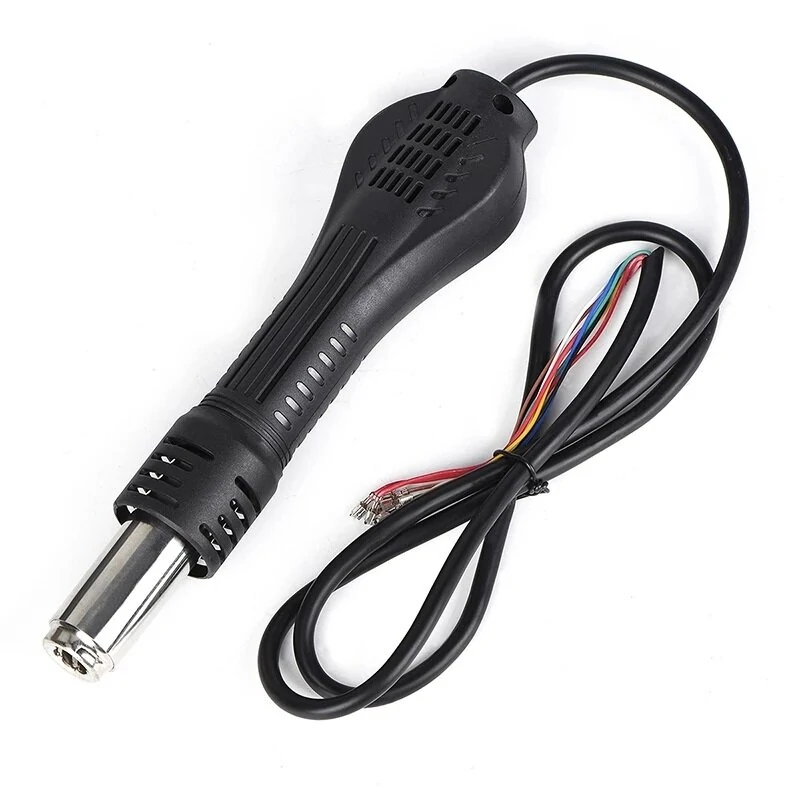
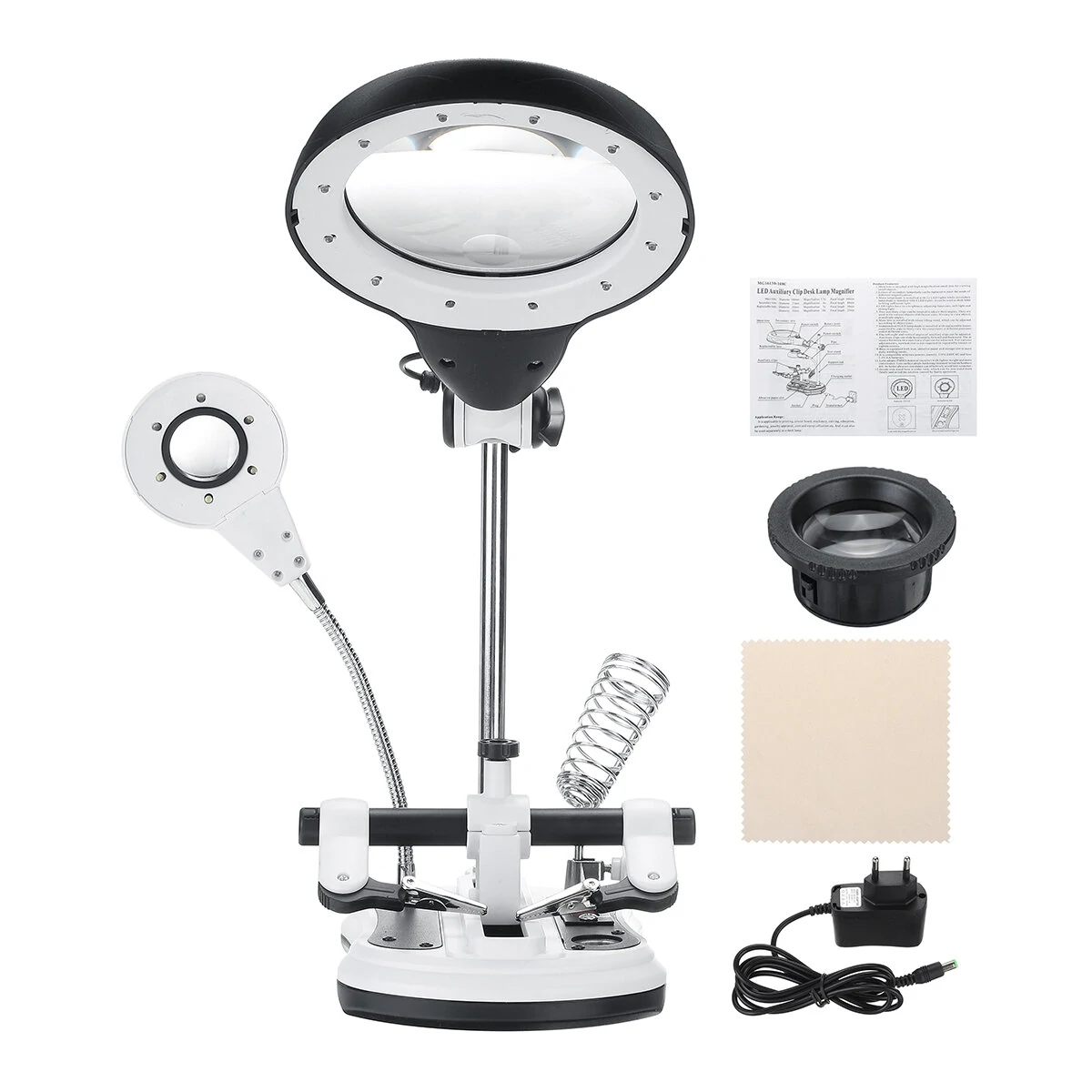
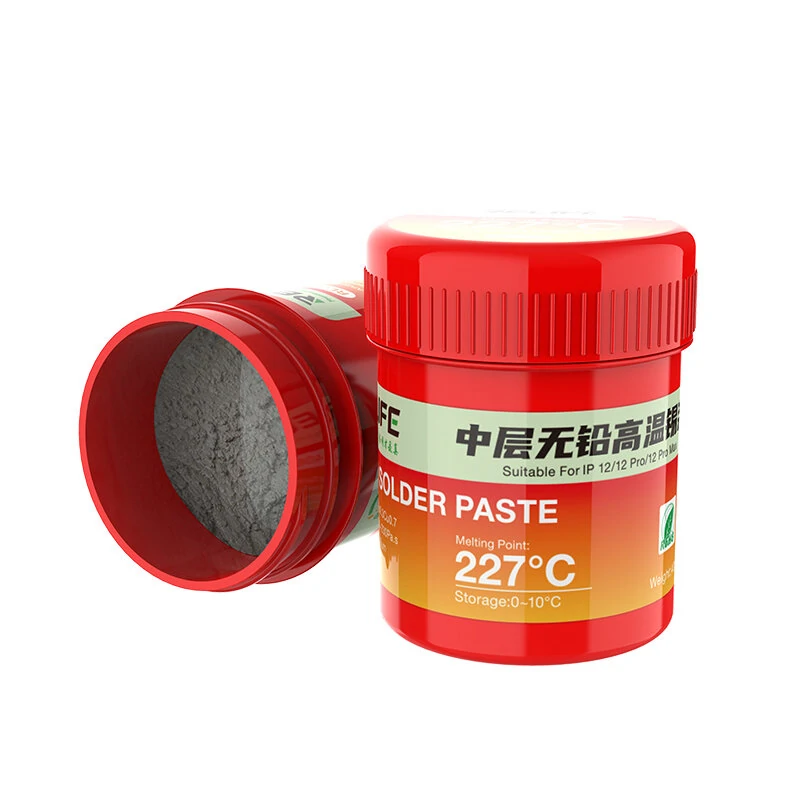
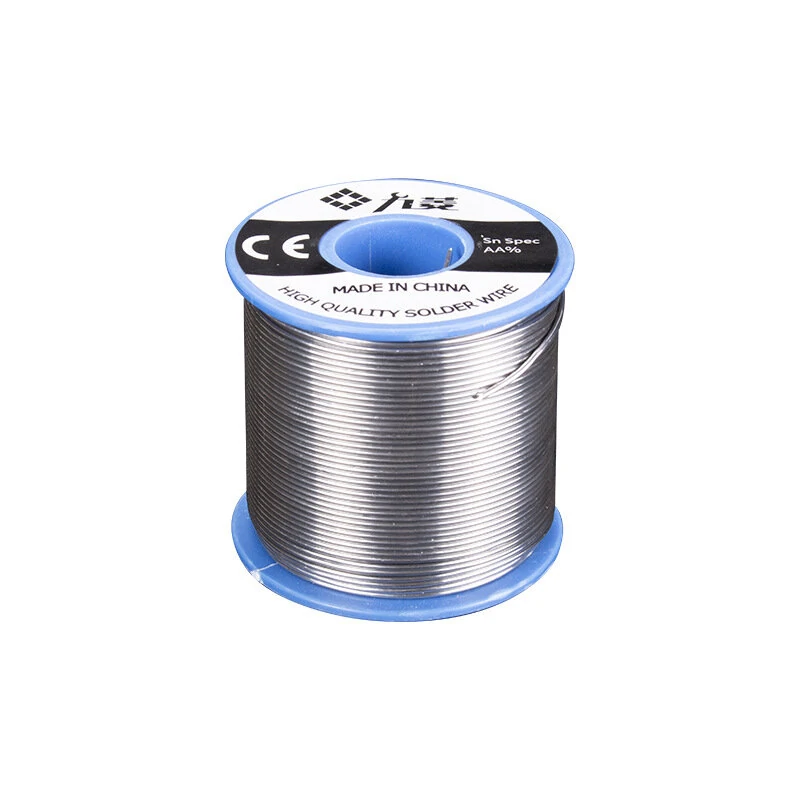
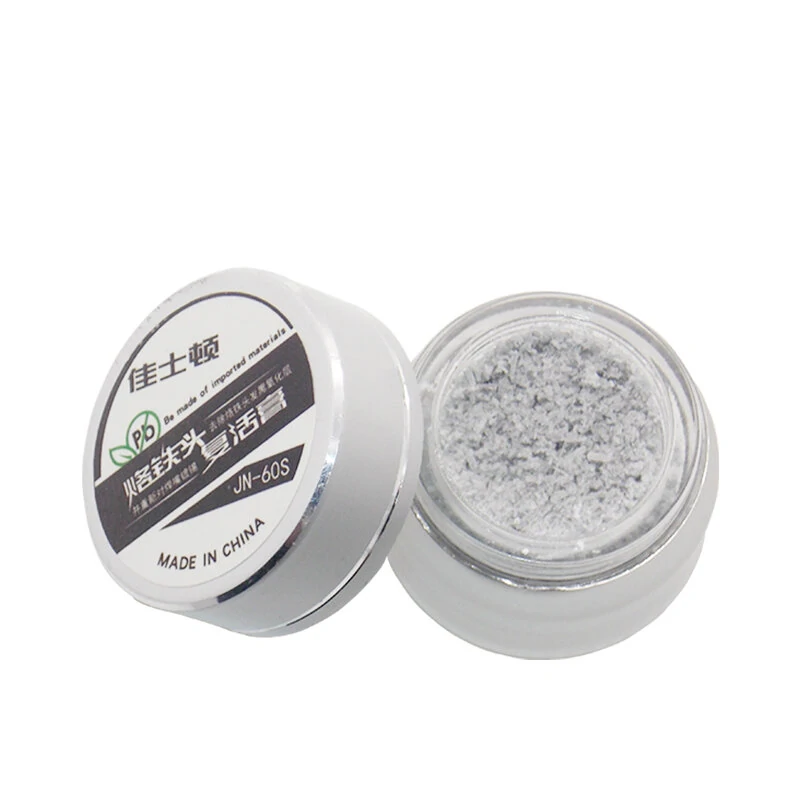
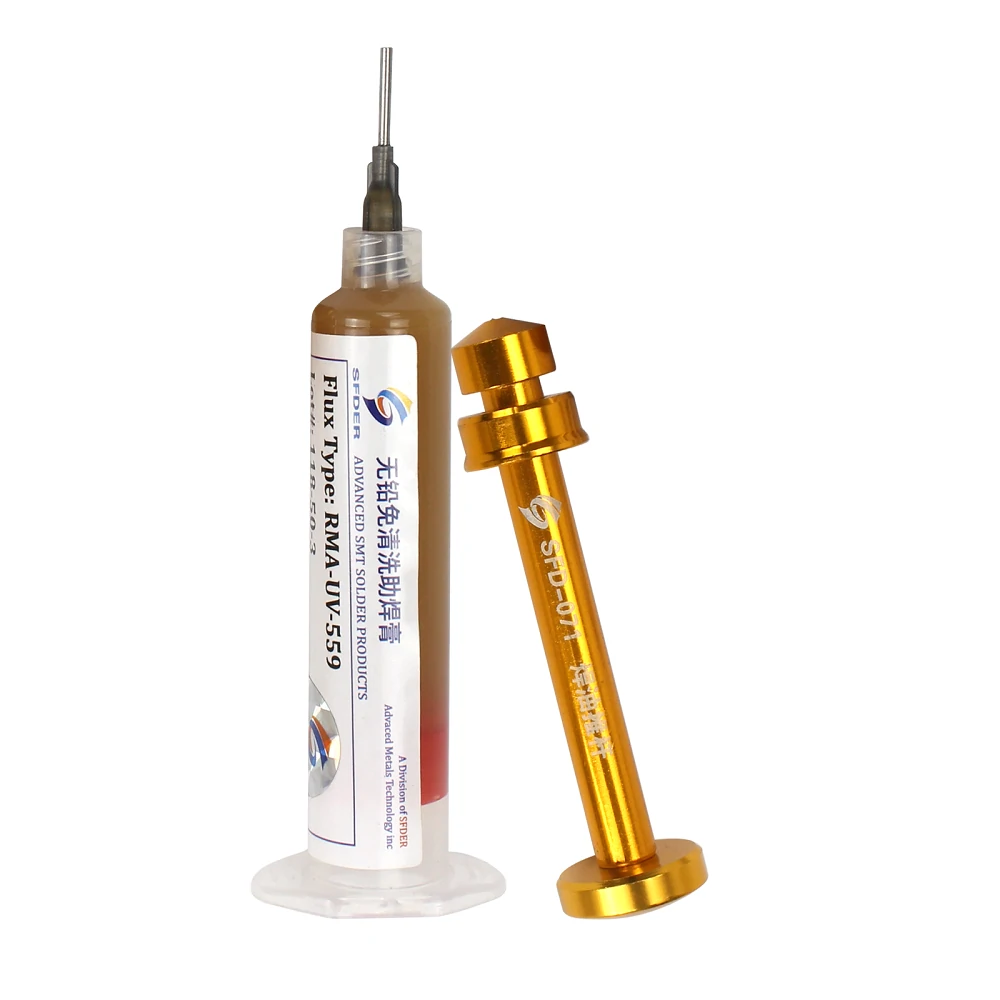
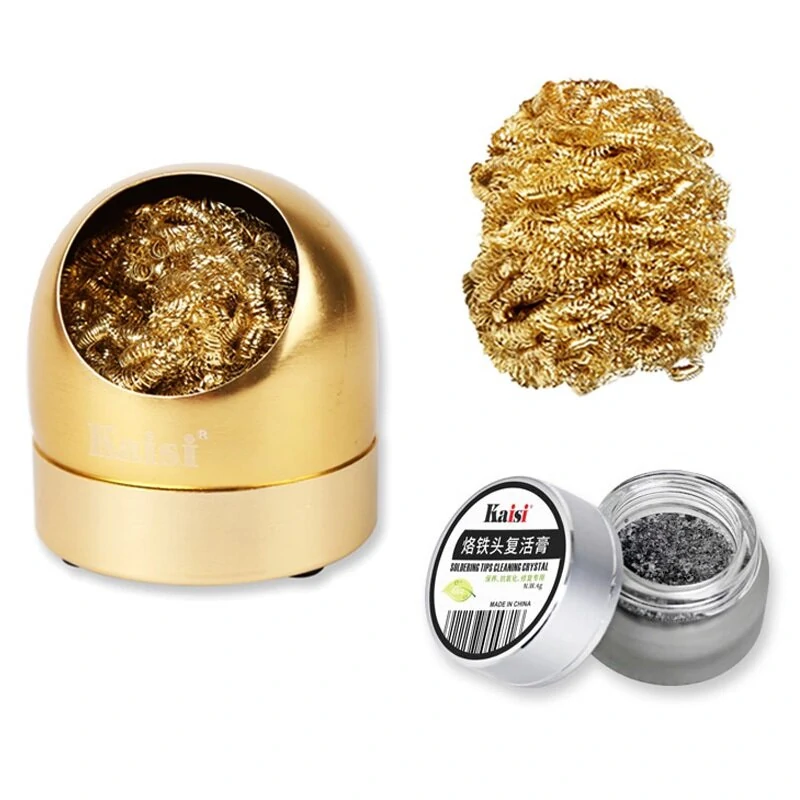
Soldering is the fundamental skill that brings electronic circuits to life, creating strong, conductive bonds between components. Whether you're a hobbyist building a robot, a technician repairing a circuit board, or a professional prototyping new technology, having the right soldering supplies is critical for success and reliability. This category encompasses the essential tools and materials needed to perform clean, durable solder joints every time. At the heart of any setup is the soldering iron or station, which provides the precise heat required to melt solder. For beginners and occasional users, a simple pencil iron may suffice, while advanced users benefit from temperature-controlled stations for consistent performance. The solder itself, typically a wire alloy of tin and lead (or lead-free alternatives), is the filler material that forms the electrical connection. Pairing this with flux—a chemical cleaning agent—is crucial, as it removes oxidation from metal surfaces, ensuring the solder flows smoothly and adheres properly. Other indispensable soldering supplies include helping hands with magnifying glasses to hold your work, brass or conventional sponge tips for cleaning your iron, and a variety of tip sizes and shapes for different tasks. A well-stocked soldering kit not only improves the quality of your work but also enhances safety and efficiency, making intricate electronics projects manageable and enjoyable. Investing in quality supplies prevents common issues like cold joints, bridges, and damage to sensitive components.
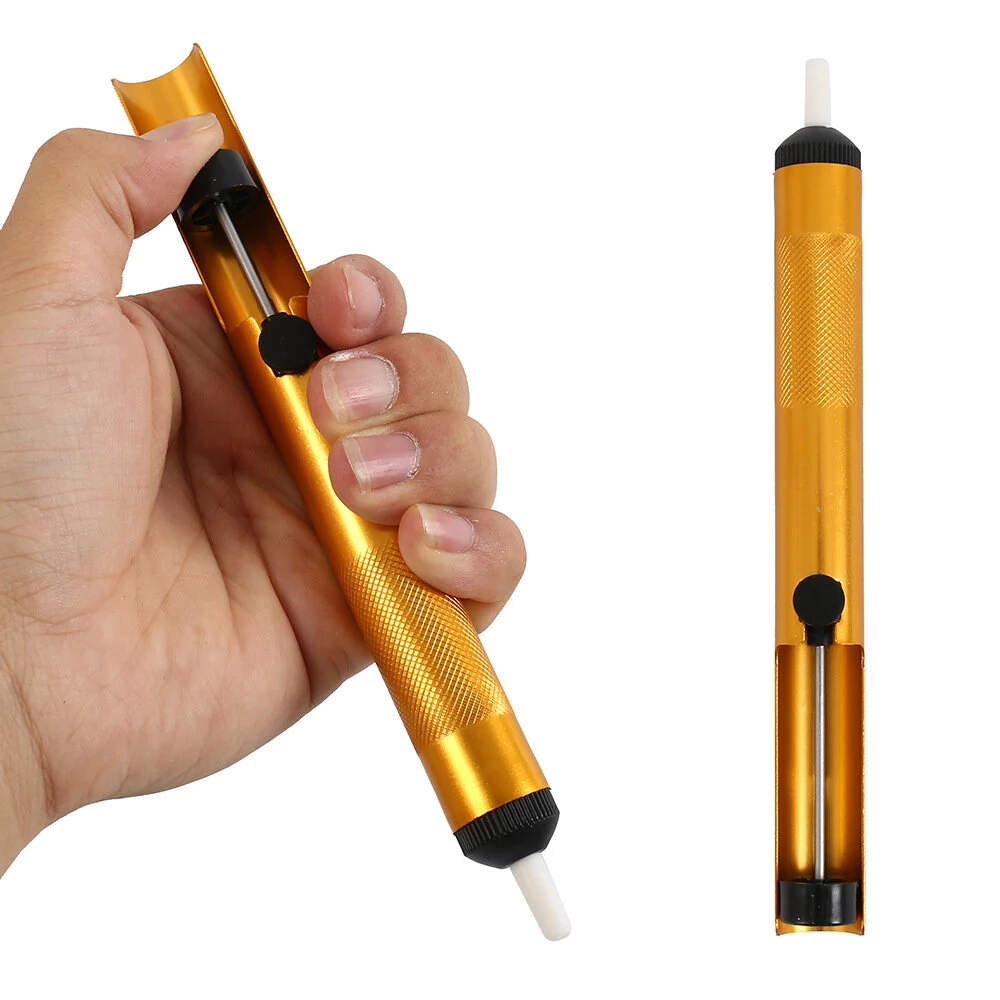
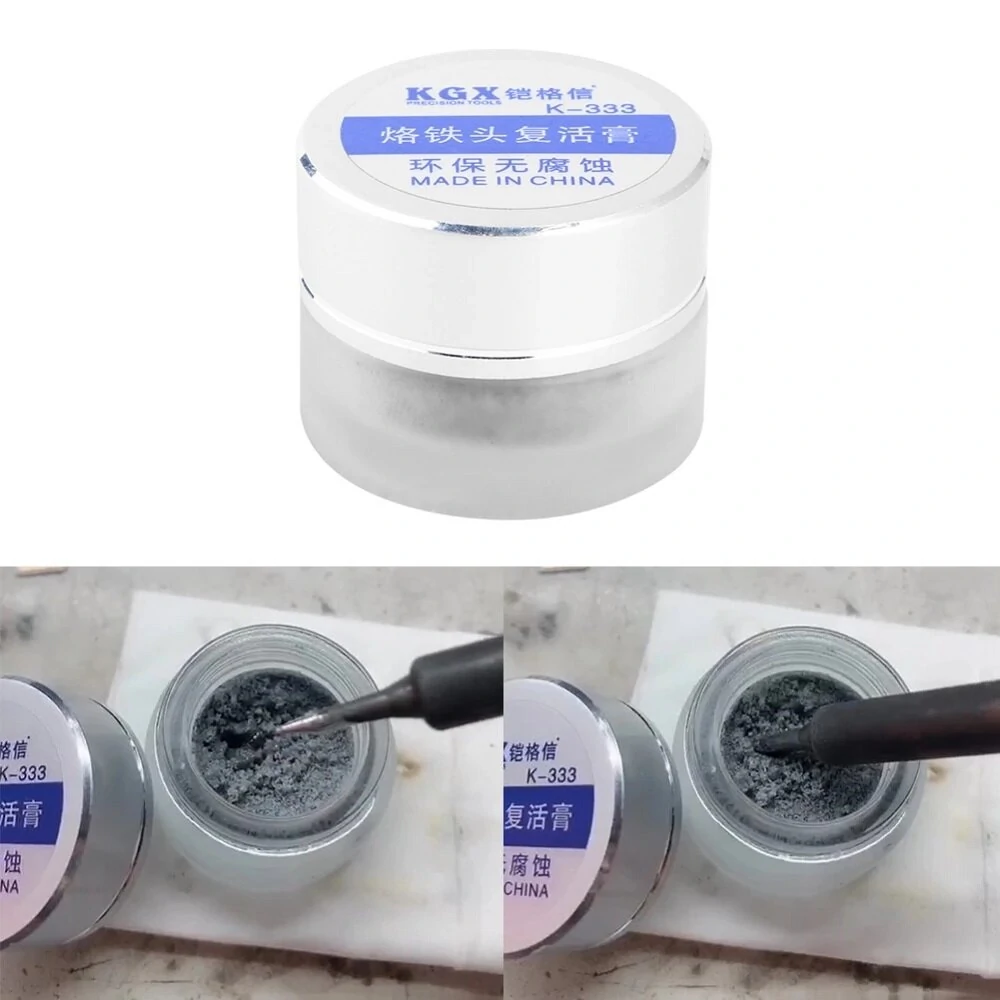
Choosing the right soldering supplies depends on your project needs and skill level. For beginners, a starter kit containing a basic iron, solder, stand, and cleaning accessories offers excellent value and a gentle learning curve. Intermediate to advanced users should consider a adjustable-temperature soldering station for versatility across different components, from delicate surface-mount devices to heavier wires. Always prioritize safety: use a heat-resistant mat, work in a well-ventilated area, and consider a fume extractor when working with lead-free solder, which often requires higher temperatures and produces more fumes. Don't forget desoldering tools like solder wick (braid) or a desoldering pump for correcting mistakes. FAQ: What type of solder should I use? For general electronics, 60/40 tin-lead rosin-core solder is popular for its ease of use. For plumbing or items requiring lead-free compliance, use SAC alloys. How do I maintain my iron? Regularly clean the tip on a damp sponge or brass coil and keep it tinned with fresh solder to prevent oxidation and prolong its life. With the proper supplies and techniques, soldering becomes a rewarding and indispensable skill in your maker toolkit.