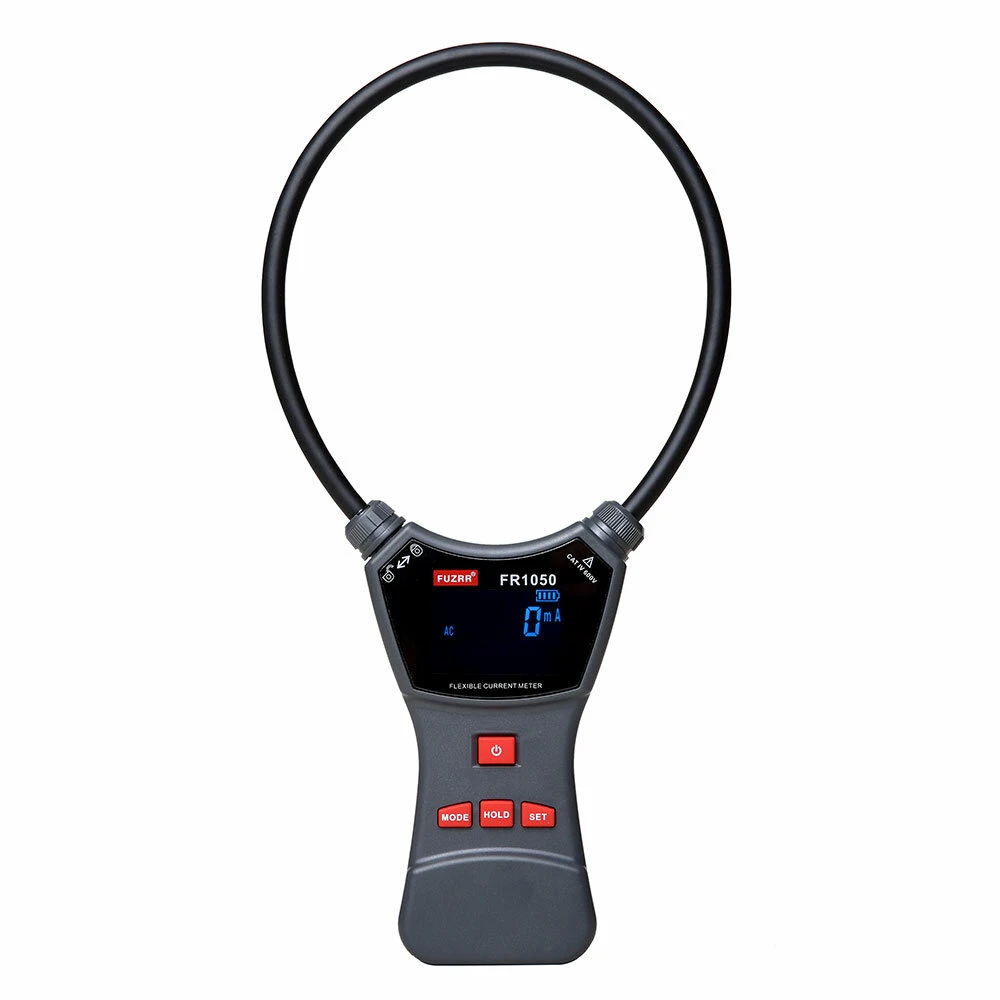
Voltmeters and ammeters are the fundamental instruments for anyone working with electricity, from professional electricians and engineers to DIY enthusiasts and hobbyists. These essential tools provide the critical data needed to diagnose, monitor, and maintain electrical systems safely and efficiently. A voltmeter measures the electrical potential difference (voltage) between two points in a circuit, while an ammeter measures the flow of electrical current (amperage). Understanding these two parameters is key to ensuring circuits operate correctly, batteries are charged properly, and equipment is not overloaded.
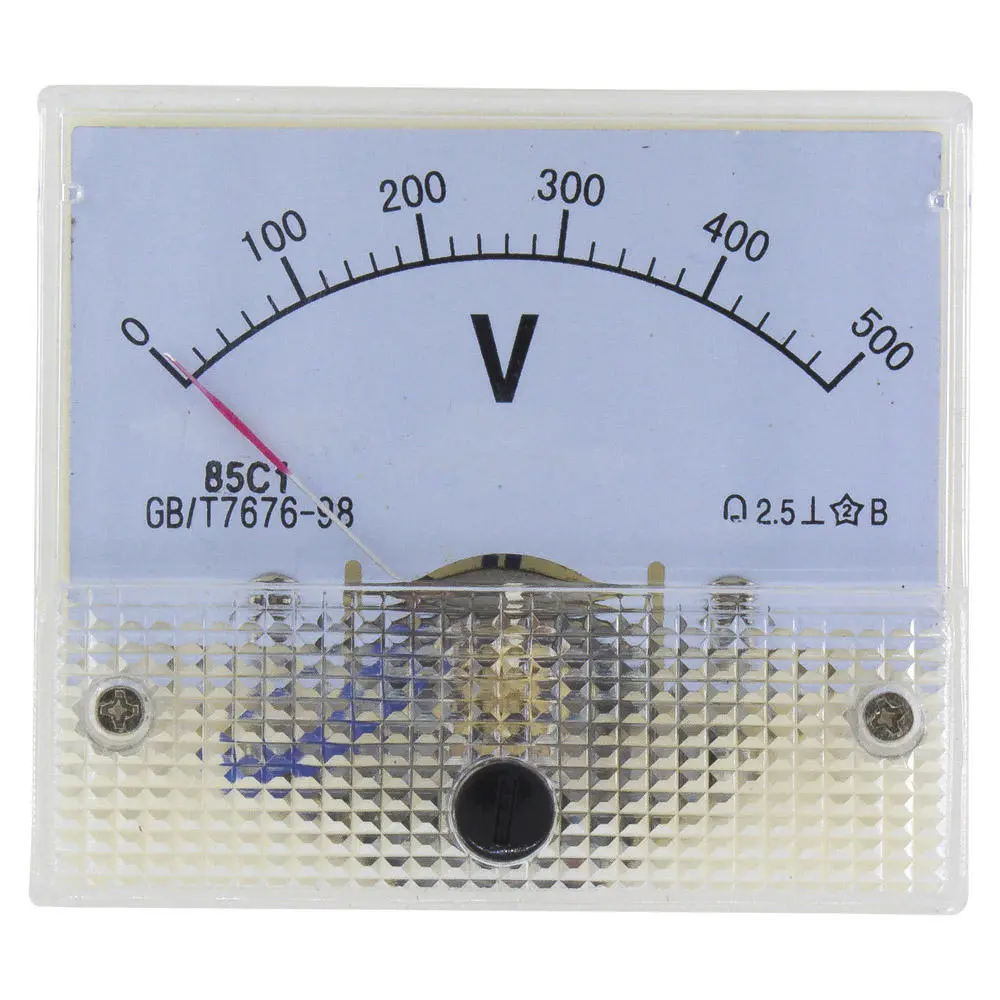
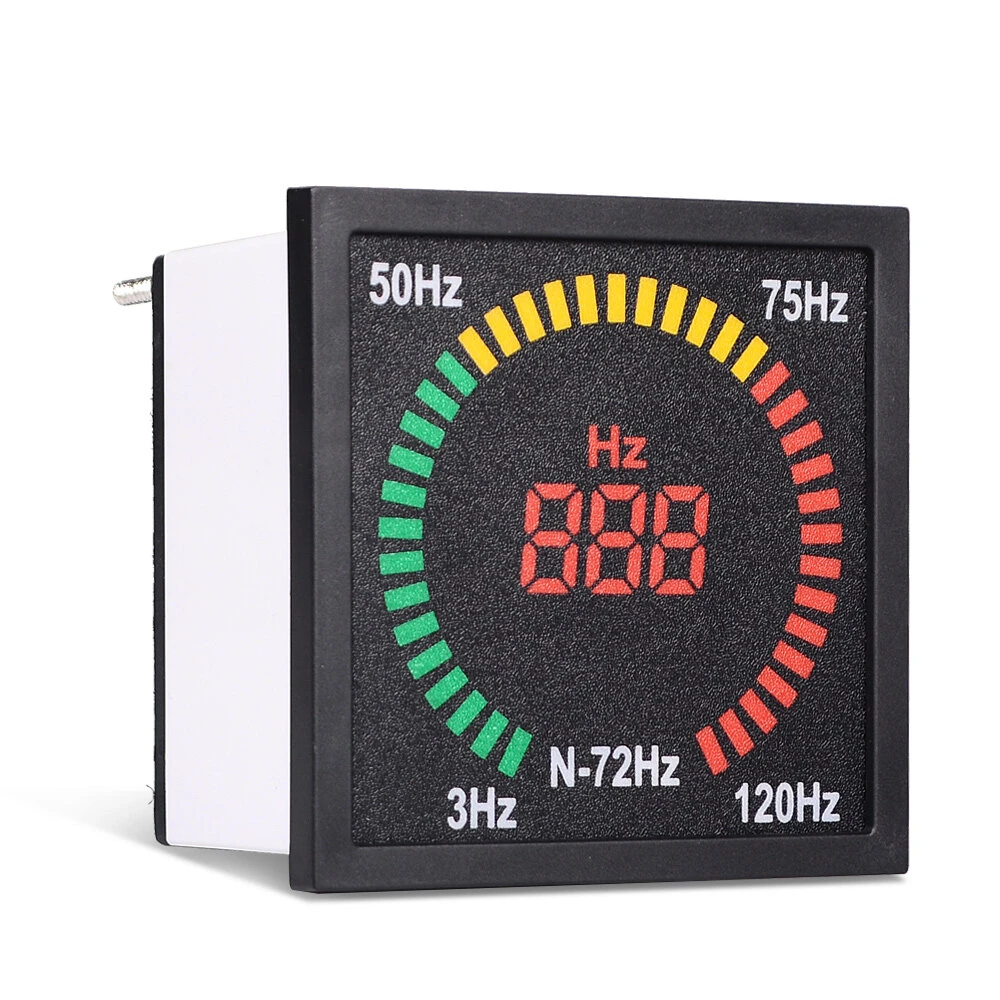
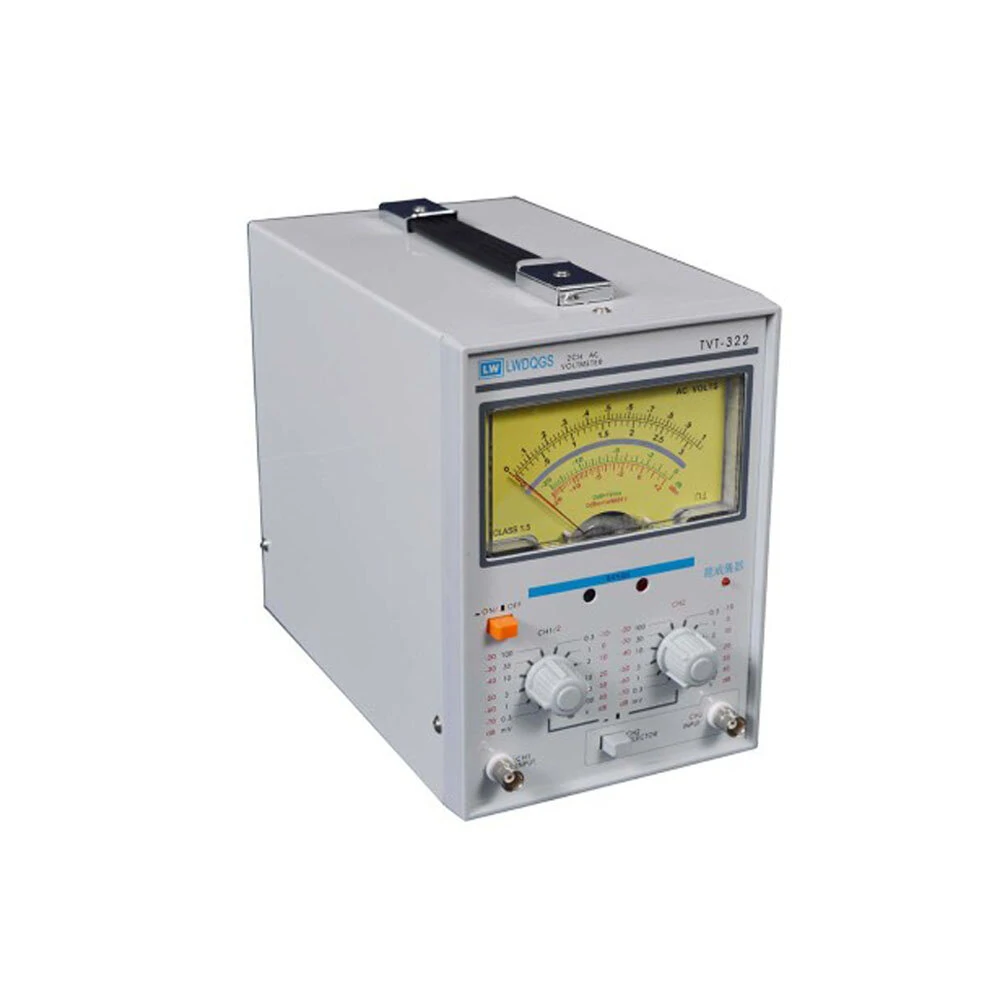
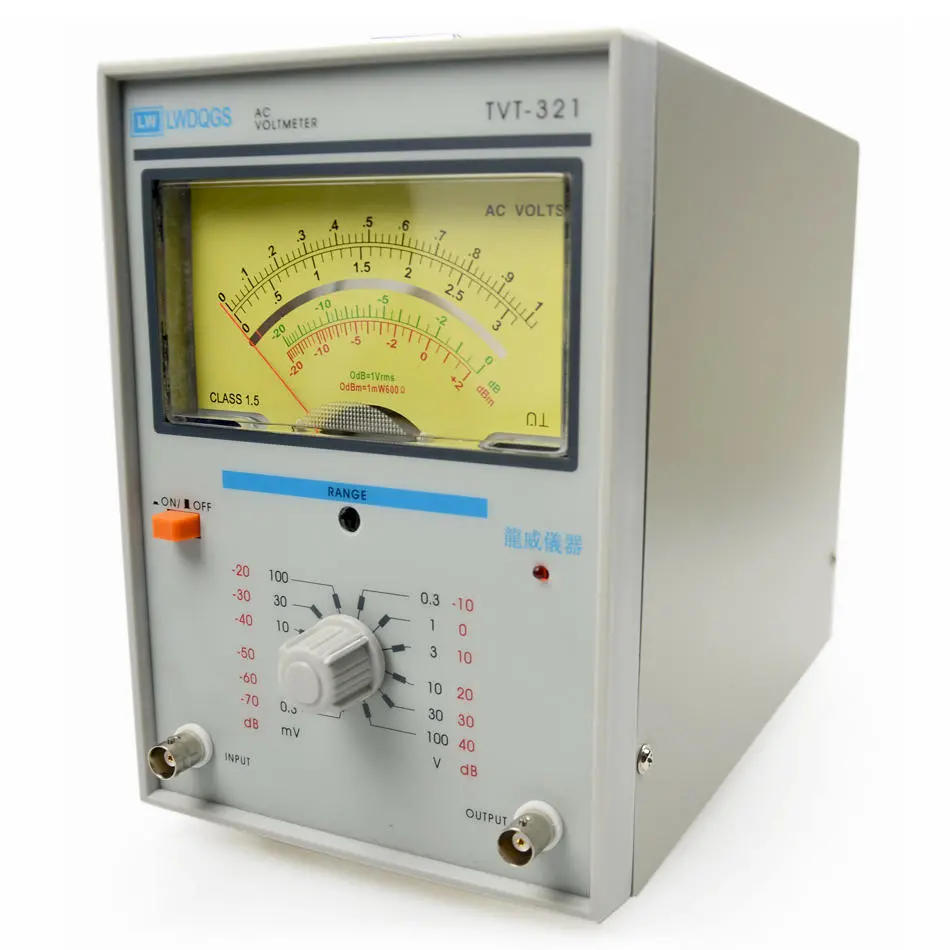
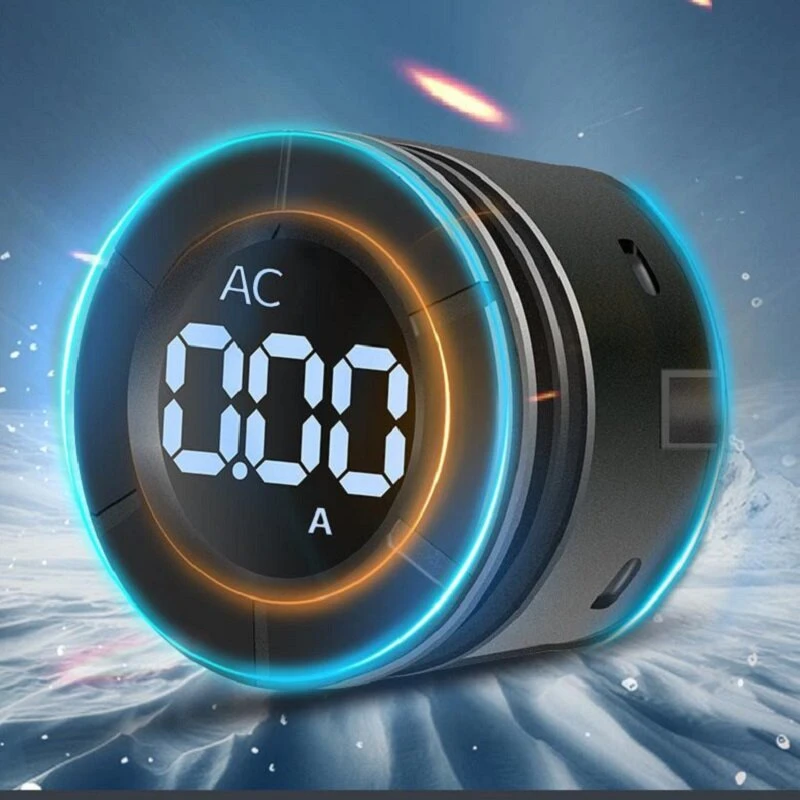
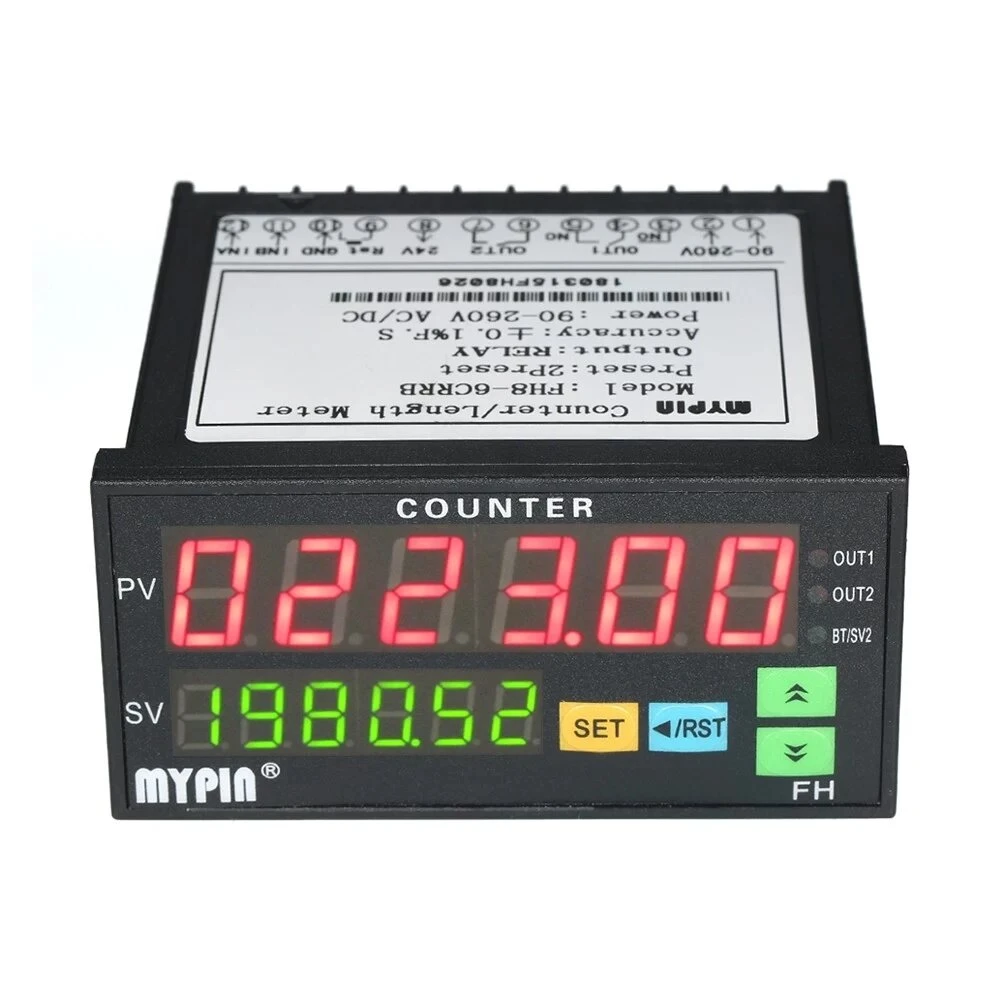
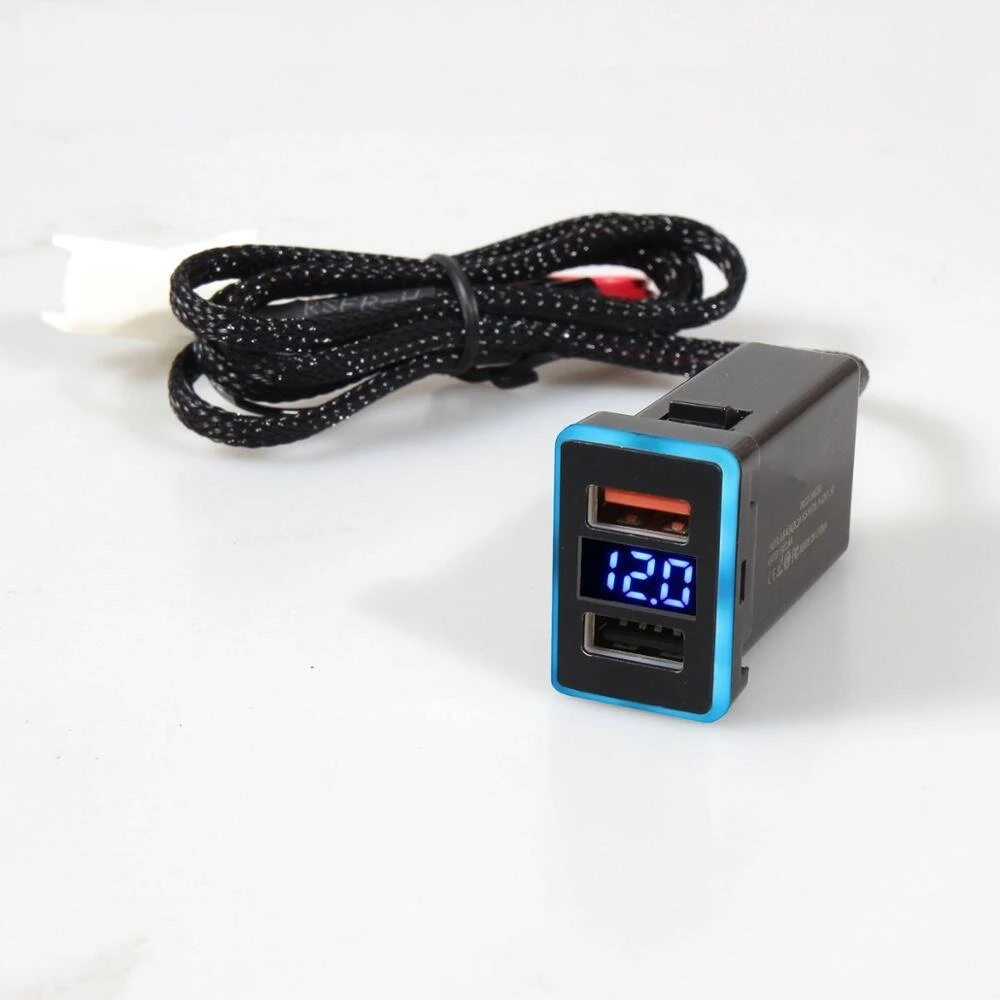
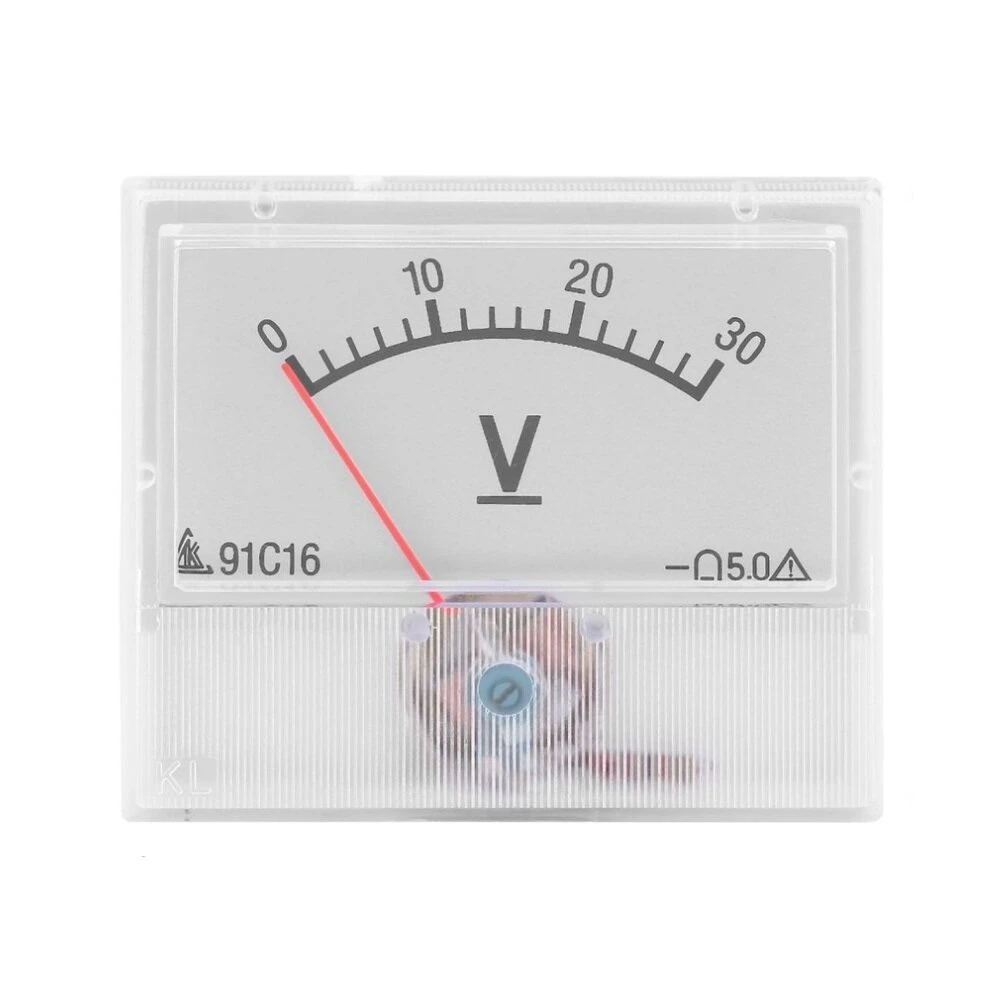
Modern voltmeters and ammeters come in a variety of types to suit different needs. Traditional analog meters with a moving needle offer excellent trend visualization, while digital panel meters provide precise, easy-to-read numerical displays ideal for permanent installation in control panels, automotive dashboards, or solar power systems. For versatility, handheld digital multimeters combine the functions of a voltmeter, ammeter, and ohmmeter into one portable device, making them a staple in every toolkit.
The benefits of using the right meter are immense. They enable you to troubleshoot faulty wiring, verify power supply output, monitor battery health in RVs or boats, optimize the performance of renewable energy systems, and ensure the safe operation of industrial machinery. By providing accurate, real-time readings, these devices help prevent electrical fires, protect sensitive electronics, and save both time and money on repairs. Whether you need a simple test tool or a rugged, panel-mounted instrument for continuous monitoring, selecting the correct voltmeter or ammeter is a critical step for any electrical project.
**Choosing the Right Meter: A Quick Guide**
**1. What is your primary use?** For general troubleshooting, a handheld multimeter is most versatile. For permanent system monitoring (e.g., in a vehicle or solar setup), a dedicated panel meter is best.
**2. Analog vs. Digital:** Digital meters offer higher precision and are easier to read. Analog meters are better for observing fluctuating values and trends at a glance.
**3. Check the Specifications:** Ensure the meter's voltage and current range (AC or DC) exceed what you expect to measure. For ammeters, you may need a shunt for high-current applications.
**4. Consider Safety and Build Quality:** Look for meters with proper safety ratings (like CAT ratings for multimeters), durable casings, and clear displays. For panel meters, consider the cutout size and installation depth.
**FAQ: Can I use a voltmeter to measure current?** No, voltmeters and ammeters are connected to a circuit differently. Attempting to measure current with a voltmeter's settings can damage the meter or the circuit. Always use the correct function and connection method as per the manufacturer's instructions. For integrated measurement, a multimeter is the recommended tool.