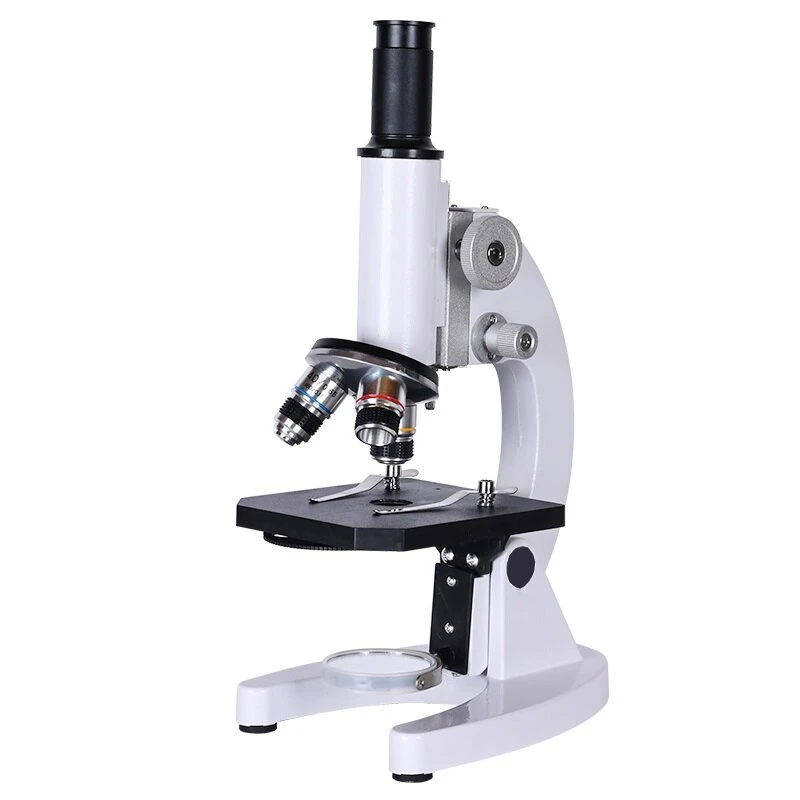
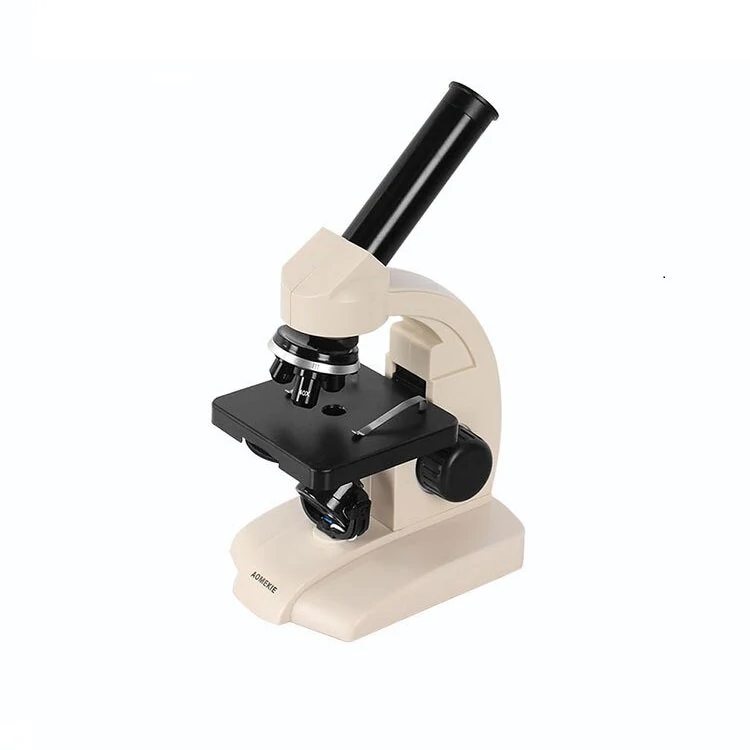
Biological microscopes are the fundamental tools for exploring the intricate world of life invisible to the naked eye. Designed primarily for viewing thin, translucent specimens like cells, tissues, and microorganisms, these compound microscopes use multiple lenses to achieve high magnification and exceptional resolution. This category is essential for a wide range of users, from students beginning their scientific journey in a classroom to researchers conducting advanced pathological or microbiological investigations in professional laboratories.
The core benefit of a quality biological microscope is its ability to reveal detailed cellular structures, enabling education, diagnosis, and discovery. Key products in this category include durable student microscopes, often monocular, with built-in LED illumination and standard magnification ranges (40x-1000x) perfect for high school and undergraduate studies. For more advanced applications, professional and laboratory-grade biological microscopes offer features like binocular or trinocular heads for comfortable viewing, oil immersion objectives for the highest magnifications (1000x and above), mechanical stages for precise specimen manipulation, and superior optical systems with plan or semi-plan objectives for crisp, flat-field images.
Investing in the right biological microscope empowers users to accurately observe stained slides of blood samples, plant cross-sections, bacteria cultures, and much more. Modern models prioritize user-friendly operation, robust construction for longevity, and consistent, bright illumination whether using halogen, LED, or fluorescent light sources. Whether for curriculum-based learning, veterinary analysis, or academic research, a reliable biological microscope is an indispensable instrument for turning curiosity into concrete understanding of biological principles.
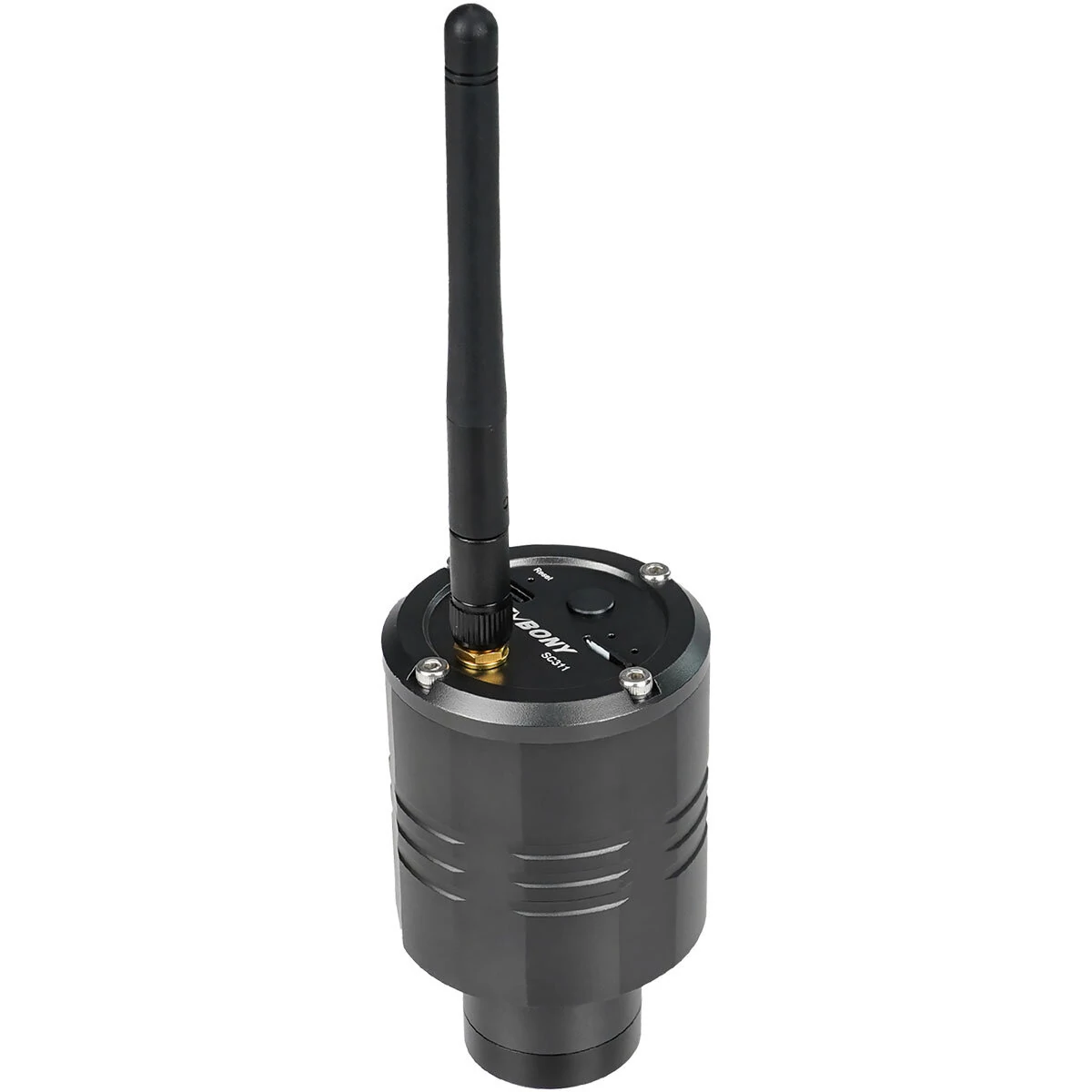
Choosing the right biological microscope depends on your primary use case and required features. For students and home use, a monocular or binocular microscope with 40x, 100x, and 400x magnifications and LED illumination is typically sufficient. Advanced students and professionals should look for microscopes with 1000x oil immersion capability, a mechanical stage, and plan optics for superior image clarity. A trinocular head is crucial if you plan to attach a camera for digital imaging and documentation.
Frequently Asked Questions:
**What is the difference between a biological and a stereo microscope?** Biological microscopes are for viewing thin, flat specimens at high magnification (typically 40x-1000x). Stereo microscopes provide lower magnification (10x-50x) and a 3D view for larger, solid objects like insects or circuit boards.
**What does 'parfocal' mean?** Parfocal objectives stay in approximate focus when you switch between magnifications, which is a major convenience during prolonged observation sessions.
**Is oil immersion necessary?** For viewing bacteria and fine cellular details at 1000x magnification, yes. Immersion oil improves resolution by focusing light rays. For most student work up to 400x, it is not required.
Always consider the warranty, availability of replacement parts, and the reputation of the manufacturer to ensure your microscope serves as a long-term investment in discovery.