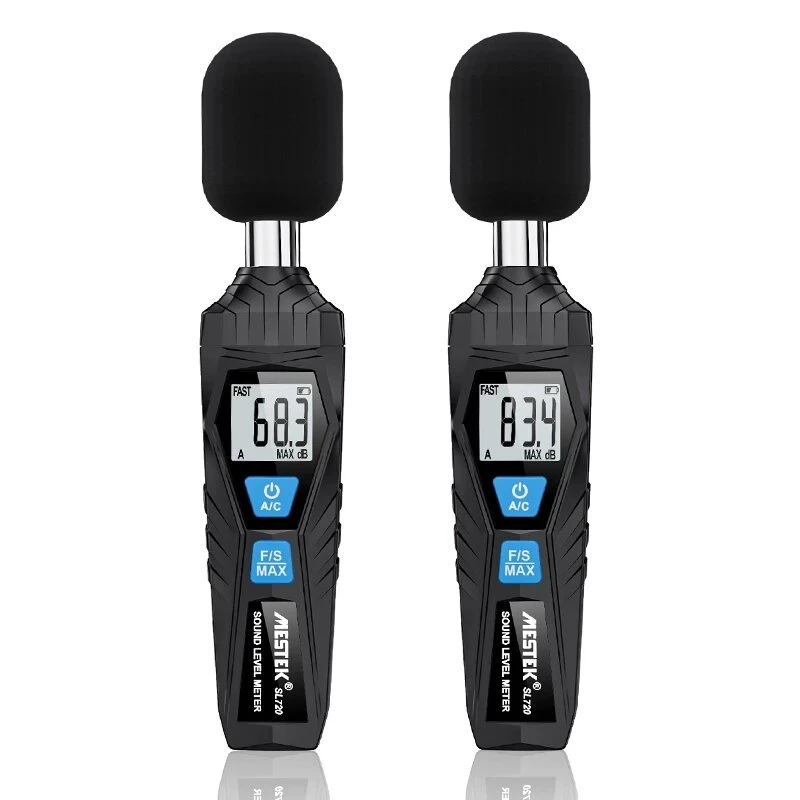
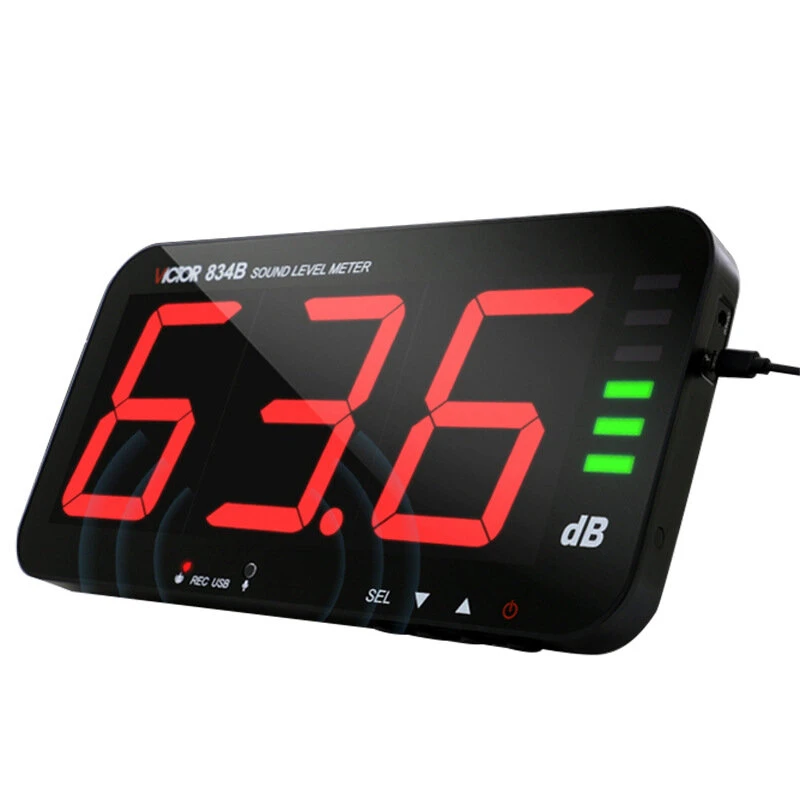
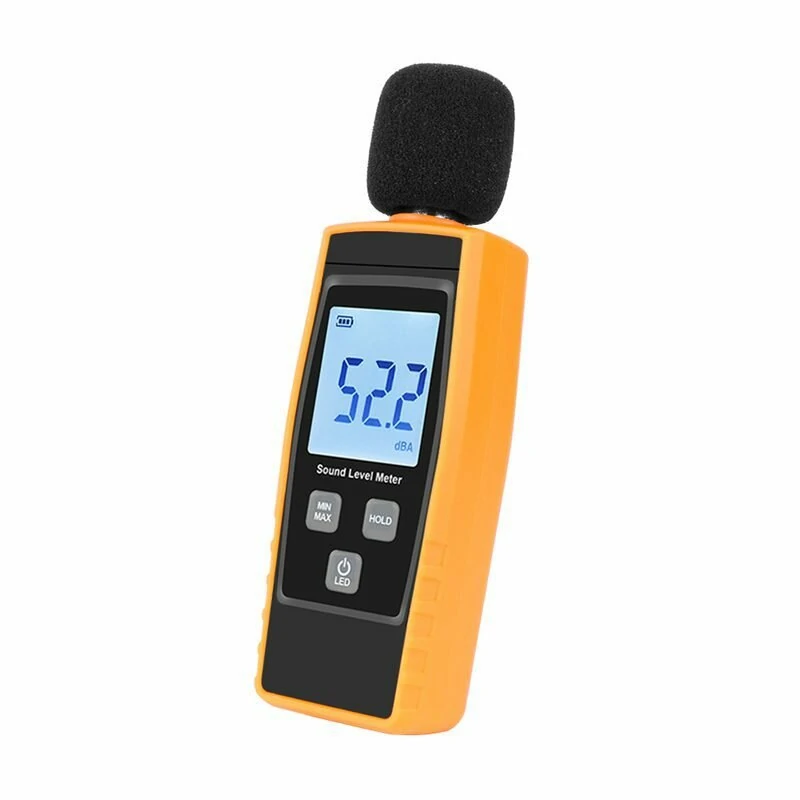
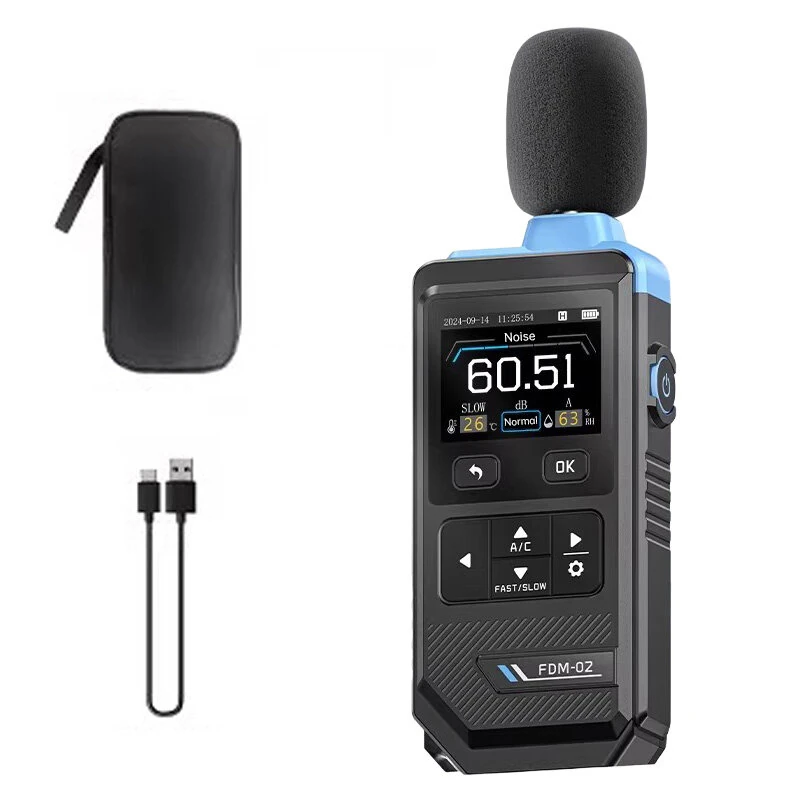
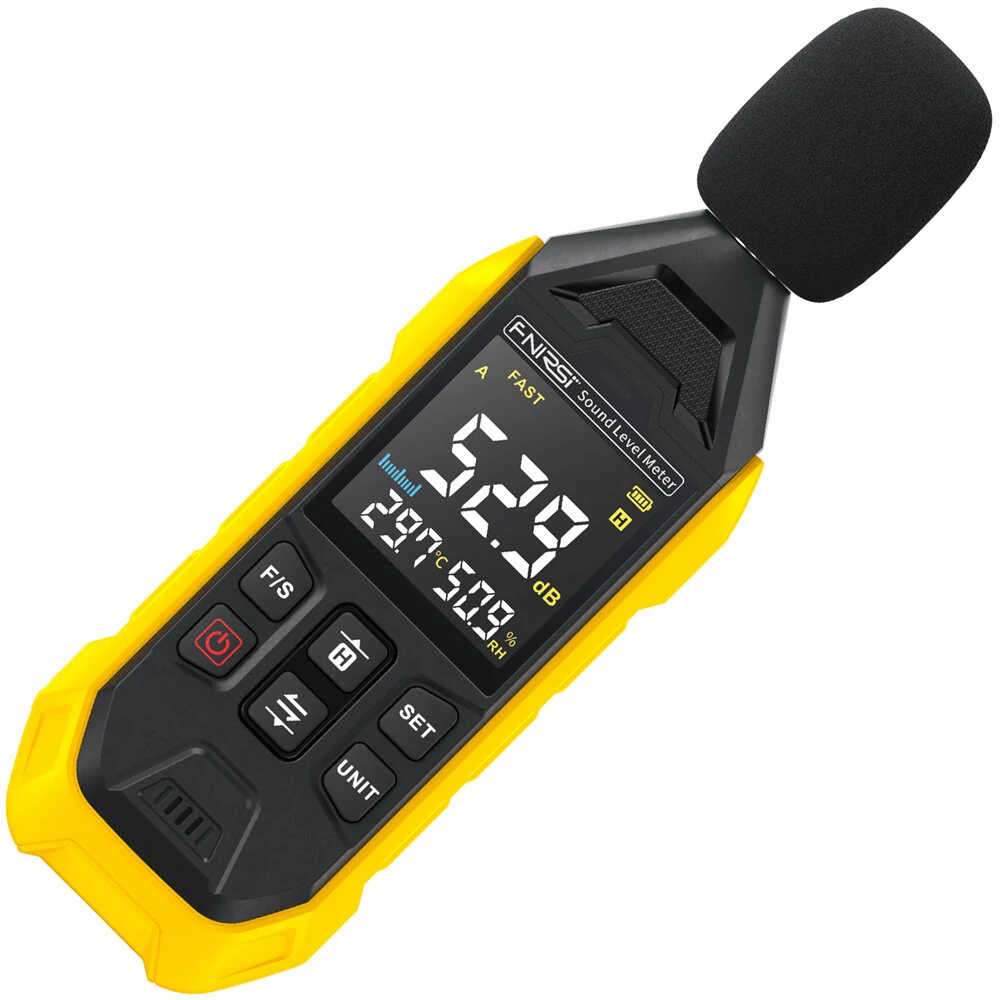
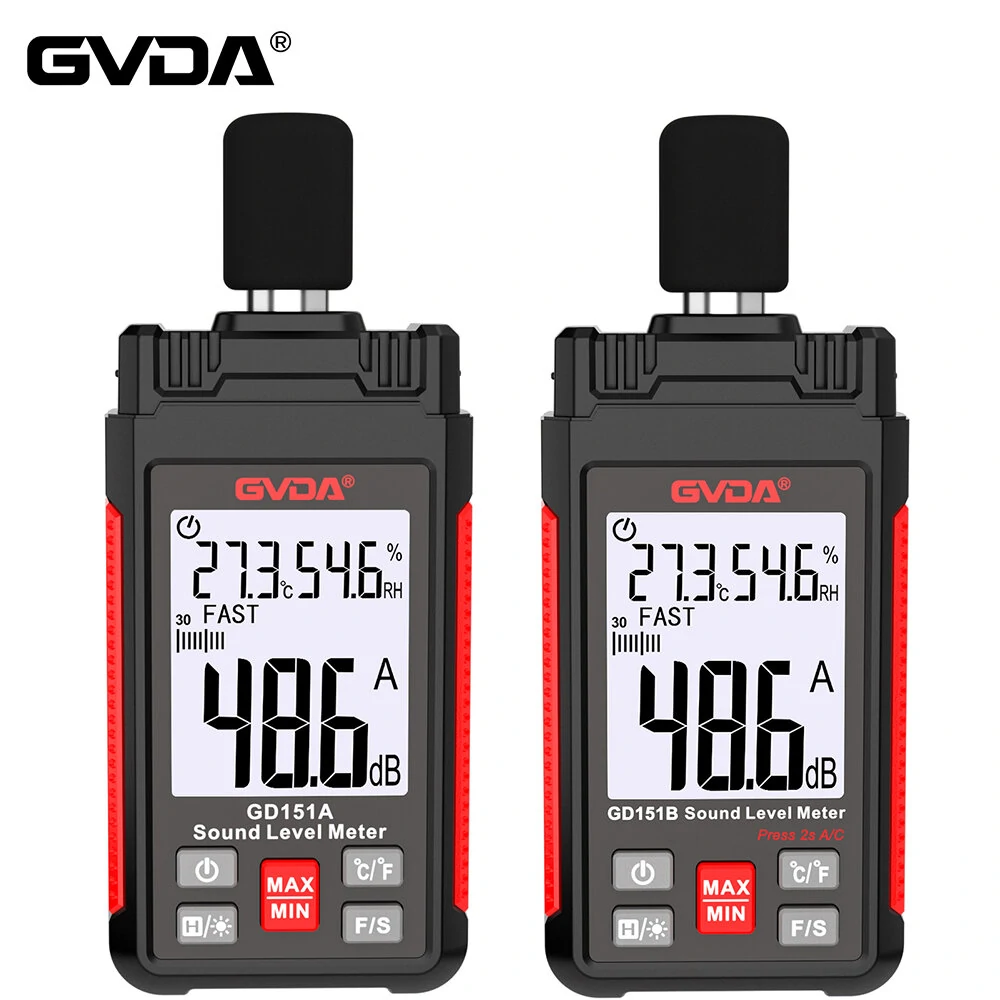
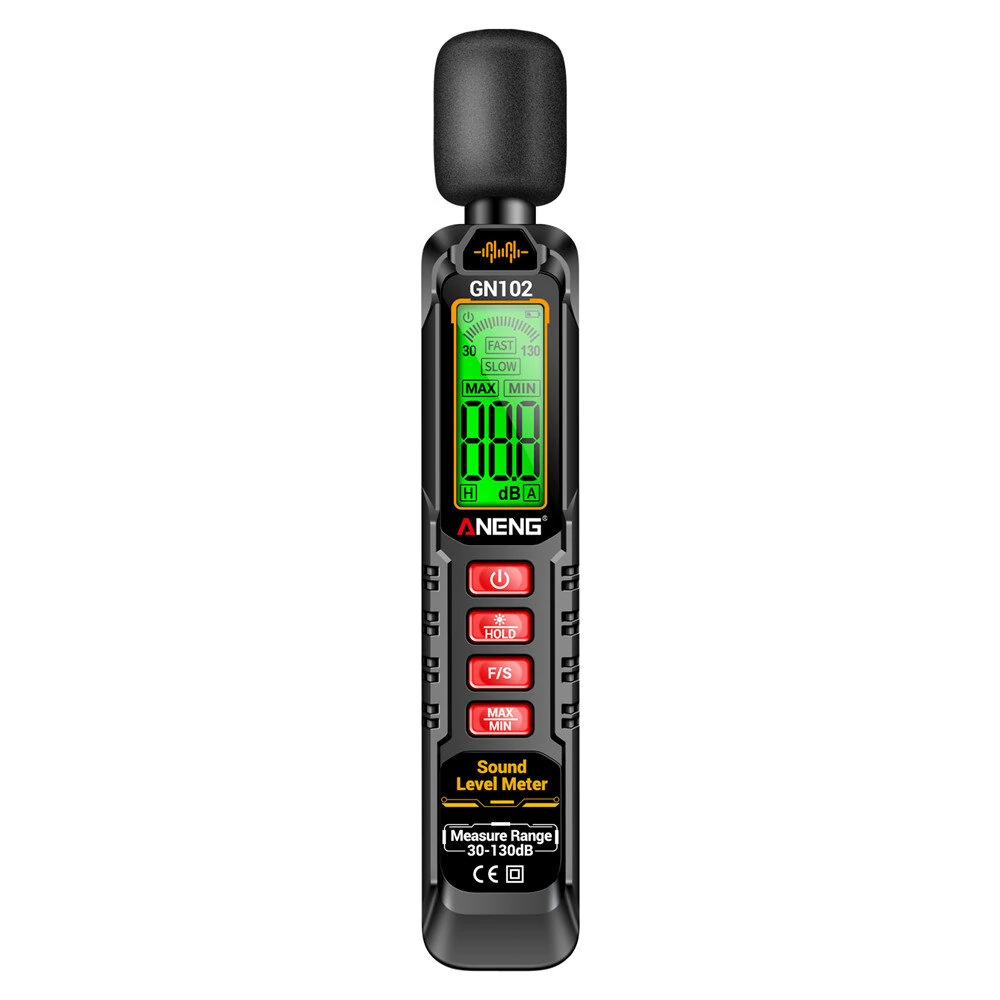
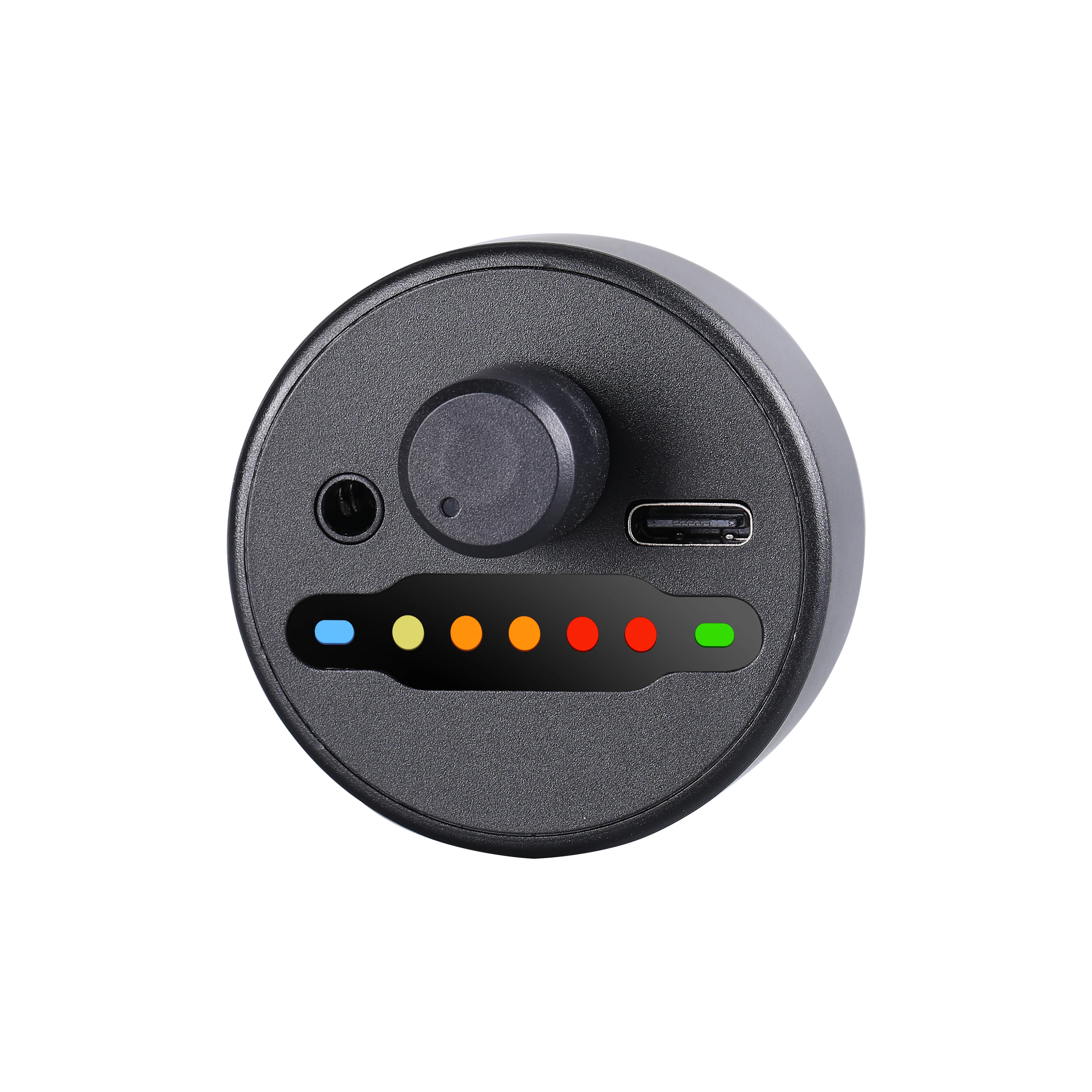
A sound level meter (SLM), also known as a decibel or noise meter, is an essential instrument for quantifying sound pressure levels in a wide range of environments. From ensuring workplace safety and industrial compliance to conducting environmental noise studies and acoustic product testing, these devices provide the objective data needed to protect hearing, meet regulations, and optimize sound quality. Modern sound level meters are sophisticated tools that capture, analyze, and log noise data, translating complex acoustic energy into easy-to-understand decibel (dB) readings. Key products in this category range from compact, Type 2 general-purpose meters ideal for basic noise surveys, to advanced, Type 1 precision instruments required for official compliance and legal evidence. Many models now feature integrated data logging, real-time frequency analysis (octave bands), and Bluetooth connectivity for remote monitoring and detailed reporting. The core benefits of using a professional sound level meter are accuracy and reliability. Unlike smartphone apps, dedicated SLMs are calibrated to international standards (like IEC 61672), ensuring measurements are legally defensible. They help identify hazardous noise exposures in factories, construction sites, and entertainment venues, preventing noise-induced hearing loss. For community and environmental officers, they are vital for assessing noise pollution from traffic, construction, or industrial plants. For audio engineers and product developers, they assist in fine-tuning the acoustic performance of everything from household appliances to automotive interiors. Investing in the right sound level meter empowers professionals across industries to make informed decisions, uphold safety standards, and create healthier, quieter environments.
Choosing the right sound level meter depends on your specific application and accuracy requirements. First, consider the standard: Type 1 (Precision) meters are for laboratory-grade measurements and legal enforcement, while Type 2 (General) are suitable for most workplace and environmental noise assessments. Key features to look for include data logging capability to record measurements over time, octave band analysis for identifying specific noise frequencies, and a clear, backlit display. For occupational safety, ensure the meter can calculate time-weighted averages (Leq, TWA) and project dose percentages to comply with OSHA or similar regulations. A sturdy, weather-resistant design is crucial for outdoor use. Always verify that the meter comes with a calibration certificate from the manufacturer, and factor in the cost of an annual calibration check with an accredited lab to maintain accuracy. FAQ: Q: Can I use a smartphone app instead? A: Apps are useful for informal checks but lack the calibrated microphone and processing required for professional, compliant measurements. Q: What is the difference between dB(A) and dB(C)? A: dB(A) filters sound to approximate human hearing and is standard for environmental and occupational noise. dB(C) measures low-frequency sound more accurately, useful for monitoring industrial bass noise. Q: Do I need a calibrator? A: Yes. A portable acoustic calibrator (like a 94 dB or 114 dB source) is essential for pre- and post-measurement checks to ensure your meter reads correctly in the field.