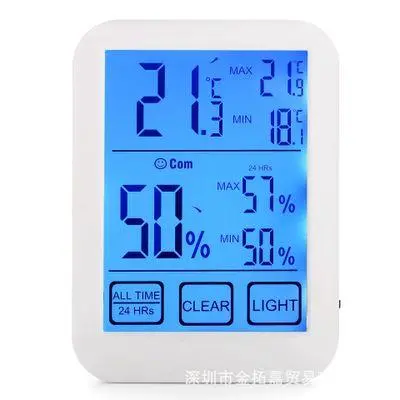
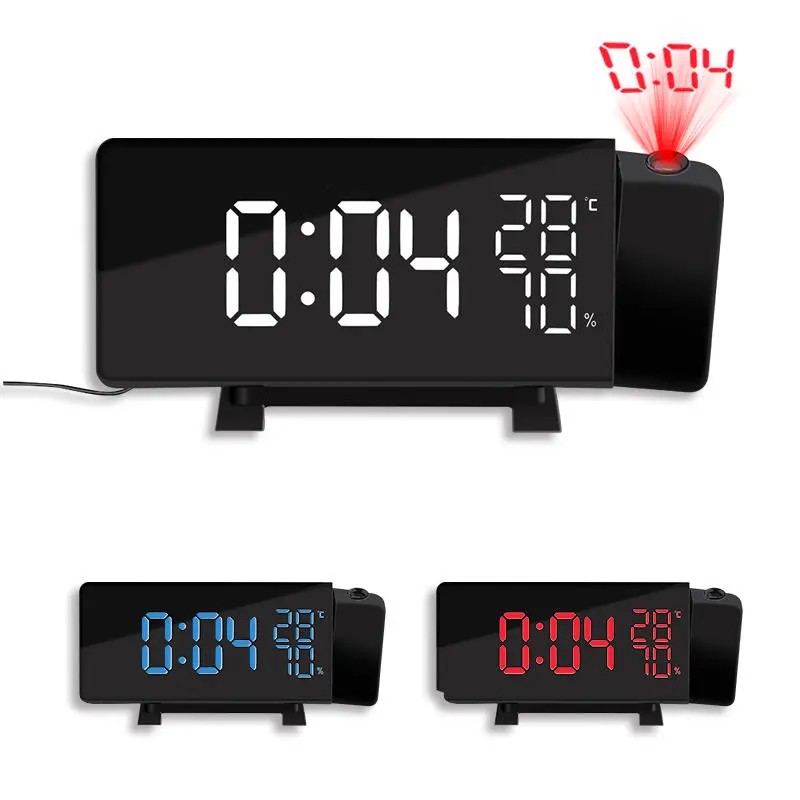
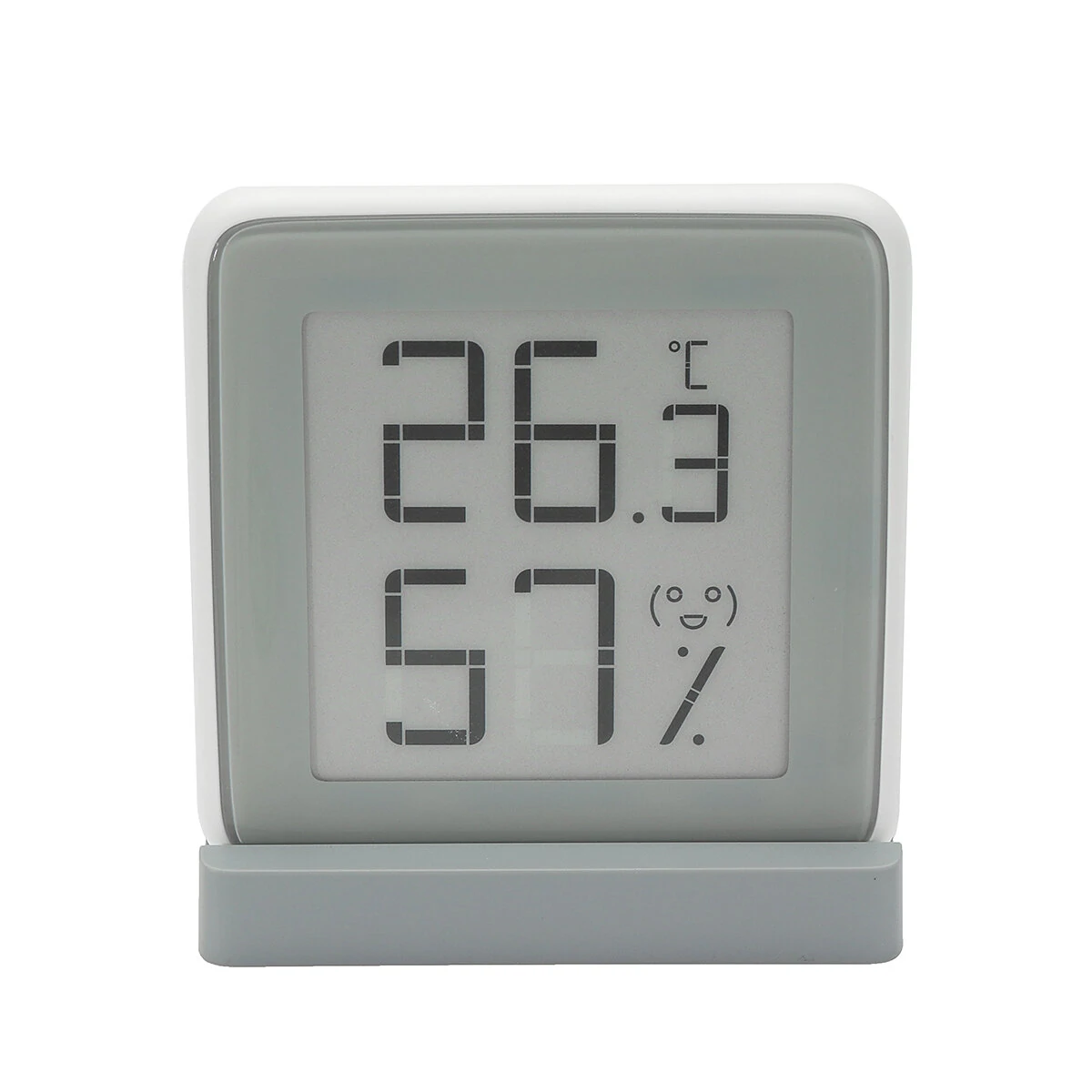
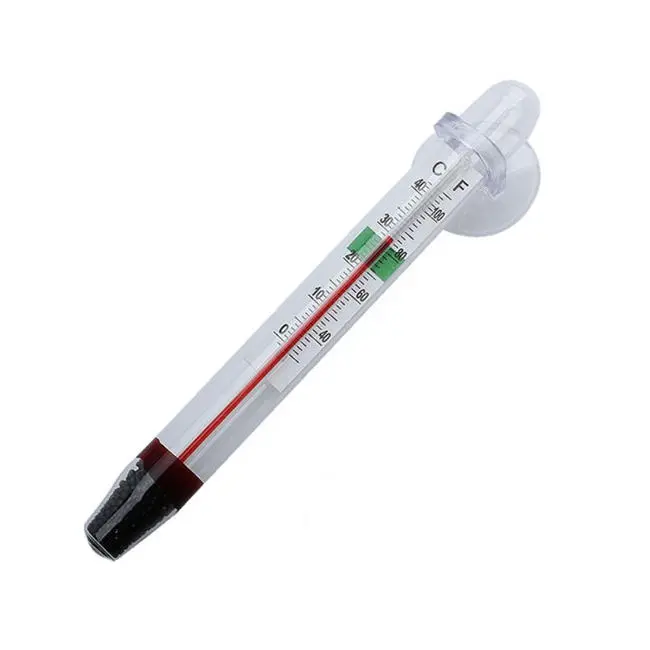
A hygrometer is an essential yet often overlooked tool for maintaining a healthy, comfortable, and safe indoor environment. It measures the amount of moisture in the air—the humidity level—which can have a profound impact on your well-being and your home. Too much humidity can encourage mold growth, dust mites, and structural damage, while air that's too dry can cause respiratory irritation, dry skin, and damage to wooden furniture and musical instruments. By monitoring humidity with a reliable hygrometer, you gain the knowledge needed to take corrective action, whether that's using a dehumidifier, humidifier, or simply improving ventilation.
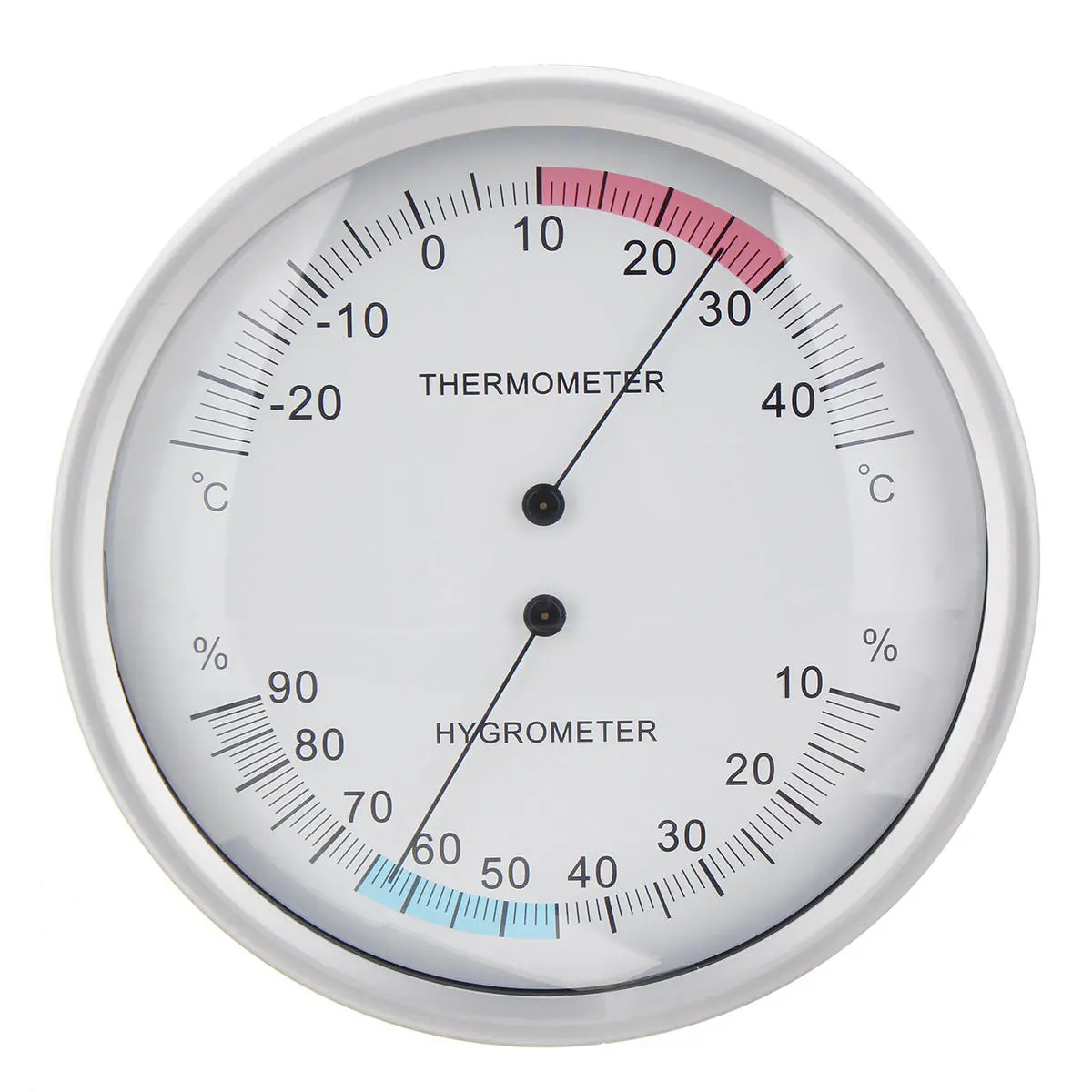
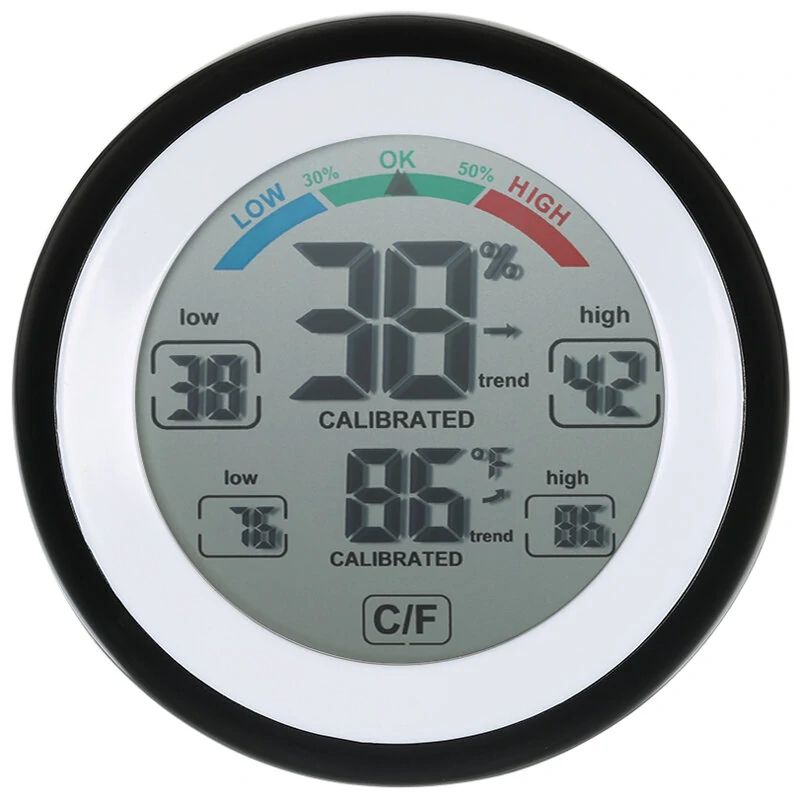
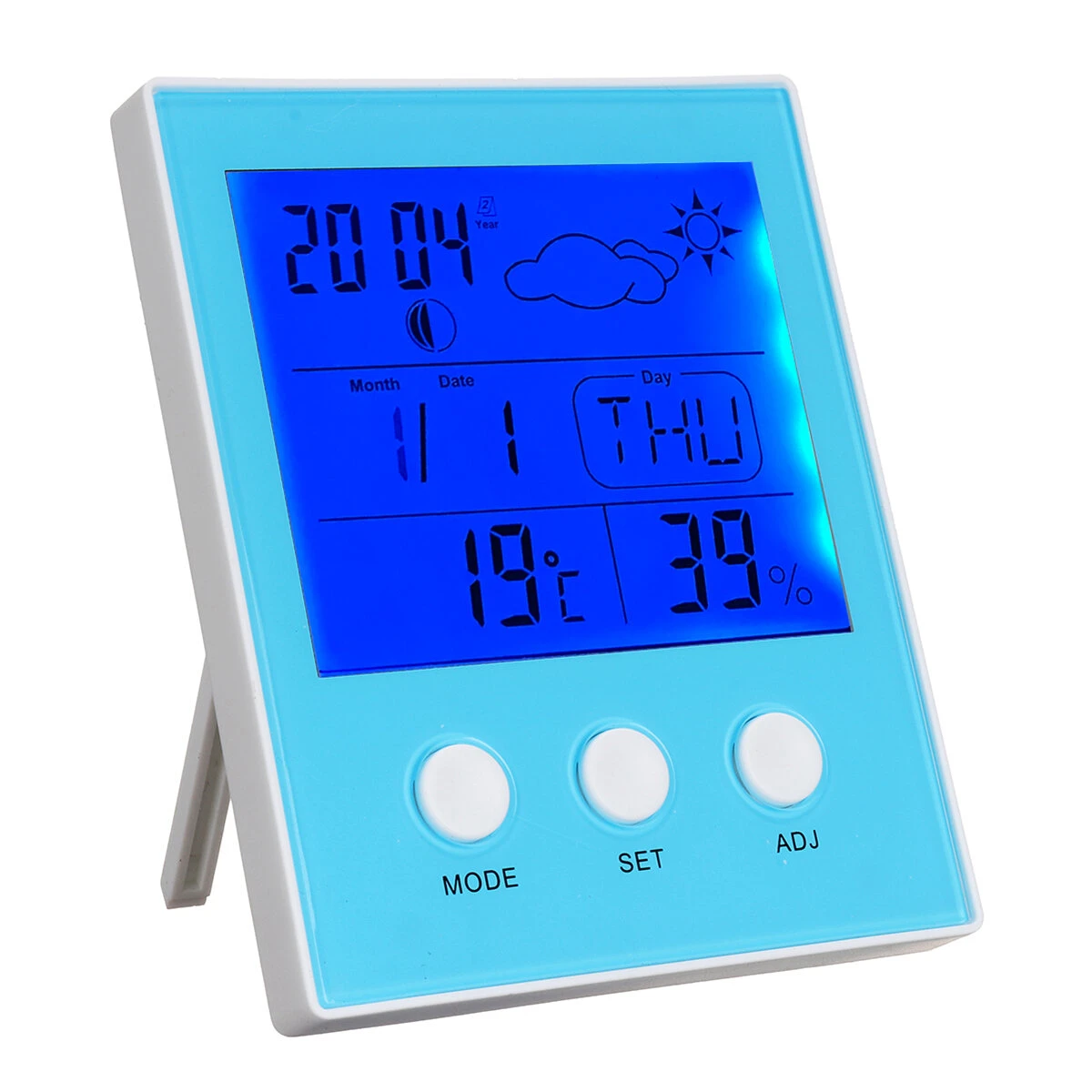
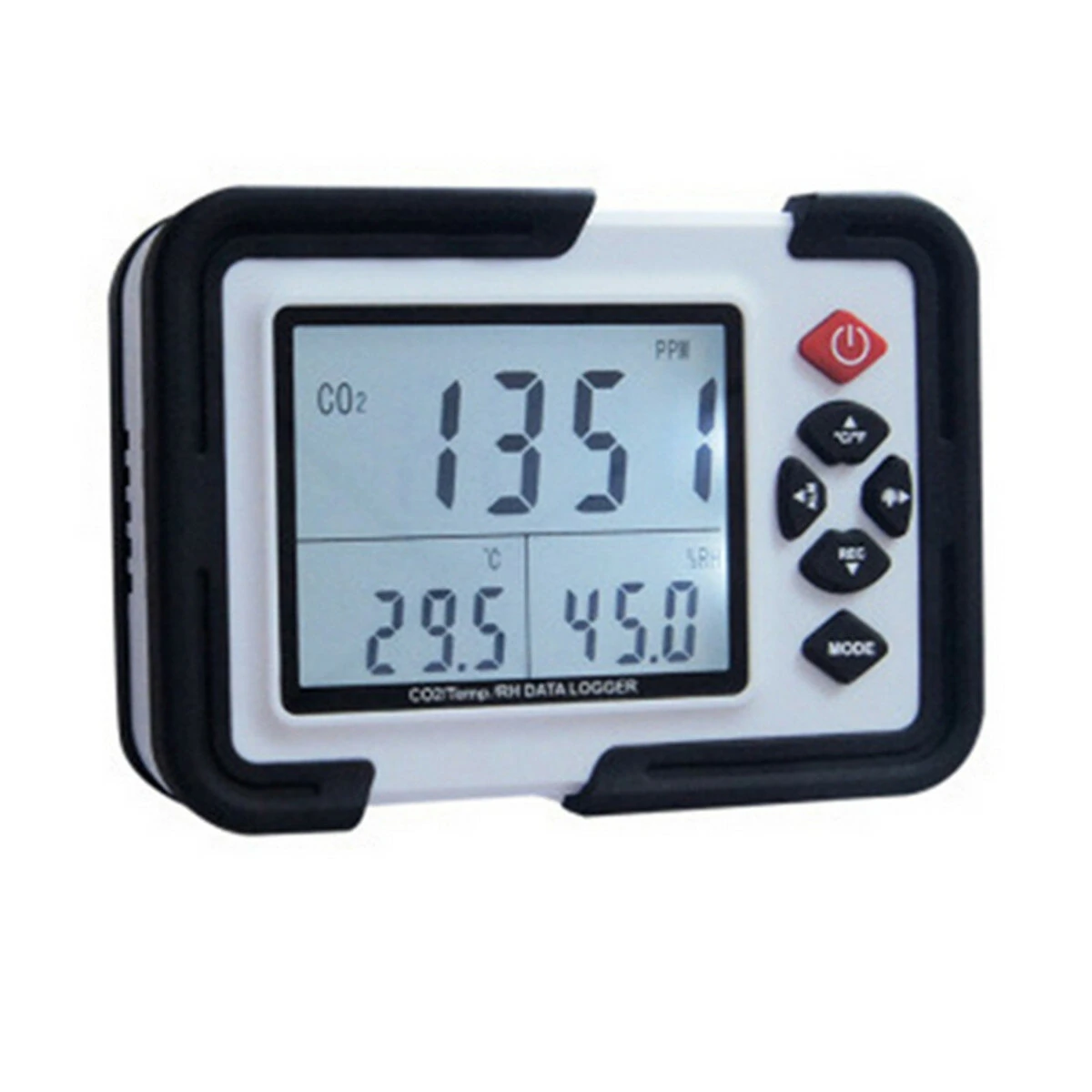
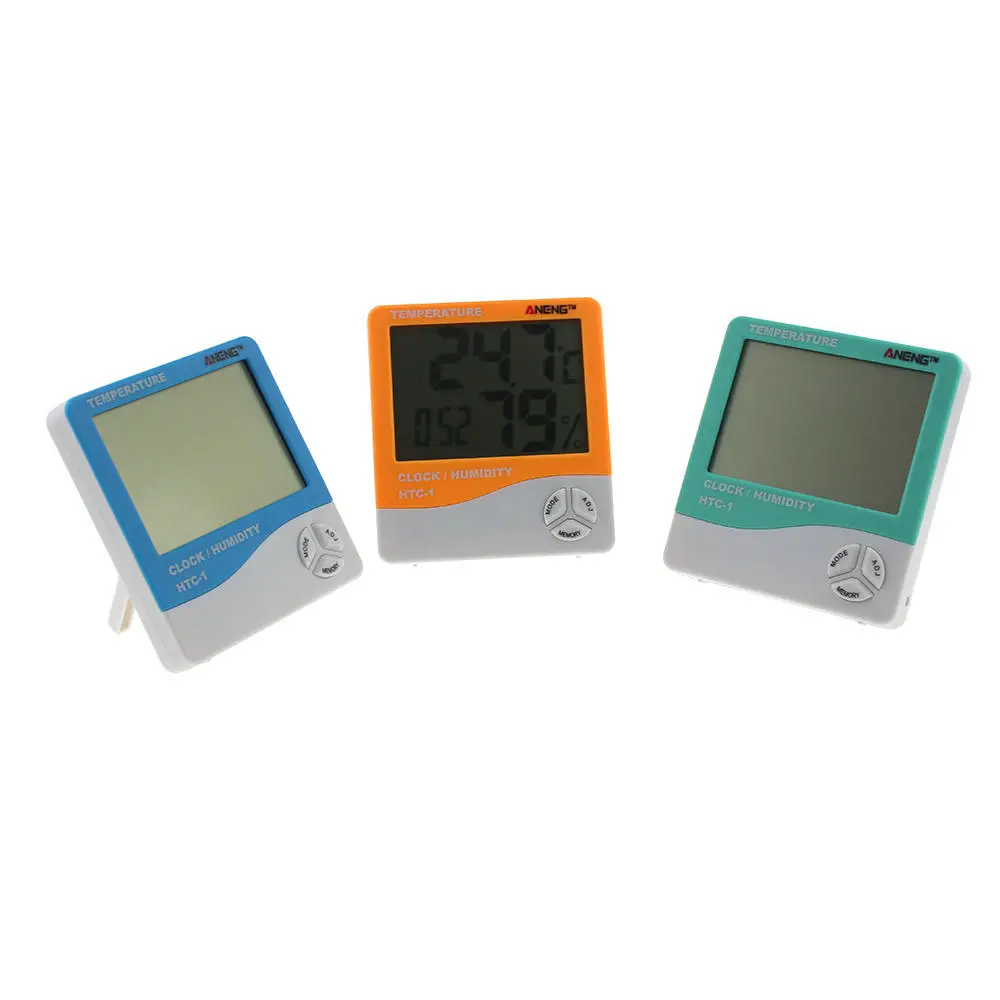
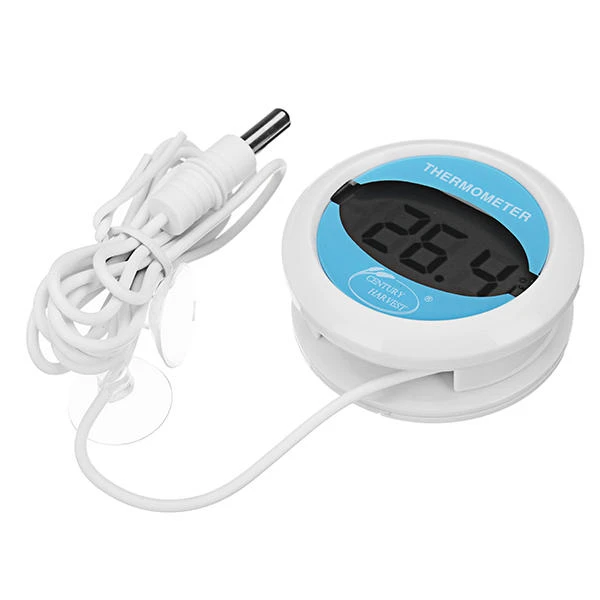
Today's hygrometers come in various types to suit different needs and preferences. **Digital hygrometers** are the most popular for home use, offering precise readings, clear displays, and often additional features like temperature measurement, historical data (min/max), and comfort indicators. **Analog hygrometers**, with their classic dial faces, provide a traditional look that blends well with home decor, though they may require occasional calibration. For the tech-savvy, **smart hygrometers** connect to your home Wi-Fi or Bluetooth, allowing you to monitor conditions remotely via a smartphone app, set alerts, and integrate with other smart home systems for automated climate control.
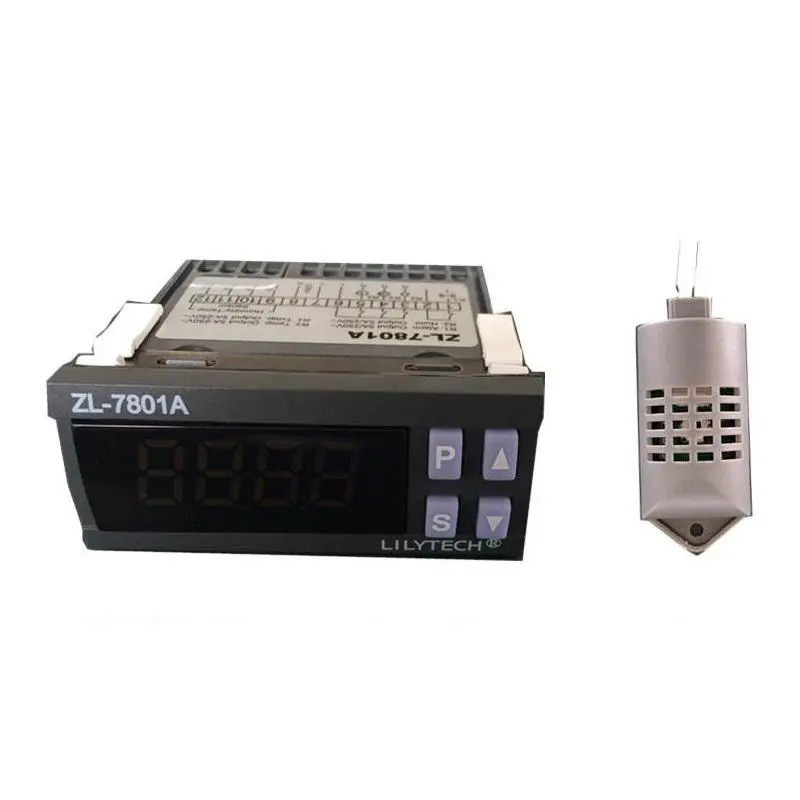
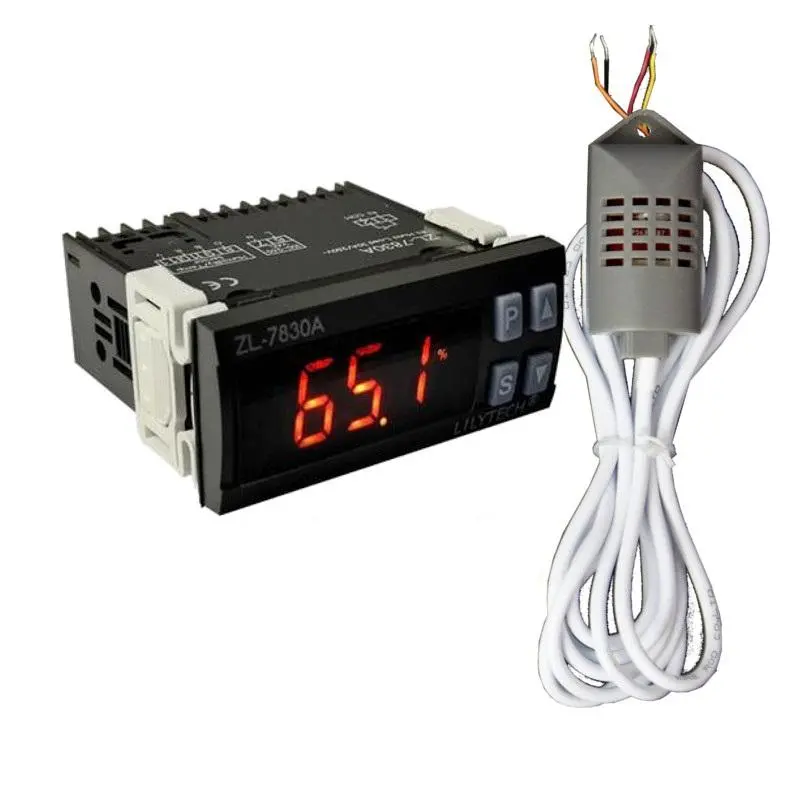
Key products in this category range from simple, portable units for a single room to advanced multi-sensor systems for monitoring an entire house. When choosing, consider placement—common spots include living rooms, bedrooms, basements, wine cellars, greenhouses, and cigar humidors. The primary benefit is prevention: a small investment in a hygrometer can prevent costly repairs to your home and protect your family's health by helping you maintain the ideal indoor humidity range, typically between 30% and 50%.
**Buying Guide & FAQ**
**Q: What should I look for when buying a hygrometer?**
A: Prioritize accuracy (look for +/- 2-3% RH), a clear display, and a responsive sensor. Consider extra features like temperature reading, memory functions, and placement options (tabletop, wall-mount, or magnetic). For specialized uses like a cigar humidor or greenhouse, seek a model designed for that specific environment.
**Q: Digital or analog hygrometer—which is better?**
A: Digital models generally offer greater accuracy, easier reading, and more features. Analog models are valued for their aesthetic and don't require batteries. For critical monitoring, digital is recommended.
**Q: How do I calibrate a hygrometer?**
A: Many digital models have a calibration function. A simple method is the 'salt test': seal the hygrometer in a bag with a saturated saltwater solution for 6-8 hours; it should read 75% RH. Adjust if possible. Some high-end models are pre-calibrated.
**Q: Where is the best place to put a hygrometer?**
A: Place it in the room you want to monitor, away from direct sunlight, vents, doors, and other sources of moisture or heat that could skew the reading. For a whole-home view, consider multiple units or a system with remote sensors.
Investing in the right hygrometer empowers you to create an optimal living space. Start by assessing your primary need—whether it's general home comfort, health concerns, or preserving valuables—and choose a reliable device that gives you the clarity and control you deserve over your indoor air quality.