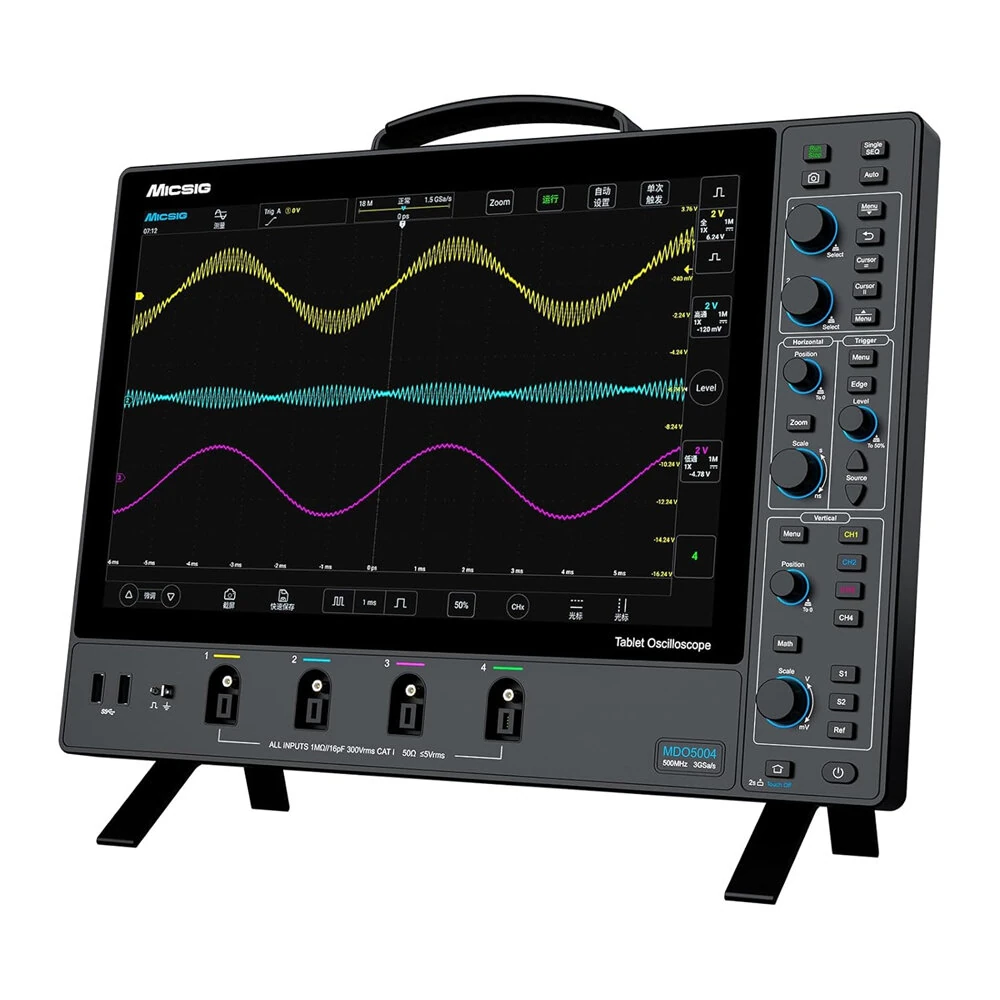
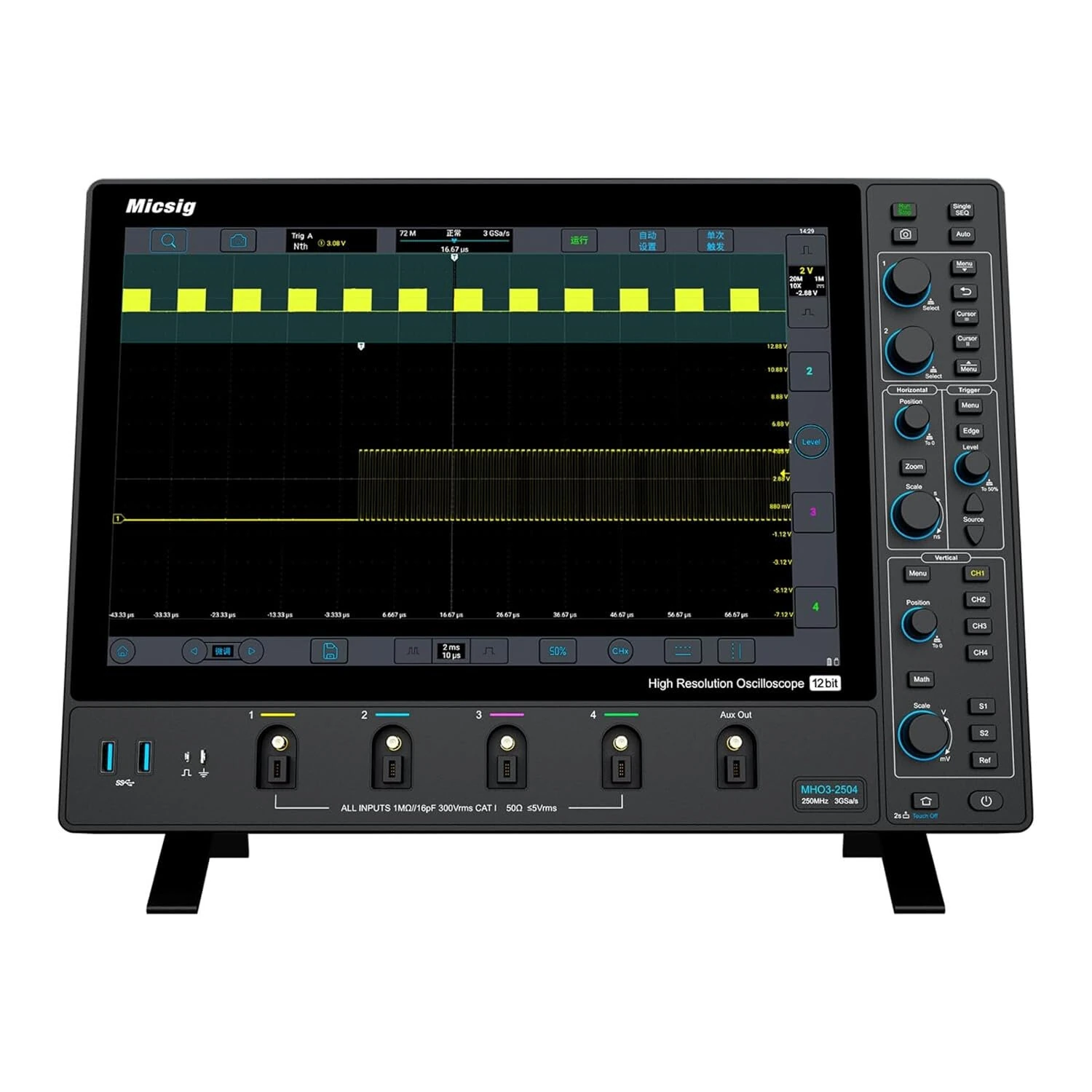
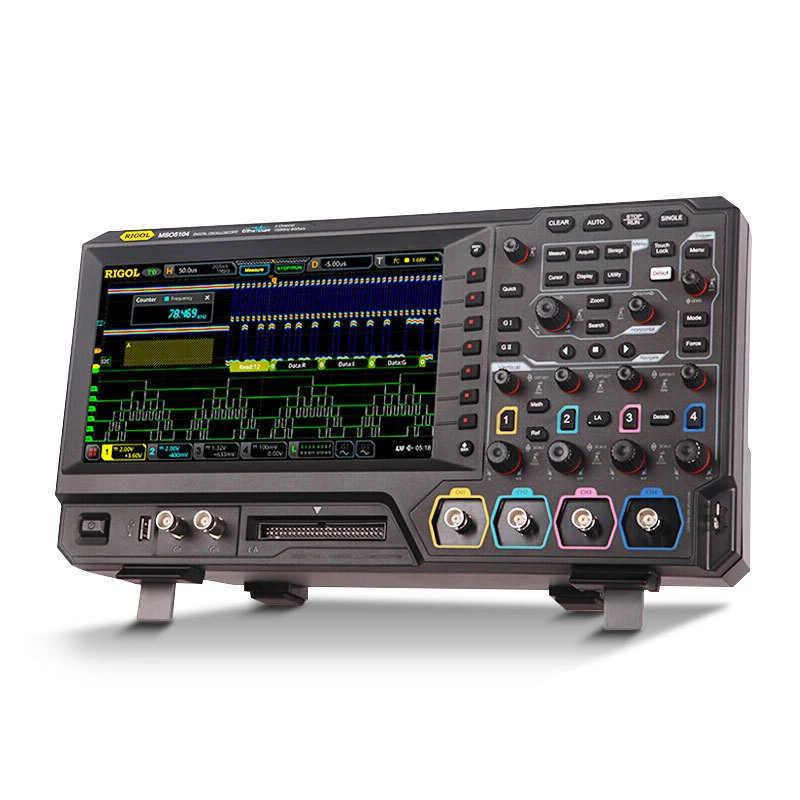
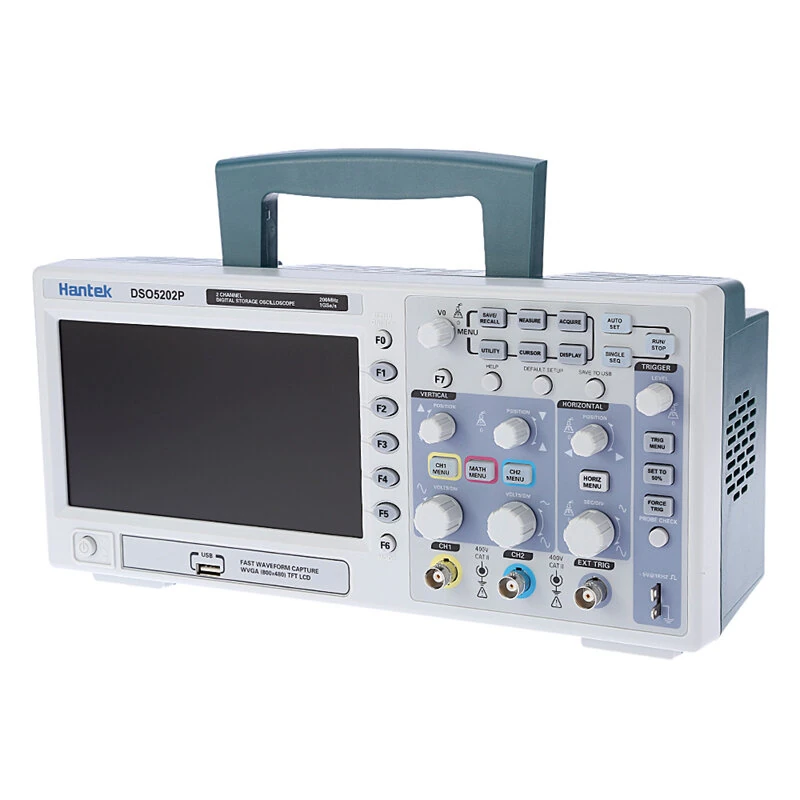
Oscilloscopes are the fundamental diagnostic tool for engineers, technicians, and hobbyists working with electronics. At their core, these instruments visualize electrical signals as a voltage-versus-time graph, allowing you to see the 'heartbeat' of a circuit. This visual representation is indispensable for debugging, testing, and designing everything from simple Arduino projects to complex communication systems. Modern oscilloscopes have evolved far beyond basic waveform viewing, offering powerful analysis capabilities that can save countless hours of troubleshooting.
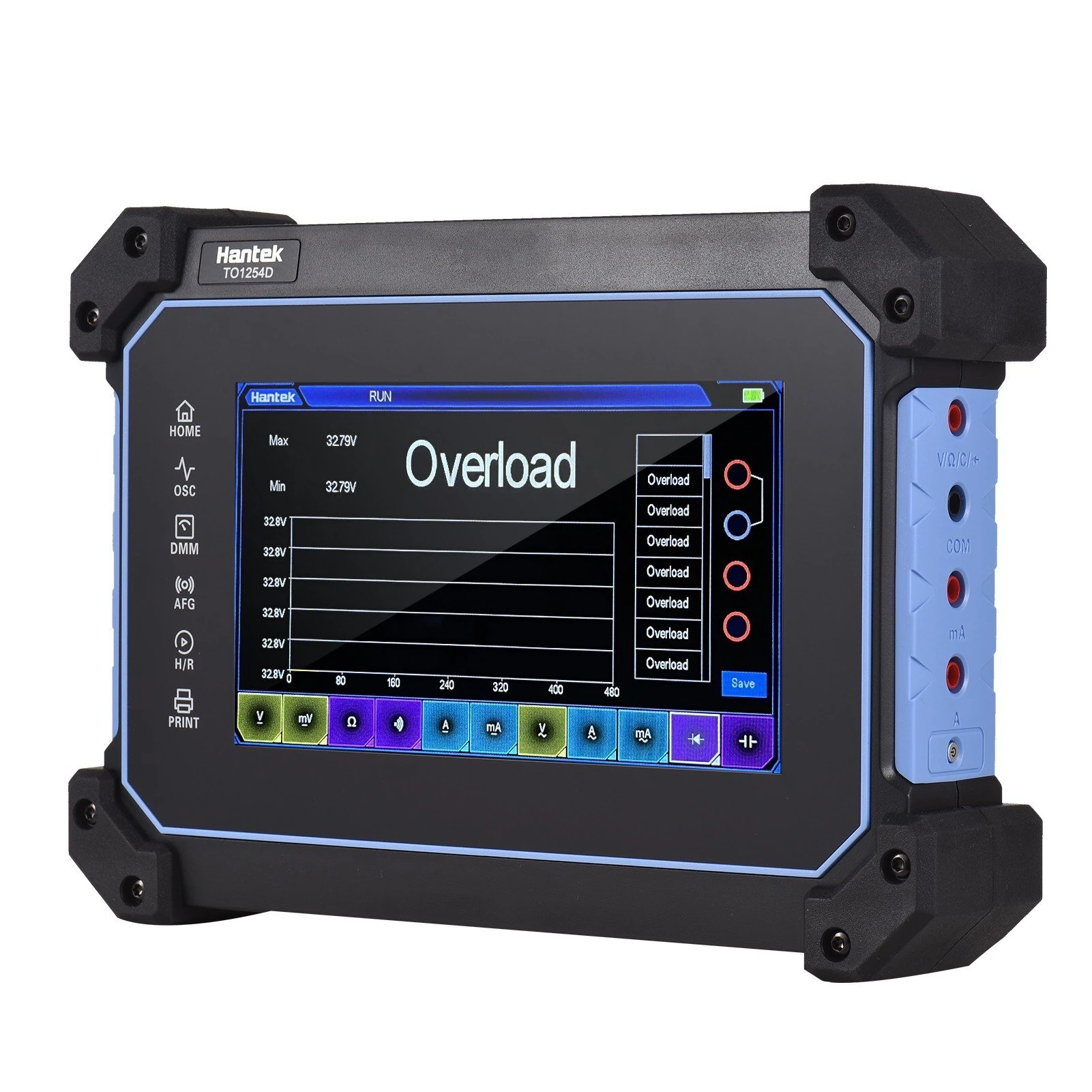
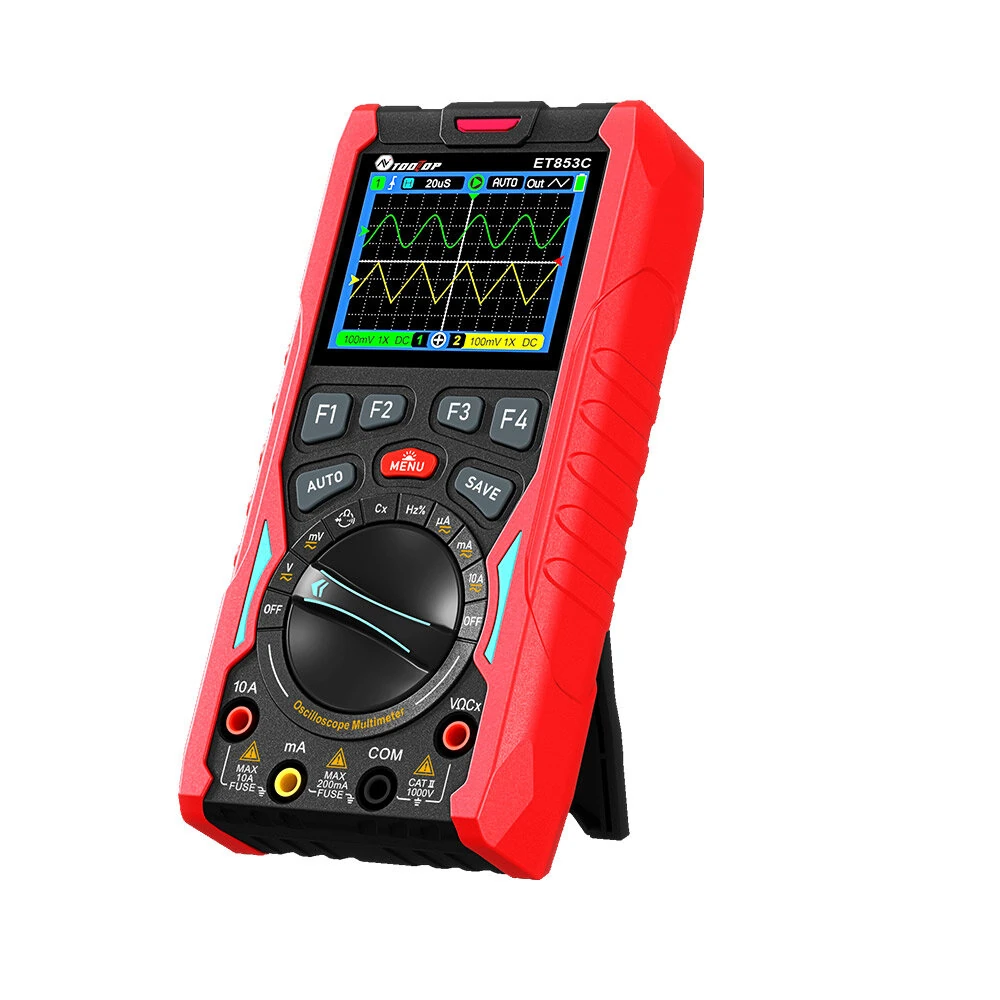
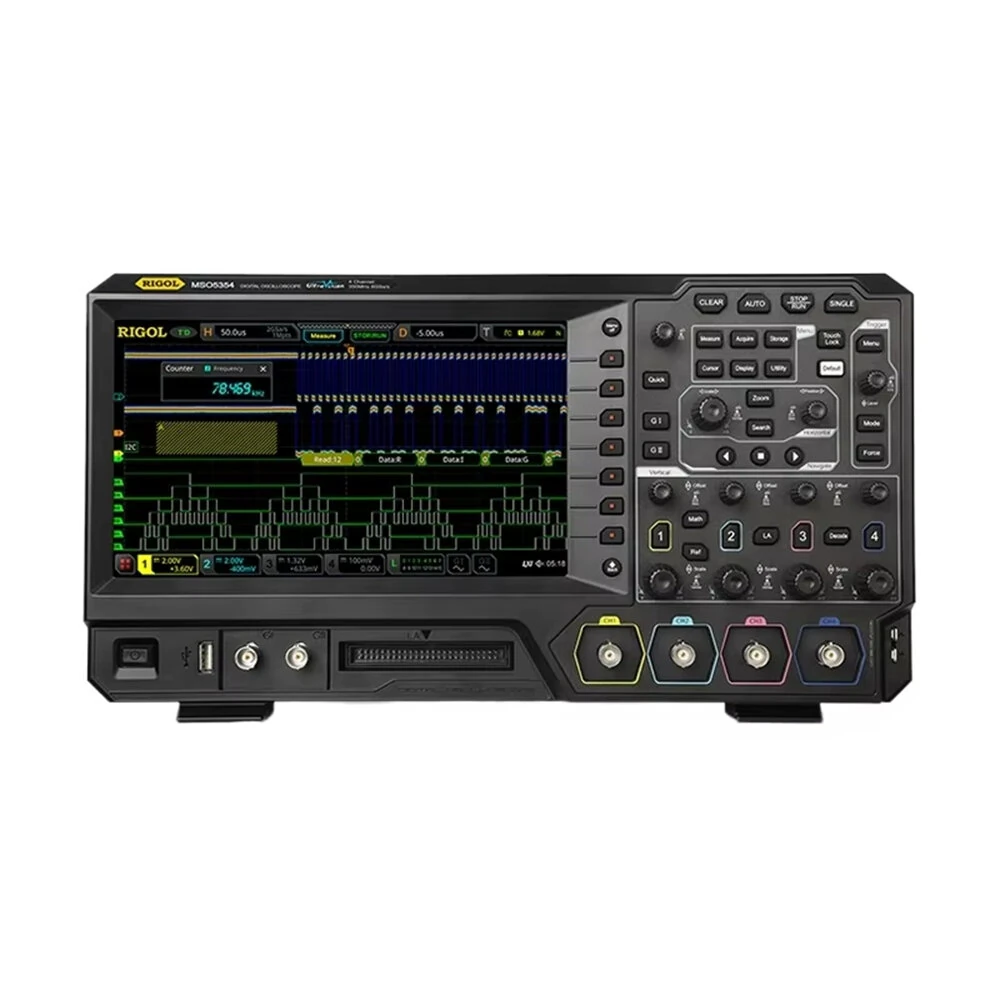
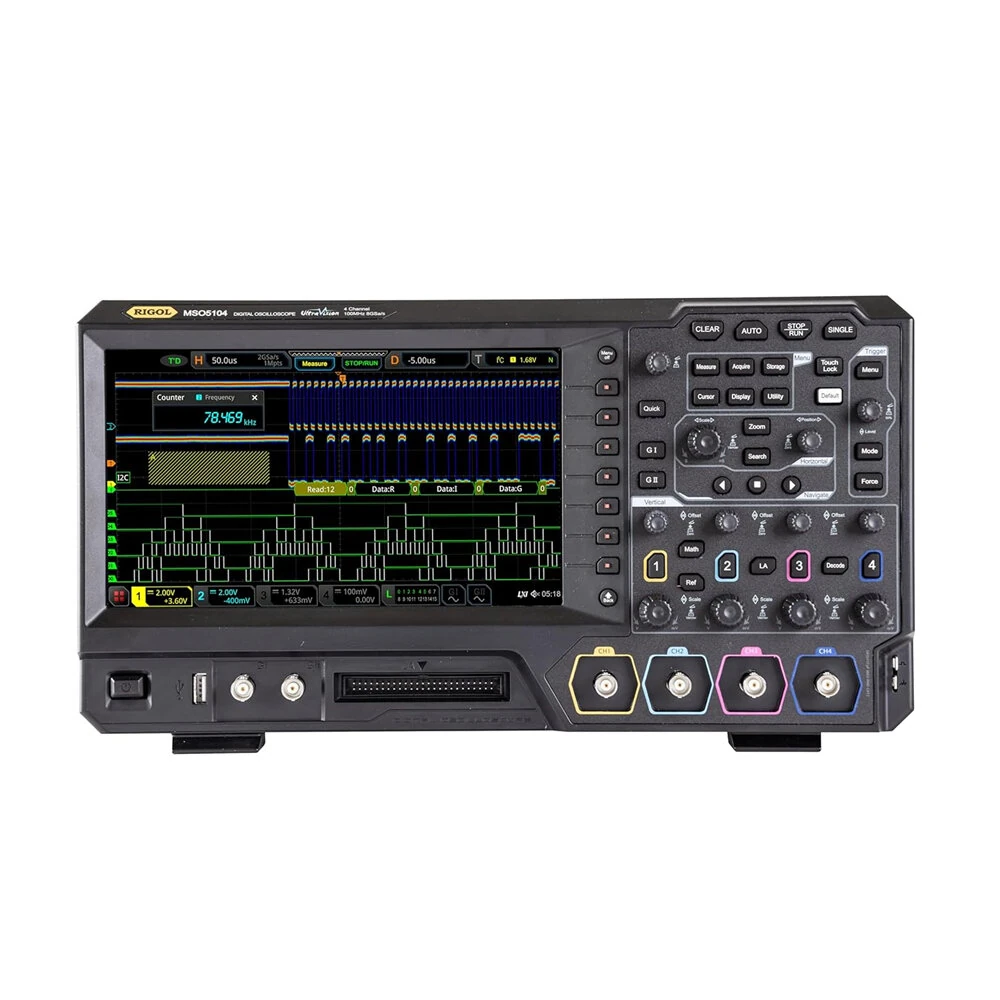
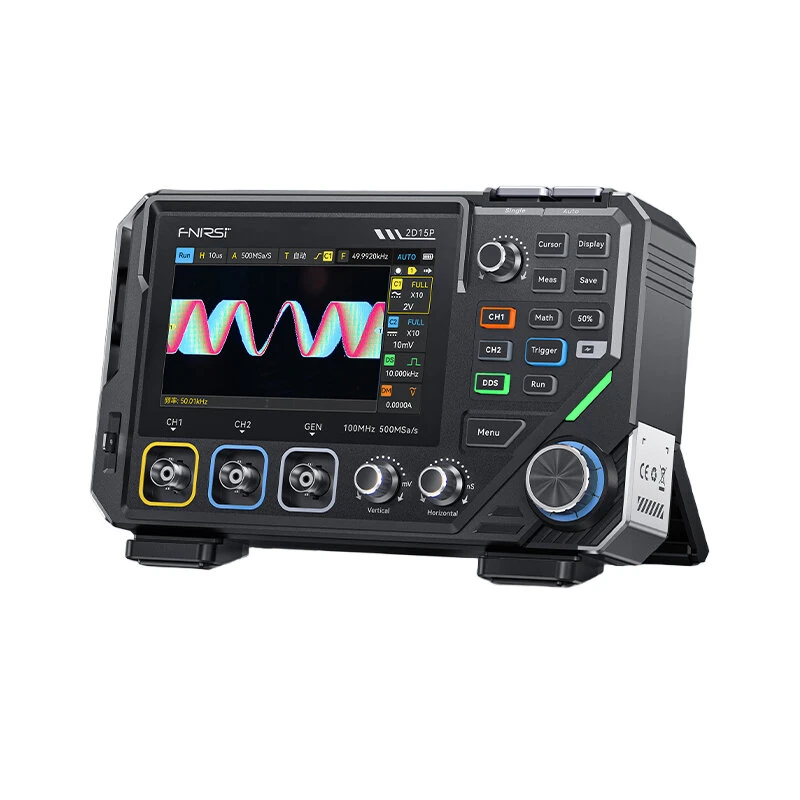
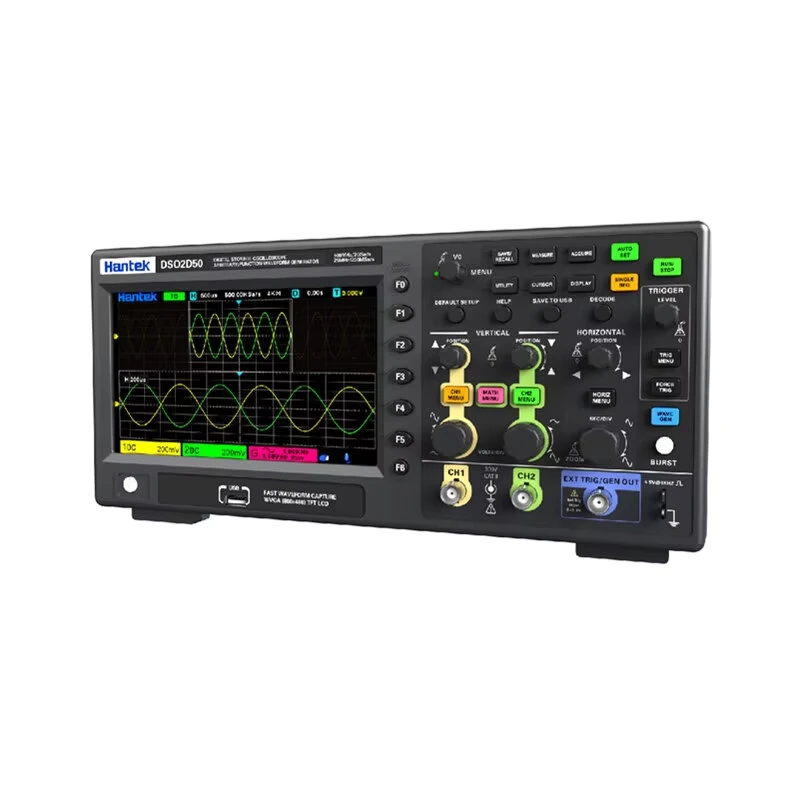
The primary categories of oscilloscopes include digital storage oscilloscopes (DSOs), mixed signal oscilloscopes (MSOs), and portable/handheld models. DSOs are the industry standard, capturing and storing waveforms digitally for detailed analysis, precise measurements, and easy sharing of data. For more advanced applications involving both analog and digital signals, MSOs integrate logic analyzer functionality, making them ideal for embedded system design. For field service or educational use, portable oscilloscopes offer robust performance in a battery-powered, compact form factor.
Key benefits of using a modern oscillilloscope include the ability to measure signal amplitude, frequency, rise time, and much more. They can capture transient events, decode serial communication protocols like I2C or SPI, and perform advanced mathematical functions on waveforms. When selecting an oscilloscope, critical specifications to consider are bandwidth, sample rate, number of channels, and memory depth. A higher bandwidth allows you to accurately measure faster signals, which is crucial for high-speed digital work. Investing in the right scope empowers you to verify circuit performance, identify anomalies, and ensure your electronic designs operate reliably.
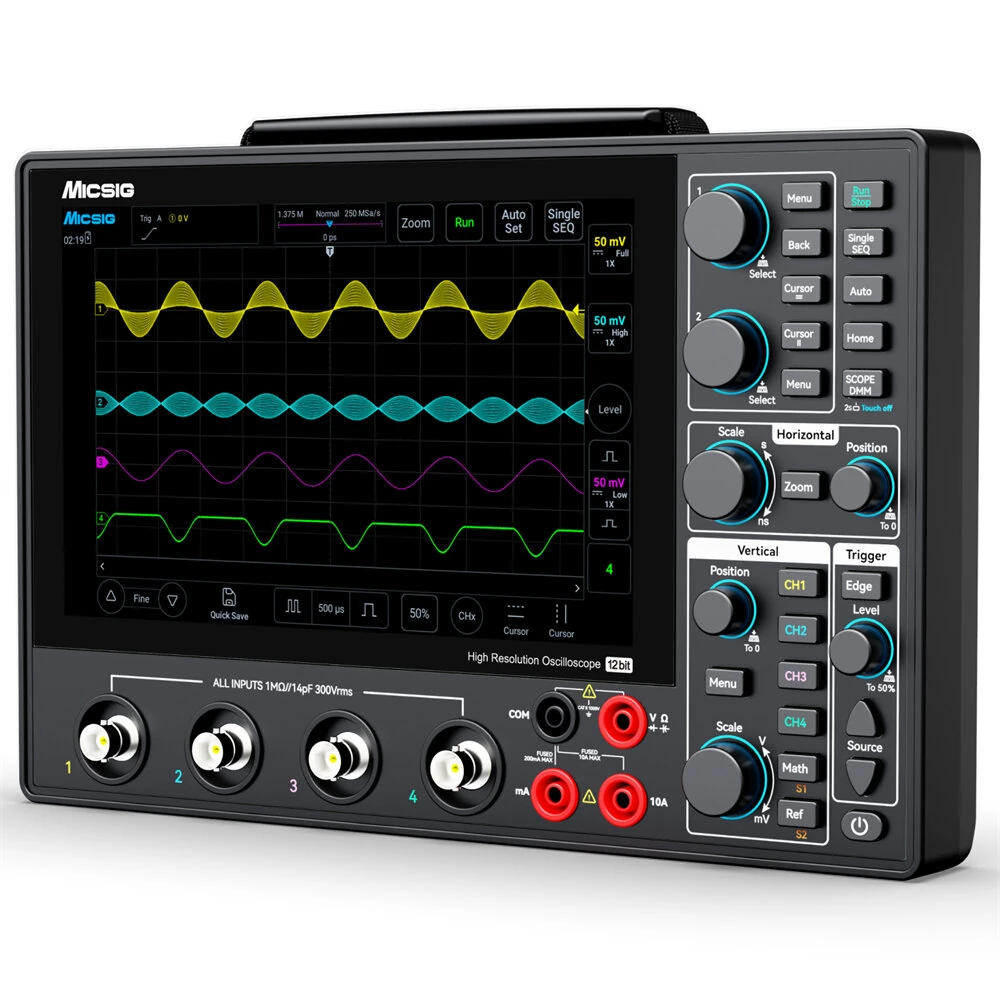
Choosing the right oscilloscope depends on your specific needs and budget. Start by determining the required bandwidth; a good rule of thumb is to select a scope with a bandwidth at least 5 times the highest frequency signal you need to measure. For general microcontroller work, 50-100 MHz is often sufficient, while high-speed digital designs may require 1 GHz or more. The number of channels is another key decision; two channels are standard, but four or more are essential for comparing multiple signals simultaneously, such as in power electronics or complex digital systems.
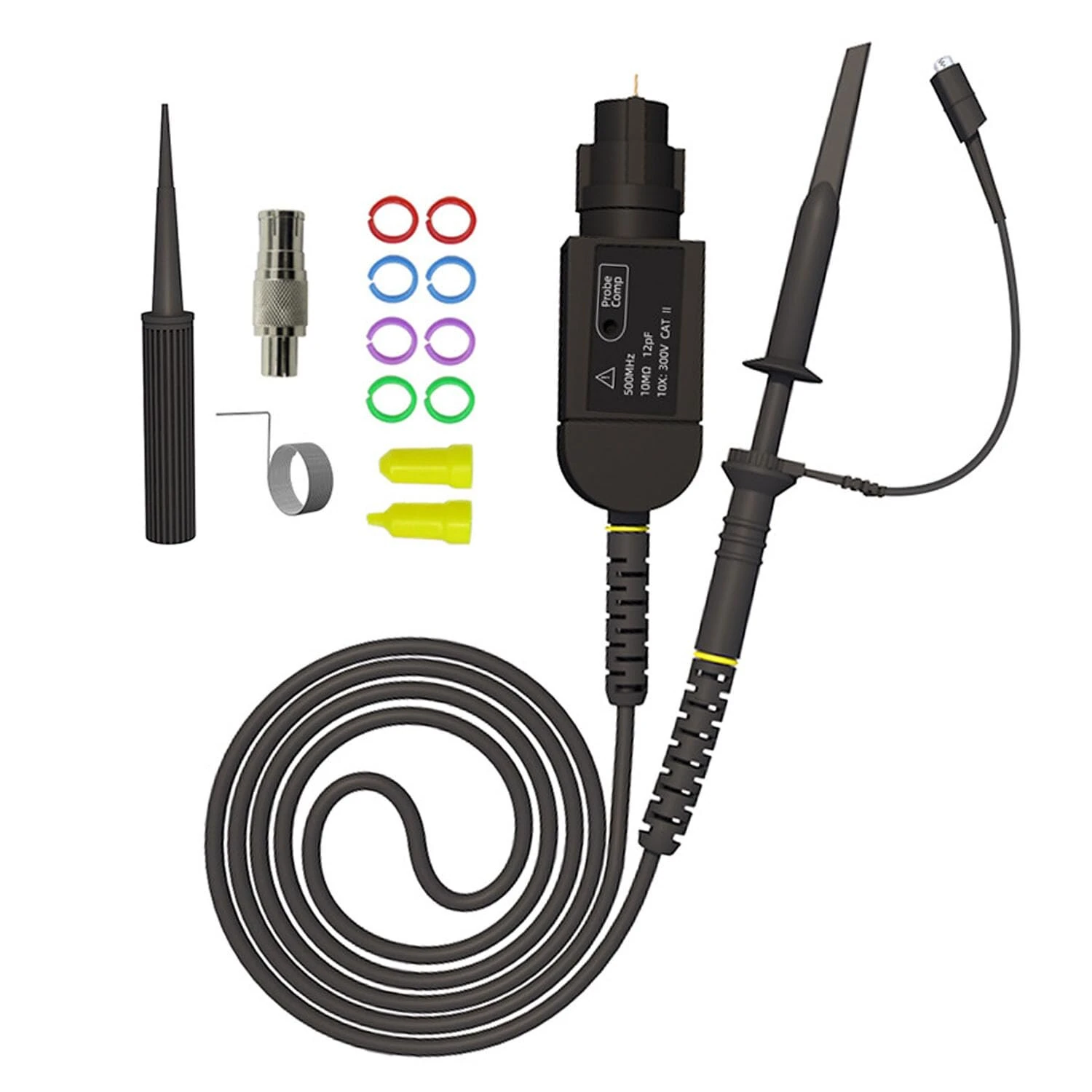
Frequently Asked Questions: **What is the difference between analog and digital oscilloscopes?** Analog scopes display signals in real-time on a cathode-ray tube (CRT), while digital scopes sample, digitize, and store the signal for advanced analysis and storage. Digital models are now the predominant choice. **Do I need a portable or benchtop model?** Benchtop scopes offer higher performance and larger displays for lab environments. Portable scopes provide flexibility for fieldwork or educational settings where mobility is key. **What accessories are essential?** High-quality passive probes are included, but consider investing in specialized probes (e.g., high-voltage, current, or differential) for specific applications. Ultimately, the best oscilloscope is one that matches your signal requirements, offers an intuitive interface, and grows with your projects.