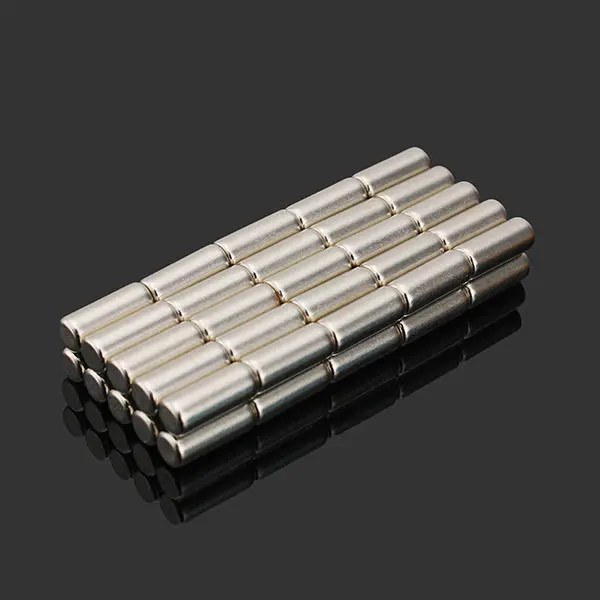
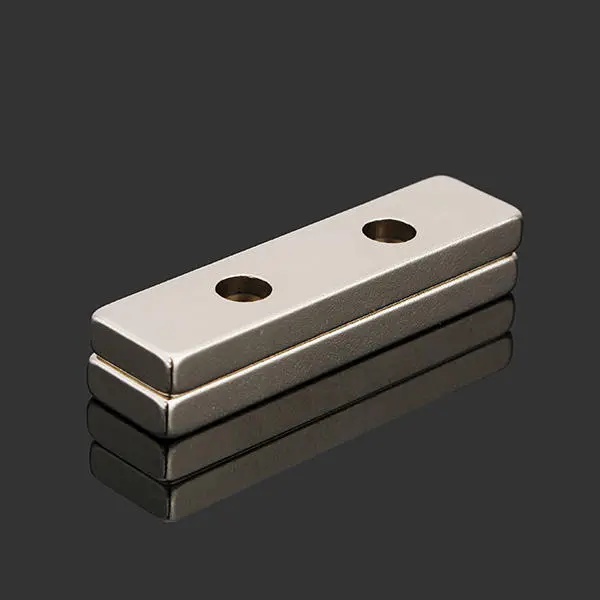
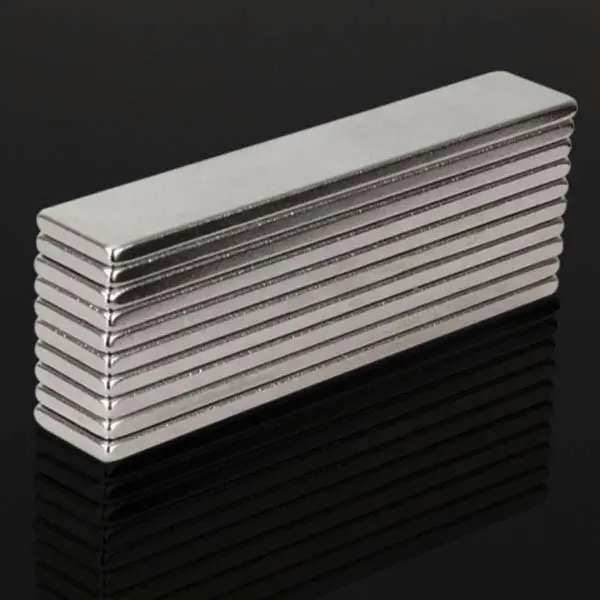
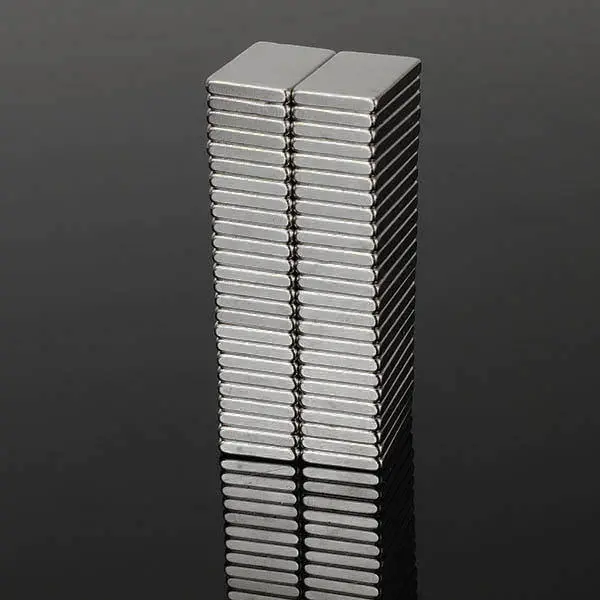
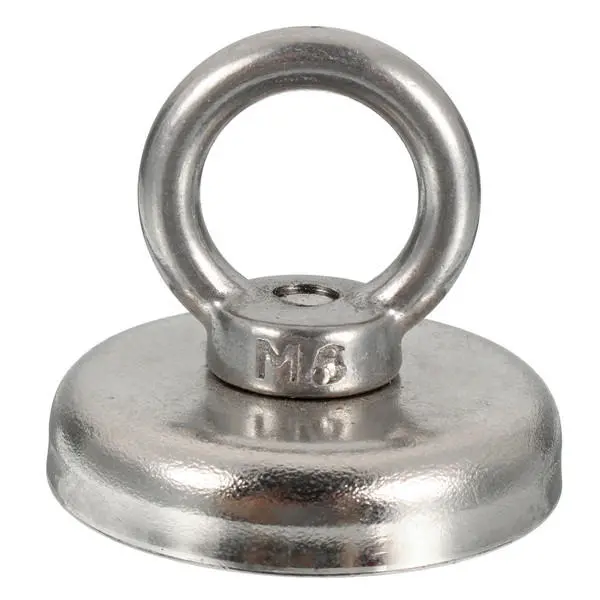
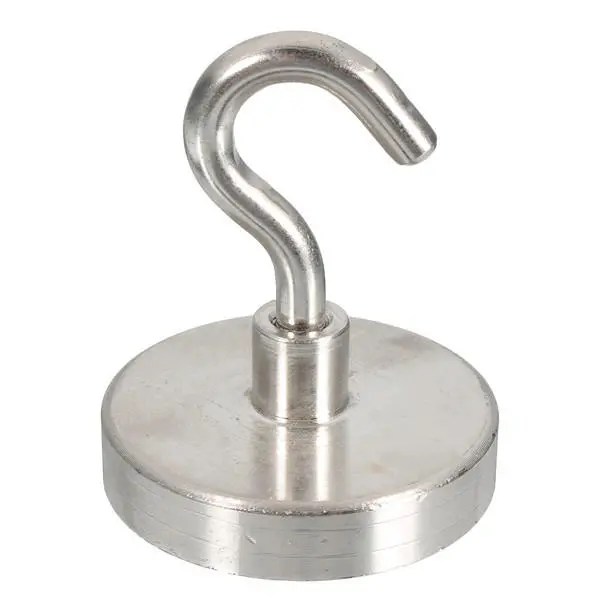
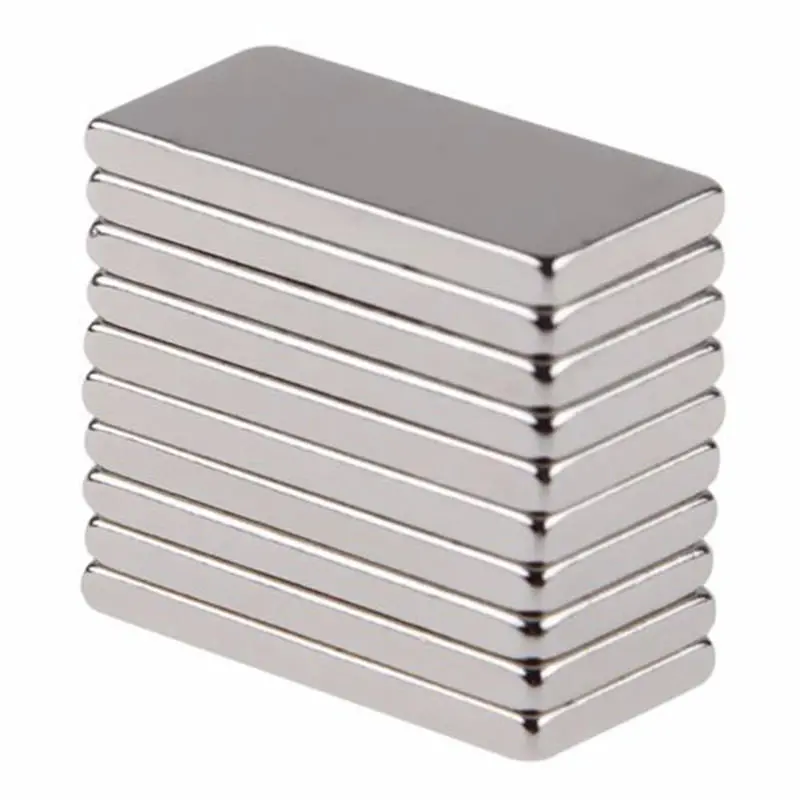
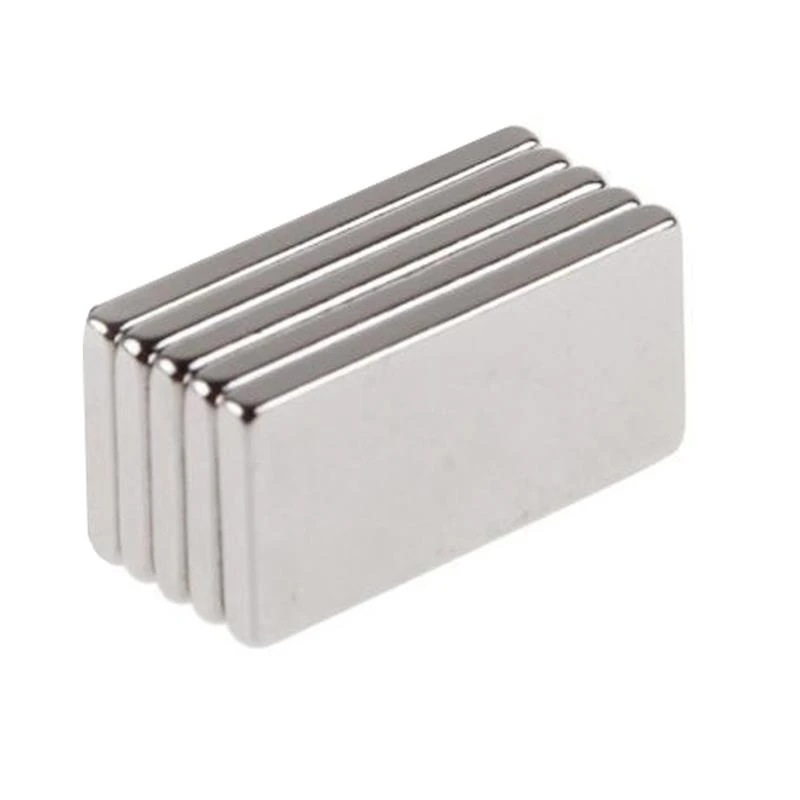
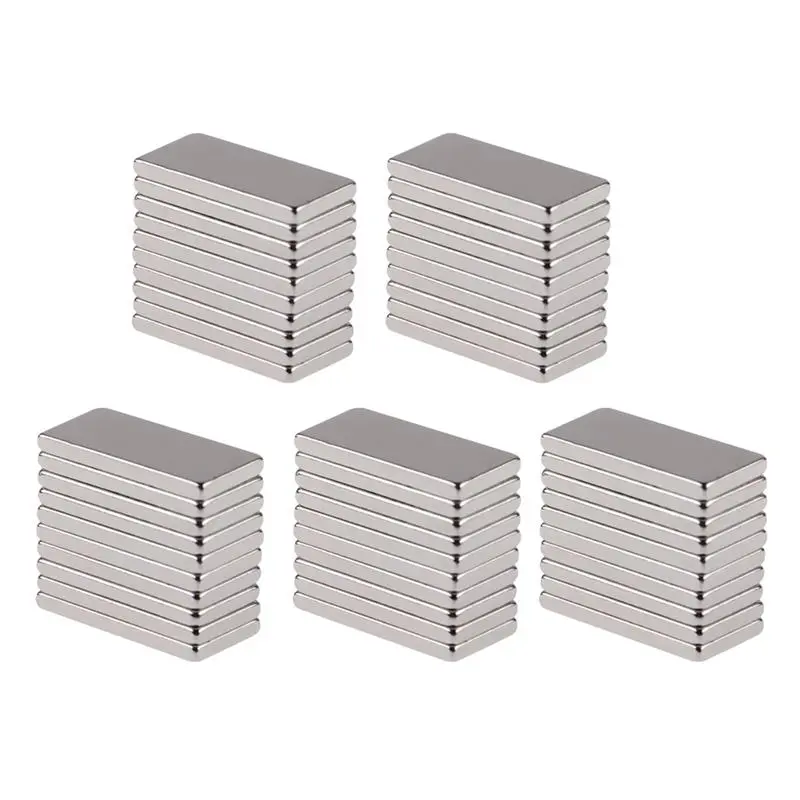
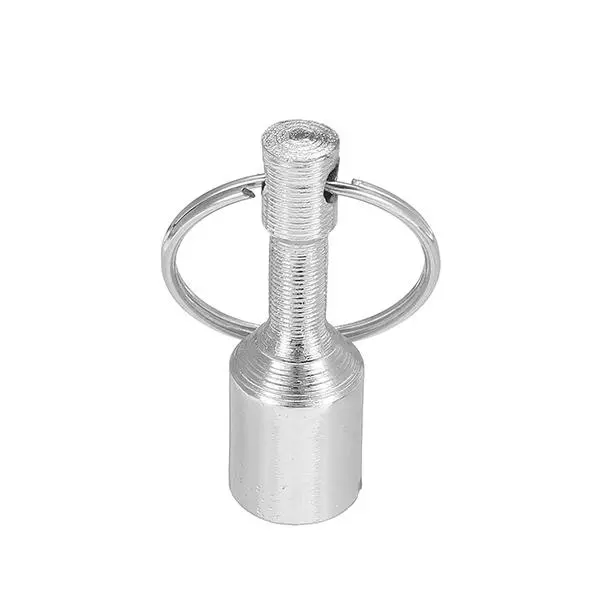
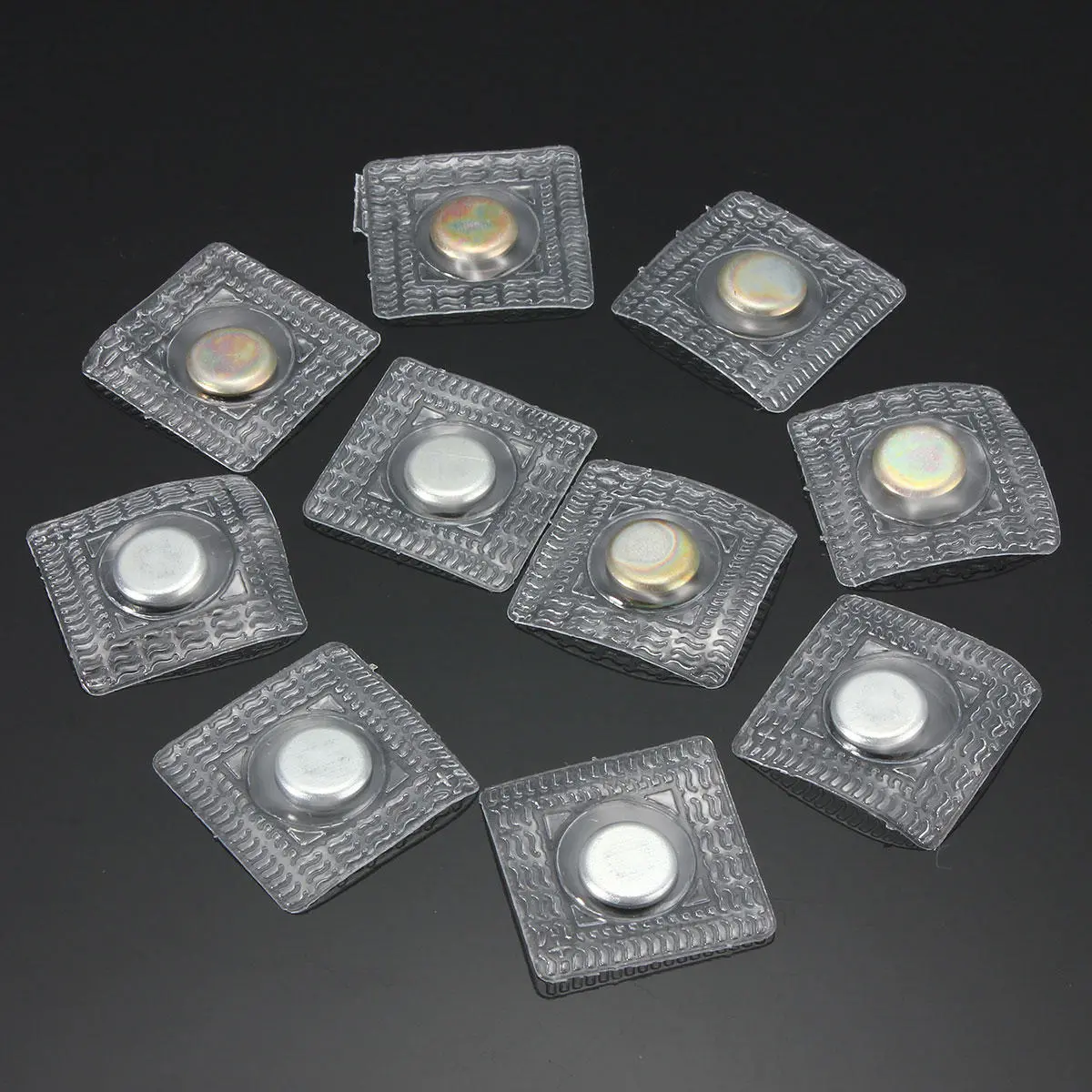
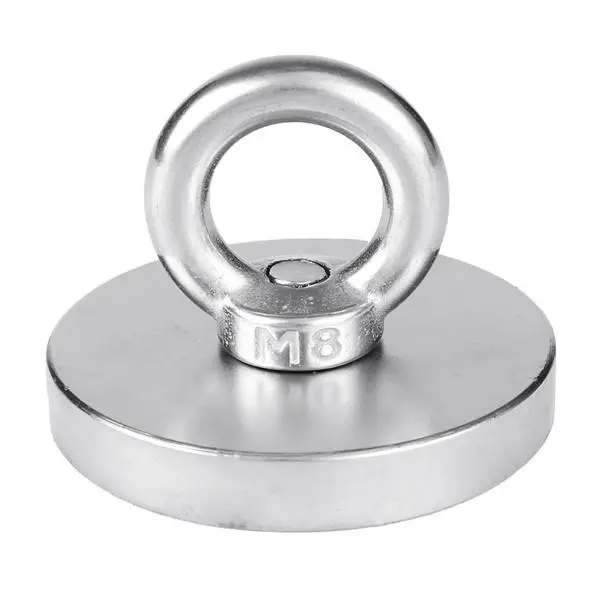
Magnets are fundamental tools that power modern life, offering invisible force for countless applications. Far beyond simple fridge decorations, today's magnet category encompasses a vast array of types, strengths, and specialized uses. The key product families include powerful Neodymium Rare Earth Magnets, known for their exceptional strength in a compact size, ideal for heavy-duty holding, crafting, and industrial fixtures. Ceramic or Ferrite Magnets provide a cost-effective, corrosion-resistant solution for everyday tasks, whiteboards, and speakers. Flexible Magnetic Strips and Sheets revolutionize organization, allowing for custom tool holders, signage, and cabinet closures. For the home and office, decorative and practical Fridge Magnets, Magnetic Hooks, and Clips deliver clever storage solutions without damaging surfaces.
The benefits of integrating magnets into your workflow or home are immense. They promote unparalleled organization, enabling clean, tool-free mounting and space-saving storage. Their holding power is reliable and reusable, reducing the need for adhesives, screws, or nails that can cause permanent damage. In industrial and DIY contexts, magnets facilitate precise positioning, jig building, and material handling, enhancing both safety and efficiency. From securing a kitchen towel to holding a heavy-duty fixture in a workshop, the right magnet offers a simple, elegant, and powerful solution. Understanding the different grades, coatings (like nickel or rubber), and shapes (discs, blocks, rings, rods) is key to selecting the perfect magnet for durability and performance in your specific environment.
Choosing the right magnet depends on your specific application. First, consider the required Pull Force or holding strength, often measured in pounds or kilograms. For heavy objects, neodymium magnets are superior. Next, evaluate the environment: will the magnet be indoors, outdoors, or exposed to moisture? Neodymium magnets require protective coatings to prevent corrosion, while ceramic magnets are naturally more resistant. For temporary mounting or surfaces you don't want to mar, look for magnets with adhesive backs or rubber coatings.
FAQ: Are strong magnets dangerous? Yes, powerful neodymium magnets can pose a pinching hazard and should be kept away from electronics, pacemakers, and credit cards. Can magnets lose strength? Over very long periods or if exposed to high temperatures (especially neodymium), magnets can demagnetize. How do I separate strong magnets? Slide them apart sideways; pulling directly apart is difficult and risky. Always handle with care. For most household organization, flexible magnetic sheets or ceramic magnets are excellent starting points, while serious DIY and industrial projects will benefit from the incredible strength of graded neodymium rare earth magnets.