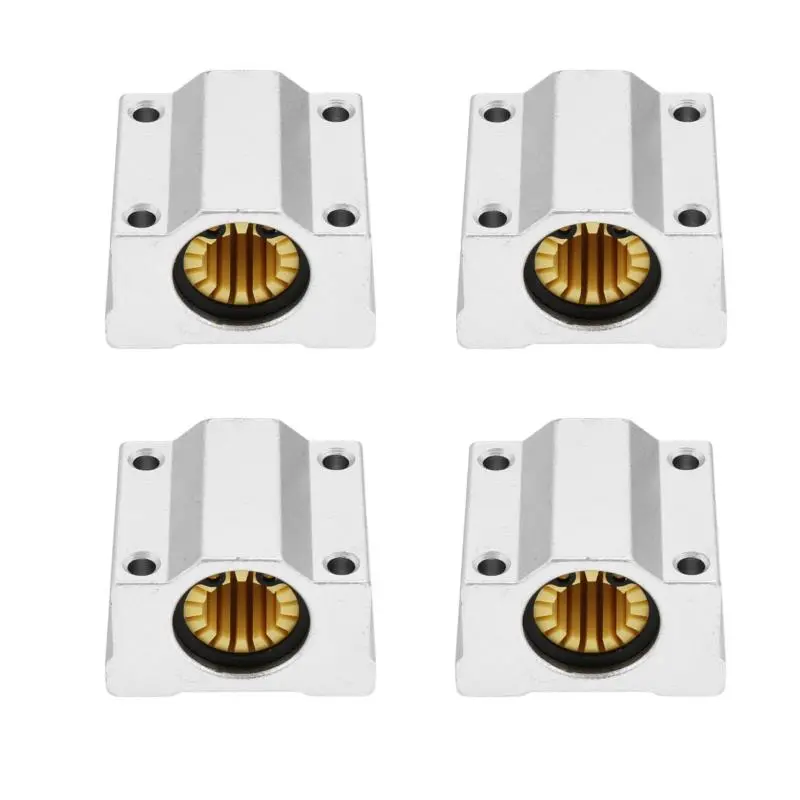
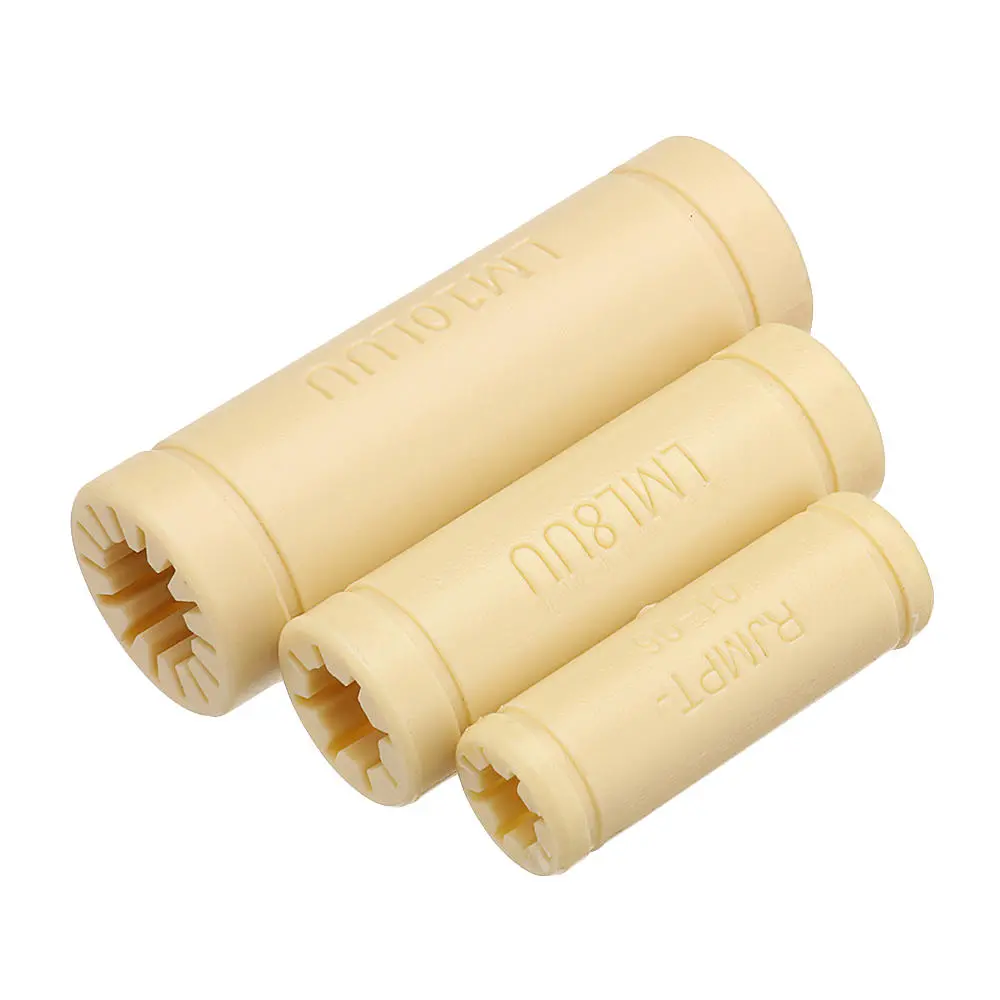
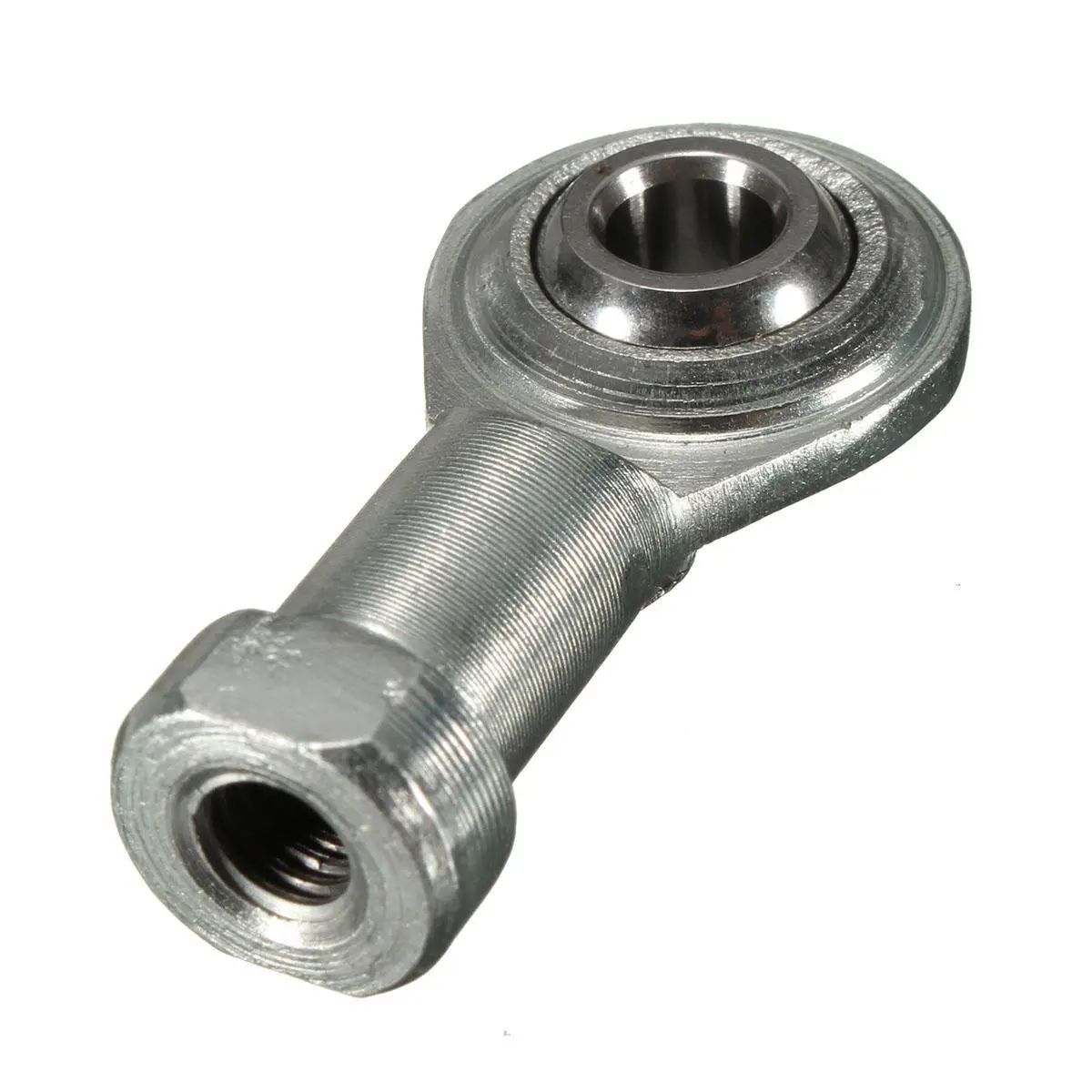
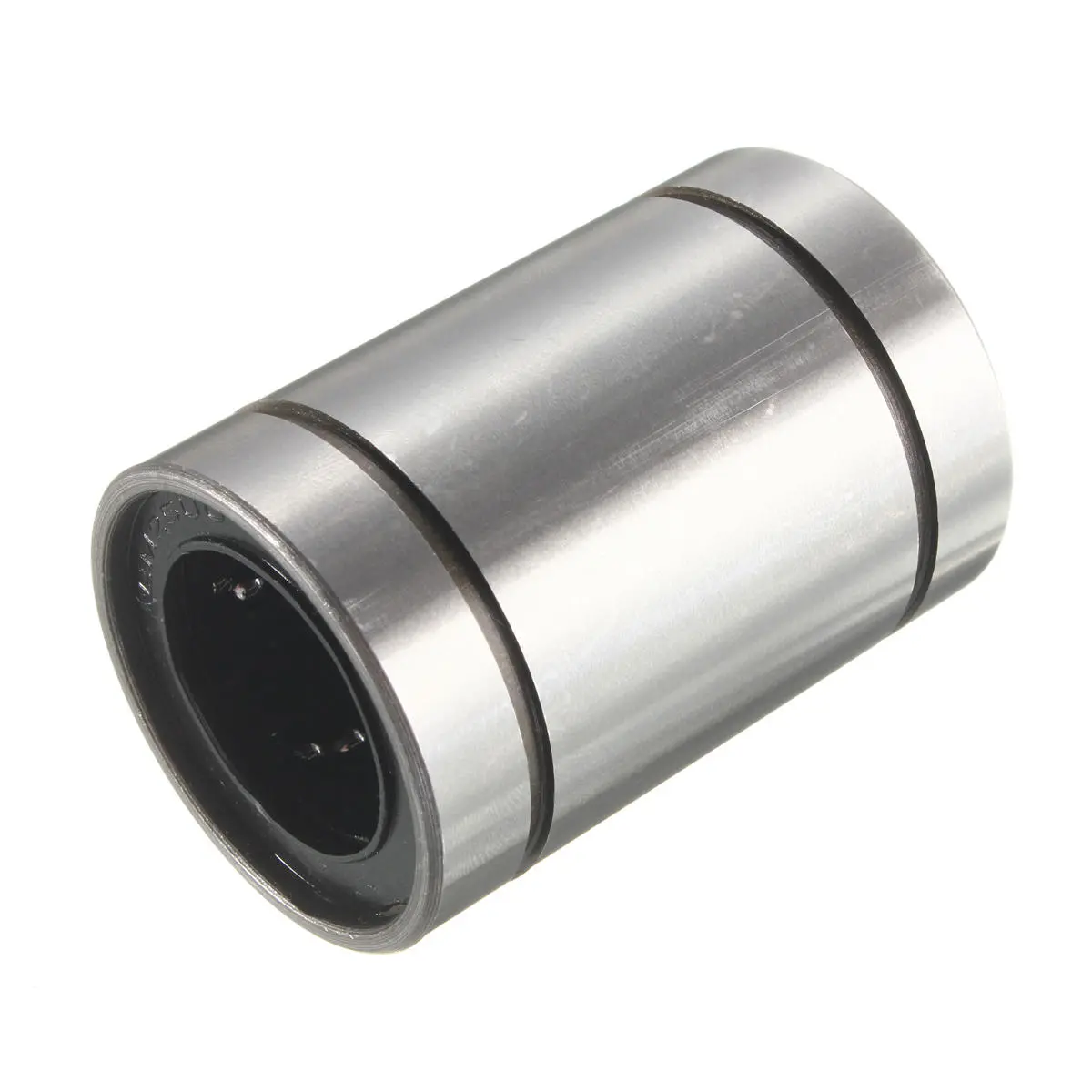
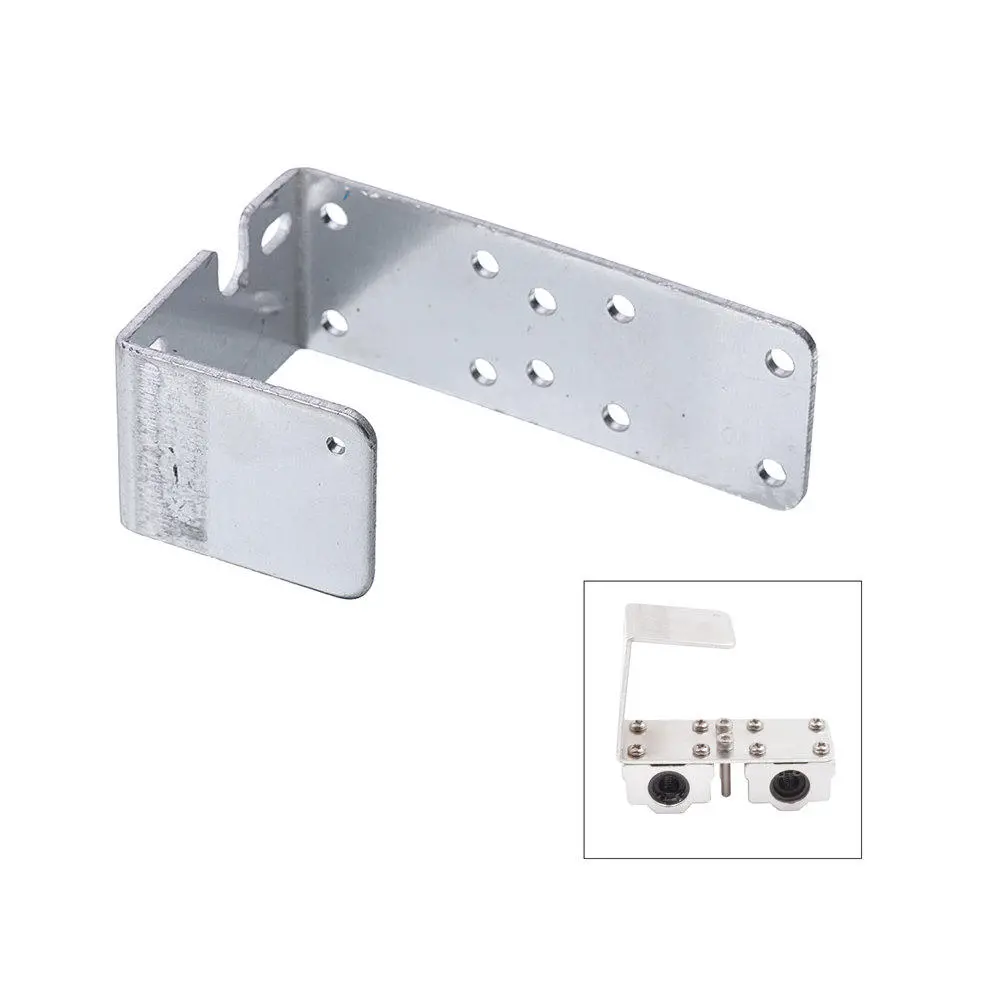
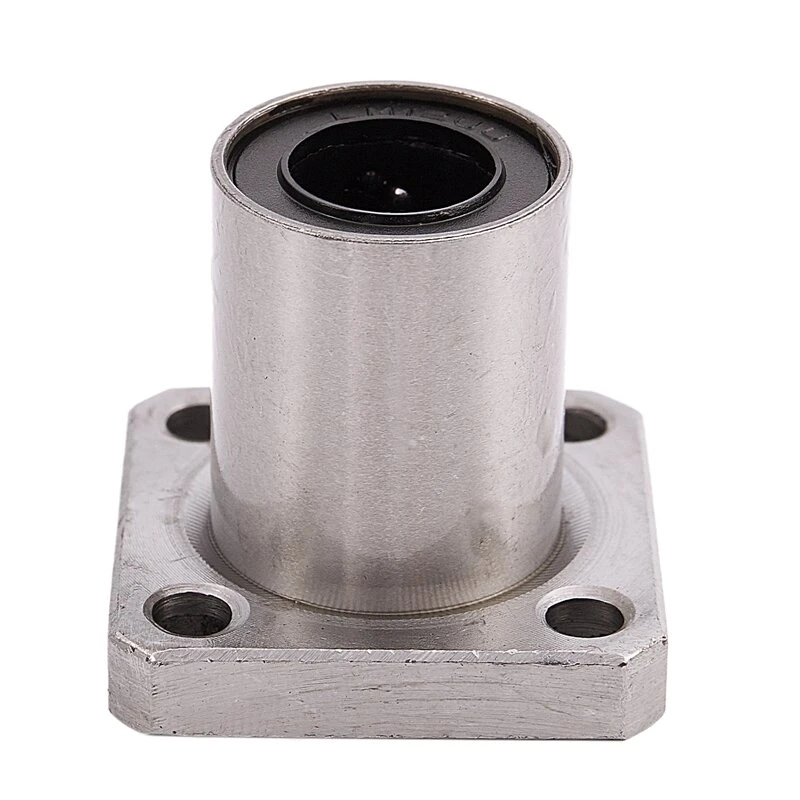
Linear bearings are the fundamental components that enable precise, smooth, and low-friction linear motion in countless industrial and automation applications. Unlike rotary bearings, they are designed to move in a straight line along a fixed shaft or rail, providing critical support and guidance. This category encompasses a variety of key products, including standard ball bushings for round shafts, robust linear slide units, and integrated systems like pillow block bearings that simplify assembly. The primary benefits of incorporating linear bearings into your design are substantial. They dramatically reduce friction and wear, leading to longer equipment life and lower maintenance costs. Their precision ensures repeatable, accurate positioning, which is essential for CNC machines, 3D printers, pick-and-place robots, and medical devices. Furthermore, they allow for high-speed operation and can handle significant loads, both radial and axial, depending on the type. When selecting a linear bearing, engineers and buyers typically consider the housing style (such as open, closed, or adjustable), the material (often steel, stainless steel, or engineered polymers), and the internal rolling element (balls or rollers). The choice of companion rail—whether a hardened steel round shaft or a profiled linear guide rail—also defines the system's performance in terms of rigidity, accuracy, and load capacity. By understanding these core products and their inherent advantages, you can optimize your machinery for efficiency, reliability, and precision.
Choosing the right linear bearing requires careful consideration of your application's specific needs. Start by determining the load requirements: calculate both the radial and moment loads the bearing must support. Next, assess the required precision and smoothness of motion; profiled linear guide systems offer higher rigidity and accuracy than round shaft systems. Consider the operating environment—will the bearing be exposed to dust, debris, or moisture? Sealed or stainless-steel options are available for harsh conditions. Speed and acceleration rates also influence the choice, with recirculating ball designs excelling in high-speed scenarios. Finally, factor in ease of installation; pre-assembled pillow block units can significantly reduce assembly time. FAQ: **Q: What is the difference between a linear ball bearing and a linear roller bearing?** A: Ball bearings offer lower friction and higher speeds, while roller bearings provide greater load capacity and rigidity. **Q: Can I use a linear bearing on a standard stainless steel rod?** A: For optimal performance and lifespan, always pair linear bearings with precision-ground and hardened shafts designed for linear motion. Using a standard rod will lead to rapid wear. **Q: How do I maintain a linear bearing system?** A: Many are lubricated for life, but regular cleaning of the rail and re-lubrication (if applicable) is crucial in dirty environments to prevent premature failure. By addressing these key points, you can make an informed purchase that ensures longevity and peak performance for your linear motion system.