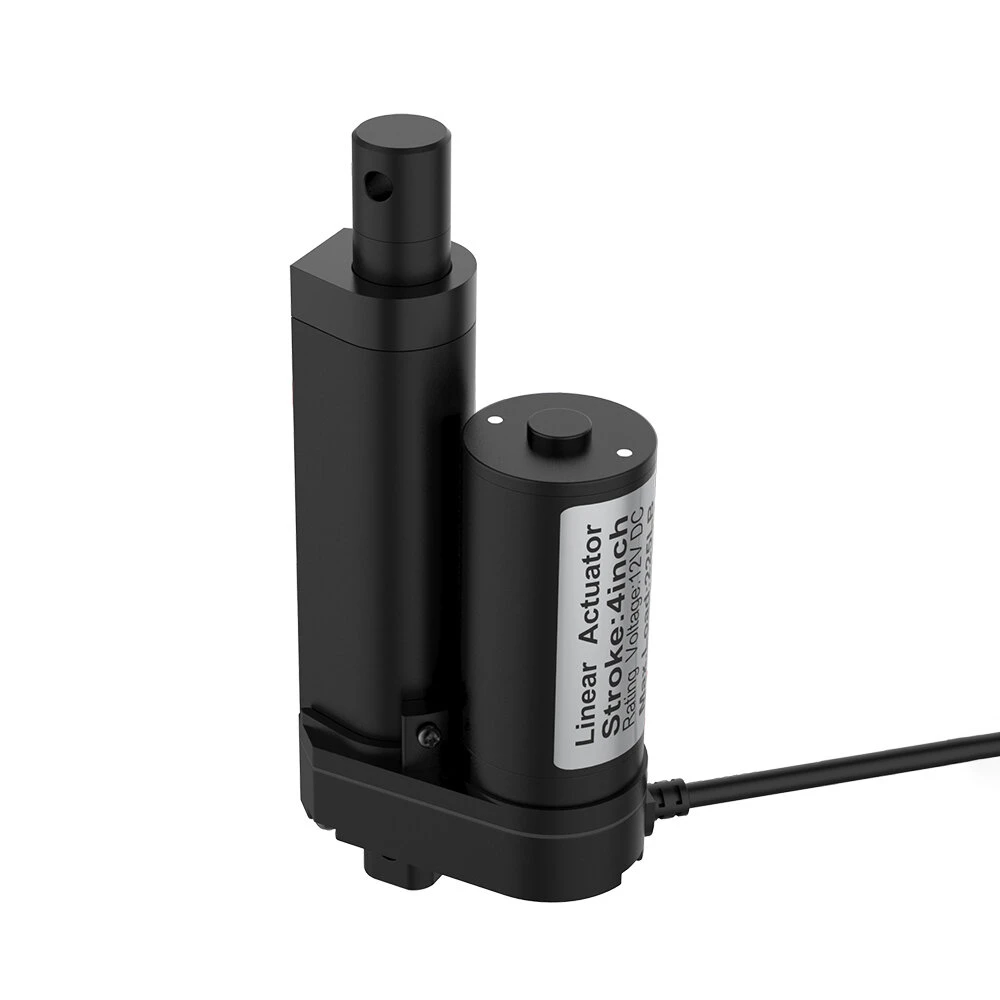
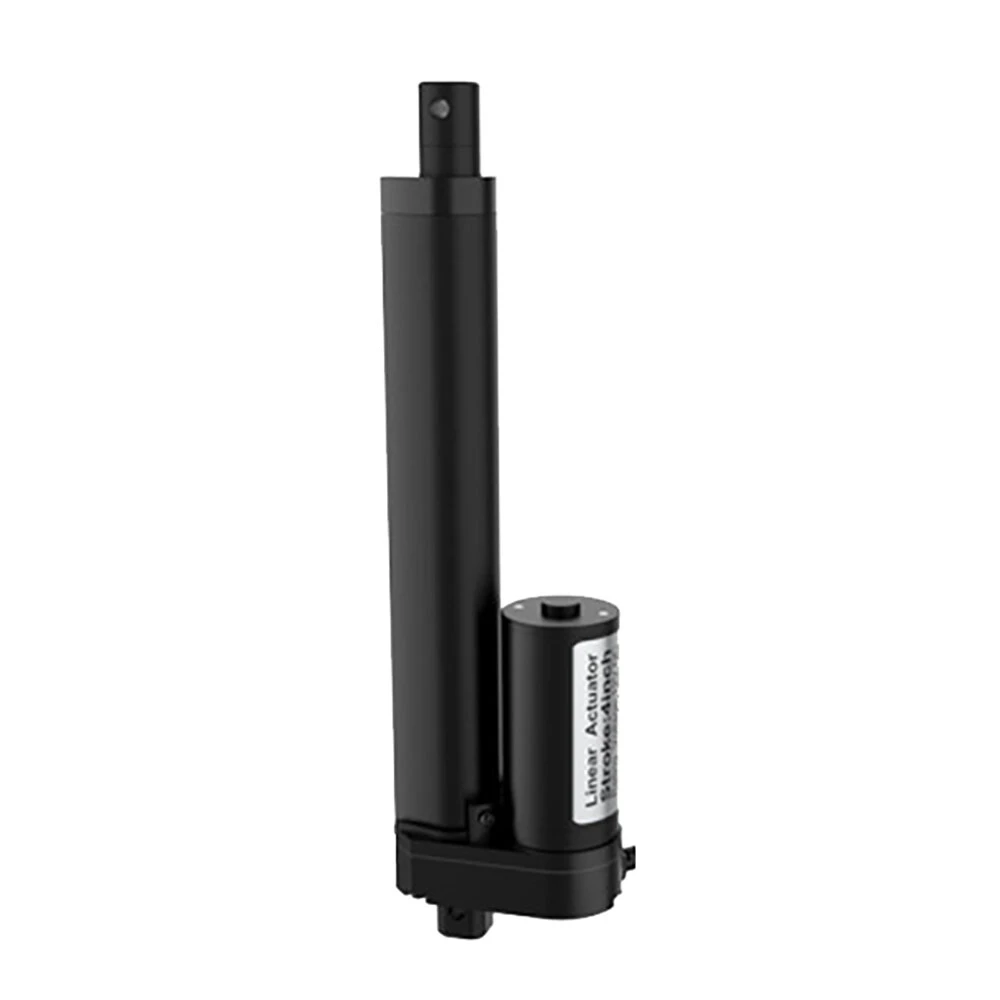
Linear actuators are the essential components that convert rotational motor power into precise, controlled push-pull linear motion. They are the driving force behind countless automated systems, offering a cleaner, quieter, and more efficient alternative to hydraulic or pneumatic cylinders. From simple 12-volt DC models perfect for DIY projects like adjustable desks and TV lifts, to robust industrial-grade actuators capable of moving massive loads in factory automation, this category encompasses a vast range of solutions. The core benefit of an electric linear actuator is its ability to provide accurate, repeatable positioning with simple electronic control, integrating seamlessly with sensors, switches, and programmable logic controllers (PLCs). Key product types include compact track actuators for space-constrained applications, heavy-duty actuators with high load capacities for industrial machinery, and tubular actuators known for their sleek design and durability. Modern linear actuators offer significant advantages: they are self-contained, require minimal maintenance, operate with low noise, and enable sophisticated automation with precise speed and position control. Whether you need to lift, lower, push, pull, tilt, or adjust, selecting the right linear actuator—based on load rating, stroke length, speed, and duty cycle—is crucial for building reliable and efficient mechanical systems for robotics, agriculture, healthcare, furniture, and material handling applications.
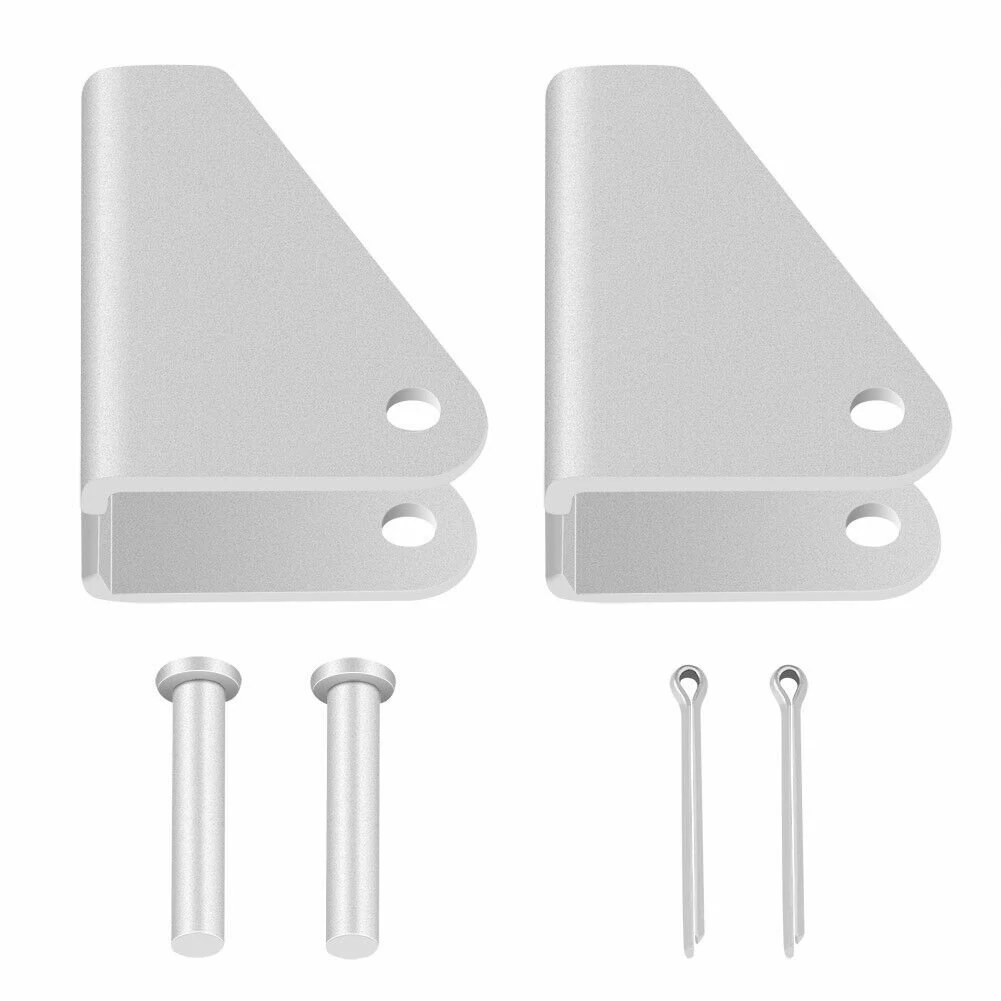
Choosing the right linear actuator requires evaluating several key specifications. First, determine the load capacity (static and dynamic) your application needs, always including a safety margin. Next, identify the required stroke length—the distance the actuator must travel. Consider the operating speed and whether variable speed control is necessary. The voltage (common are 12V DC, 24V DC, or 110V AC) must match your power supply. For outdoor or harsh environments, look for actuators with high IP (Ingress Protection) ratings for water and dust resistance. Finally, assess the duty cycle—how often the actuator will run—to avoid overheating. FAQ: Q: Can I control an actuator's position precisely? A: Yes, many actuators come with built-in potentiometers or can be paired with external controllers for feedback and precise positioning. Q: What's the difference between a standard and a high-duty cycle actuator? A: Duty cycle refers to the ratio of on-time to off-time. A high-duty cycle actuator is built to run continuously or more frequently without overheating. Q: Are linear actuators easy to install? A: Most are designed for straightforward mounting via clevis or trunnion brackets, with simple two-wire connections for basic extend/retract functions. Always consult the manufacturer's datasheet for detailed installation and wiring instructions.