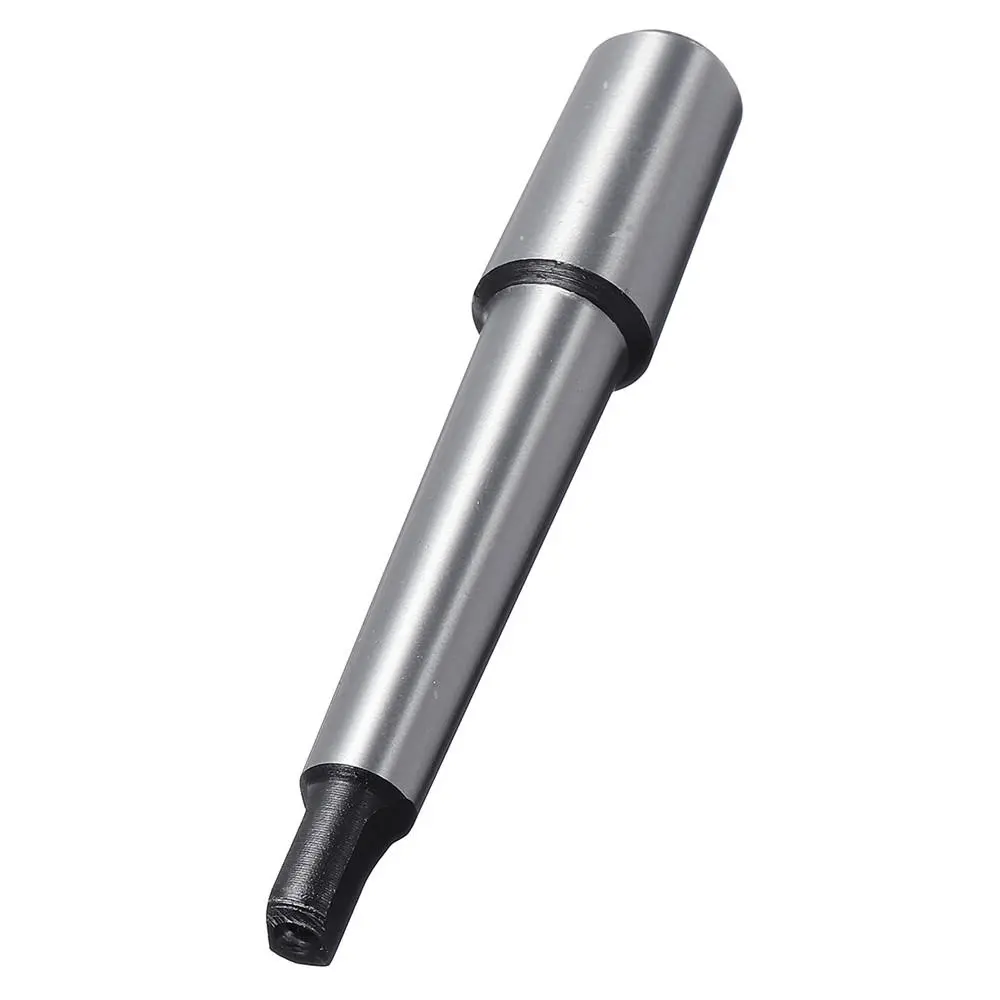
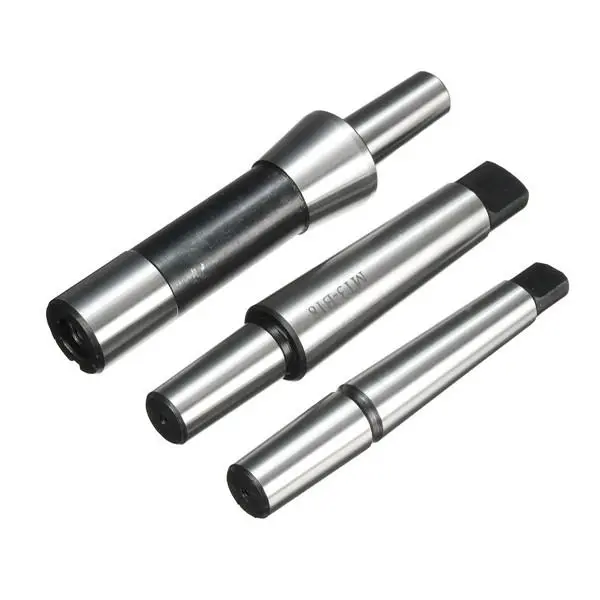
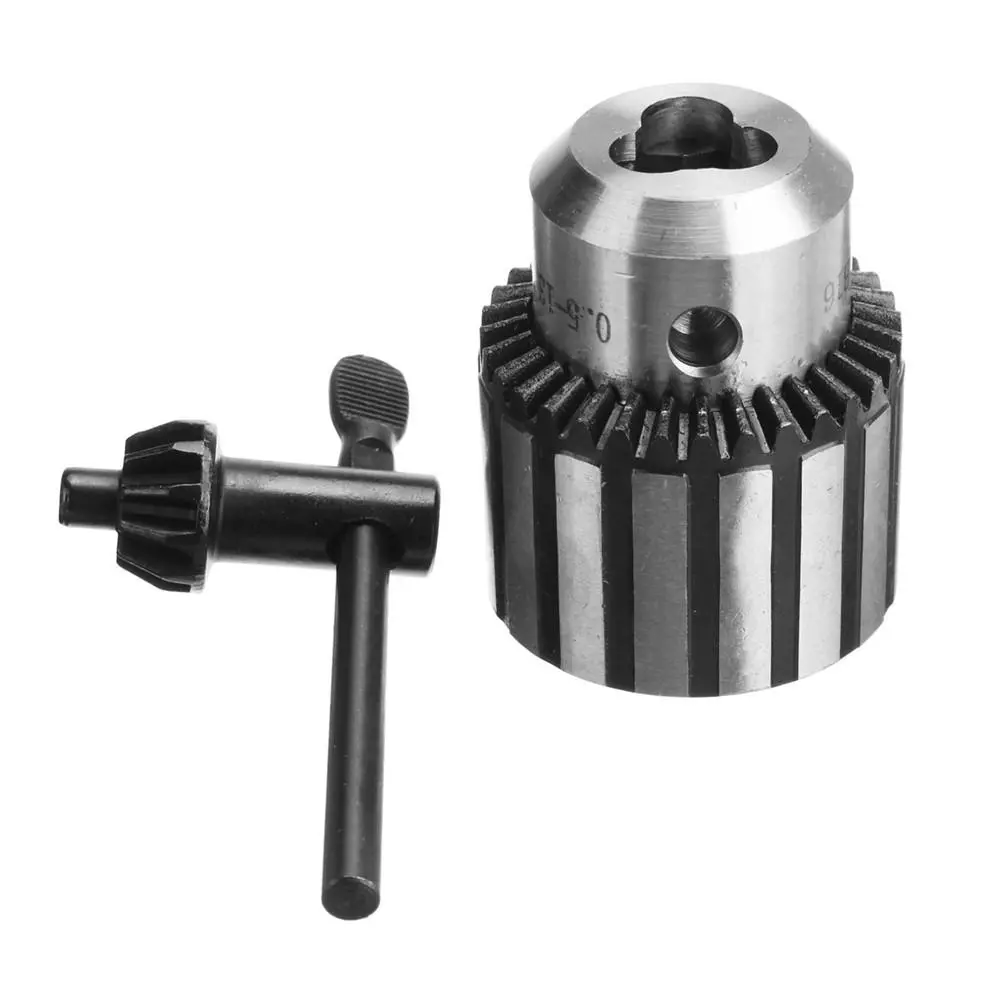
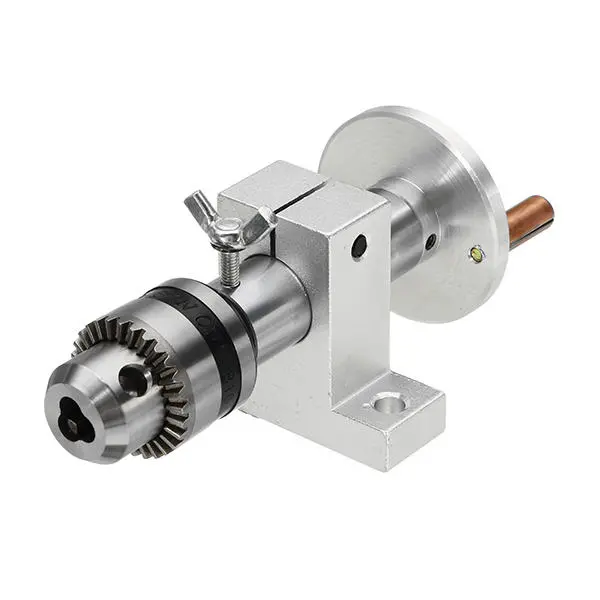
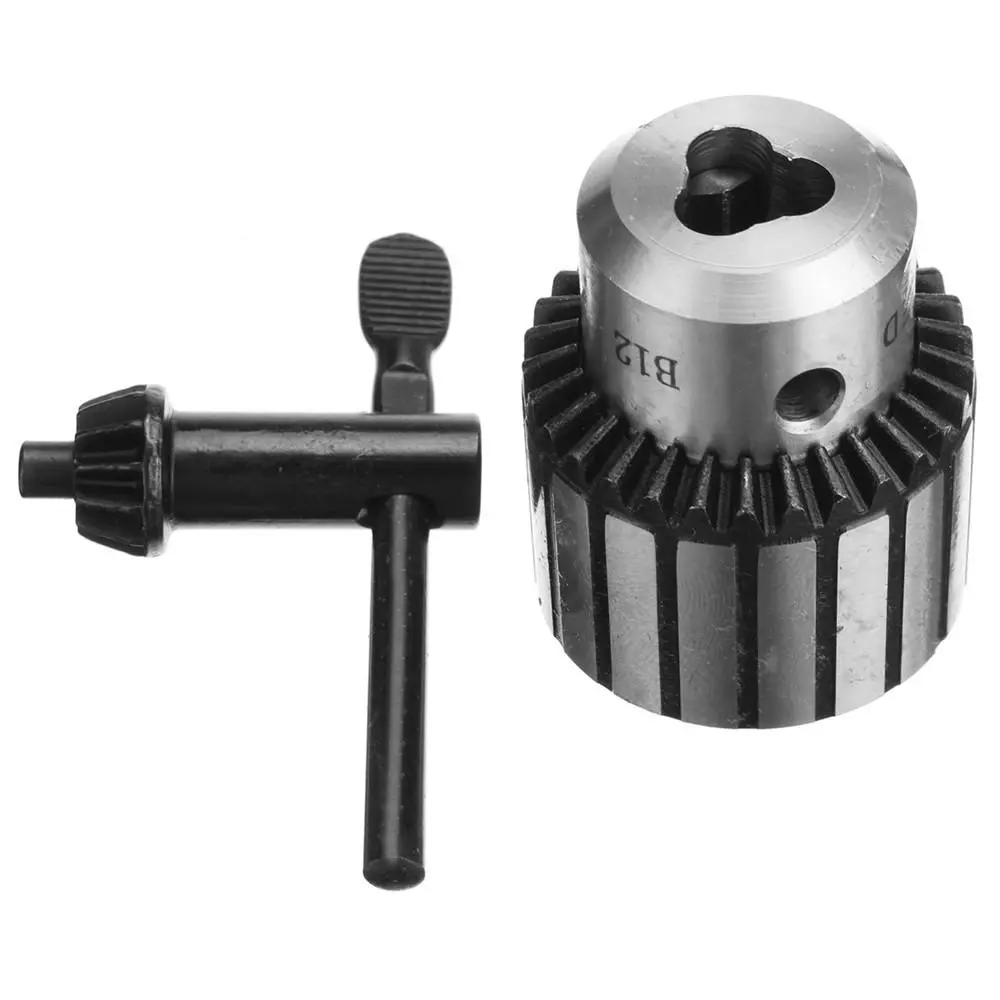
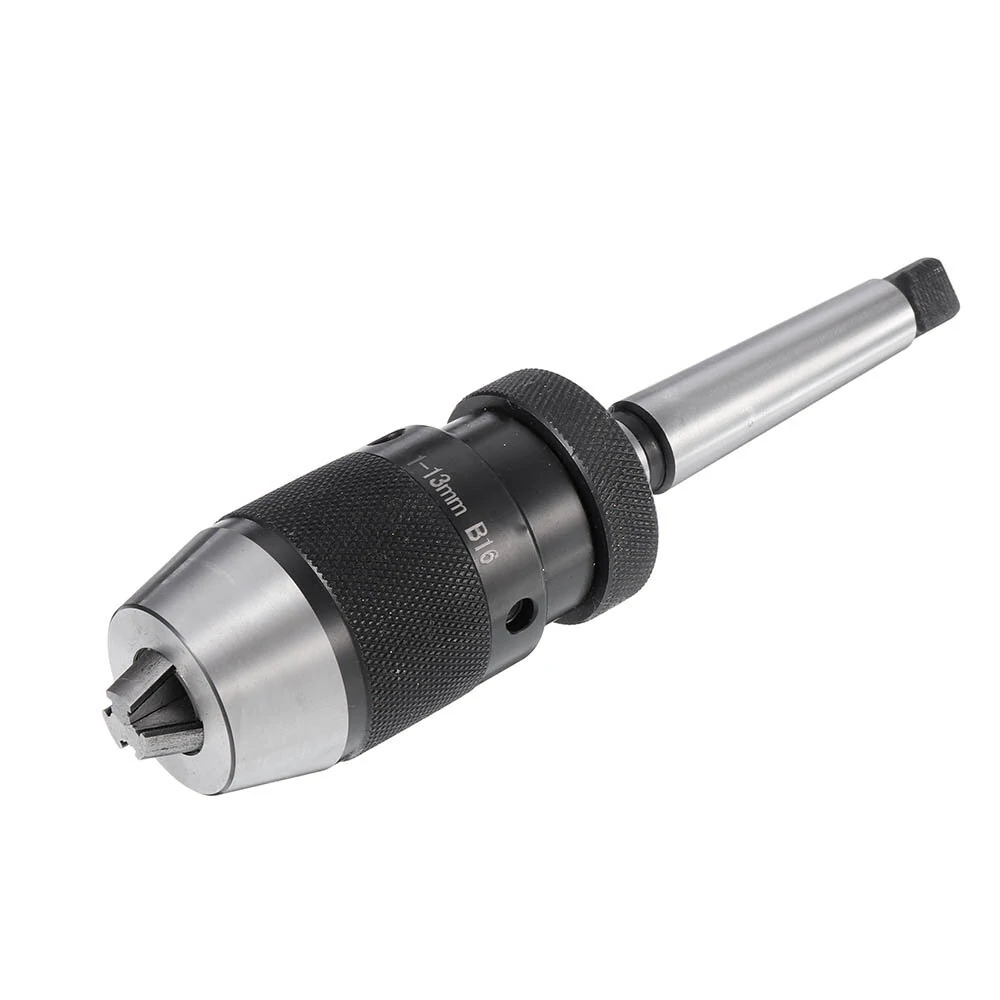
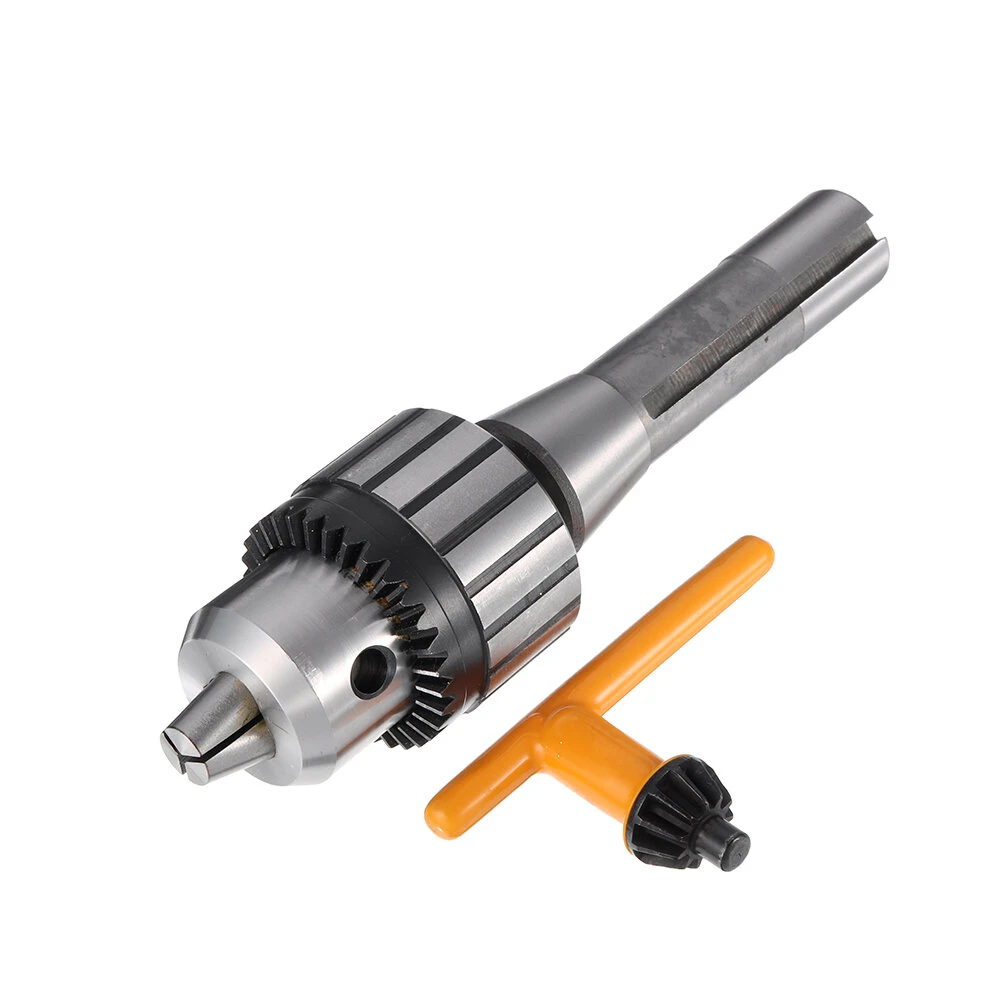
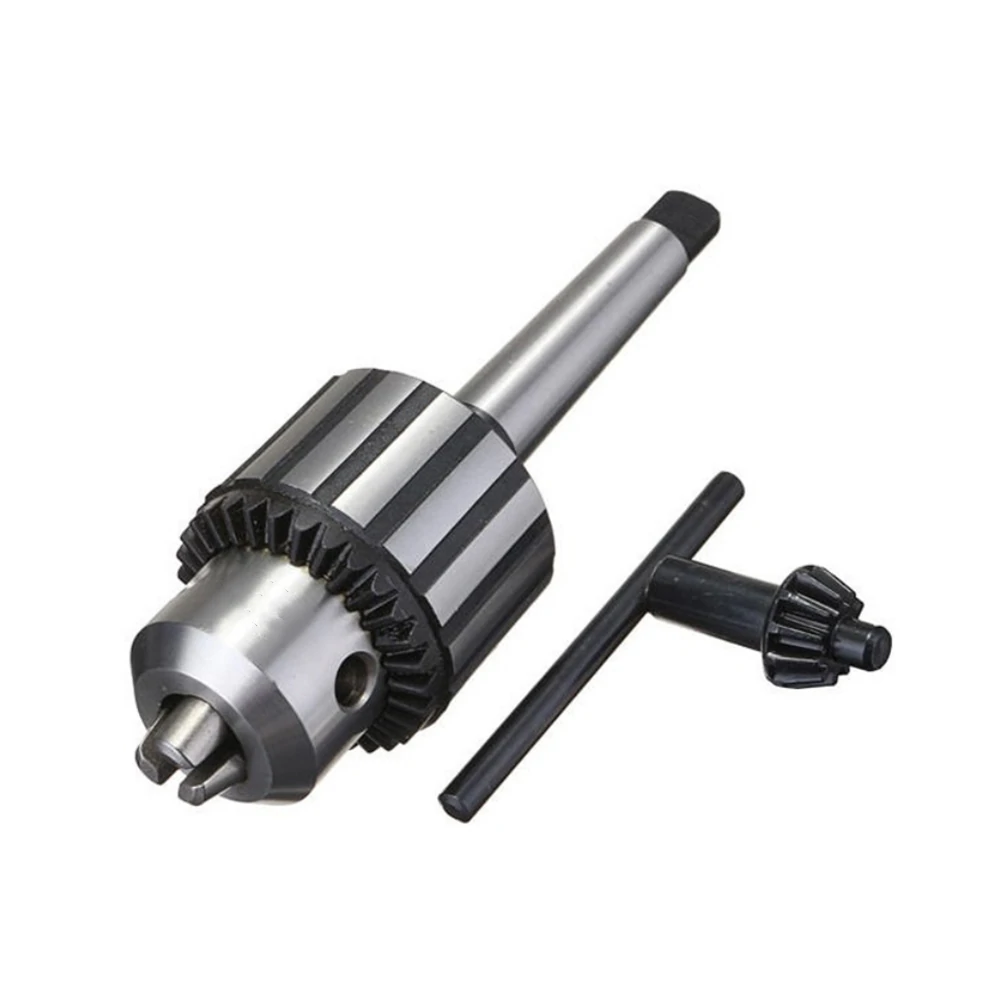
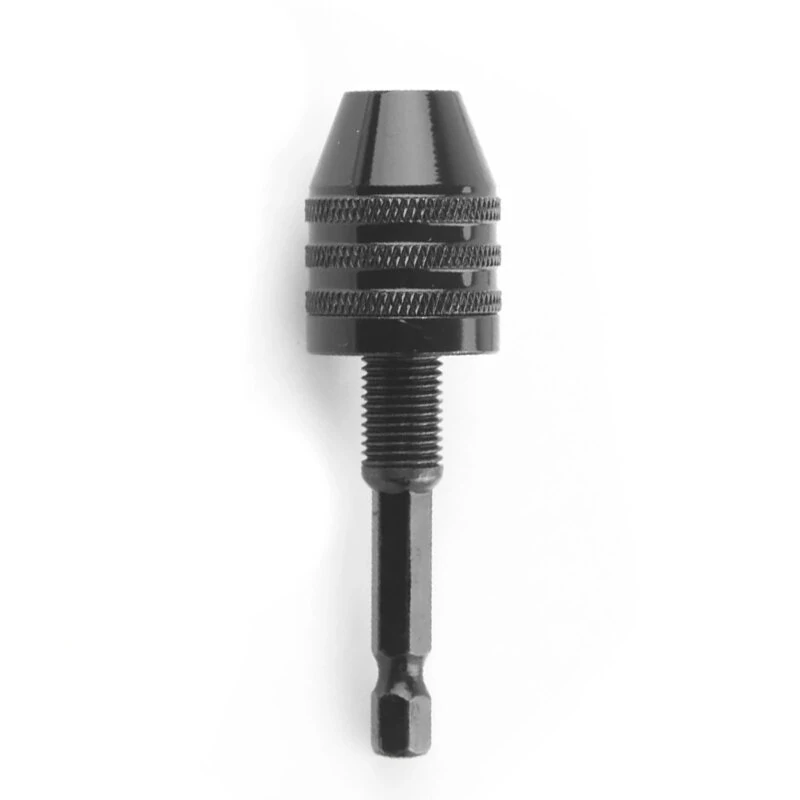
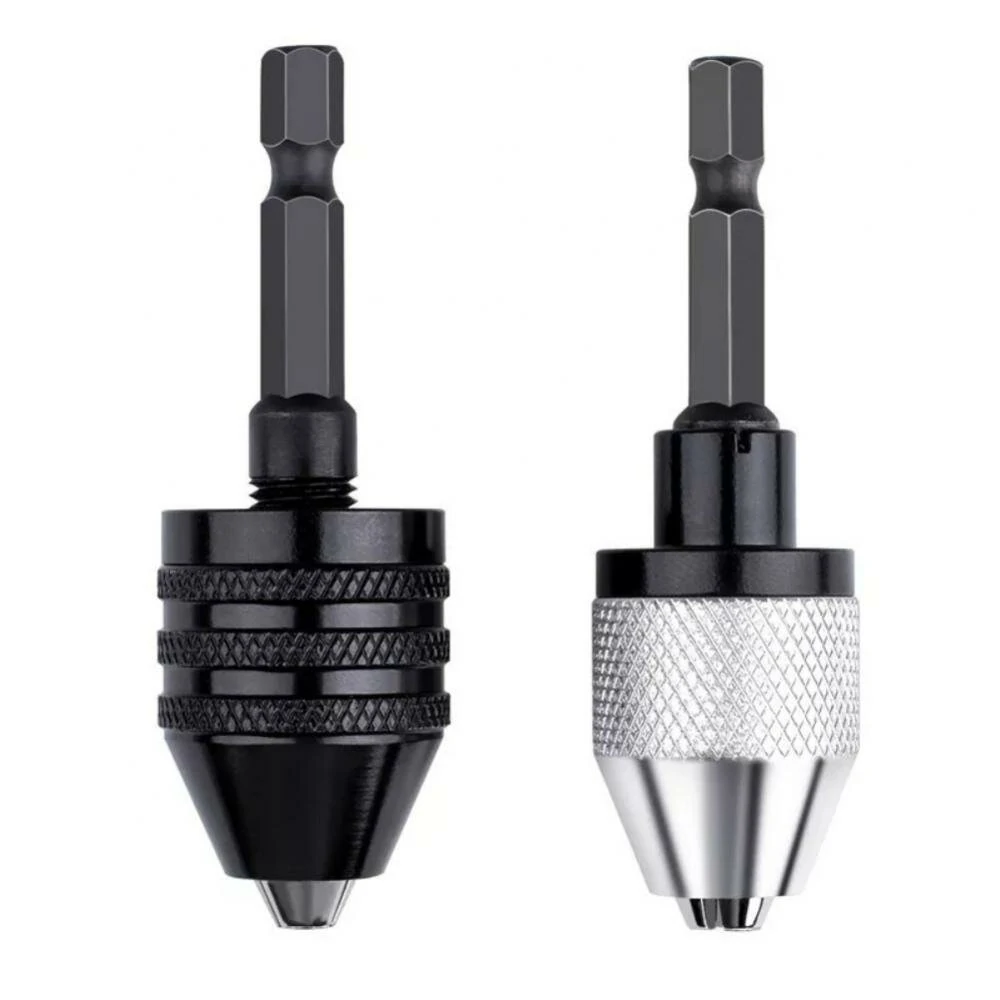
A drill chuck is the essential workhorse of any drilling setup, acting as the critical interface between your power tool and the drill bit. Its primary function is to grip and hold cutting tools—primarily twist drills, but also screwdriver bits, countersinks, and more—securely and concentrically. Choosing the right chuck is fundamental to achieving precision, safety, and optimal performance in your woodworking, metalworking, or general DIY projects. The two main types dominate the market: keyed and keyless chucks. Keyed chucks, often referred to by the iconic brand name Jacobs Chuck, use a geared key (chuck key) to tighten the jaws. They are renowned for their exceptional gripping power and reliability, making them the standard for heavy-duty applications on drill presses and industrial machinery. Their design prevents accidental loosening under high torque. Keyless chucks, on the other hand, are tightened and loosened by hand. They offer incredible convenience for rapid bit changes, a feature highly prized by professionals and hobbyists using cordless drills. Modern keyless designs provide impressive gripping strength, though they may not match the ultimate torque capacity of a well-tightened keyed chuck. Beyond the tightening mechanism, key specifications include chuck capacity (the range of shank diameters it can hold, e.g., 0-13mm or 1/2"), the arbor size and thread (which must match your tool's spindle), and the overall build quality. Investing in a high-quality drill chuck minimizes runout (wobble), extends bit life, and ensures your holes are drilled exactly where you intend.
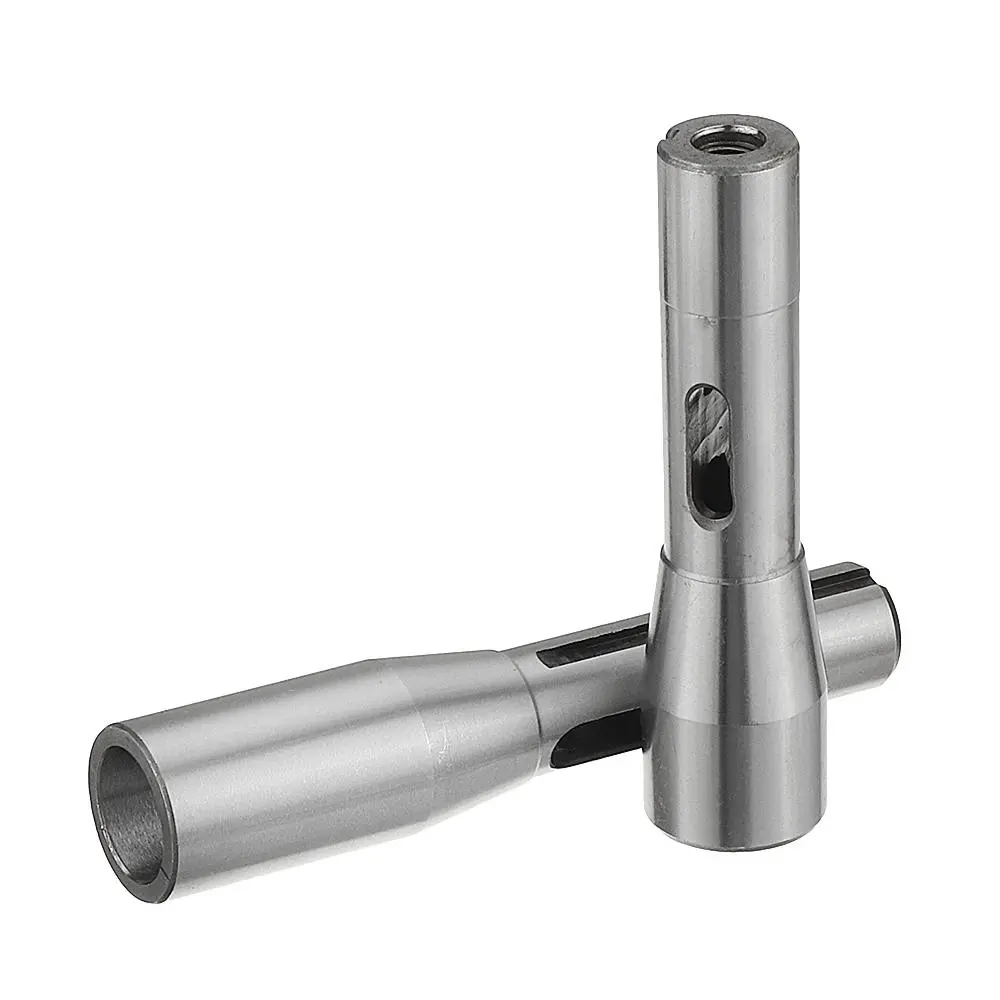
Choosing the right drill chuck depends on your tool and application. First, identify your tool's spindle. For drill presses and lathes, note the arbor thread size (e.g., JT33, 3/4"-16). For handheld drills, most have integrated chucks, but replacements must match the drive type. FAQ: 1) Keyed vs. Keyless? Choose keyed for maximum grip on a stationary tool (drill press). Choose keyless for convenience and speed on a handheld drill. 2) What does chuck capacity mean? It's the range of drill bit shanks the chuck can hold. A 0-13mm (0-1/2") chuck is a common versatile size. 3) What is an arbor? It's the mounting system. Ensure the chuck's arbor (like a Jacobs Taper or threaded type) perfectly matches your machine's spindle. 4) How do I maintain a chuck? Keep it clean of debris. For keyed chucks, occasionally lubricate the jaws and threads with a light oil. Avoid overtightening keyless chucks. Always prioritize a chuck from a reputable manufacturer to guarantee precision, durability, and safe operation for years to come.