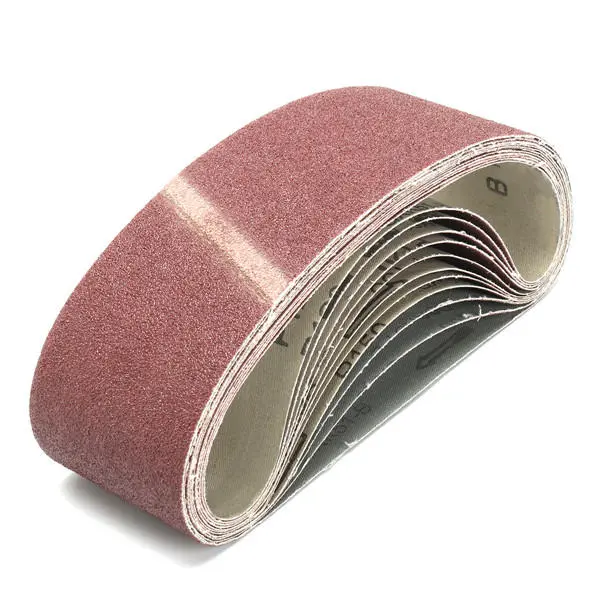
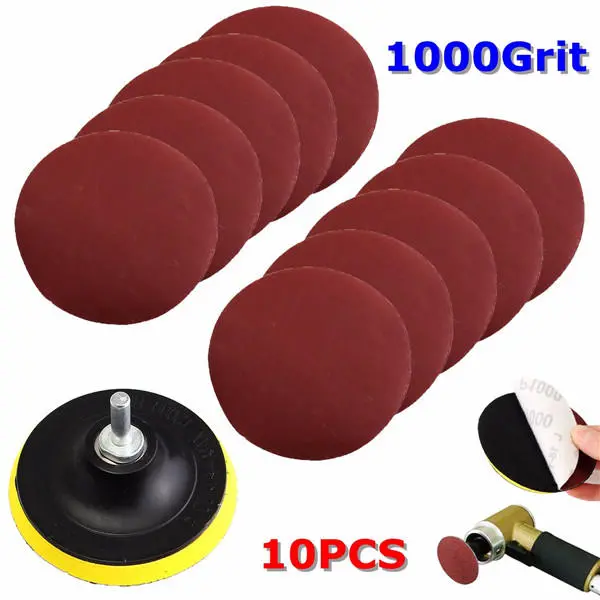
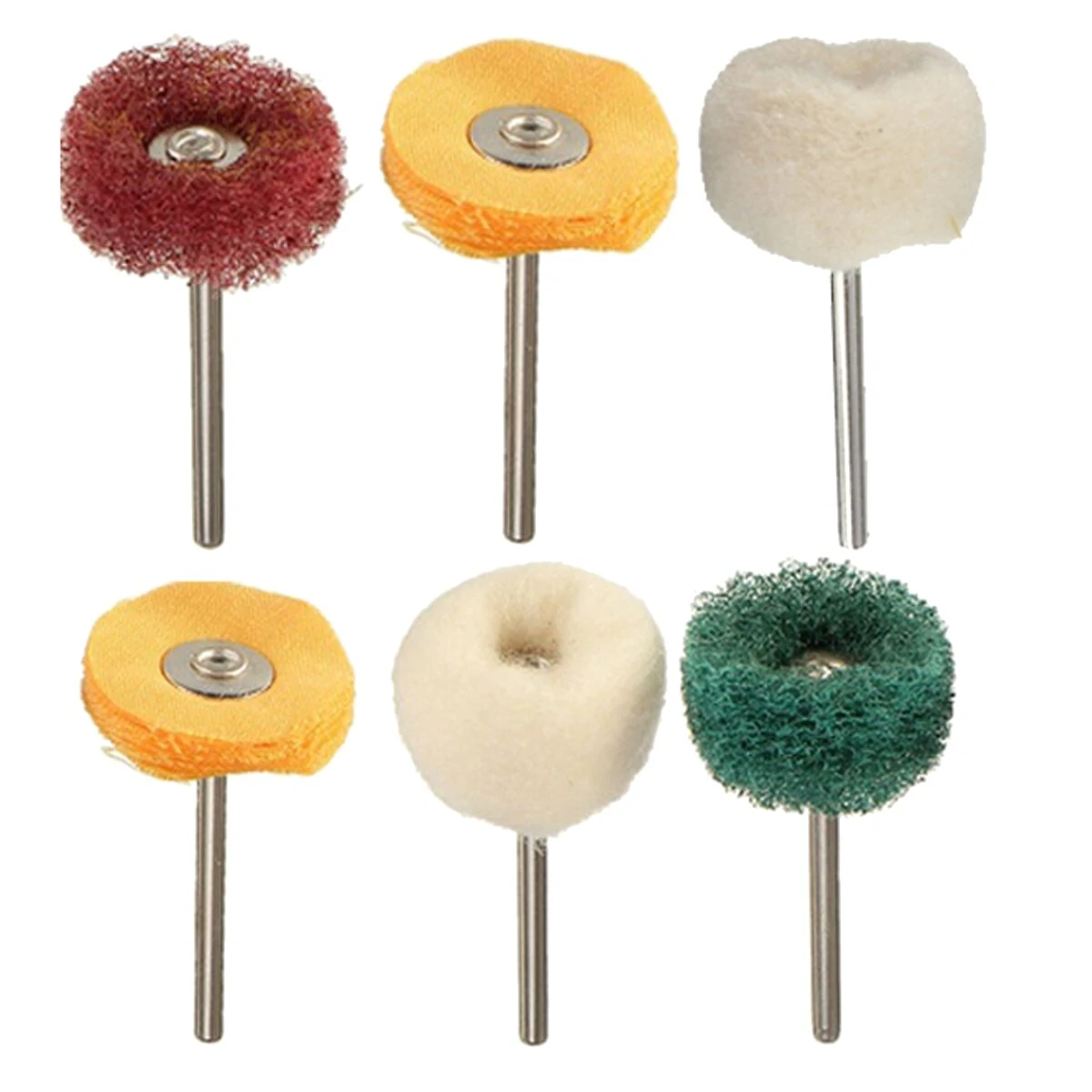
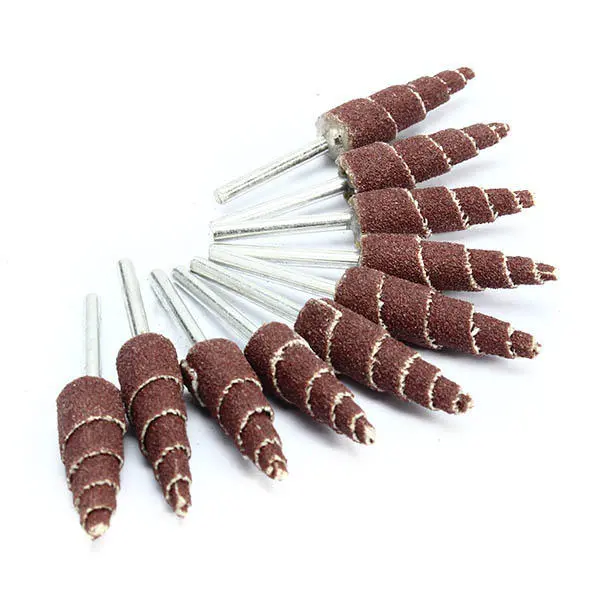
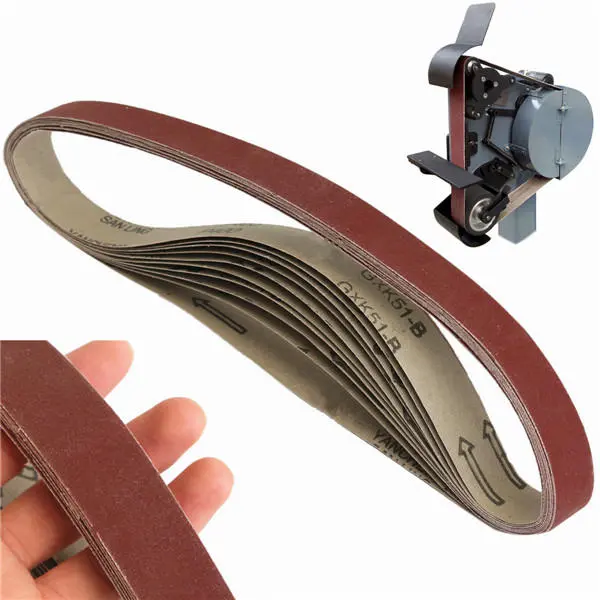
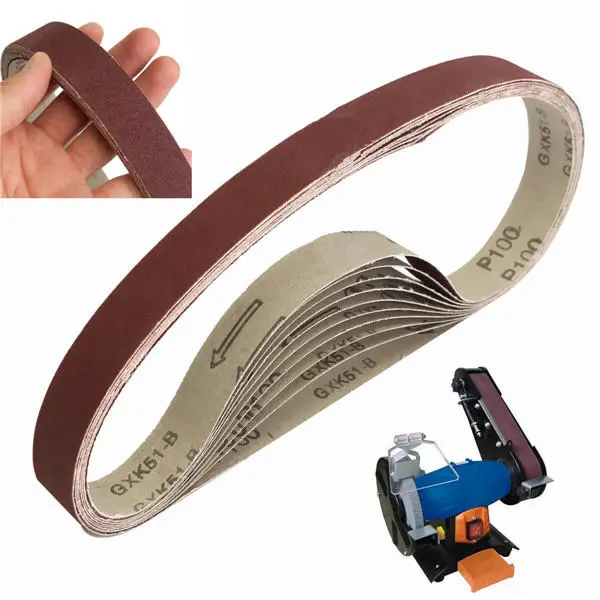
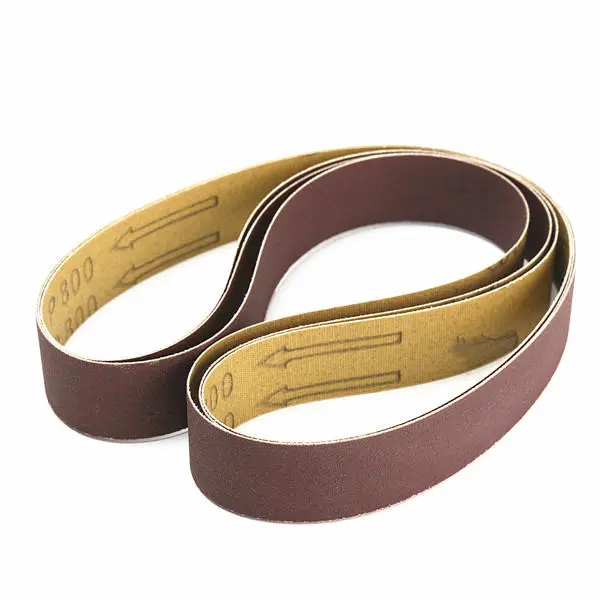
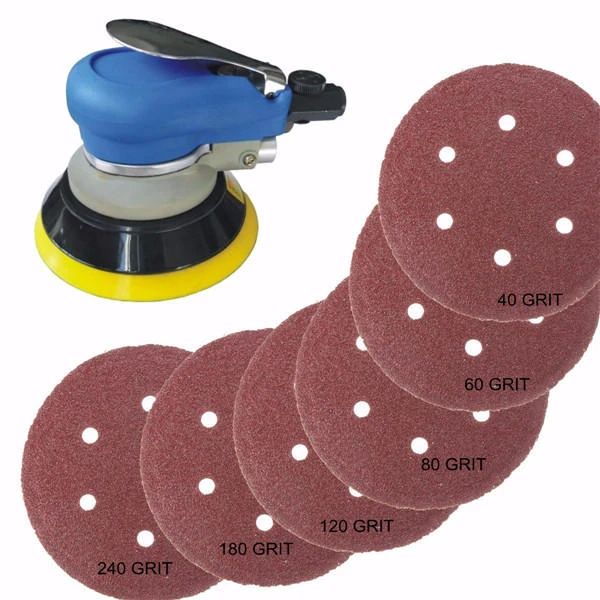
Abrasive tools are the indispensable workhorses of workshops, construction sites, and manufacturing floors worldwide. These essential products utilize abrasive grains—like aluminum oxide, silicon carbide, zirconia, or ceramic—bonded to various backings to cut, grind, sand, polish, and finish a vast array of materials. From shaping raw metal to achieving a mirror-like polish on wood, the right abrasive tool transforms rough workpieces into precise, finished components. The core benefit of modern abrasive tools lies in their ability to remove material quickly and efficiently while offering control over the final surface finish. Key product categories include grinding wheels and discs for heavy stock removal and weld cleaning, cutting discs for slicing through metal and stone, and sanding products like belts, sheets, and flap discs for smoothing and finishing surfaces. Choosing the correct abrasive tool for your specific material and task is critical. It ensures not only a superior finish but also enhances operator safety, extends tool life, and boosts overall productivity. Innovations in bonding technology and grain composition have led to tools that last longer, run cooler, and resist loading (clogging with material), making them a cost-effective solution for both DIY enthusiasts and professional tradespeople. Whether you're in metal fabrication, automotive repair, woodworking, or general construction, integrating the right abrasive tools into your workflow is fundamental to achieving professional, high-quality results every time.
**Choosing the Right Abrasive Tool: A Quick Guide**
**1. Material:** What are you working on? For ferrous metals (steel, iron), aluminum oxide or zirconia abrasives are ideal. For harder materials like stone, tile, or concrete, opt for silicon carbide. Wood and paint typically require aluminum oxide or garnet sandpaper.
**2. Operation:** Are you cutting, grinding, or finishing? Use thin cutting discs for slicing, thicker grinding discs for stock removal, and finer-grit sanding discs or sheets for smoothing and polishing.
**3. Grit Size:** Grit number indicates coarseness. Lower numbers (24-80) are coarse for rapid removal. Medium grits (100-180) are for general smoothing. High numbers (220+) are fine for final finishing and polishing.
**4. Tool Compatibility:** Ensure the abrasive product's arbor hole size, shape, and maximum RPM rating are compatible with your power tool (angle grinder, orbital sander, bench grinder).
**FAQ: How can I make my abrasive discs last longer?** Avoid excessive pressure; let the tool do the work. Use the correct disc for the material to prevent loading. For sanding, regularly clean sandpaper with a rubber eraser or brush to unclog the grit. Always store abrasives in a dry environment to prevent moisture damage. By matching the tool to the task and using proper technique, you ensure optimal performance, safety, and value.
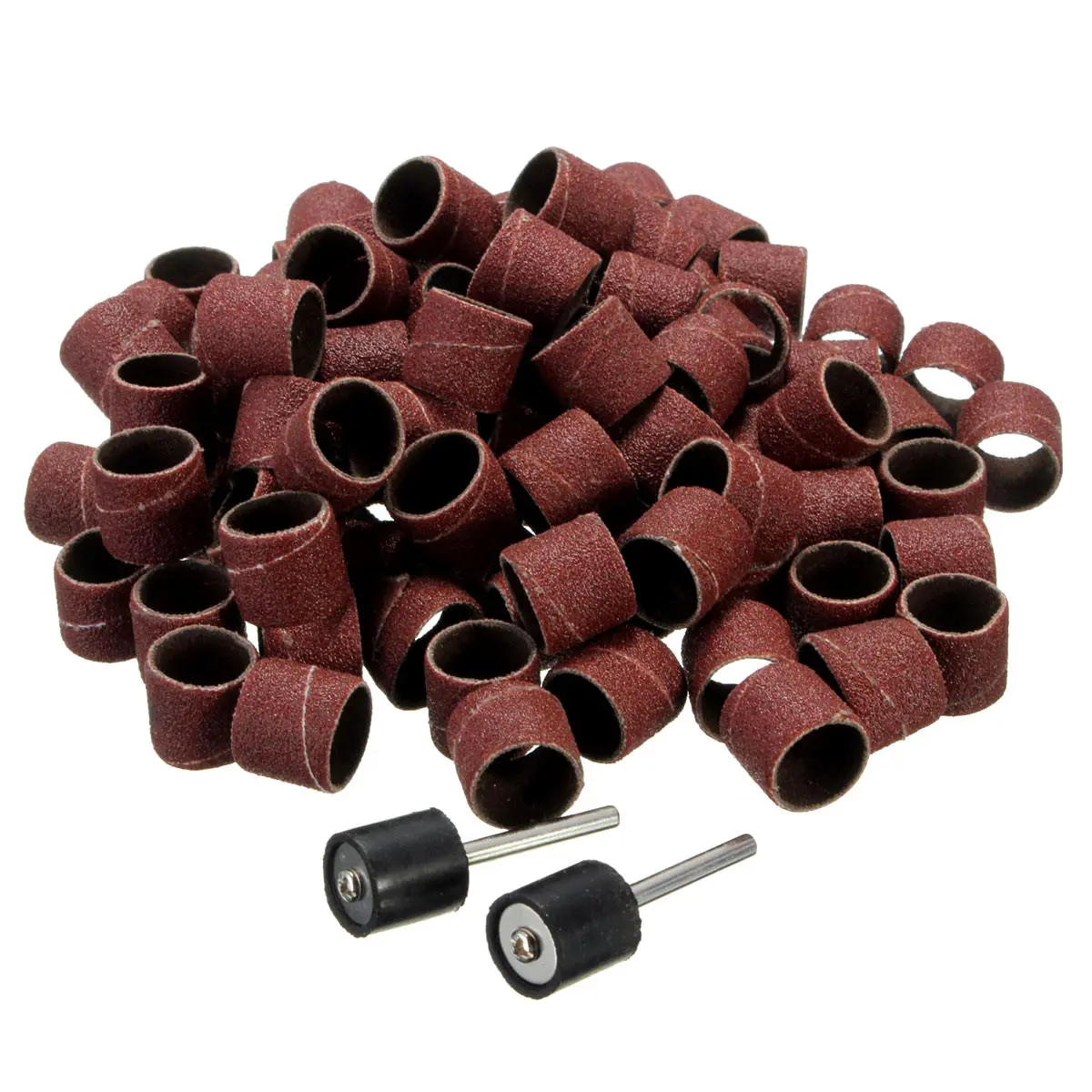
.jpg.webp)