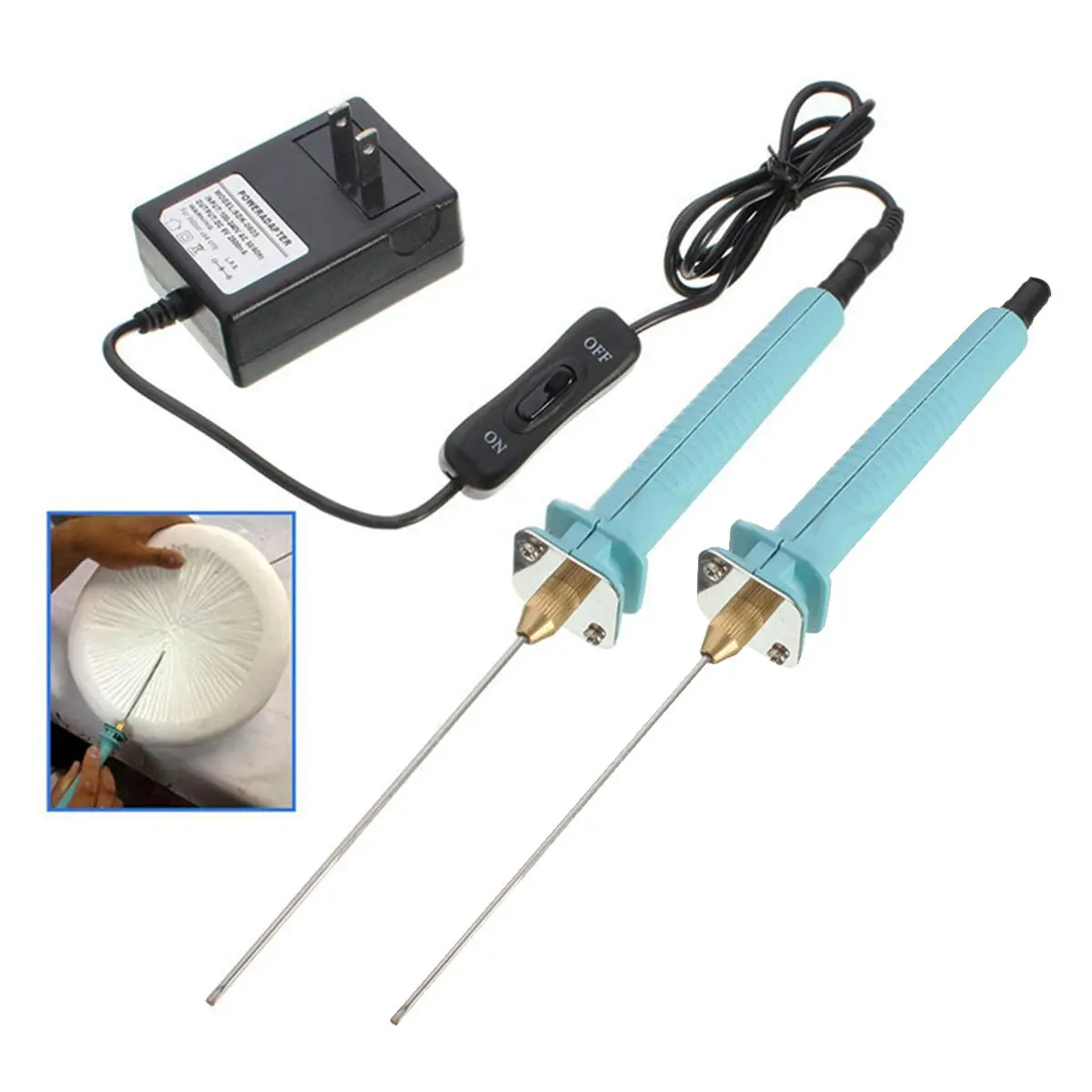
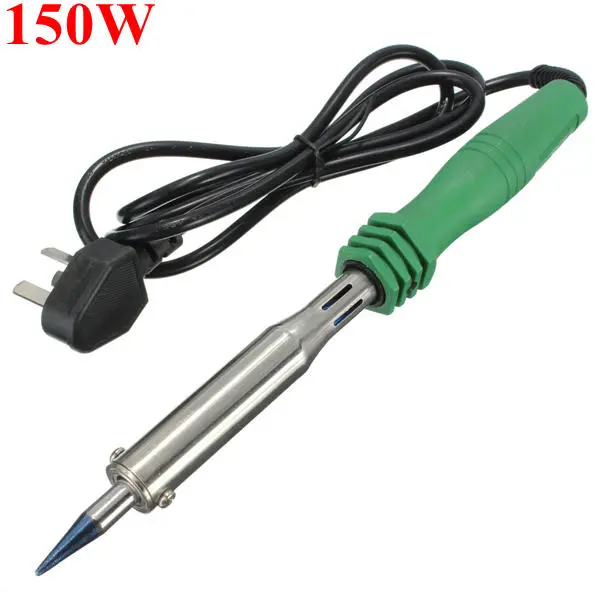
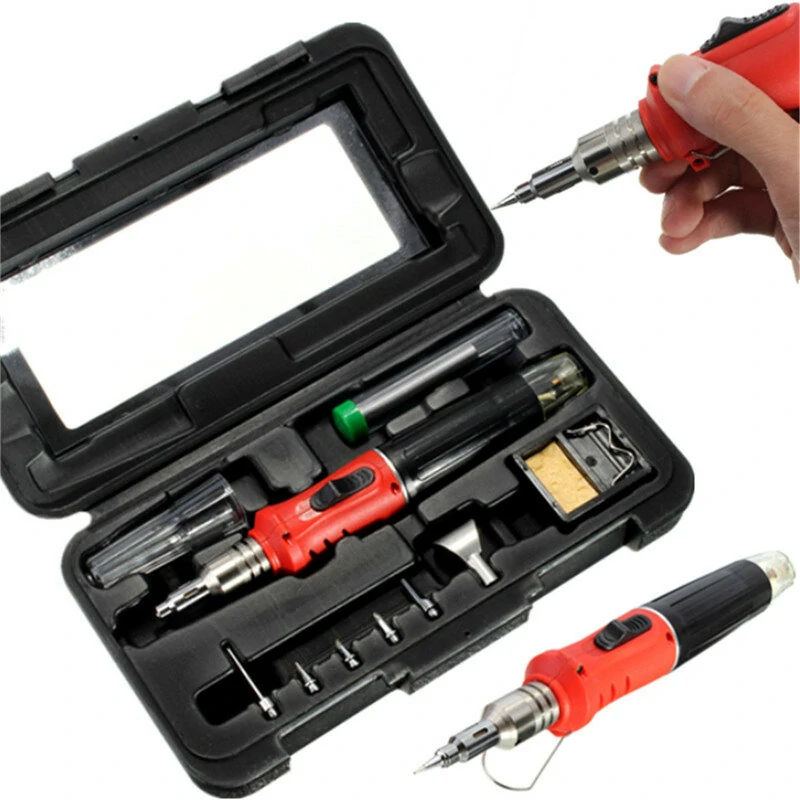
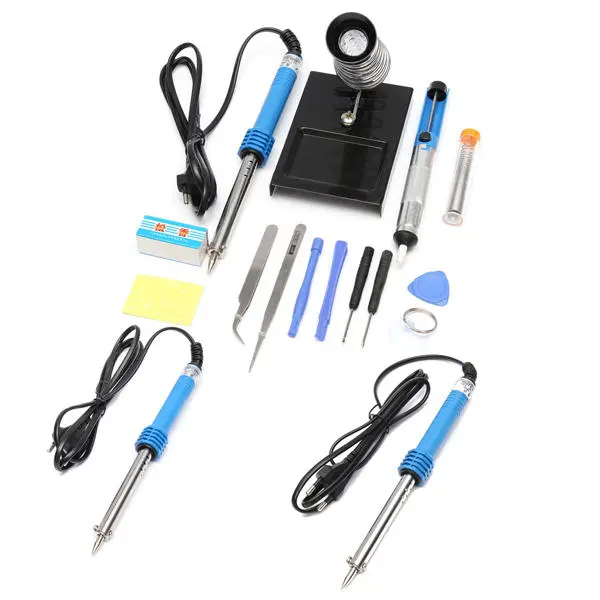
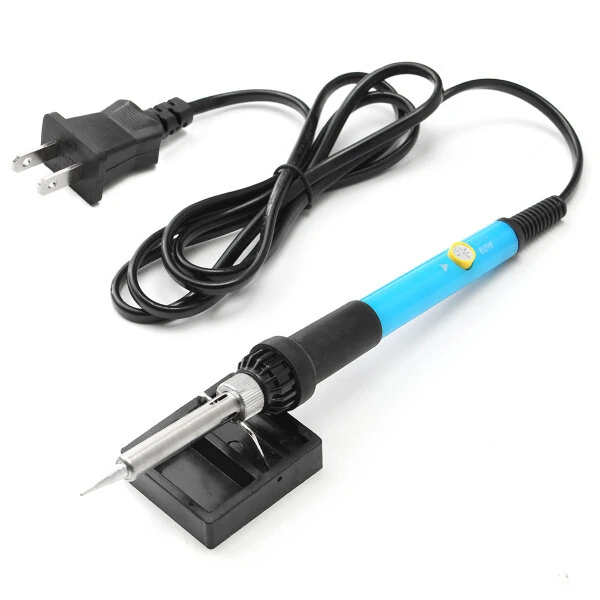
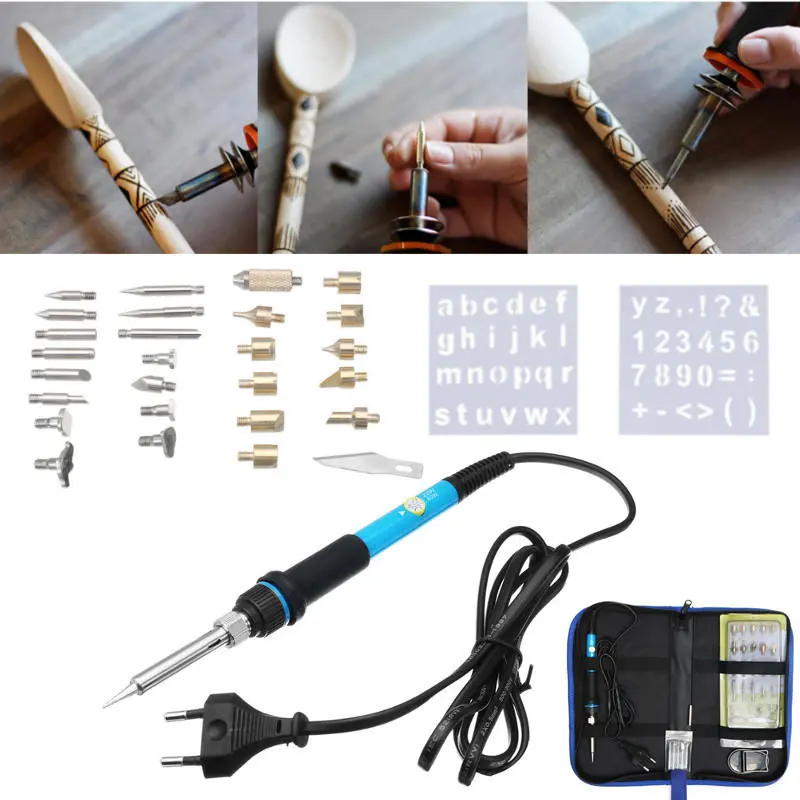
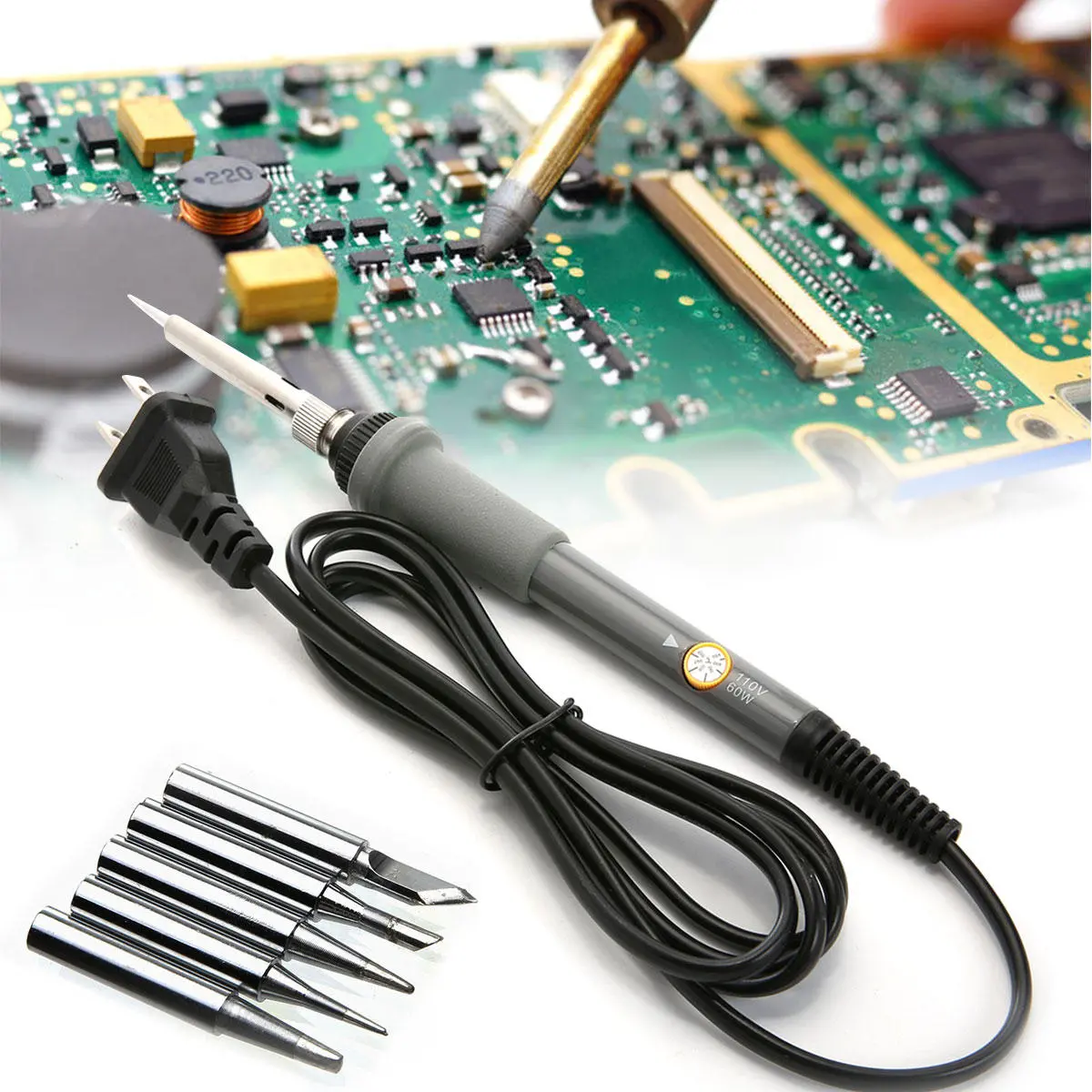
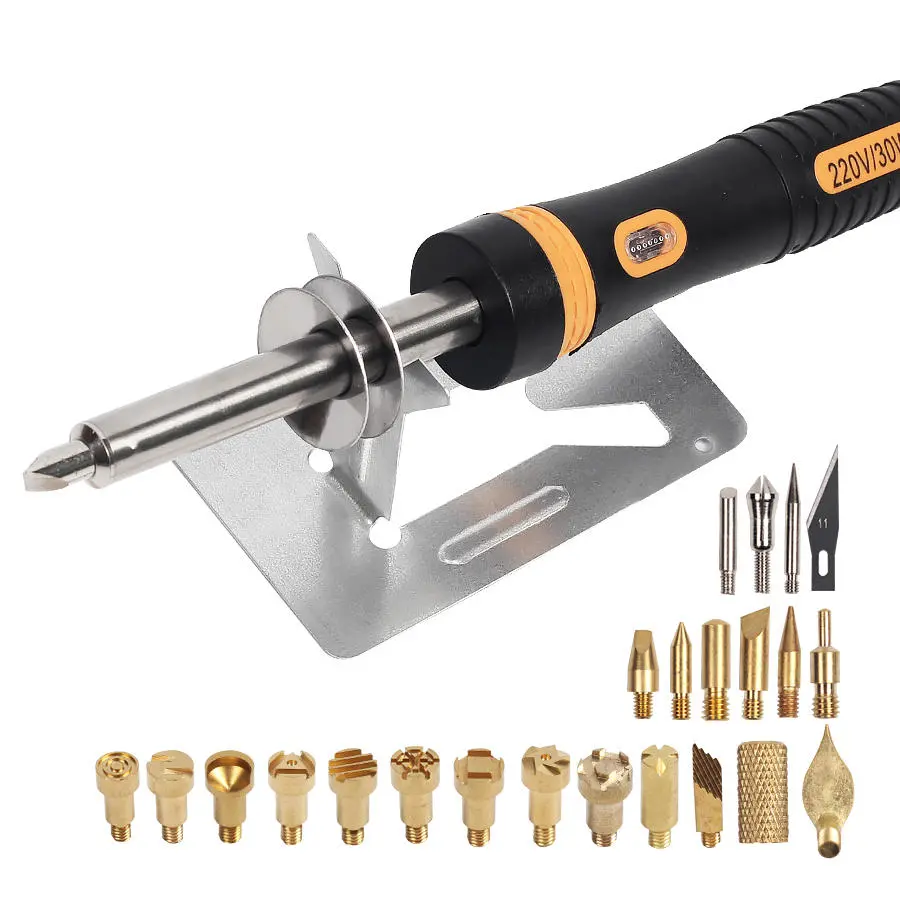
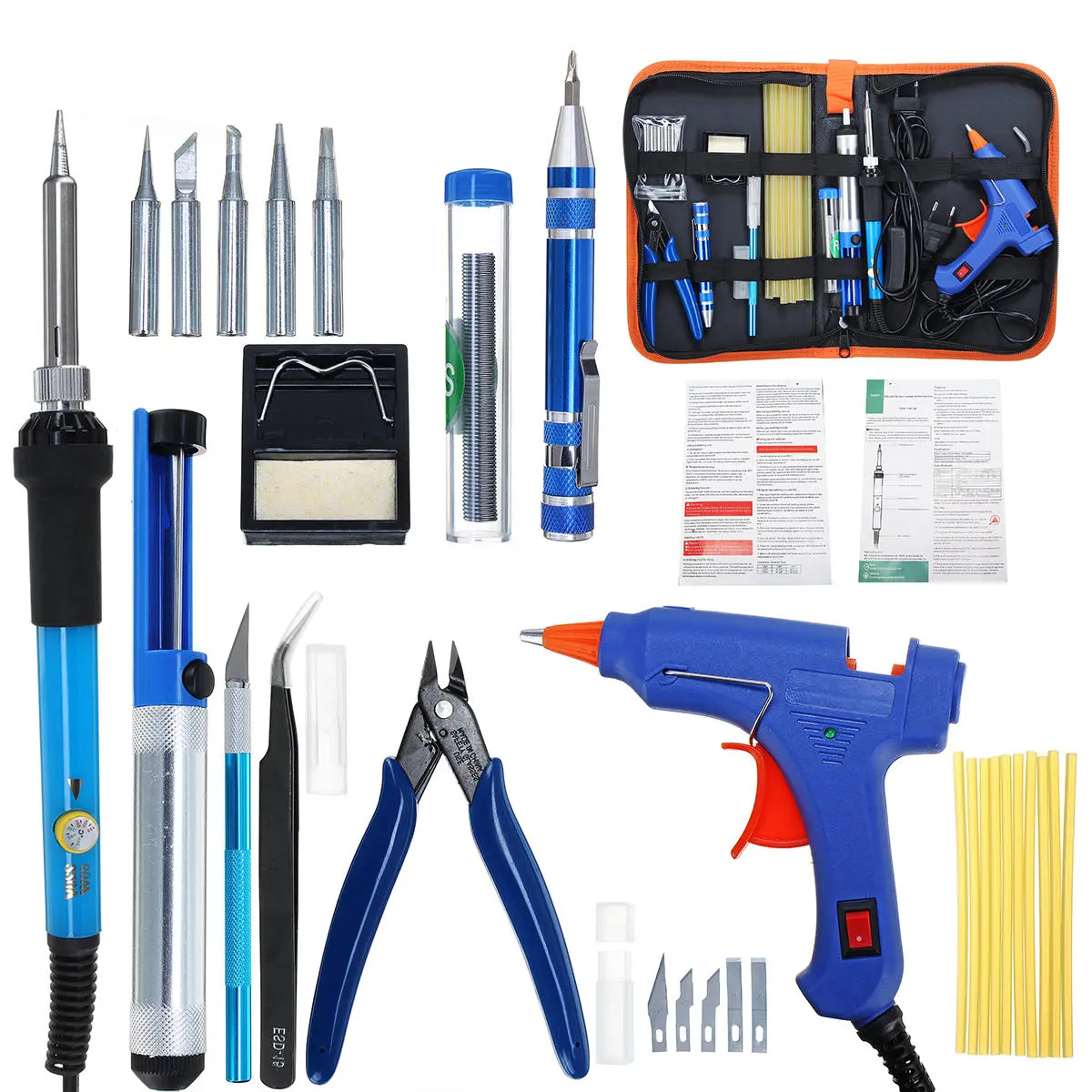
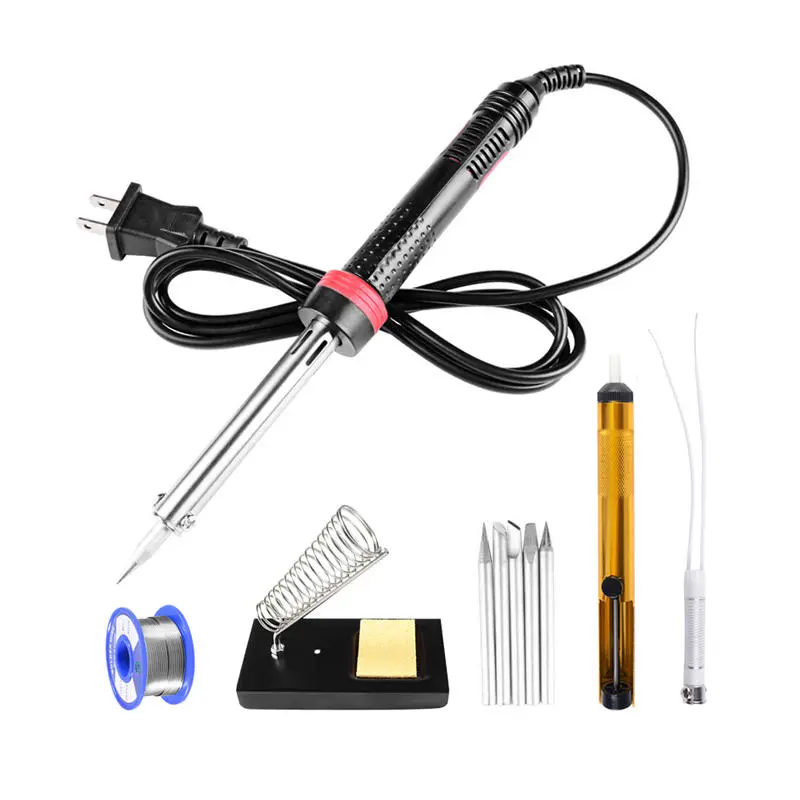
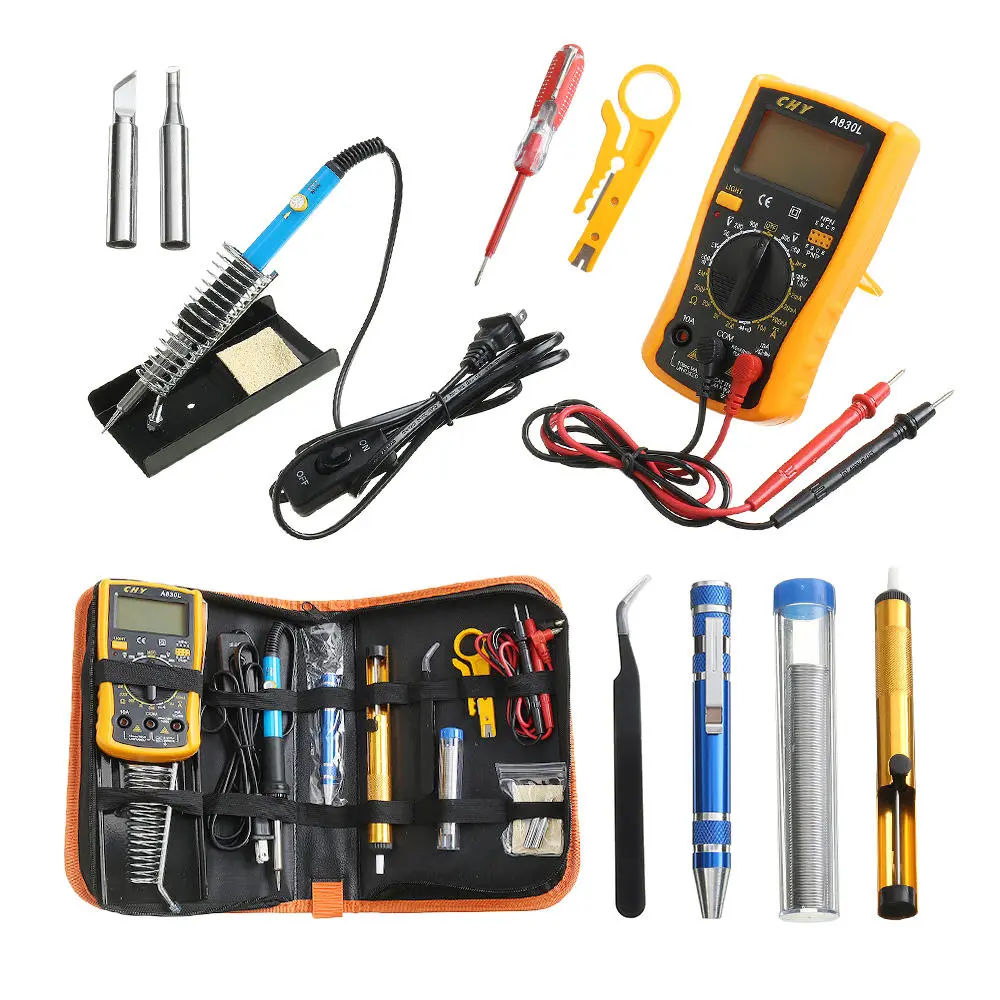
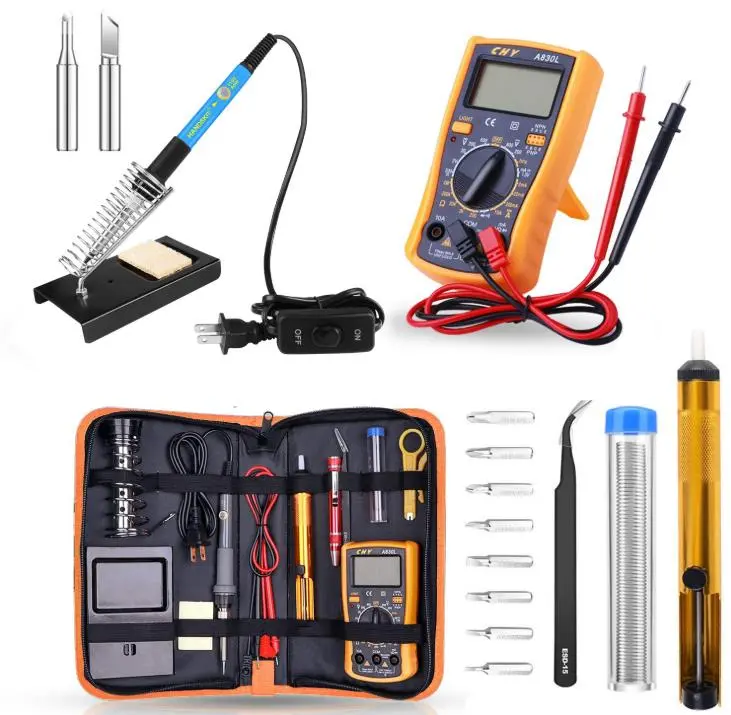
A soldering tools kit is the foundational workshop for anyone working with electronics, from hobbyists and DIY enthusiasts to students and professional technicians. More than just a soldering iron, a comprehensive kit bundles all the essential components needed to create strong, reliable electrical connections. These all-in-one solutions eliminate the guesswork of sourcing individual tools, ensuring you have compatible, high-quality equipment from the start. A typical kit includes a soldering iron or station with adjustable temperature control for precision work on delicate components or heavier wires. It also features a stable stand to prevent burns and damage, a brass or sponge tip cleaner to maintain performance, and a roll of lead-free solder. Many kits go further, including indispensable extras like a desoldering pump or wick for correcting mistakes, a set of precision screwdrivers, wire strippers, and tweezers for handling small parts. The primary benefit of investing in a soldering kit is convenience and readiness. Whether you're assembling an Arduino project, repairing a headphone jack, building a custom keyboard, or maintaining RC equipment, having a dedicated kit means you can tackle the job immediately. For beginners, it provides a gentle, guided introduction to the craft with tools designed for ease of use. For experienced users, advanced kits with digital displays, ergonomic grips, and rapid heat-up times offer professional-grade performance and durability. Choosing a soldering tools kit tailored to your skill level and project needs transforms a complex task into a manageable and enjoyable process, empowering you to bring your electronic creations and repairs to life.
Choosing the right soldering kit depends on your experience and intended use. For beginners and occasional DIYers, a basic 40-60 watt kit with a simple iron, stand, and solder is perfect for learning and light tasks like through-hole circuit boards. Intermediate users tackling varied projects should look for a kit with adjustable temperature control (a soldering station) and essential accessories like a desoldering tool. Professionals and serious hobbyists will benefit from advanced stations with digital readouts, quick-change tips, and superior thermal recovery for consistent joints on sensitive SMD components. Always consider safety: ensure the kit includes a heat-resistant stand. Look for kits with ESD-safe (Electrostatic Discharge) features if working with modern microchips. FAQ: What wattage do I need? 30-50W is great for electronics; 60W+ is better for heavier wires. What's the difference between a soldering iron and a station? A station has a separate power base with temperature control, offering more precision and safety. Is lead-free solder necessary? For safety and environmental reasons, lead-free solder is recommended, especially for beginners. A well-chosen soldering tools kit is a long-term investment that pays dividends in successful, frustration-free projects.