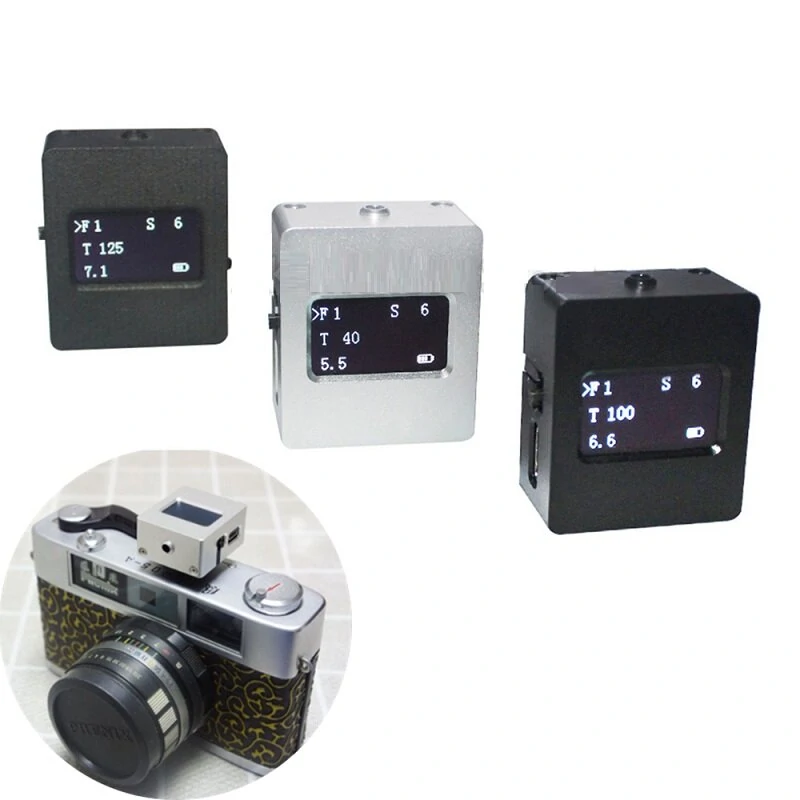
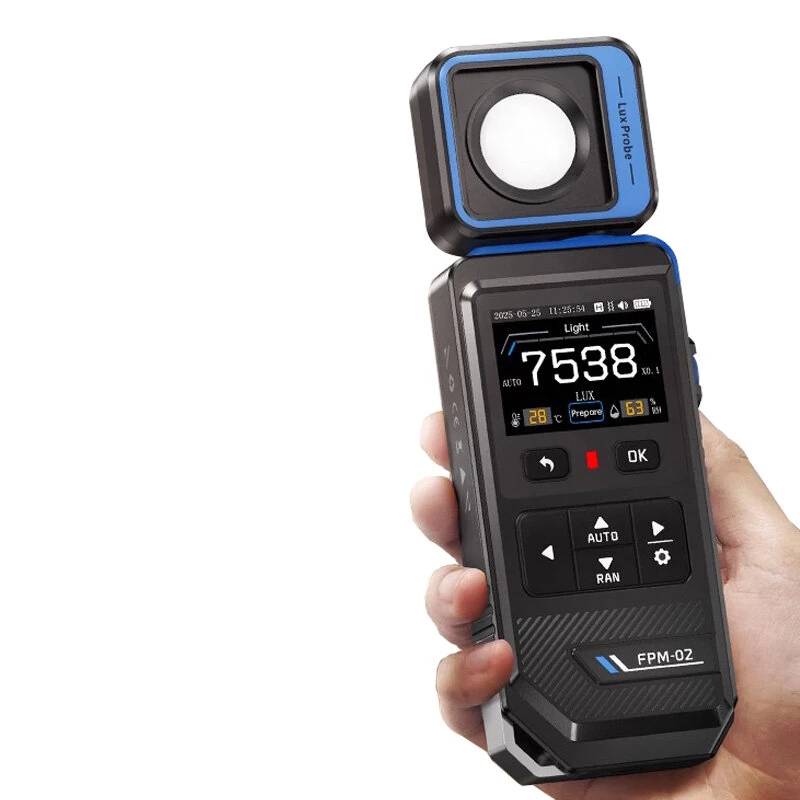
A lux meter, also known as a light meter or illuminance meter, is an essential scientific instrument designed to measure the intensity of light as perceived by the human eye. It provides precise readings in lux (lx) or foot-candles (fc), quantifying the amount of luminous flux falling on a surface. This data is critical across numerous industries and applications where proper lighting is paramount for safety, productivity, and quality. Key products in this category range from compact, handheld digital lux meters for general use to advanced data-logging models with PC connectivity for long-term environmental monitoring. Modern lux meters often feature high-resolution sensors, auto-ranging, backlit displays for low-light conditions, and the ability to measure cumulative light exposure. The primary benefit of using a professional-grade lux meter is accuracy. It eliminates guesswork, ensuring compliance with occupational health and safety standards (like OSHA and IESNA), which dictate minimum light levels for offices, factories, and public spaces. For photographers and videographers, lux meters help perfect exposure settings and studio lighting setups. In horticulture and indoor farming, they are indispensable for monitoring and optimizing grow light intensity to maximize plant health and yield. Furthermore, with the global shift towards LED and energy-efficient lighting, lux meters are vital tools for conducting lighting audits. They help verify that new installations provide adequate illumination while identifying opportunities for energy savings, ensuring you get the desired light quality without wasteful over-lighting. Whether you're an electrician, facility manager, researcher, or hobbyist, a reliable lux meter provides the objective data needed to make informed decisions about any lighting environment.
Choosing the right lux meter depends on your specific needs. First, consider the measurement range. Basic models cover 0-50,000 lux, suitable for most indoor tasks, while high-end meters can measure up to 400,000 lux for direct sunlight analysis. Accuracy is crucial; look for devices with a low percentage deviation (e.g., ±3%). A cosine-corrected sensor is essential for accurate readings when light hits at an angle. For fieldwork, a rugged, portable design with a long battery life is key. FAQ: Do I need a lux meter or a light meter? Lux meters measure illuminance (light falling on a surface), while some 'light meters' measure luminance (light emitted/reflected). Ensure your device measures in lux. Can smartphones replace lux meters? While apps exist, dedicated meters offer far superior sensor quality and accuracy. How do I calibrate a lux meter? Professional models require periodic calibration against a known standard; many manufacturers offer calibration services. For most buyers, a mid-range handheld lux meter with data logging and a USB connection offers the best balance of features, accuracy, and value for routine inspections, safety checks, and quality control applications.