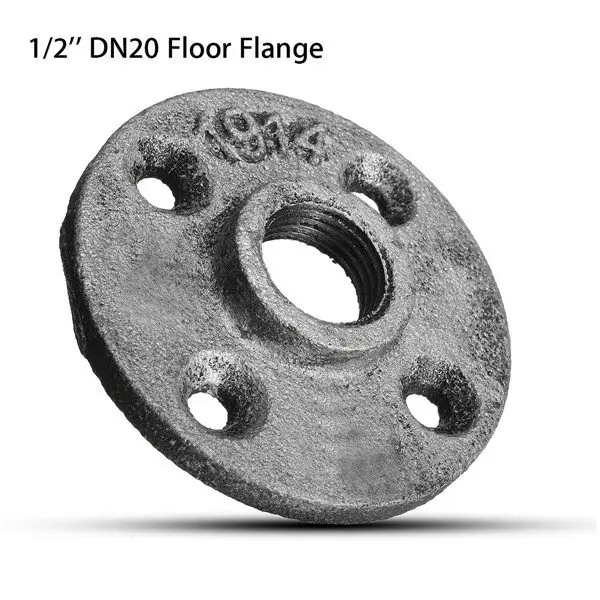
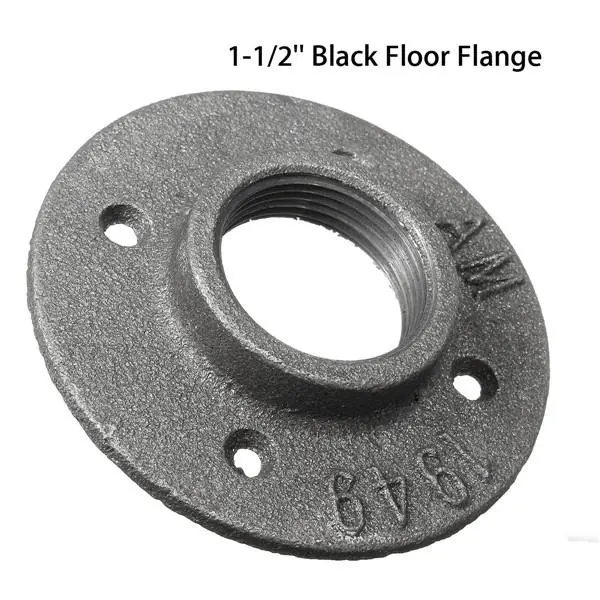
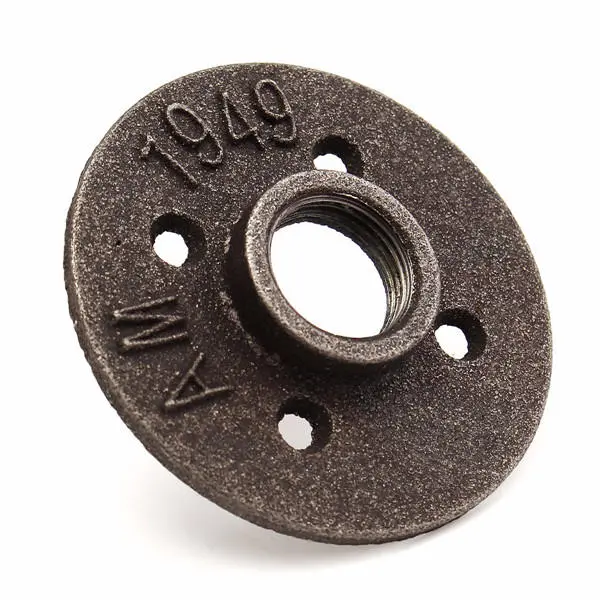
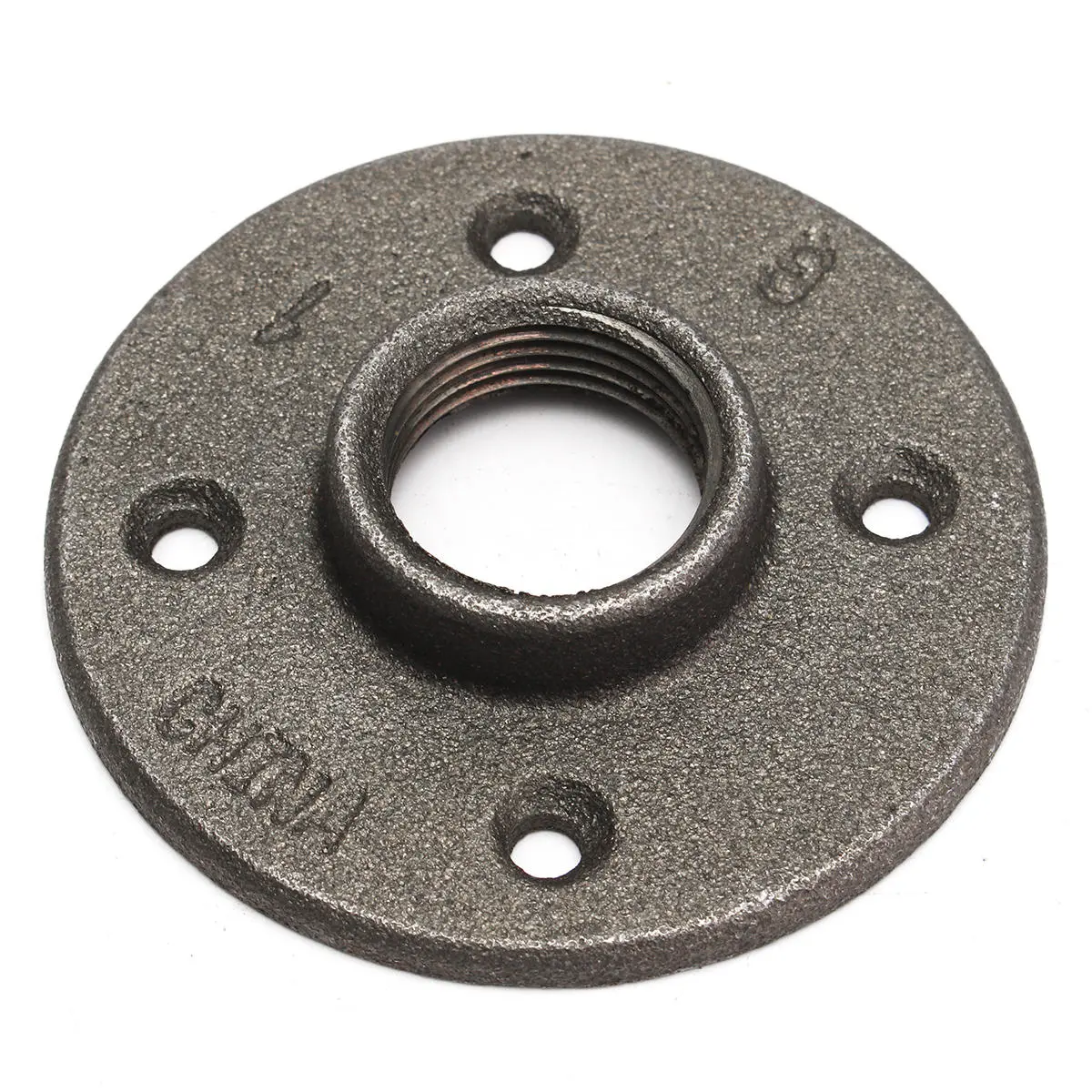
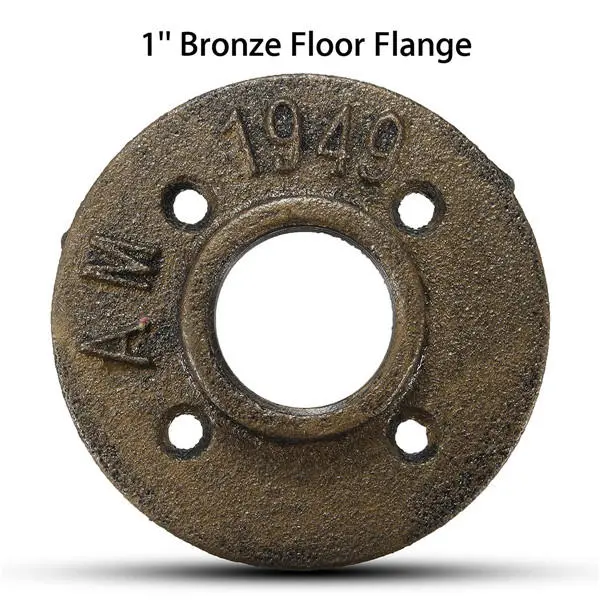
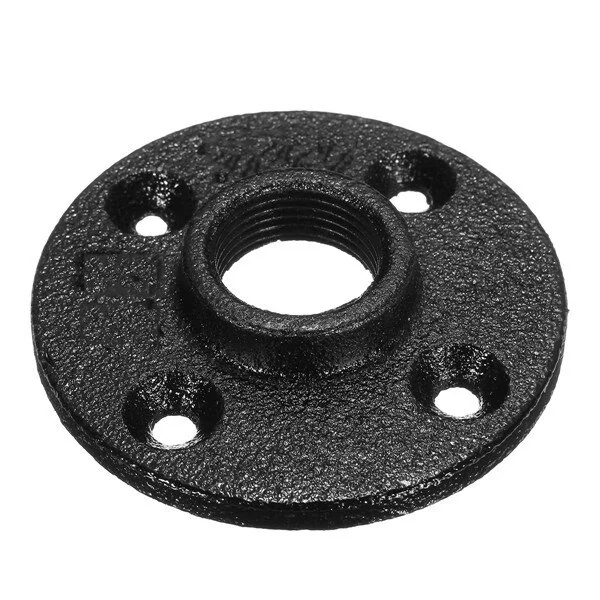
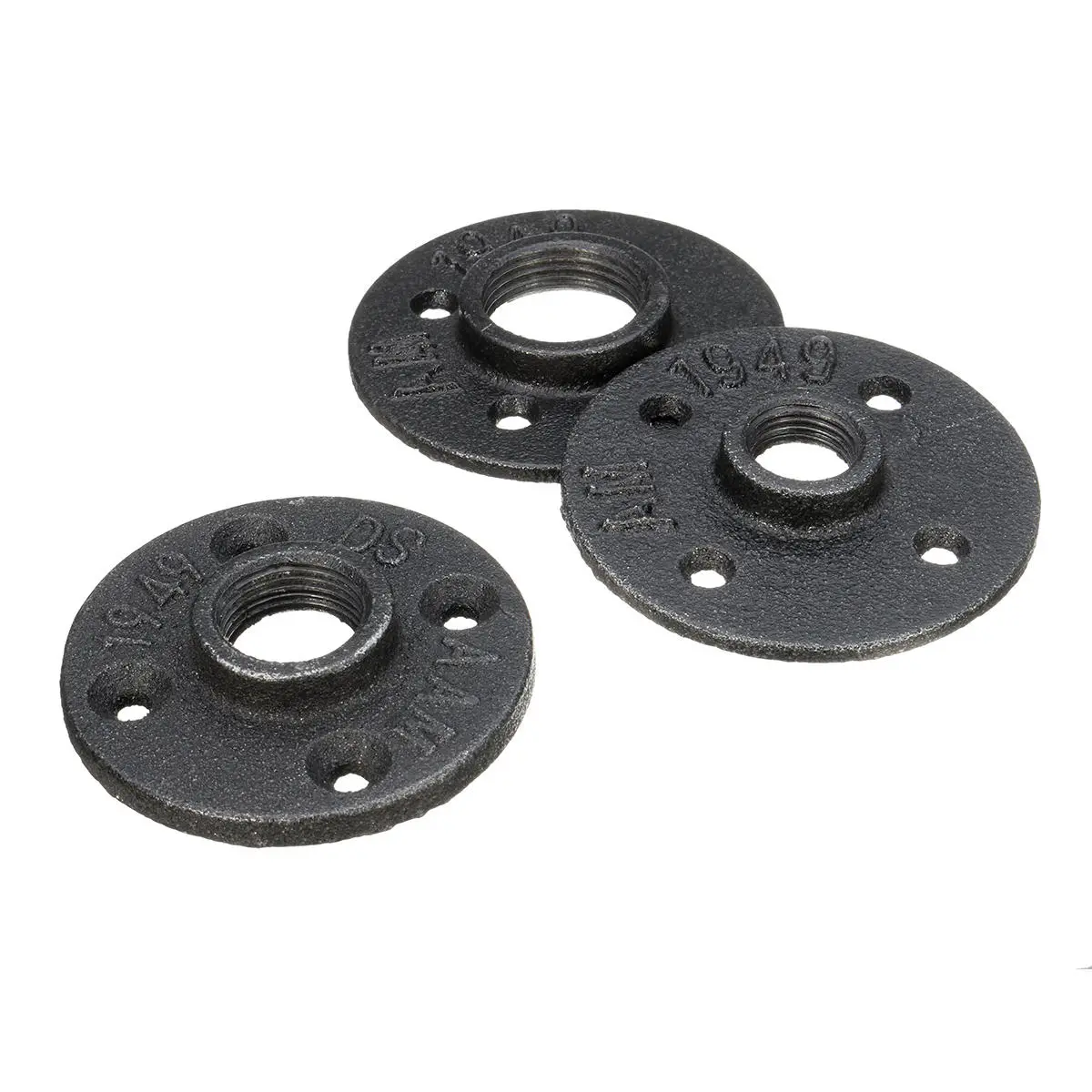
Flanges are the unsung heroes of industrial and commercial piping systems, providing the critical connections that ensure safety, reliability, and efficiency. A flange is a method of connecting pipes, valves, pumps, and other equipment to form a robust piping network. They facilitate easy assembly, disassembly for maintenance, and inspection, making them indispensable in industries from oil and gas and chemical processing to water treatment and HVAC.
Key products in this category include several specialized types, each designed for specific applications. Weld Neck Flanges are renowned for their high strength and are ideal for high-pressure and high-temperature systems due to their tapered hub. Slip-On Flanges are easier to install and are perfect for lower-pressure applications. Blind Flanges are used to seal the end of a piping system or vessel opening. Socket Weld Flanges provide excellent flow characteristics and are used for smaller, high-pressure lines.
The benefits of using the correct flange are immense. They ensure a secure, leak-proof seal when paired with the right gasket and bolting, preventing costly and hazardous leaks. Flanges also allow for system flexibility, enabling modifications and expansions without cutting or welding entire pipe sections. Available in materials like carbon steel, stainless steel, and alloy, flanges can be selected to resist corrosion, extreme temperatures, and specific media, ensuring long-term system integrity and compliance with standards like ANSI/ASME.
Choosing the right flange is crucial for system safety and performance. Start by identifying key specifications: Pressure Class (e.g., 150#, 300#), which must match your system's requirements. Next, select the correct Flange Face type—Raised Face (RF) is common, while Ring Type Joint (RTJ) is for high pressure. Material selection is vital; carbon steel offers strength, stainless steel provides corrosion resistance, and alloys handle extreme conditions.
FAQ: What size flange do I need? Match the Nominal Pipe Size (NPS) and schedule of your existing pipe. Do I need special gaskets? Yes, gasket material (e.g., rubber, graphite, PTFE) must be compatible with your fluid and temperature. What's the difference between ANSI and DIN flanges? They follow different dimensional standards (US vs. European); ensure you specify the correct standard for your project. Always consult with an engineer or supplier to confirm your selection meets all application codes and pressures for a safe, reliable installation.