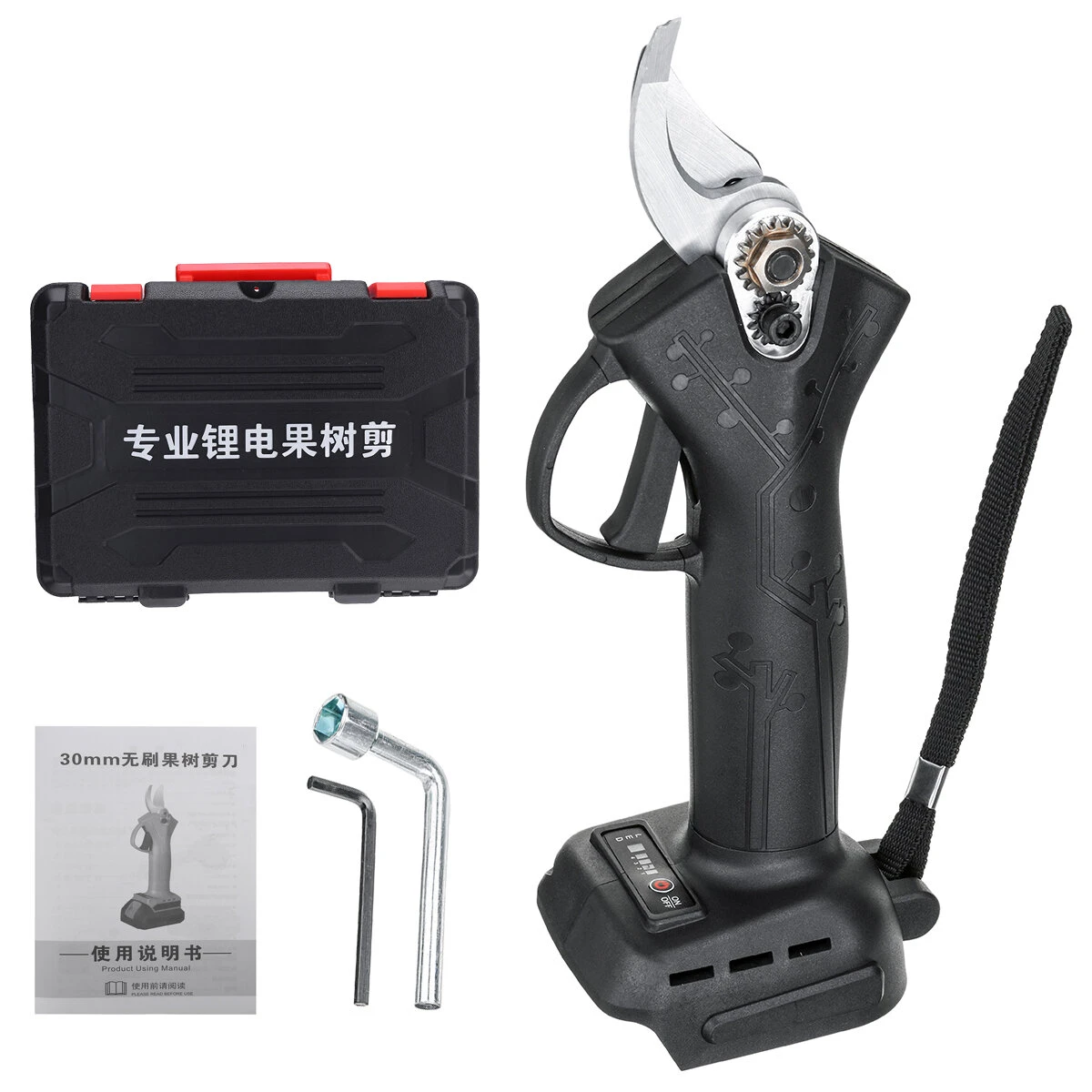
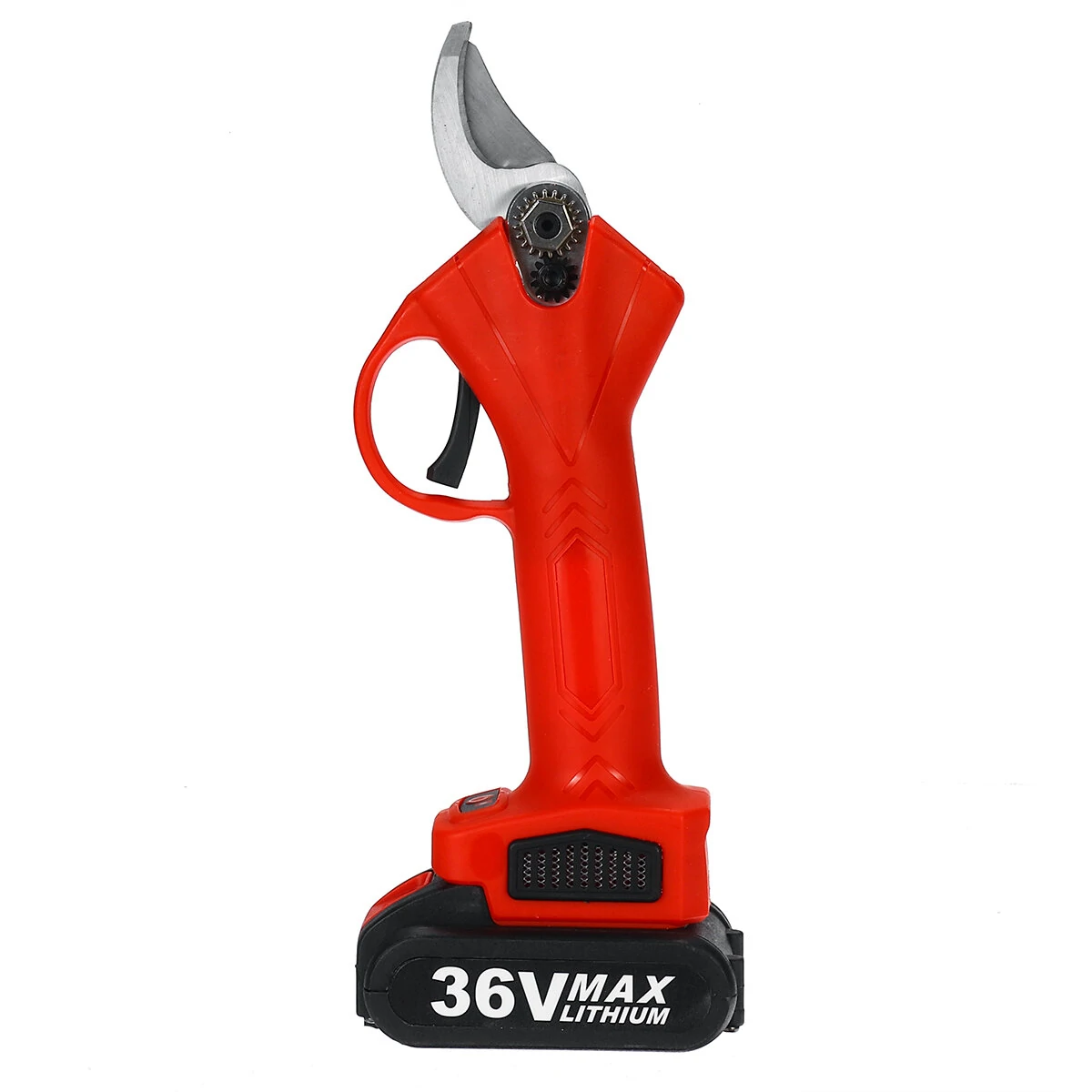
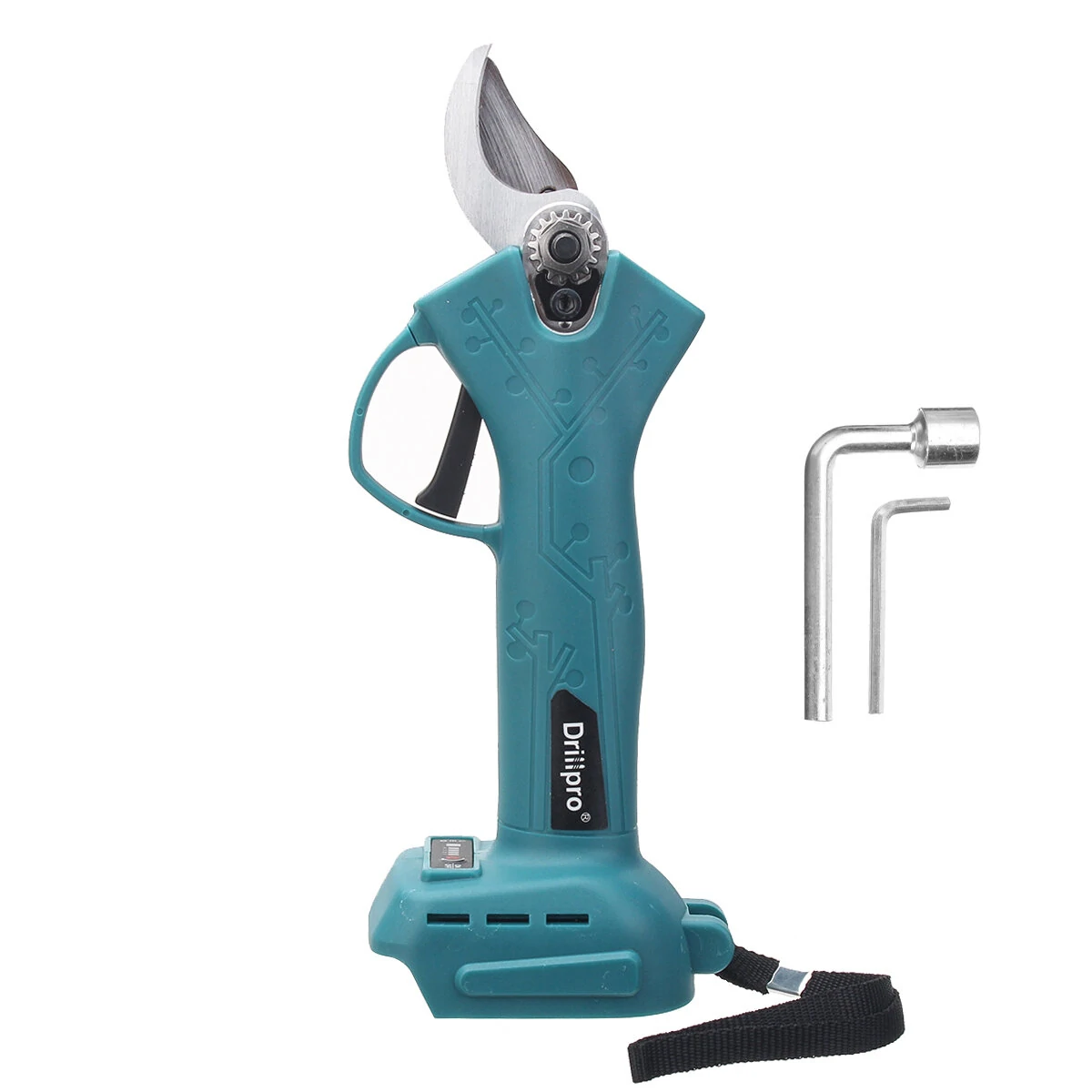
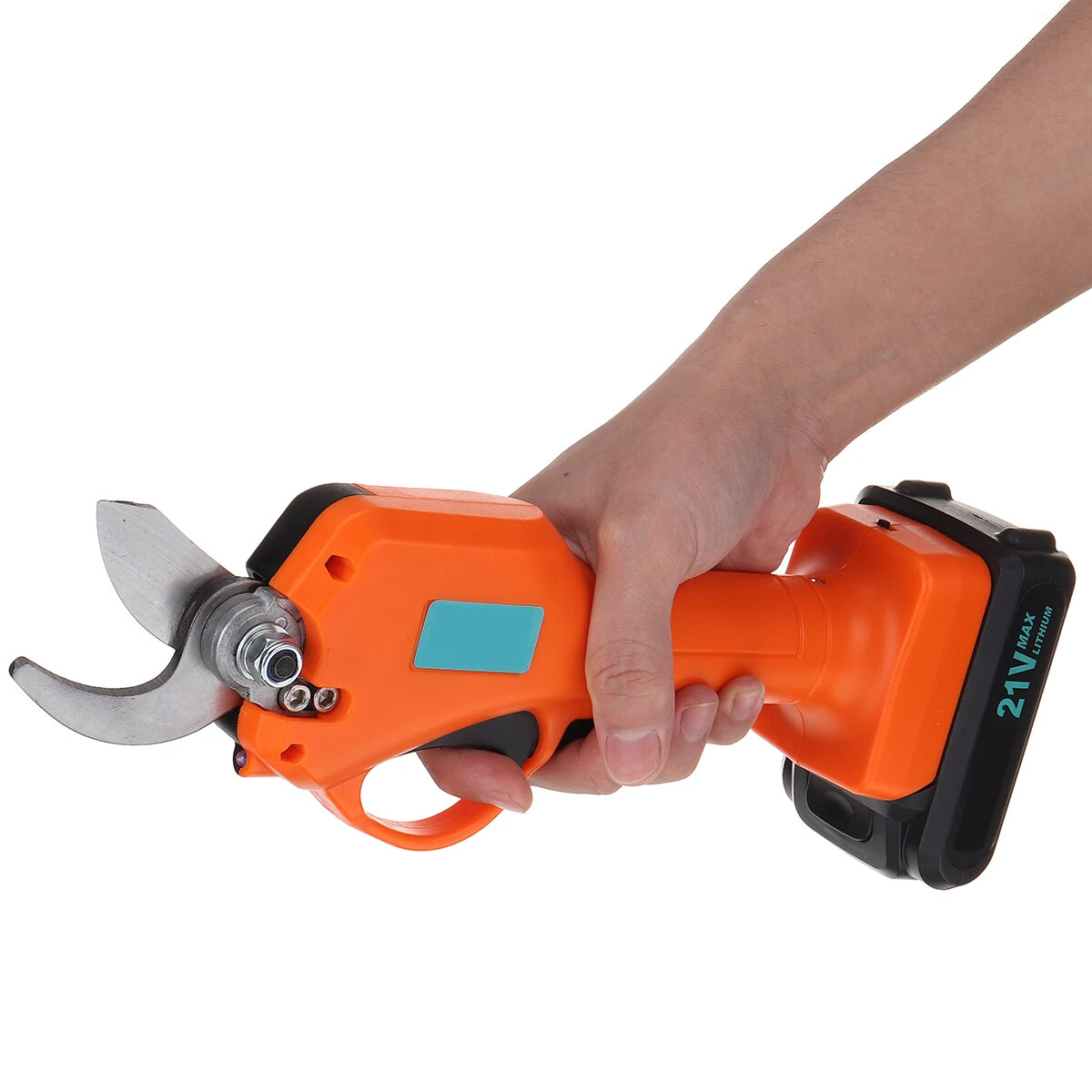
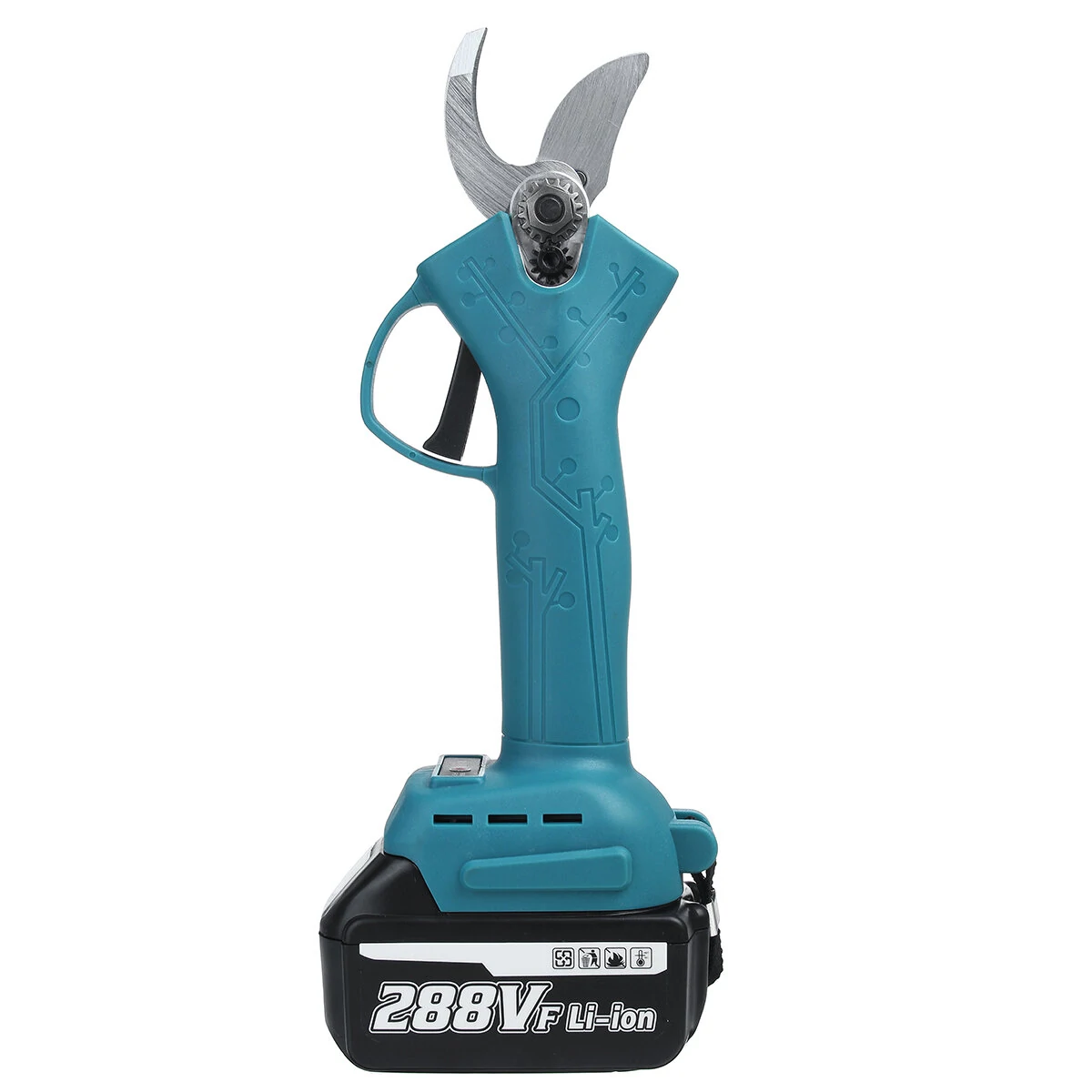
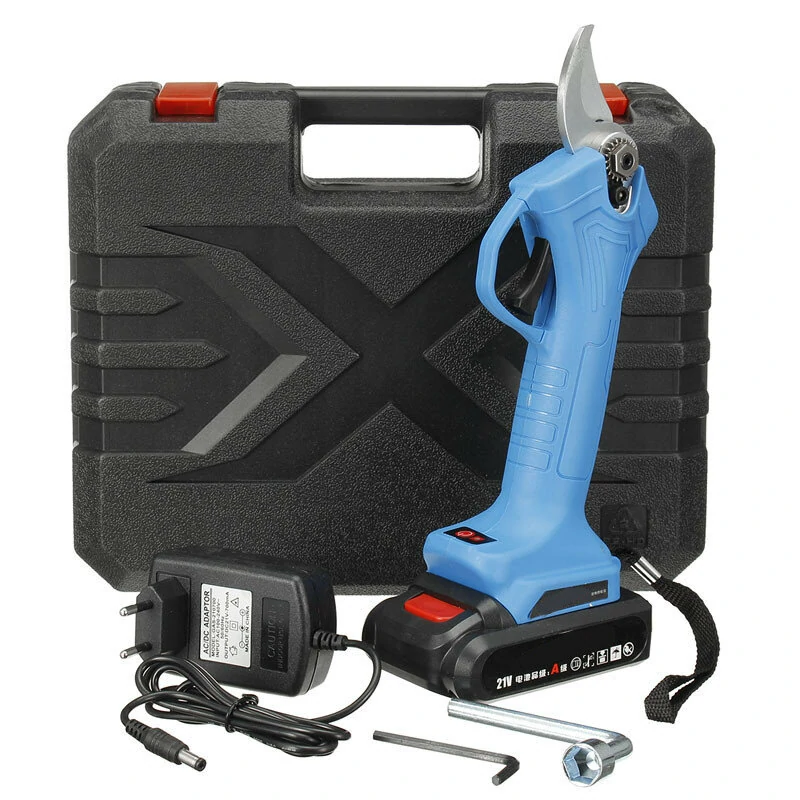
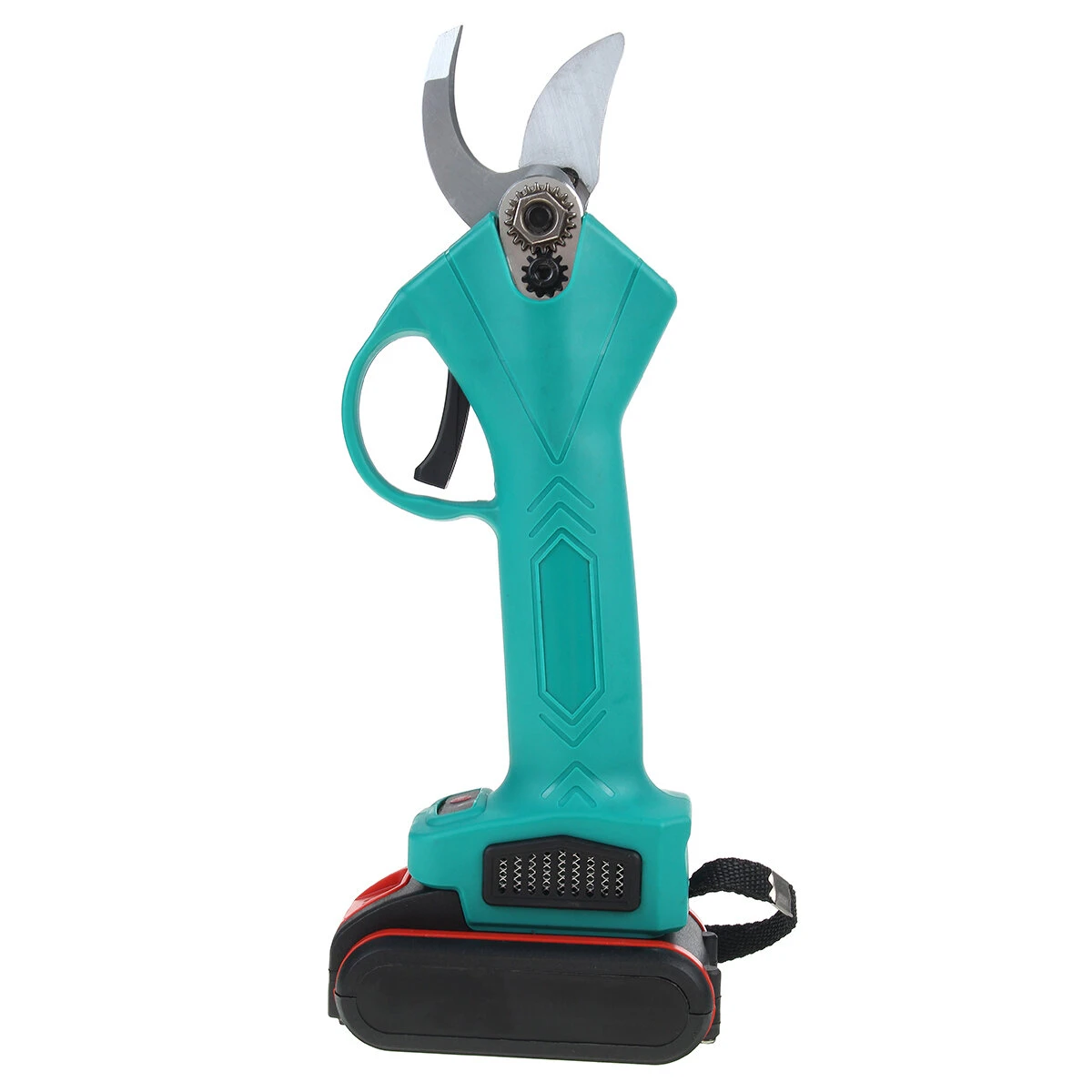
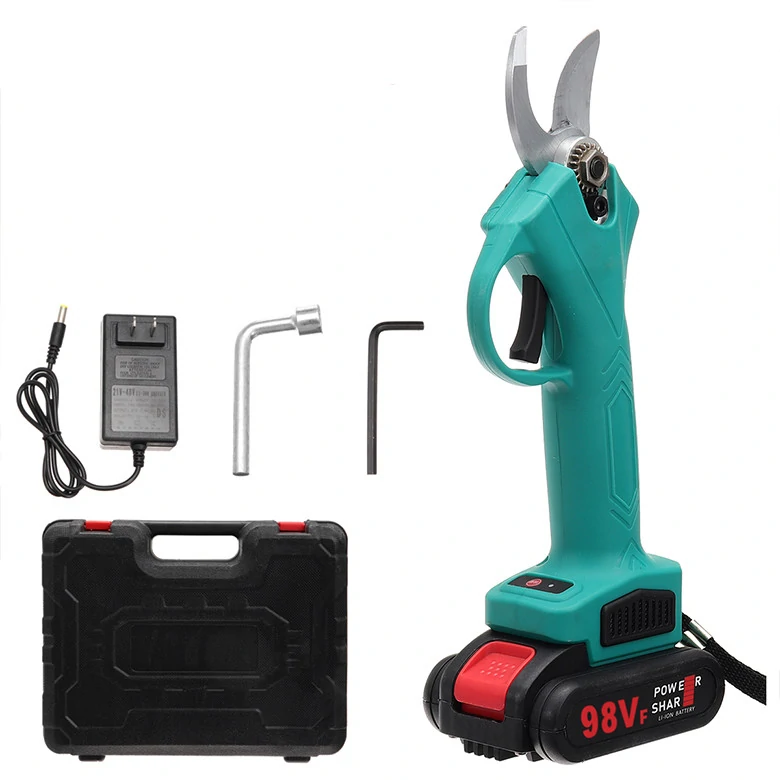
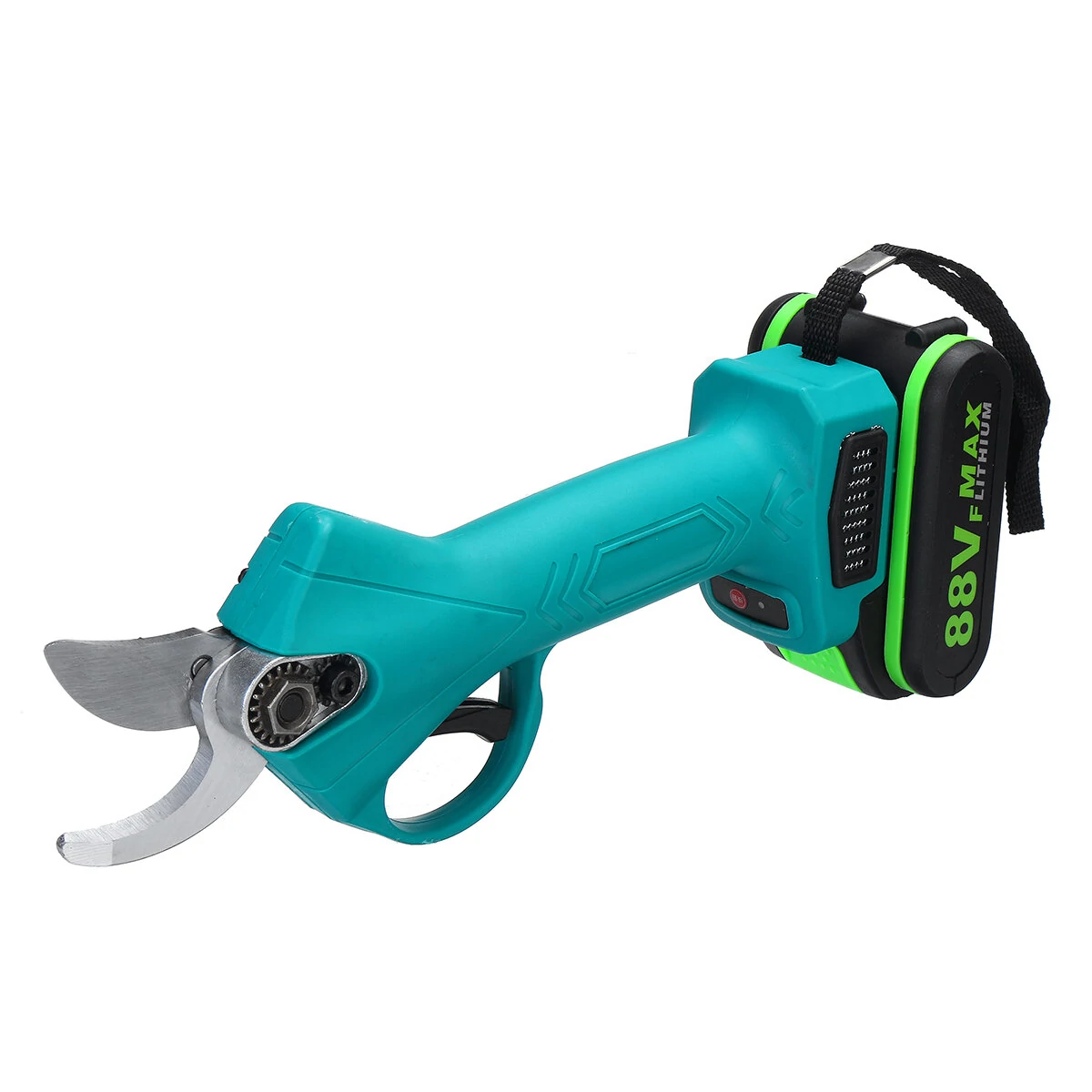
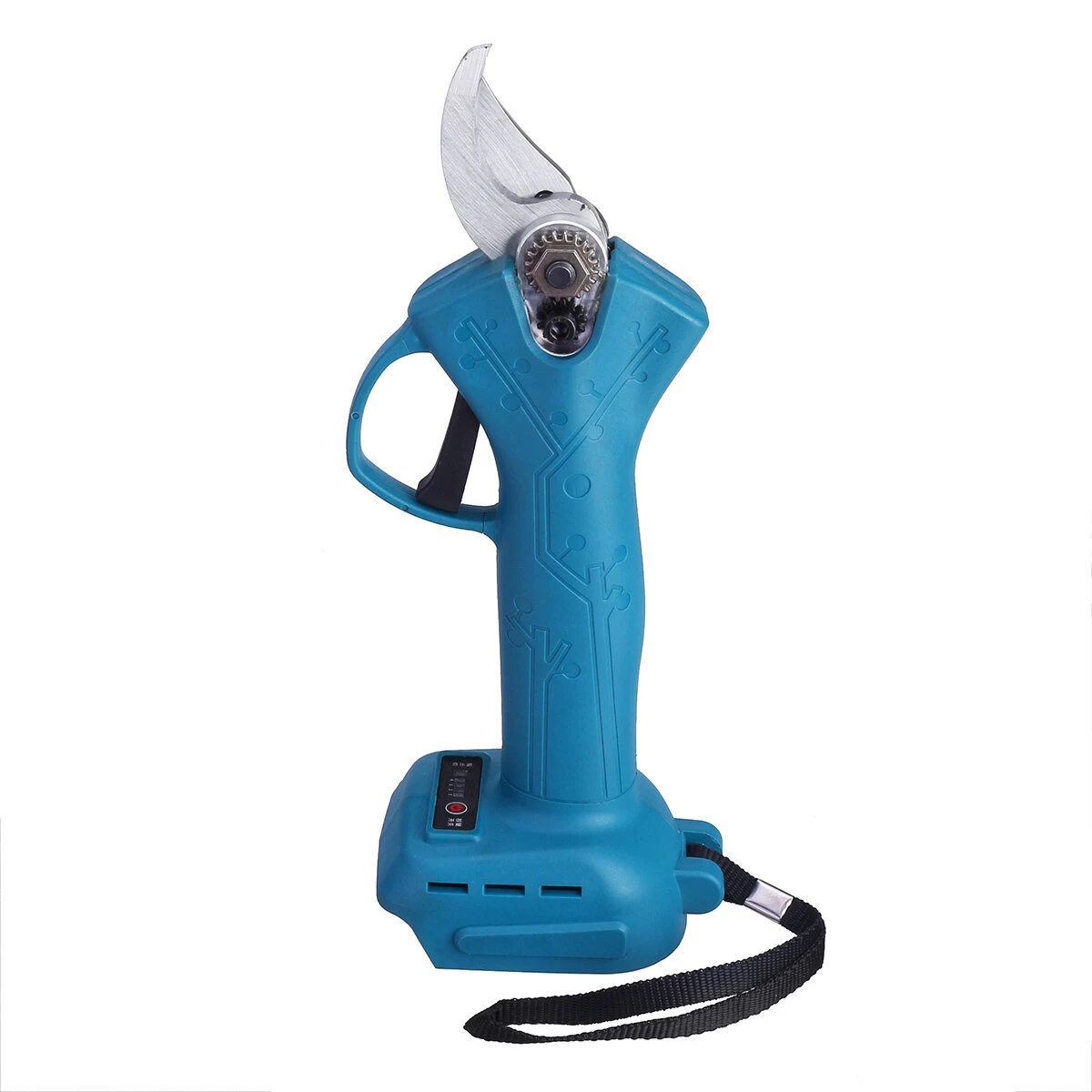
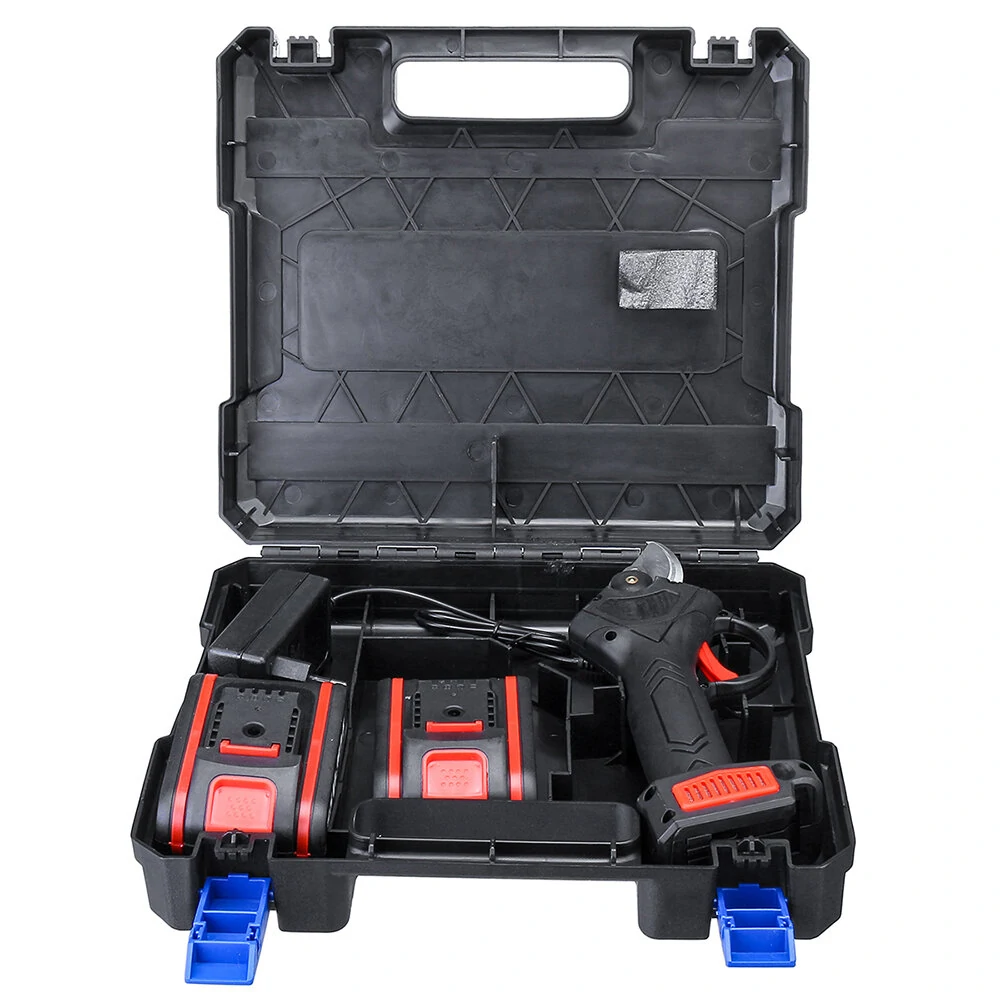
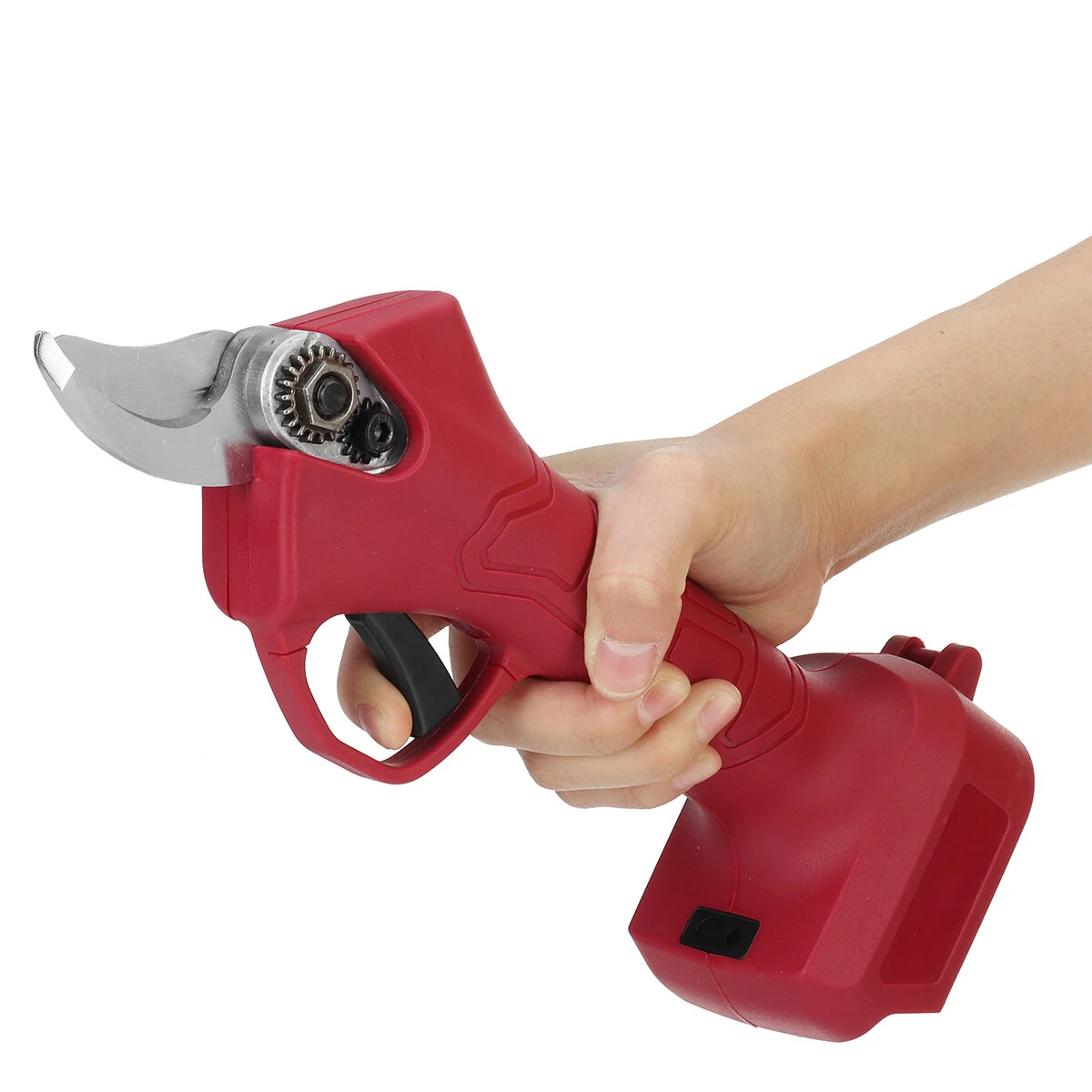
Pruning shears are the indispensable workhorse of any gardener's toolkit, designed to make precise, clean cuts that promote plant health and vigorous growth. Far more than just scissors for the garden, the right pair of shears transforms maintenance from a chore into a craft. The primary goal is to create a swift, accurate cut that seals quickly, minimizing damage and preventing disease from entering the plant. This makes choosing the correct type critical for the well-being of your roses, shrubs, trees, and perennials.
The two main categories are bypass and anvil pruning shears, each suited for different tasks. Bypass shears, which work like scissors with two curved blades passing by each other, are the most common and recommended for live, green wood. They provide a clean, slicing cut ideal for delicate stems and are essential for pruning living plants without crushing them. Anvil shears feature a single straight blade that closes onto a flat, metal anvil. They are powerful and excellent for cutting through dead, dry, or thicker woody branches, but their crushing action can damage live tissue.
Key benefits of using quality pruning shears include promoting plant health by removing diseased or damaged limbs, encouraging fruit and flower production by directing energy, and shaping plants for aesthetic appeal. Modern shears offer ergonomic handles to reduce hand fatigue, non-stick coatings for smoother cutting and sap resistance, and replaceable blades for long-term value. Whether you're deadheading flowers, harvesting herbs, or trimming small branches, having the right shears makes every gardening task more efficient and effective, leading to a more beautiful and productive garden.
**Buying Guide & FAQ**
**How do I choose between bypass and anvil pruners?**
Choose bypass pruners for almost all live-plant pruning, including green stems, flowers, and soft wood. They make the cleanest cuts. Opt for anvil pruners primarily for cutting dead branches, dry woody growth, or for tasks where maximum cutting force is needed on non-living material.
**What size branch can pruning shears handle?**
Most hand pruners are designed for branches up to ¾ inch (about 2 cm) in diameter. Attempting to cut larger material can damage the tool and the plant. For thicker branches, use loppers or a pruning saw.
**What features should I look for?**
Prioritize a comfortable, ergonomic grip to prevent blisters and fatigue. A safety latch is crucial for storage and carrying. Look for a quality steel blade that holds a sharp edge, and consider features like a sap-resistant coating, a rotating handle for reduced friction, and easy blade replacement systems.
**How do I maintain my pruning shears?**
Regular maintenance is key. Clean blades after each use with a disinfectant to prevent spreading disease between plants. Lubricate the pivot point regularly, and sharpen the blades with a file or whetstone as needed. Always store them dry and with the safety latch engaged. Proper care ensures years of reliable, clean-cutting performance.