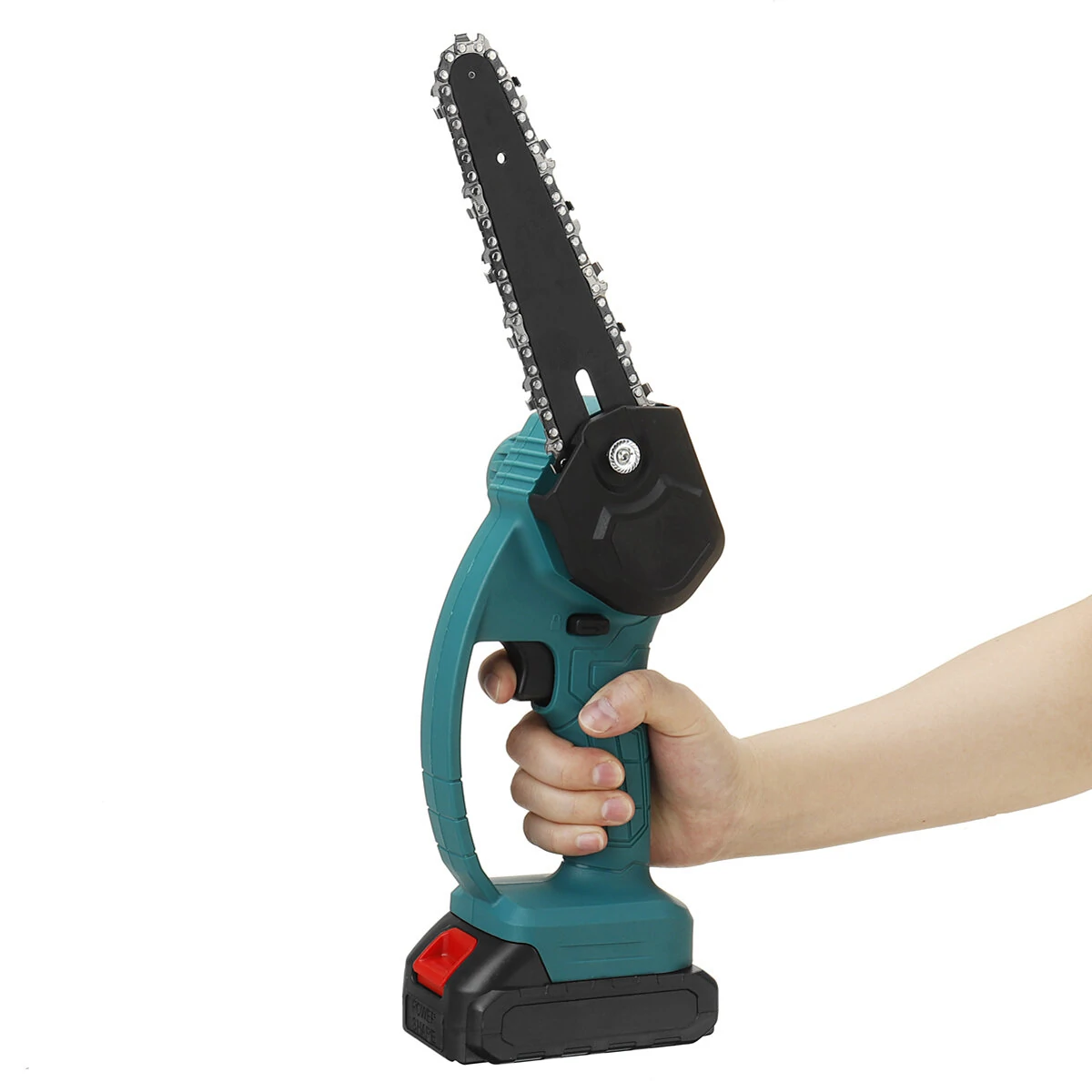
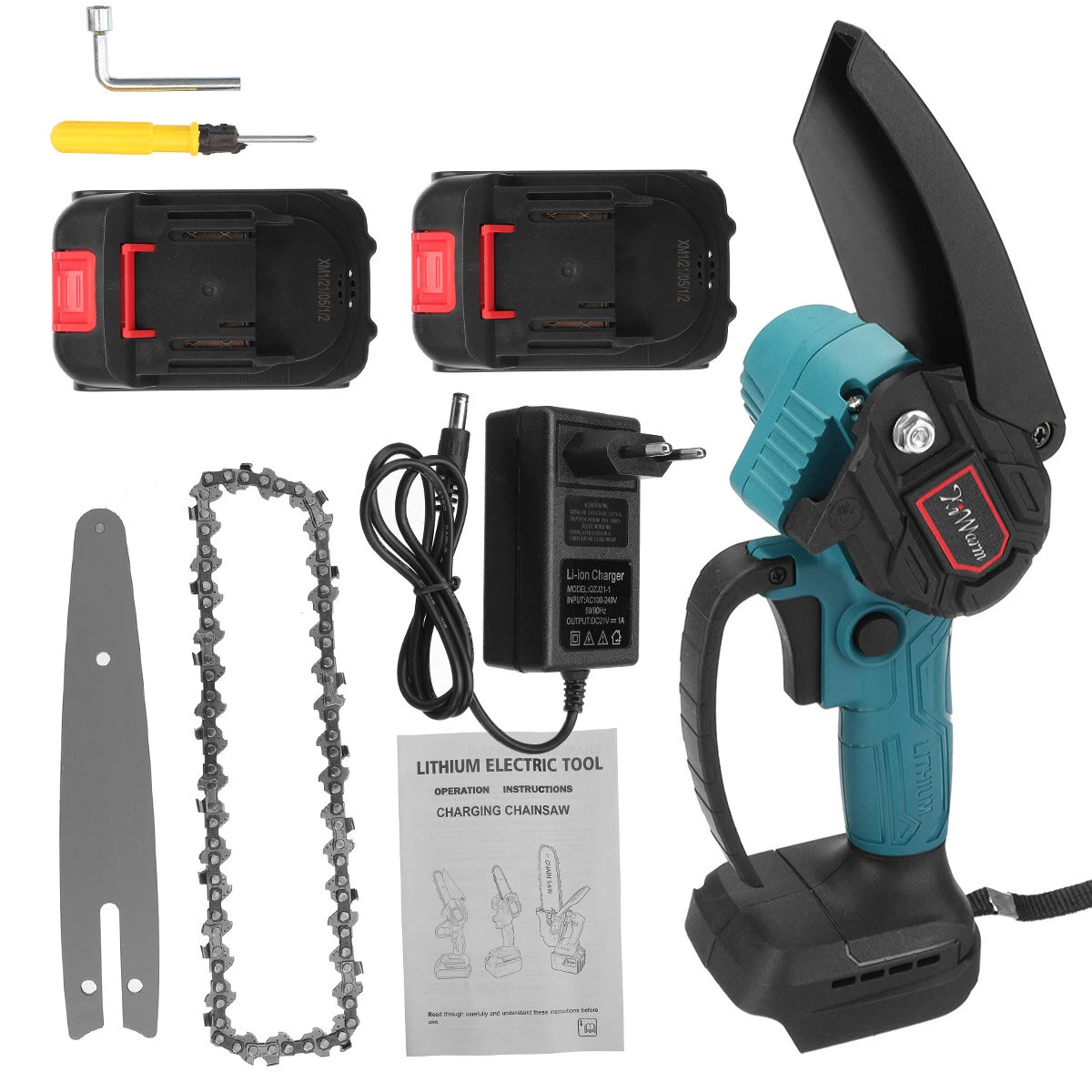
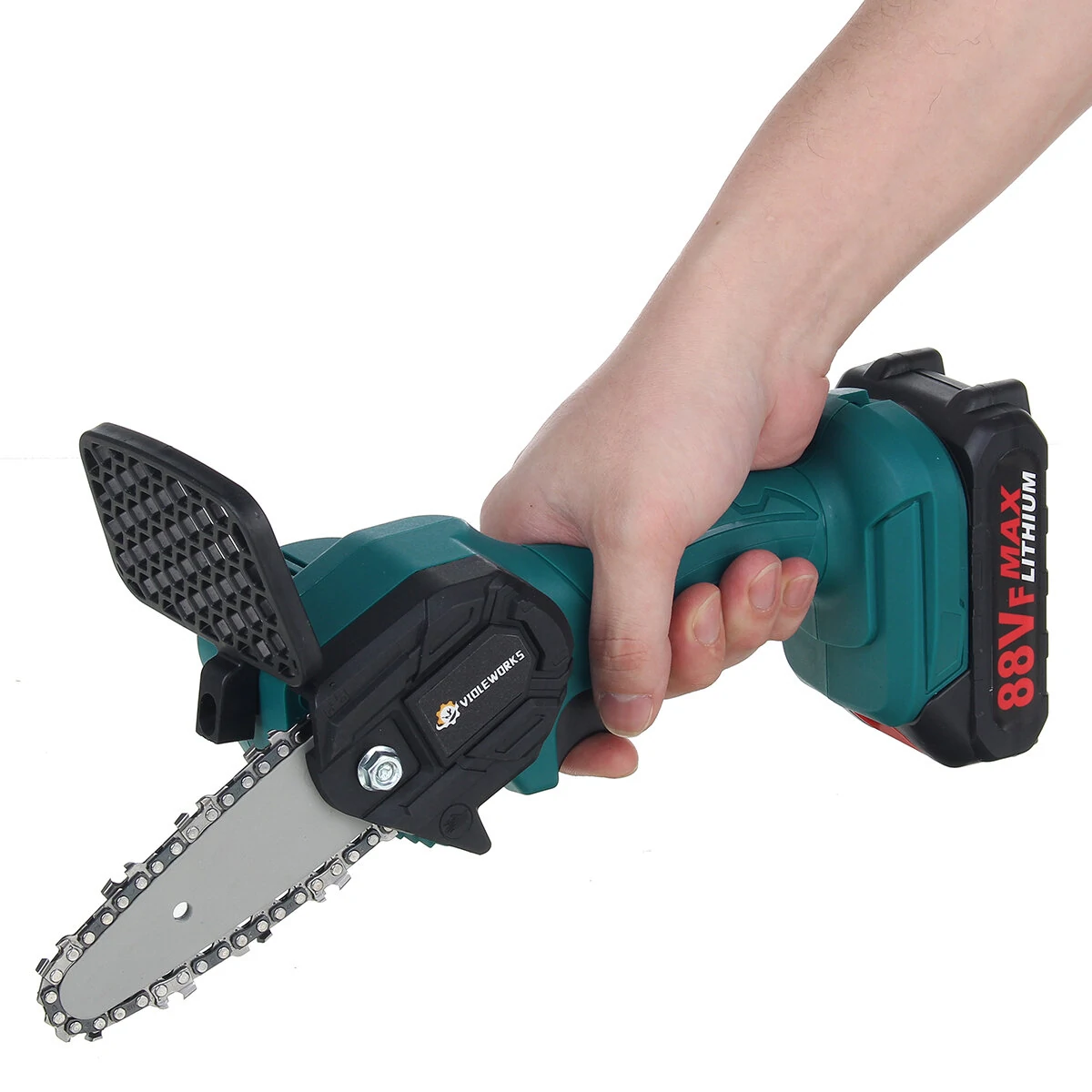
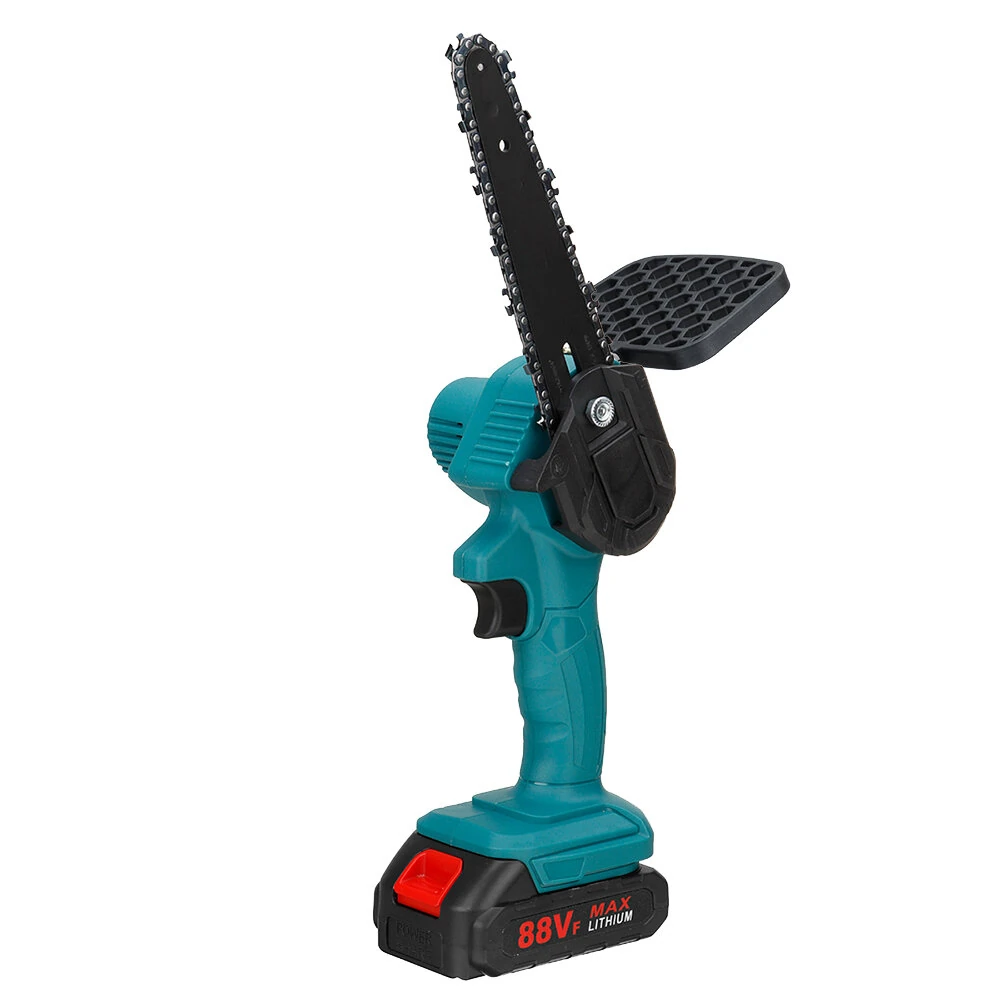
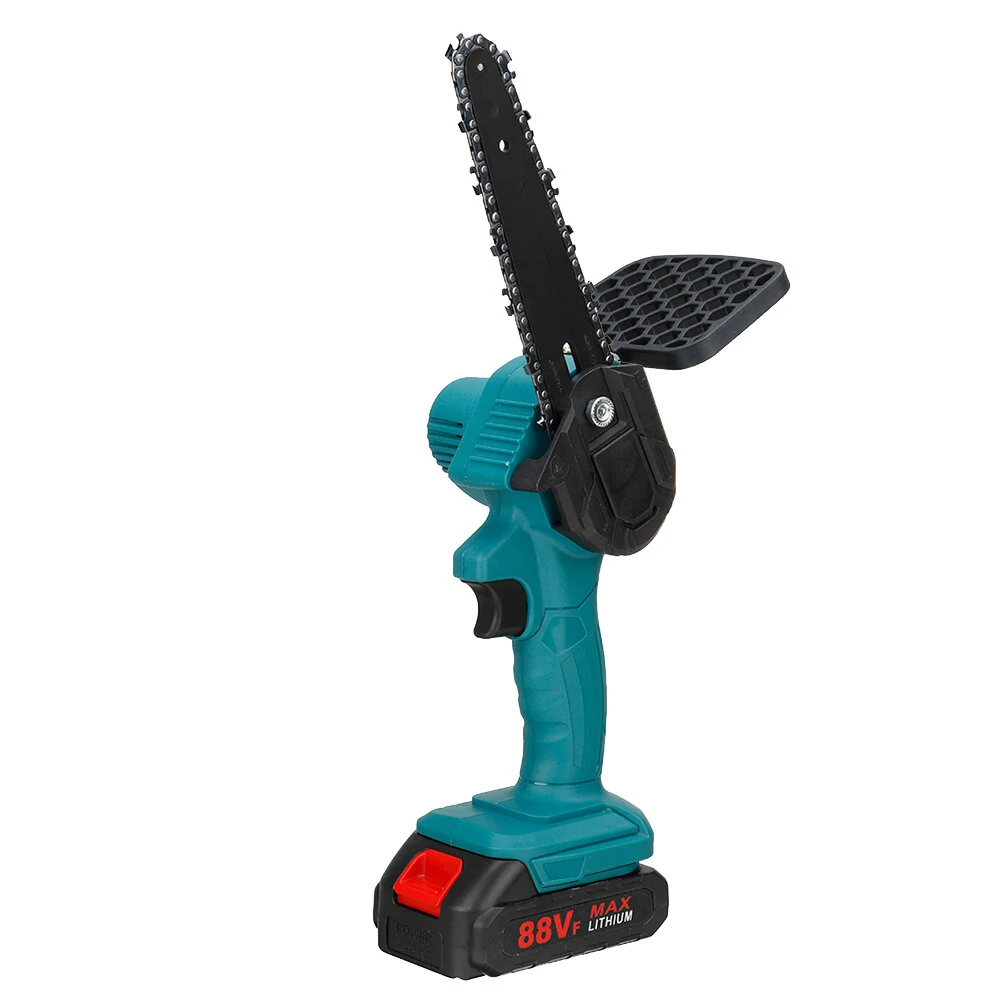
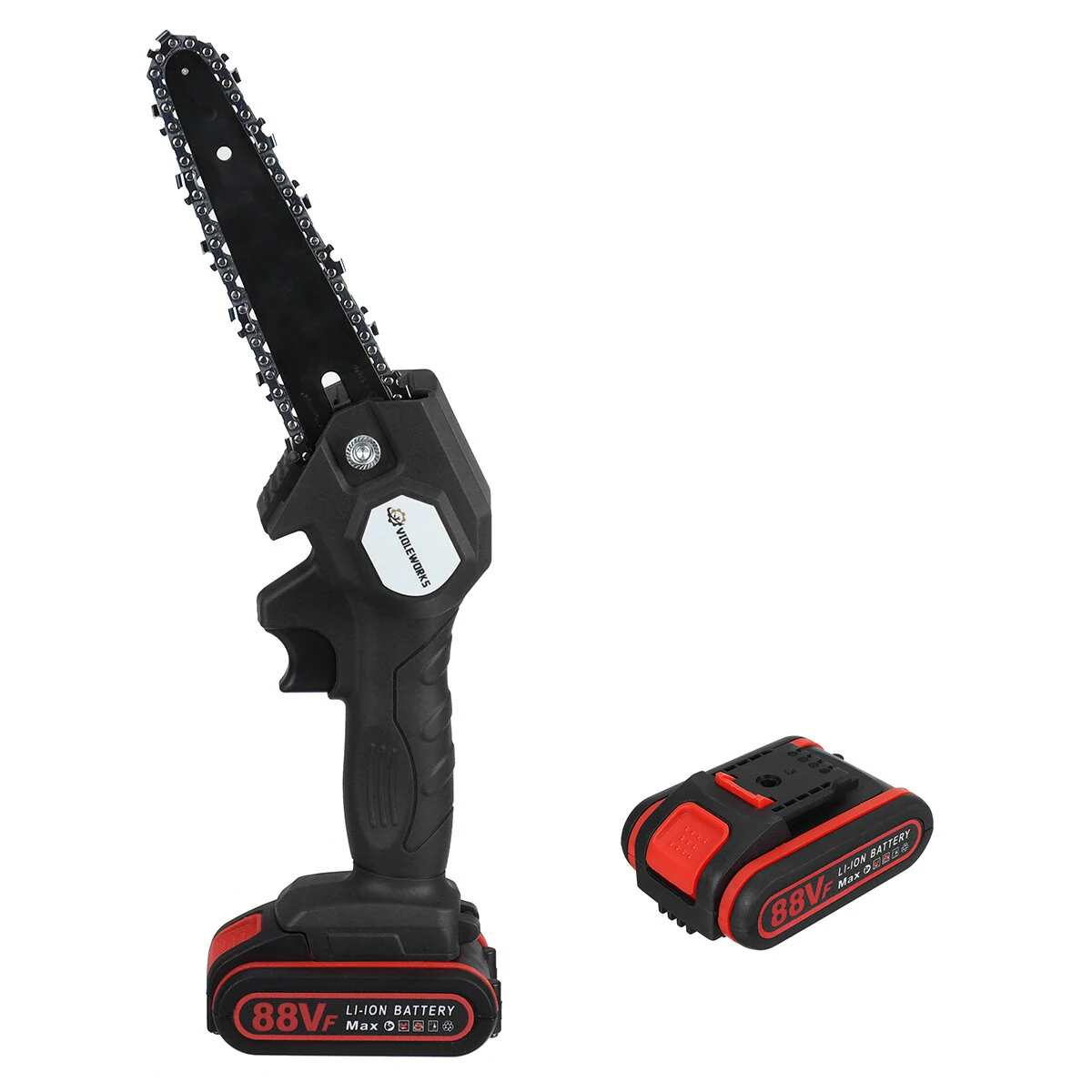
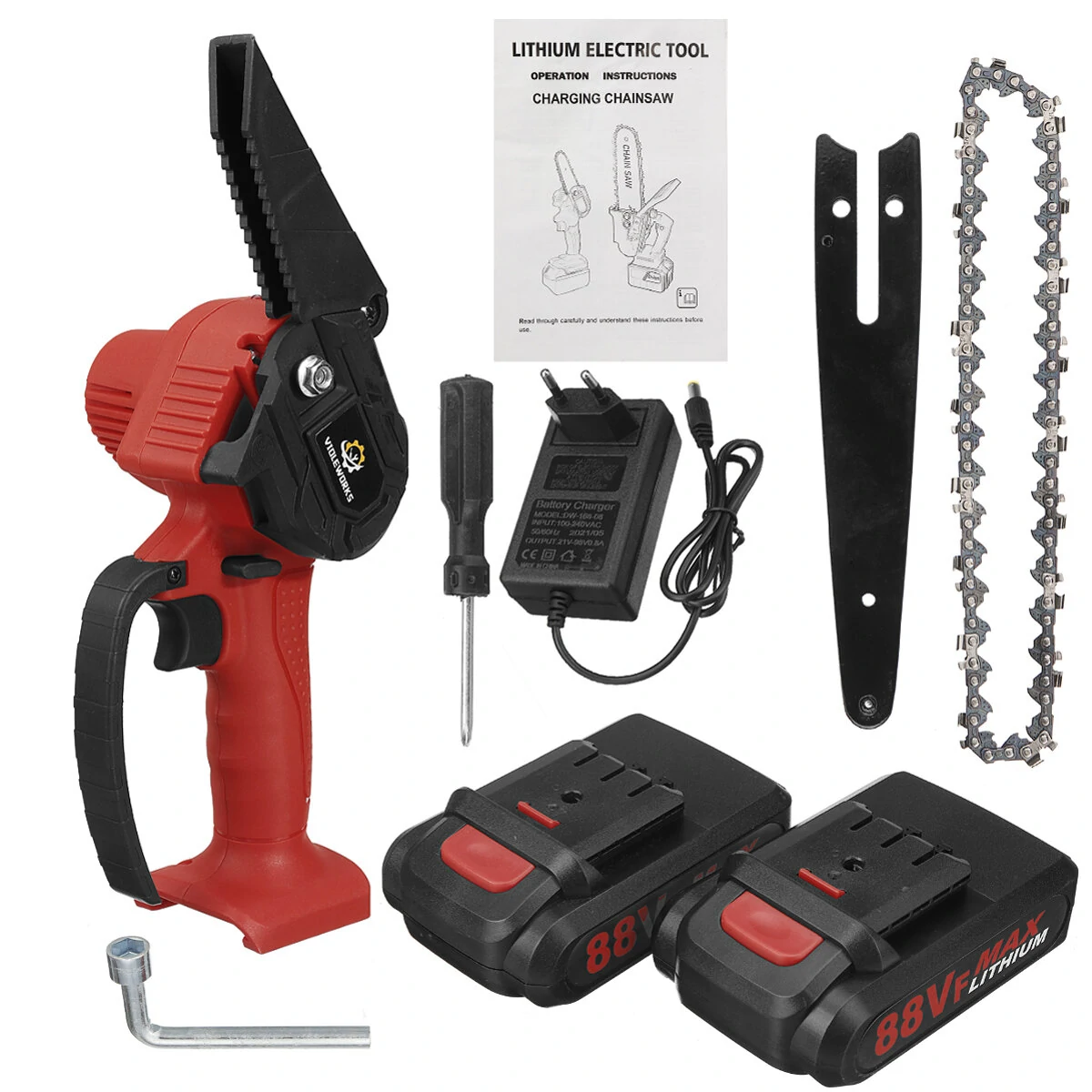
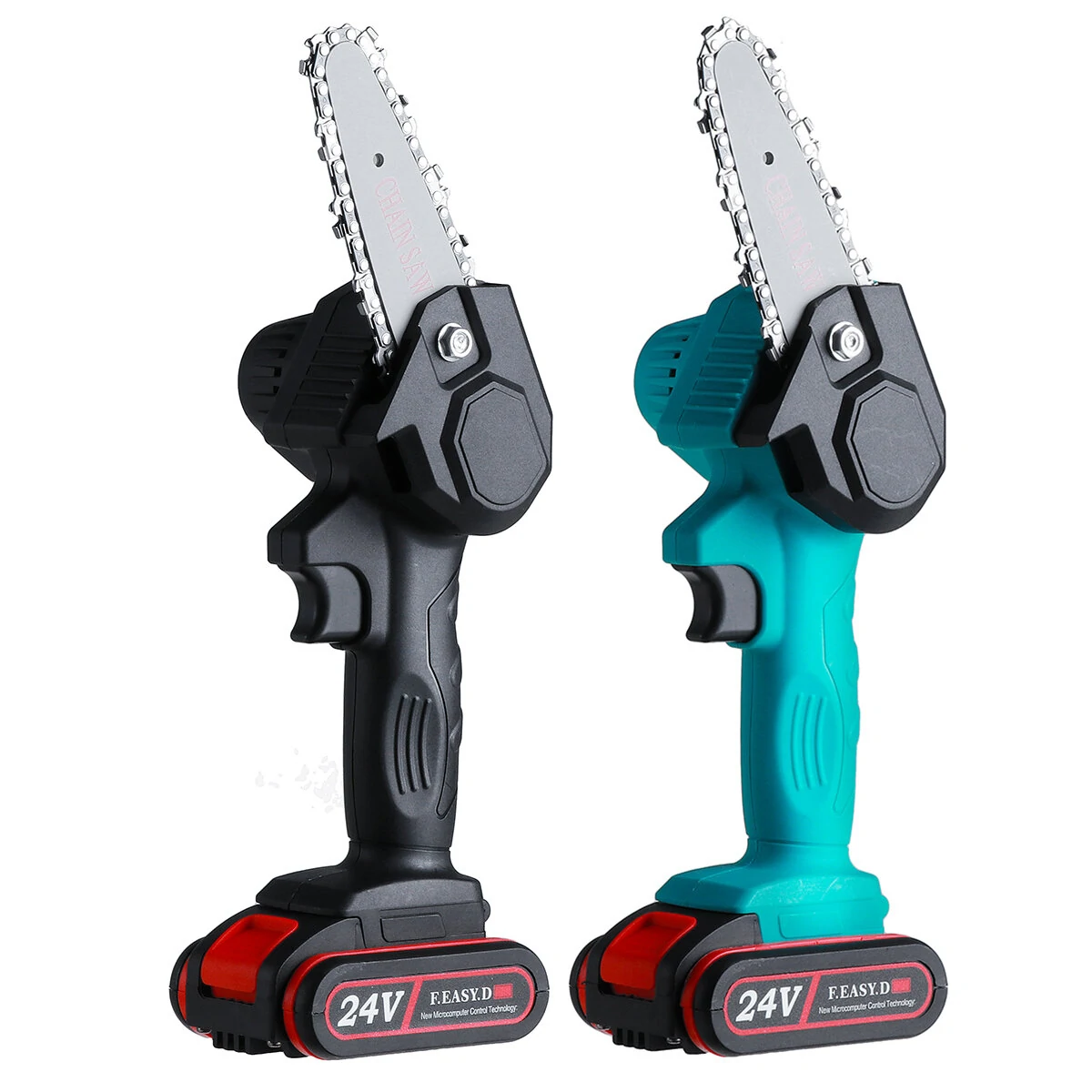
A garden saw is an indispensable tool for any serious gardener, landscaper, or homeowner with trees and shrubs. Unlike chainsaws, which are powerful but often overkill for routine tasks, garden saws offer precision, control, and quiet operation for cutting branches, pruning limbs, and managing woody growth. The right saw transforms arduous cutting jobs into smooth, manageable tasks, promoting plant health and keeping your outdoor space tidy. This category encompasses several specialized tools designed for specific needs. Key types include the versatile **Pruning Saw**, with its curved blade and razor-sharp teeth for clean cuts that help plants heal quickly. The **Folding Saw** is a favorite for its portability and safety, with a blade that tucks neatly into the handle. For high branches, a **Pole Saw** extends your reach, allowing you to trim overhead limbs safely from the ground. The classic **Bow Saw** handles thicker logs and larger branches with its sturdy, tensioned frame. Modern garden saws feature ergonomic, non-slip handles to reduce fatigue and innovative tooth patterns—like triple-cut or impulse-hardened teeth—that cut on both the push and pull strokes for faster, smoother results. Investing in a quality garden saw means investing in the longevity of your trees and the beauty of your garden. Proper pruning encourages healthy growth, improves fruit production, and prevents disease by removing dead or damaged wood. Whether you're shaping a hedge, clearing storm debris, or preparing firewood, having the right saw makes all the difference in achieving professional-looking results with minimal effort.
**Choosing the Right Garden Saw: A Quick Guide**
**1. What will you be cutting?** For live branches and precision pruning (up to 3-4 inches), choose a sharp pruning or folding saw. For thicker, dead wood or small logs, a bow saw is more efficient.
**2. How high are the branches?** Never use a ladder with a hand saw. For overhead work, a pole saw is essential for safety. Look for lightweight, telescopic poles and a saw head that can be angled.
**3. Is portability important?** If you need to carry your saw in a pocket or tool belt, a compact folding saw is the perfect choice. Ensure it has a secure locking mechanism when open.
**4. What about blade teeth?** More Teeth Per Inch (TPI) gives a finer, slower cut suitable for green wood. Fewer TPI provides a faster, aggressive cut for dry, thick wood. Look for rust-resistant blades for longevity.
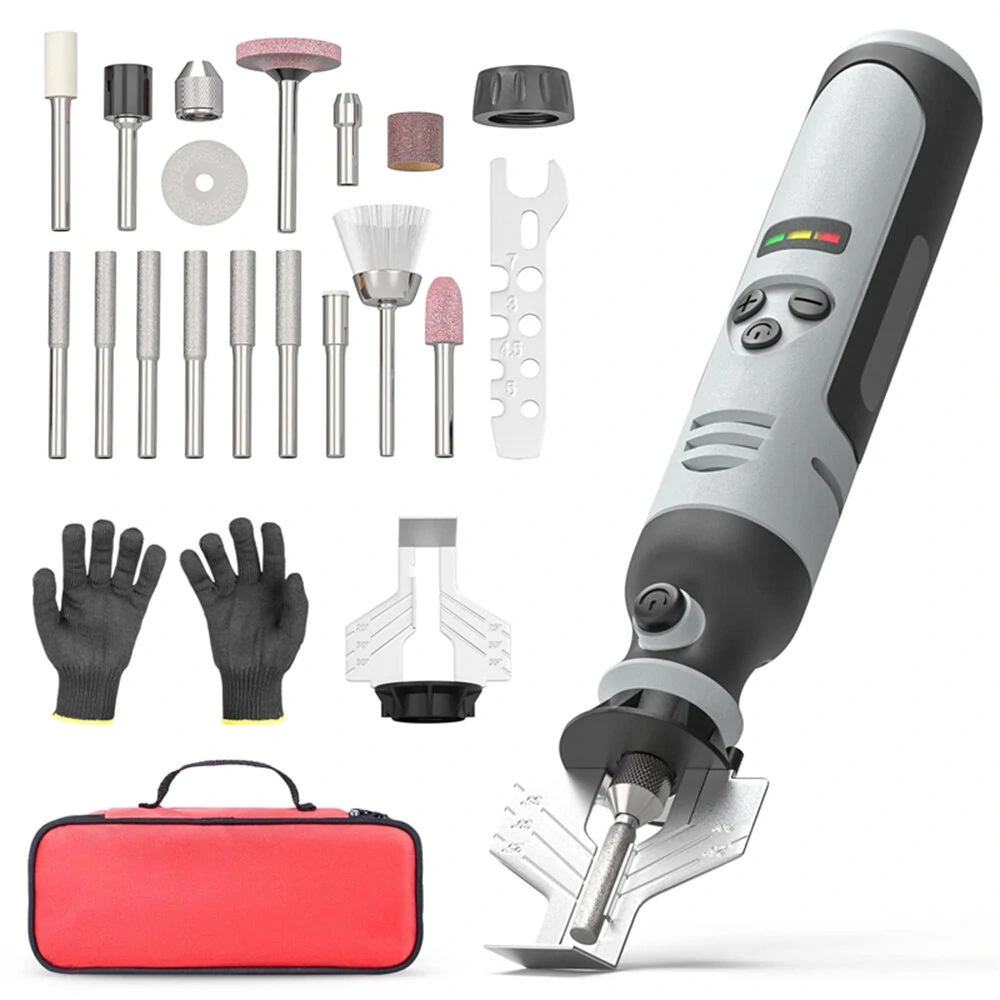
**5. How do I maintain my saw?** Keep the blade clean and dry. Use a blade guard when storing. Sharpen the teeth periodically with a suitable file to maintain peak performance. A well-maintained garden saw can last for decades, making it a cornerstone of your garden tool collection.