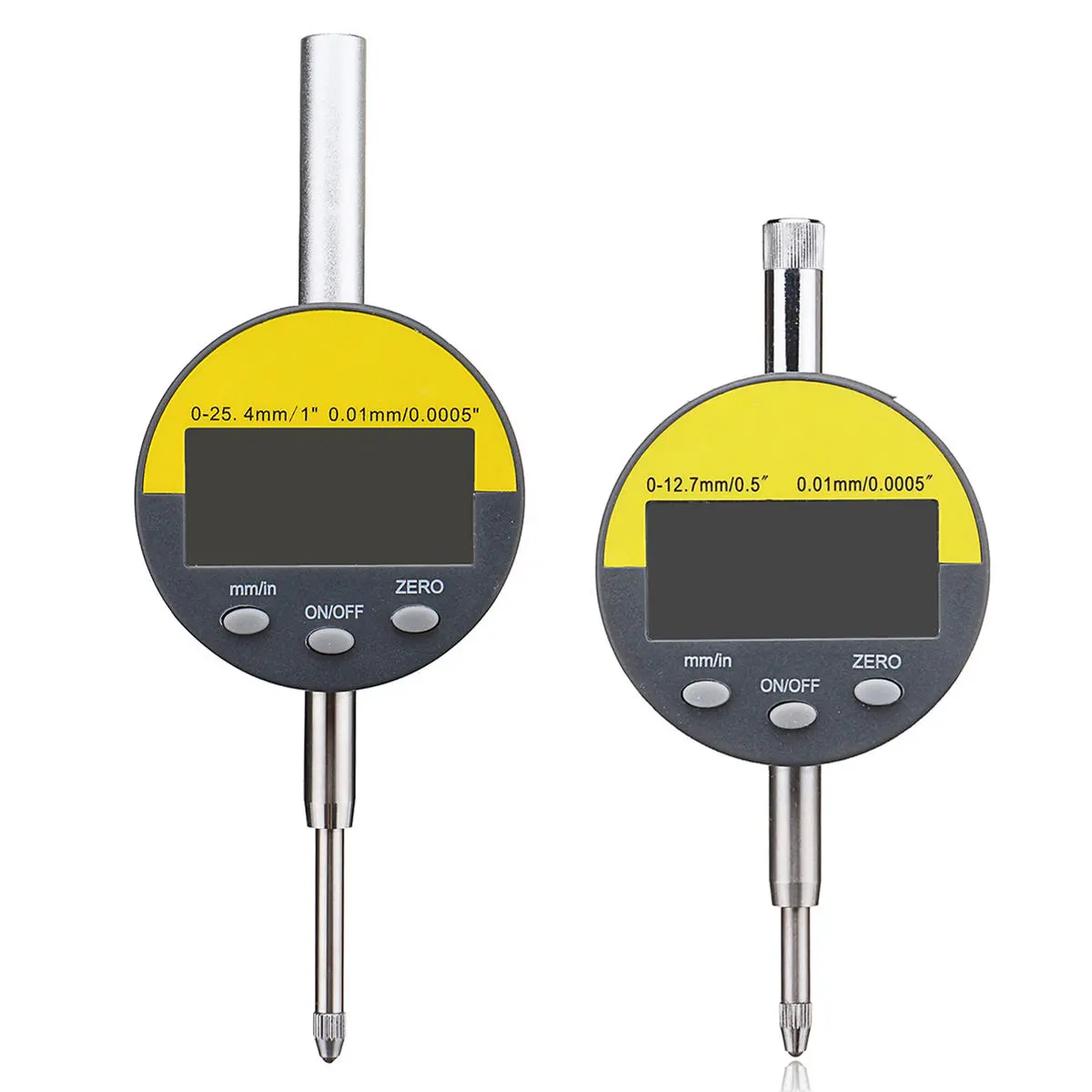
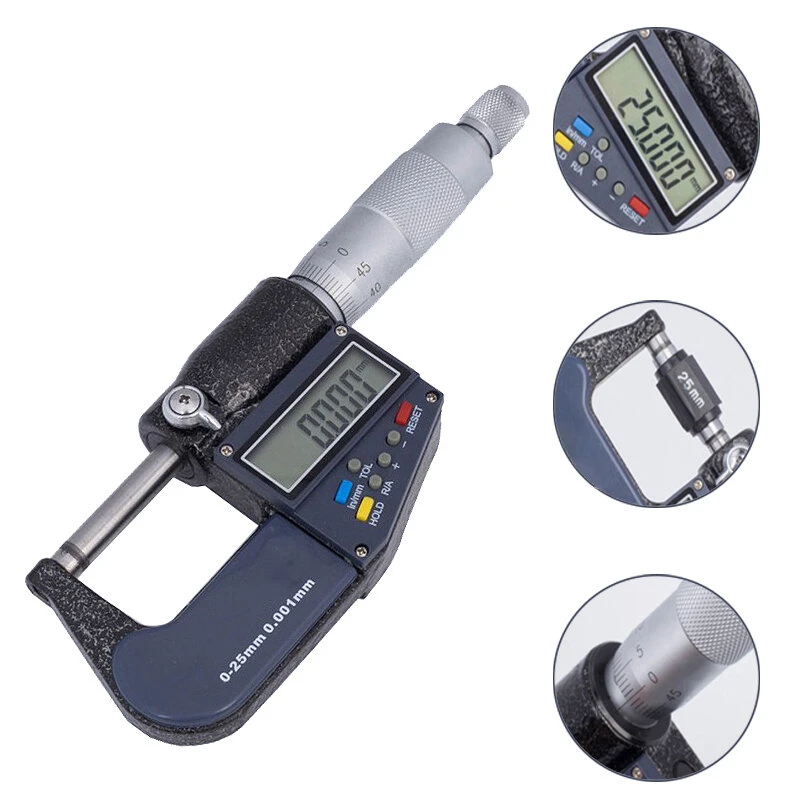
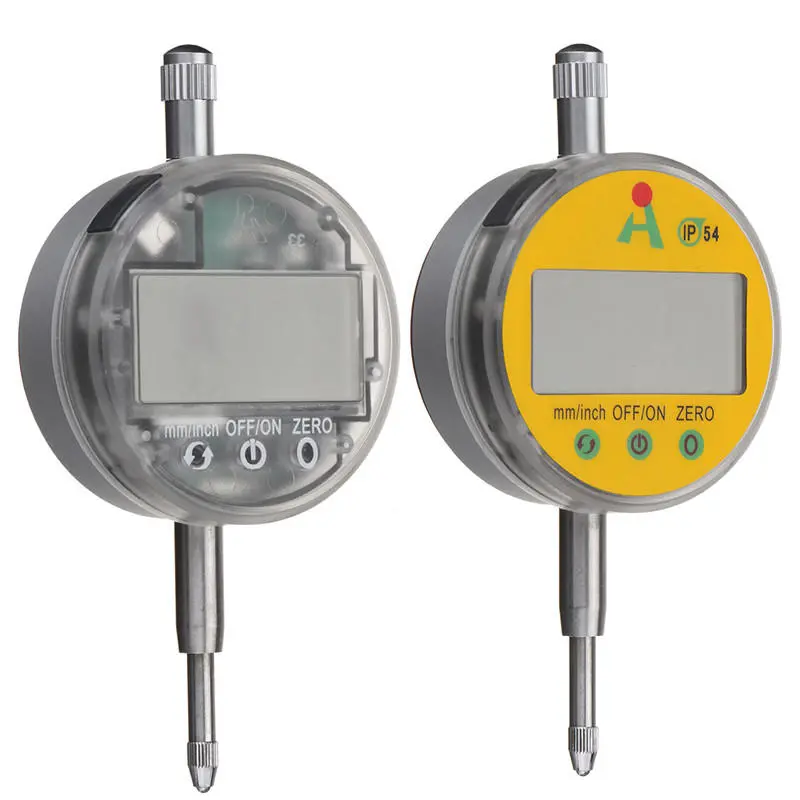
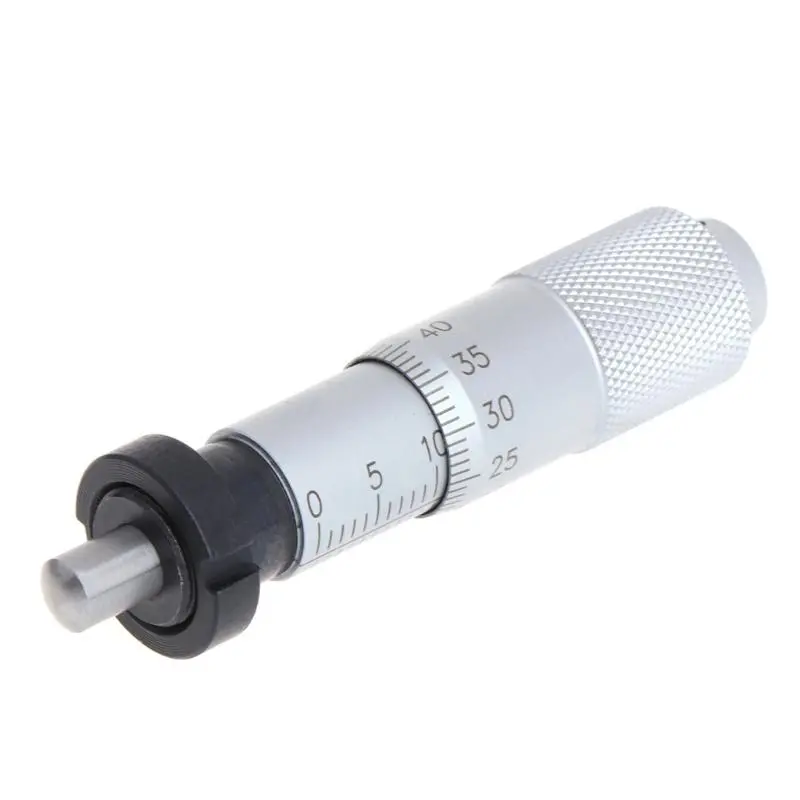
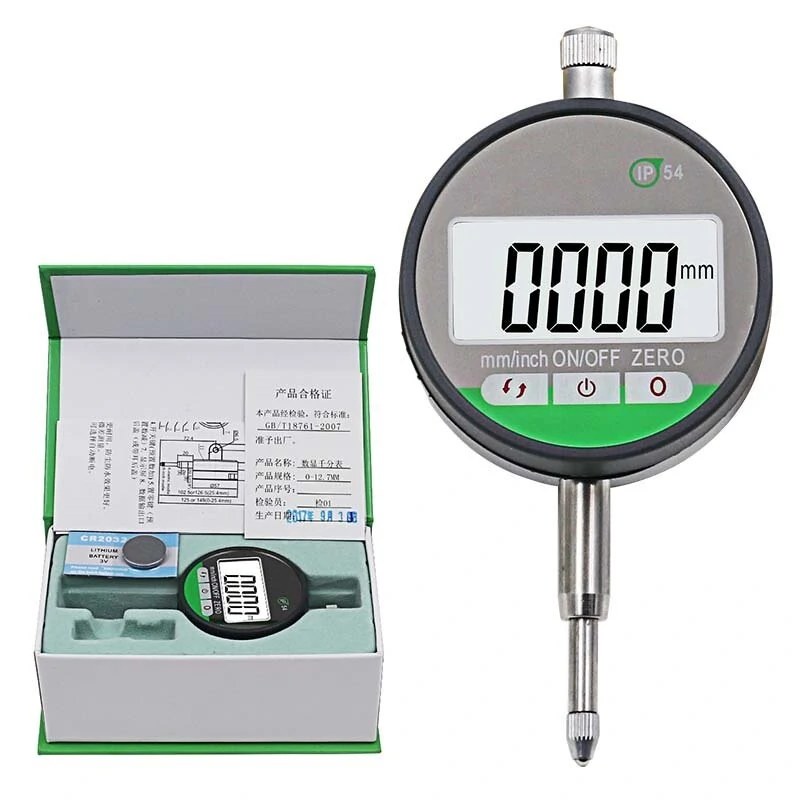
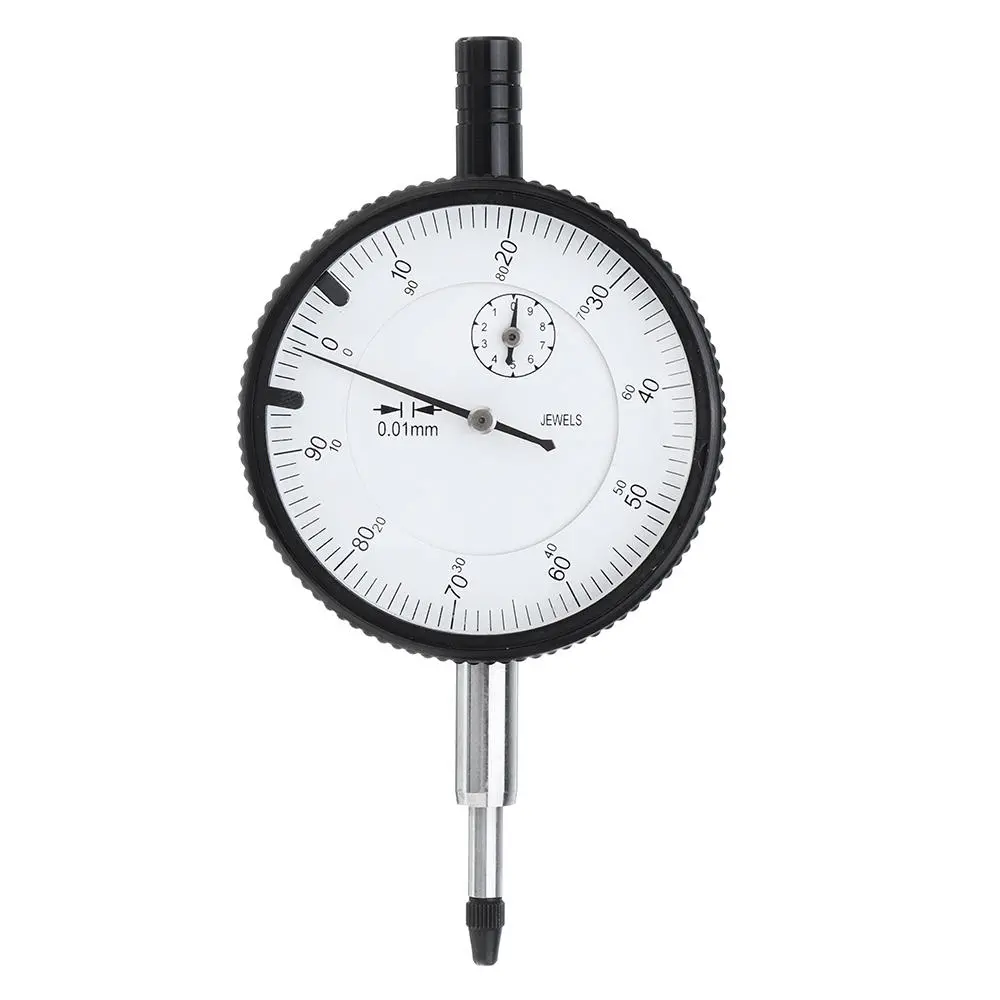
Micrometers are the gold standard for precision measurement in machining, engineering, manufacturing, and quality control. Offering unparalleled accuracy—often down to 0.0001 inches or 0.001 millimeters—these essential tools are designed for tasks where even the slightest deviation matters. Unlike calipers, micrometers use a precision screw and finely calibrated thimble to provide highly repeatable measurements of small dimensions with exceptional resolution. The core benefit of using a micrometer is confidence; whether you're checking the diameter of a machined shaft, the thickness of sheet metal, or the width of a specialized component, you get a definitive, reliable reading. Key product types include outside micrometers, the most common style for measuring external dimensions like diameters and thicknesses. Inside micrometers are engineered for internal measurements, such as bore diameters. Depth micrometers, with their specialized base and interchangeable rods, accurately measure the depth of holes, slots, and steps. Modern advancements have introduced digital micrometers, which feature easy-to-read LCD displays, data output capabilities, and instant unit conversion, streamlining workflow and reducing reading errors. Analog micrometers, with their classic vernier or thimble scales, remain prized for their durability and direct mechanical feedback. For professionals and serious hobbyists, investing in a high-quality micrometer set ensures you have the right tool for any precision job, enhancing the quality, consistency, and reliability of your work.
Choosing the right micrometer depends on your specific measurement needs and work environment. First, consider the measurement range. Micrometers are typically sold in 1-inch or 25mm increments (e.g., 0-1", 1-2"). For versatility, a micrometer set covering multiple ranges is ideal. Next, decide between digital and analog. Digital models offer swift reading, reduced parallax error, and often include features like SPC output for statistical process control. Analog models are robust, never need batteries, and are excellent for workshop environments. The anvil and spindle faces should be made of hardened steel or carbide for longevity and wear resistance. A reliable friction or ratchet stop thimble is crucial for applying consistent measuring pressure, ensuring repeatable results. For frequent use, look for a comfortable, insulated frame to minimize heat transfer from your hands. FAQ: Q: How do I calibrate a micrometer? A: Use a certified gauge block or standard at the tool's measuring point and adjust the zero setting accordingly. Regular calibration is essential for maintaining accuracy. Q: Can I measure anything with a micrometer? A: Micrometers are designed for precise, small-scale linear measurements. They are not suitable for soft, malleable materials that can deform under the spindle pressure. Always match the tool type (outside, inside, depth) to the feature you are measuring.