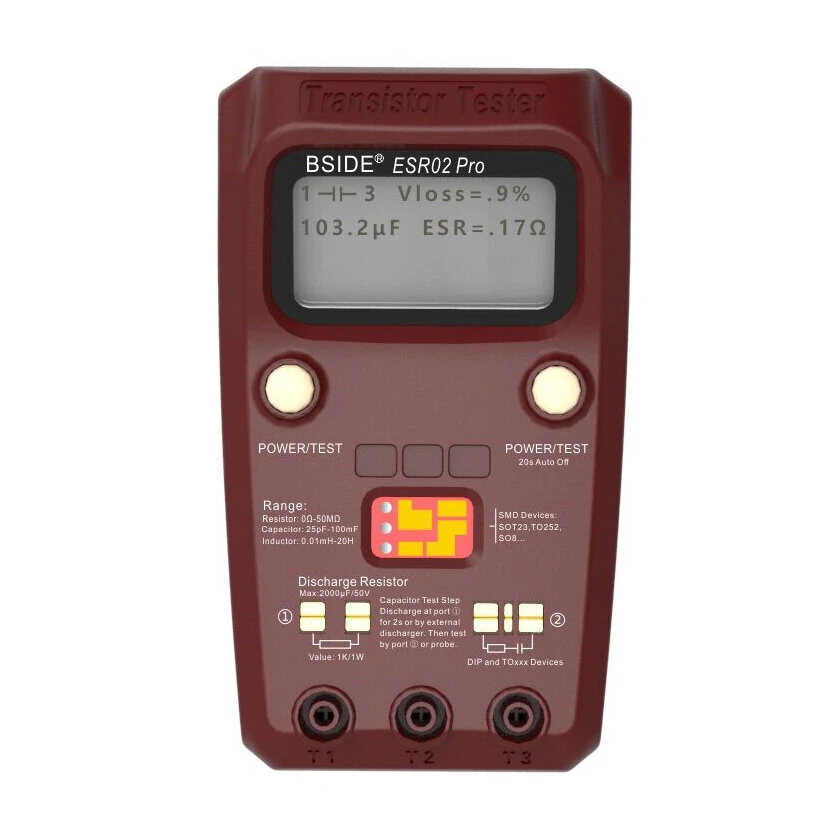
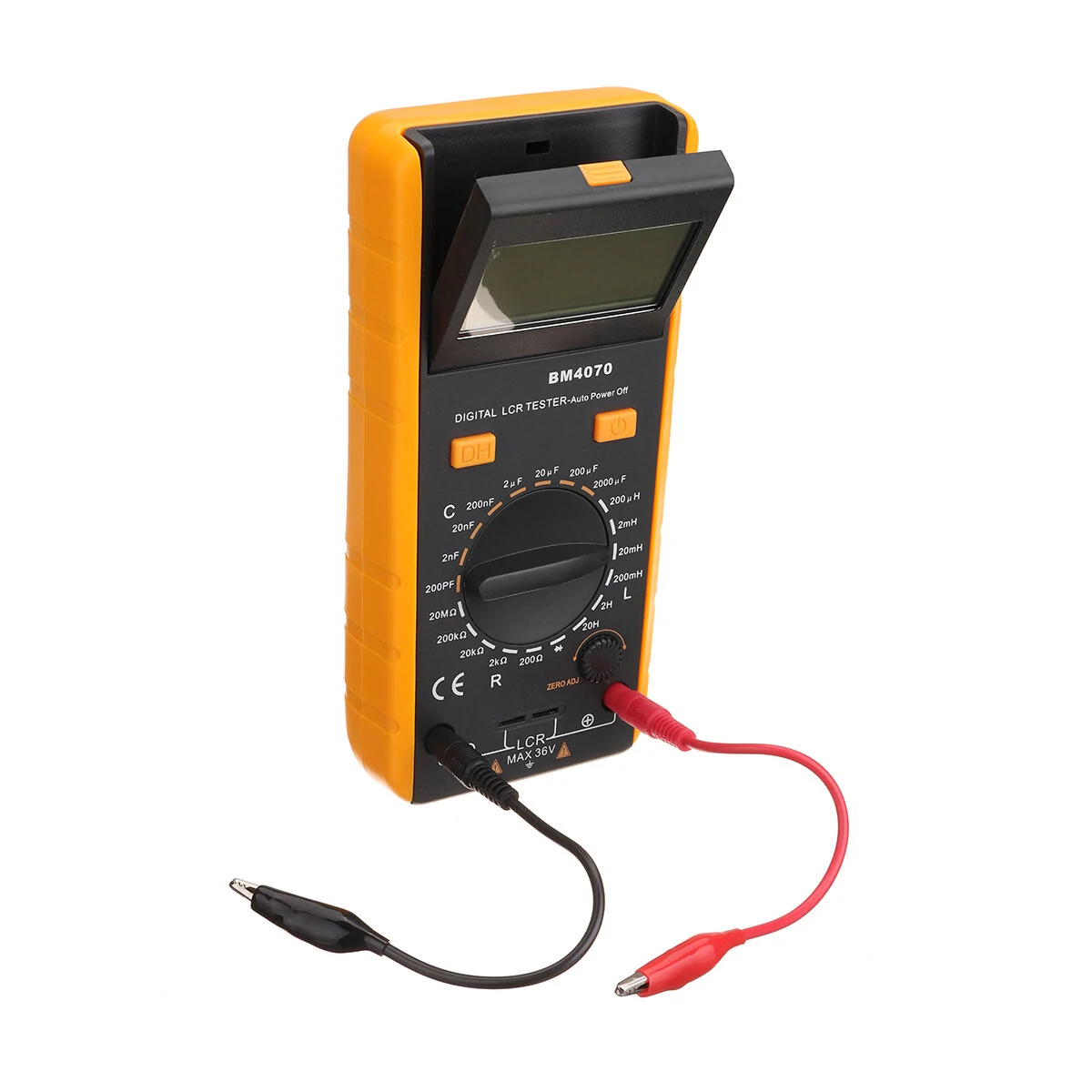
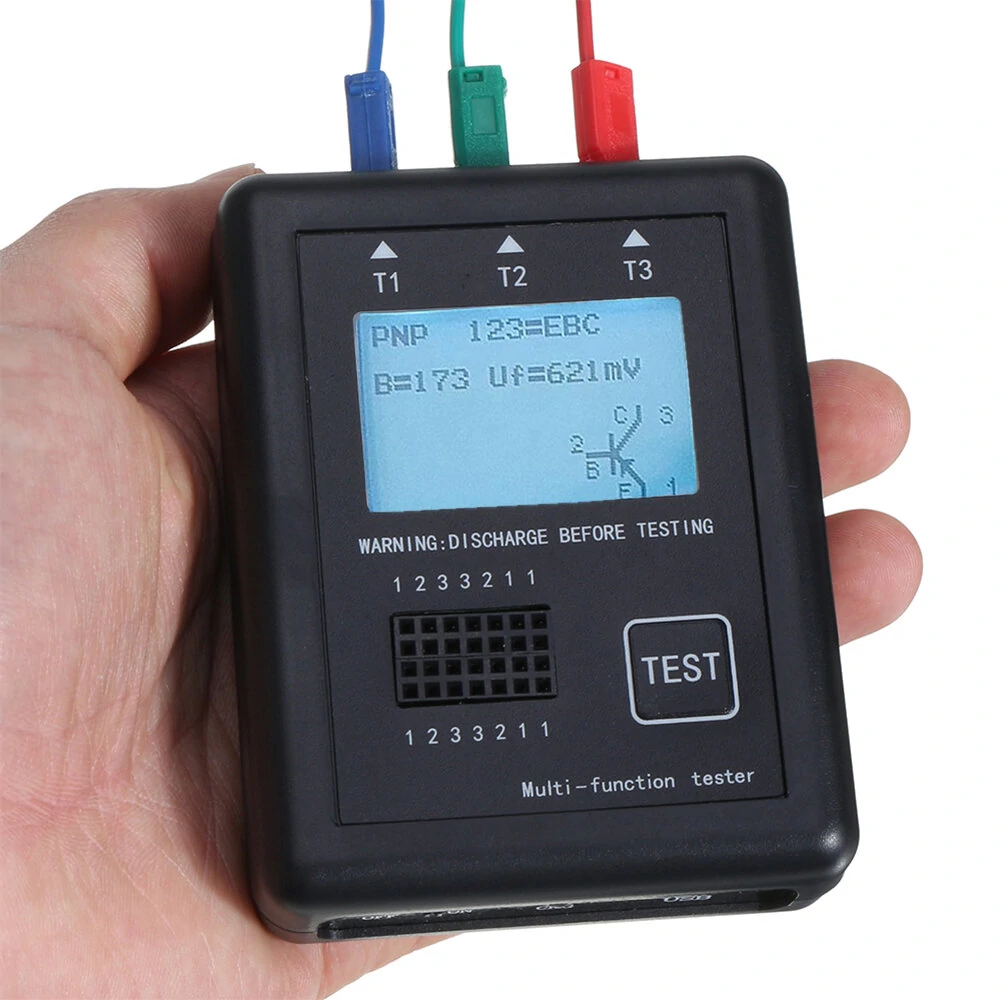
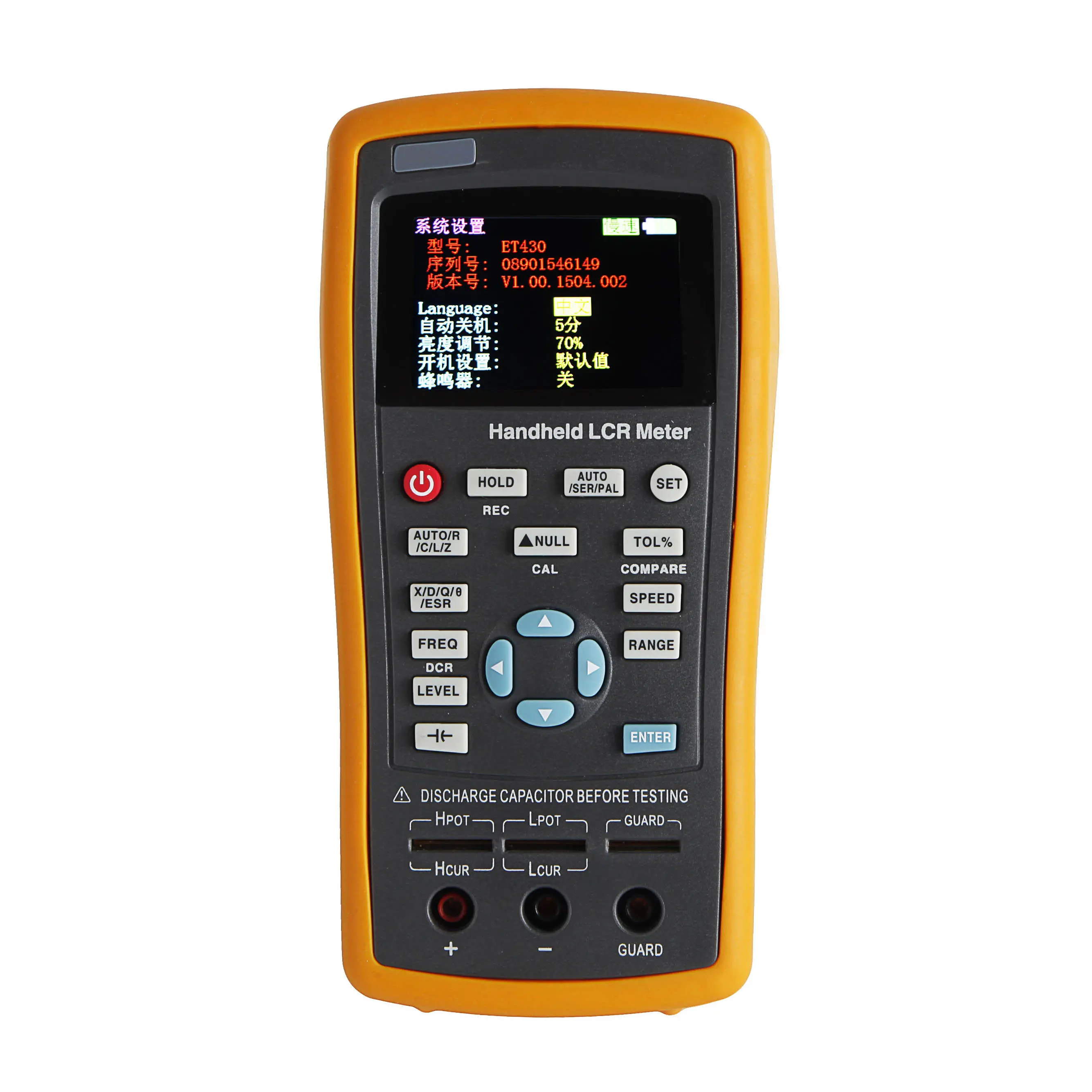
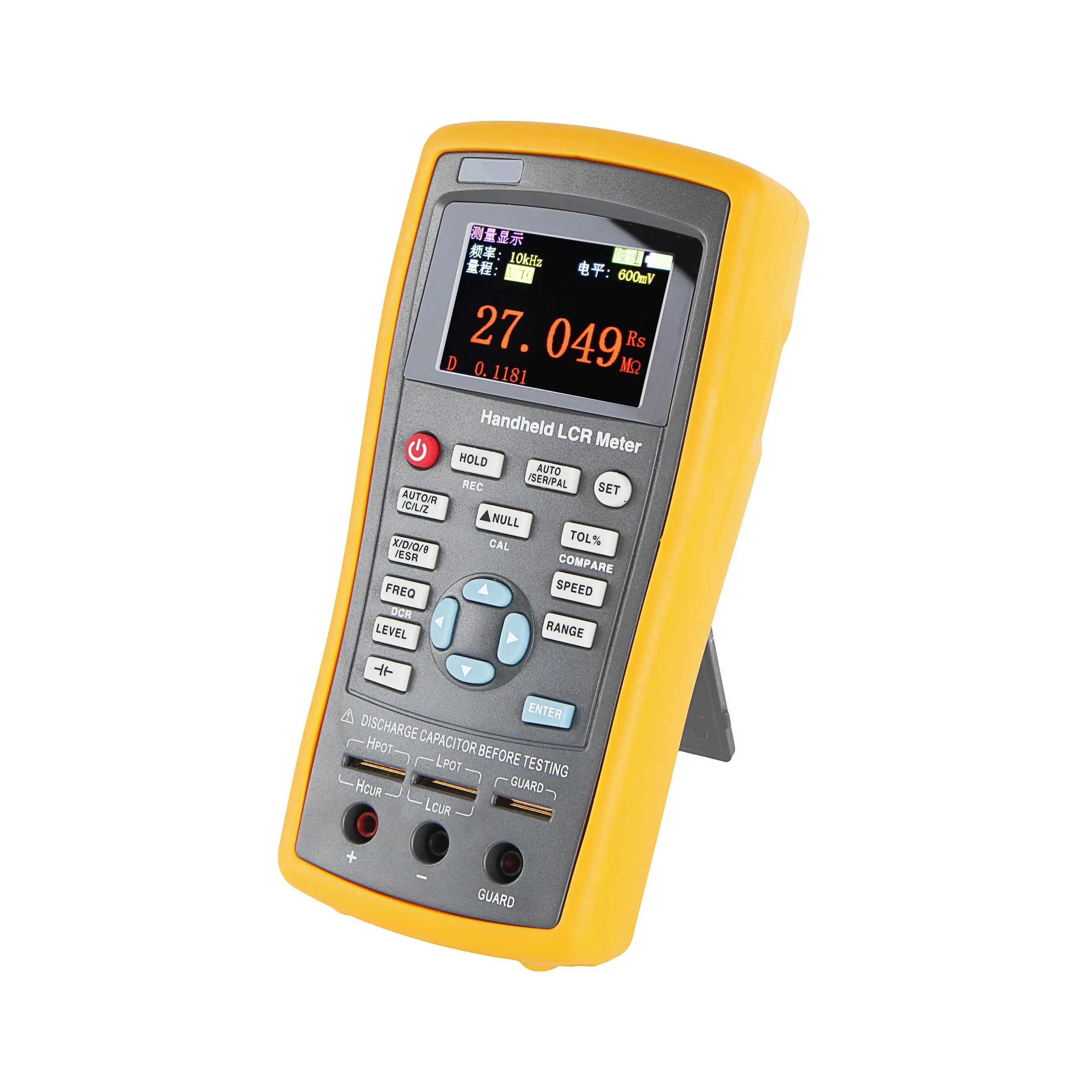
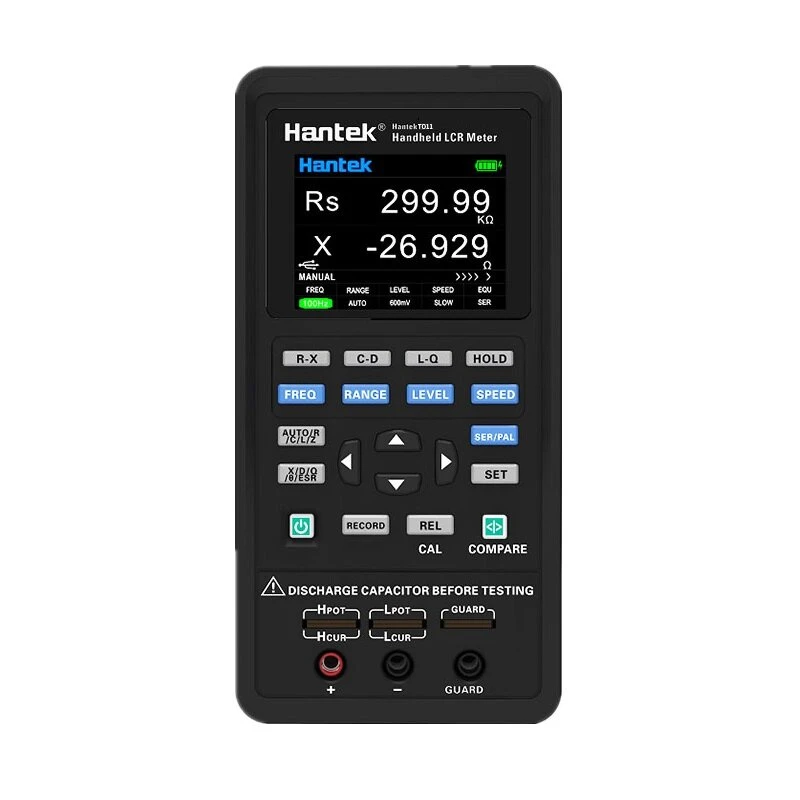
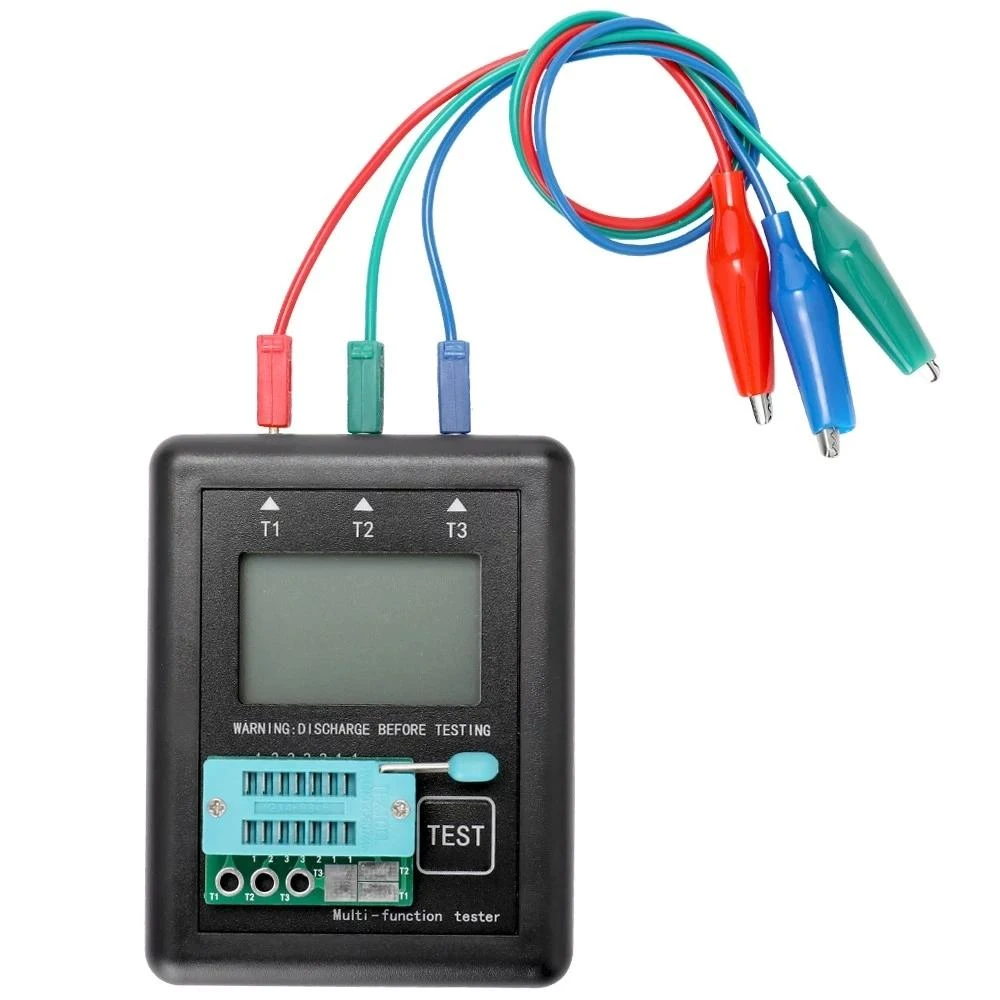
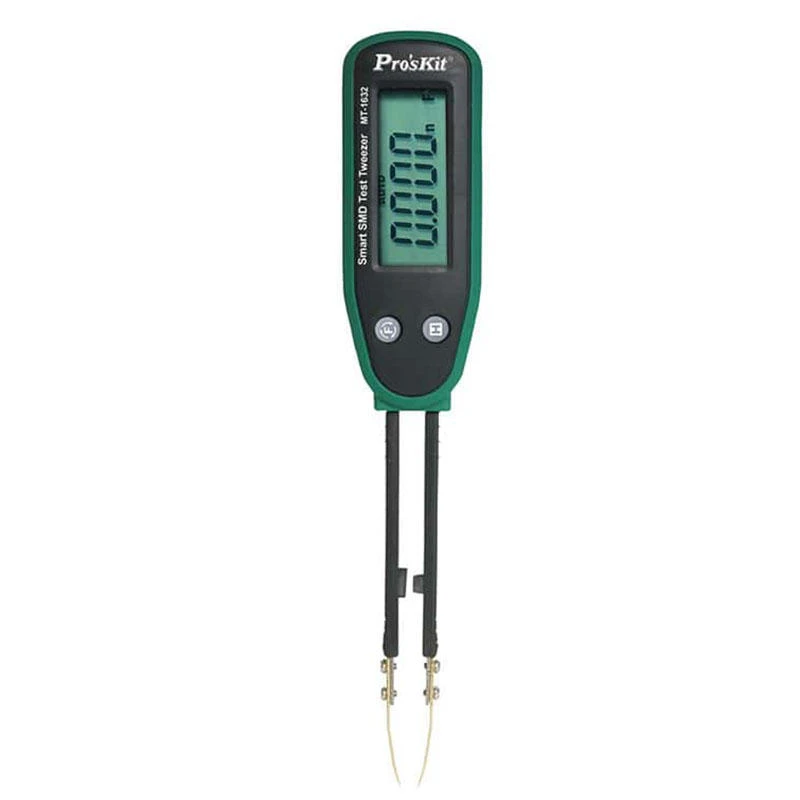
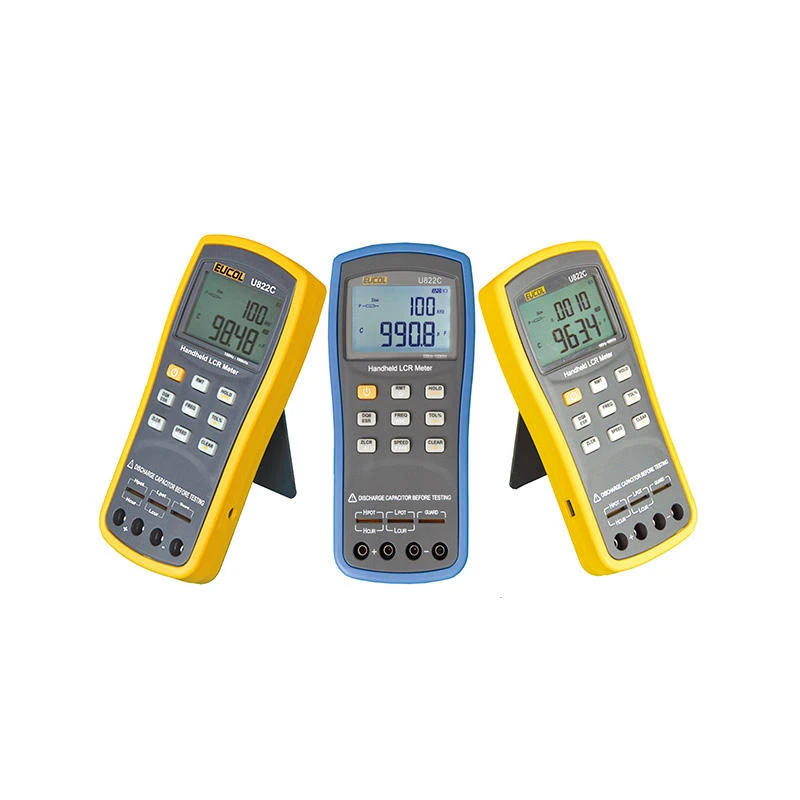
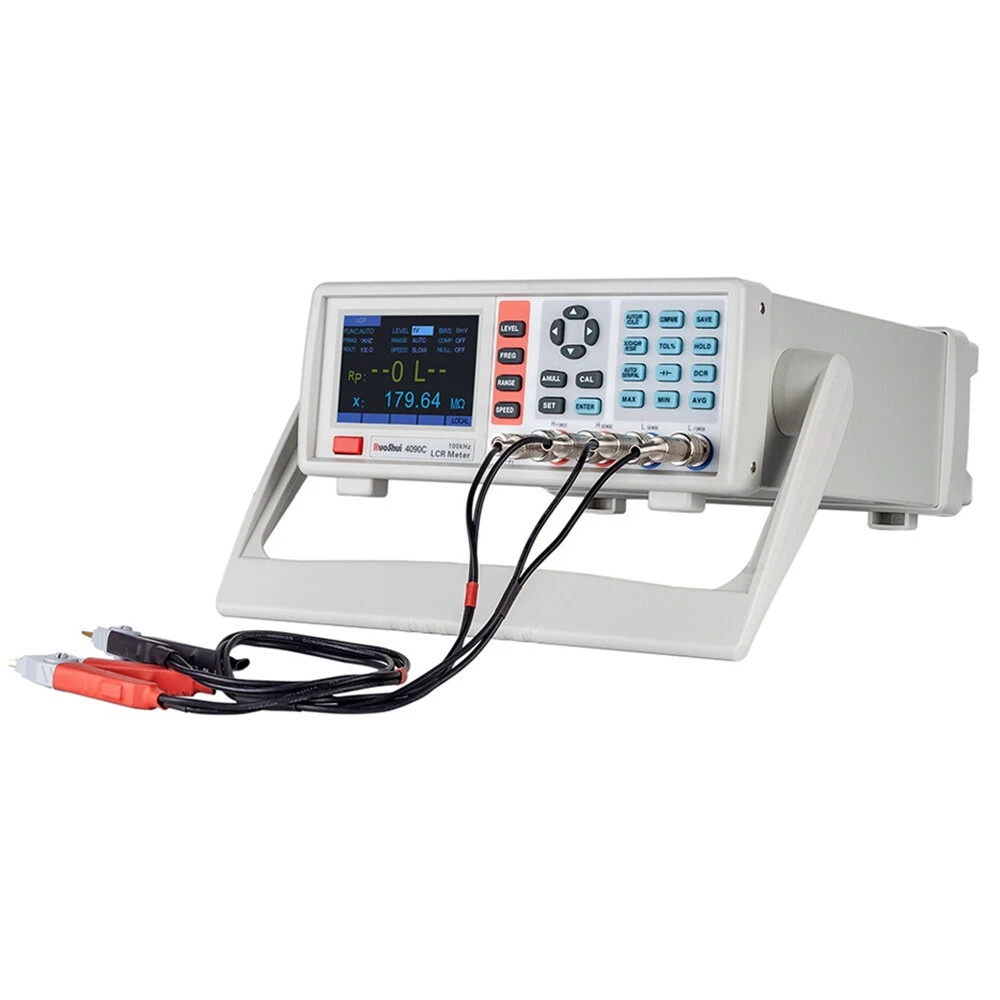
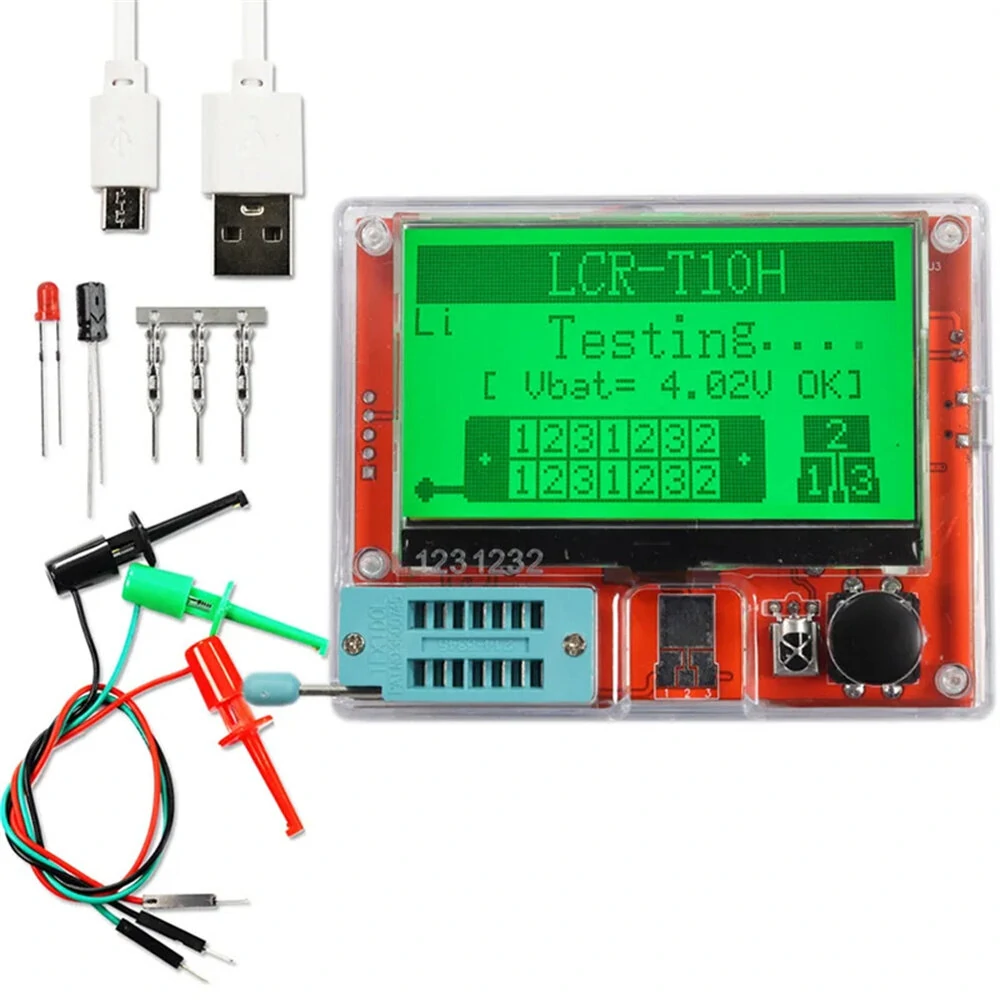
In the world of electronics, precision and reliability start with knowing your components. A Transistor & LCR Tester is an indispensable diagnostic tool for anyone working with circuits, from professional engineers and technicians to students and hobbyists. This versatile category of test equipment combines the functionality of a semiconductor analyzer and an LCR (Inductance, Capacitance, Resistance) meter into one compact device. Its primary purpose is to quickly and accurately identify, test, and measure the key parameters of a vast array of electronic components without requiring complex manual setups or extensive datasheet referencing.
Key products in this category range from handheld, portable units to more advanced benchtop models. Modern testers often feature auto-identification, where you simply insert a component—be it a transistor, MOSFET, diode, resistor, capacitor, or inductor—and the device automatically determines its type, pinout, and critical values. For passive components, this means precise measurement of capacitance (including Equivalent Series Resistance - ESR, a vital metric for capacitor health), inductance, and resistance. For active components like transistors and thyristors, it provides gain (hFE), threshold voltage, and pin configuration.
The benefits of owning a dedicated Transistor & LCR Tester are substantial. They drastically reduce troubleshooting time by instantly identifying faulty or mislabeled components, saving hours of frustration. They prevent circuit failures by verifying component specifications before soldering, ensuring your projects are built correctly the first time. For repair work, especially in power supplies and audio equipment, the ability to test capacitors for high ESR is a game-changer. Whether you're sorting through a bin of unmarked parts, validating new stock, or debugging a malfunctioning board, these testers provide the confidence and accuracy that a standard multimeter simply cannot match.
Choosing the right Transistor & LCR Tester depends on your specific needs. For general hobbyists and beginners, an affordable auto-identifying model with a clear digital display is ideal. Look for one that tests a wide range of components, including diodes, LEDs, and resistors. For advanced users and professionals, consider testers with higher measurement accuracy, graphical displays for curve tracing, the ability to measure ESR in-circuit, and data logging capabilities. Frequency of measurement is a key specification for inductance and capacitance; a wider range offers more versatility.
Frequently Asked Questions:
Q: Can these testers identify components directly on a circuit board?
A: Typically, no. For accurate readings, components must be desoldered and tested out-of-circuit, as other components in the circuit can interfere with measurements. Some advanced models offer a limited in-circuit ESR mode for capacitors.
Q: What is the difference between an LCR meter and a Transistor Tester?
A: An LCR meter specializes in measuring inductance (L), capacitance (C), and resistance (R) with high precision. A Transistor Tester focuses on semiconductor characteristics. A combined "Transistor & LCR Tester" integrates both functionalities into one tool.
Q: Are these devices easy to use?
A: Yes, most modern units are designed for simplicity. The auto-identification feature means you often don't need to know the component type or pinout—just insert it into the test socket, and the device does the rest, displaying the results clearly.