Pneumatic systems are the backbone of modern industrial automation, utilizing compressed air to generate powerful, reliable, and cost-effective motion. This category encompasses the essential components that form these systems, offering a versatile solution for tasks ranging from simple clamping and lifting to complex, sequenced assembly operations. The core advantage of pneumatics lies in their simplicity, safety in hazardous environments, high power-to-weight ratio, and rapid response times.
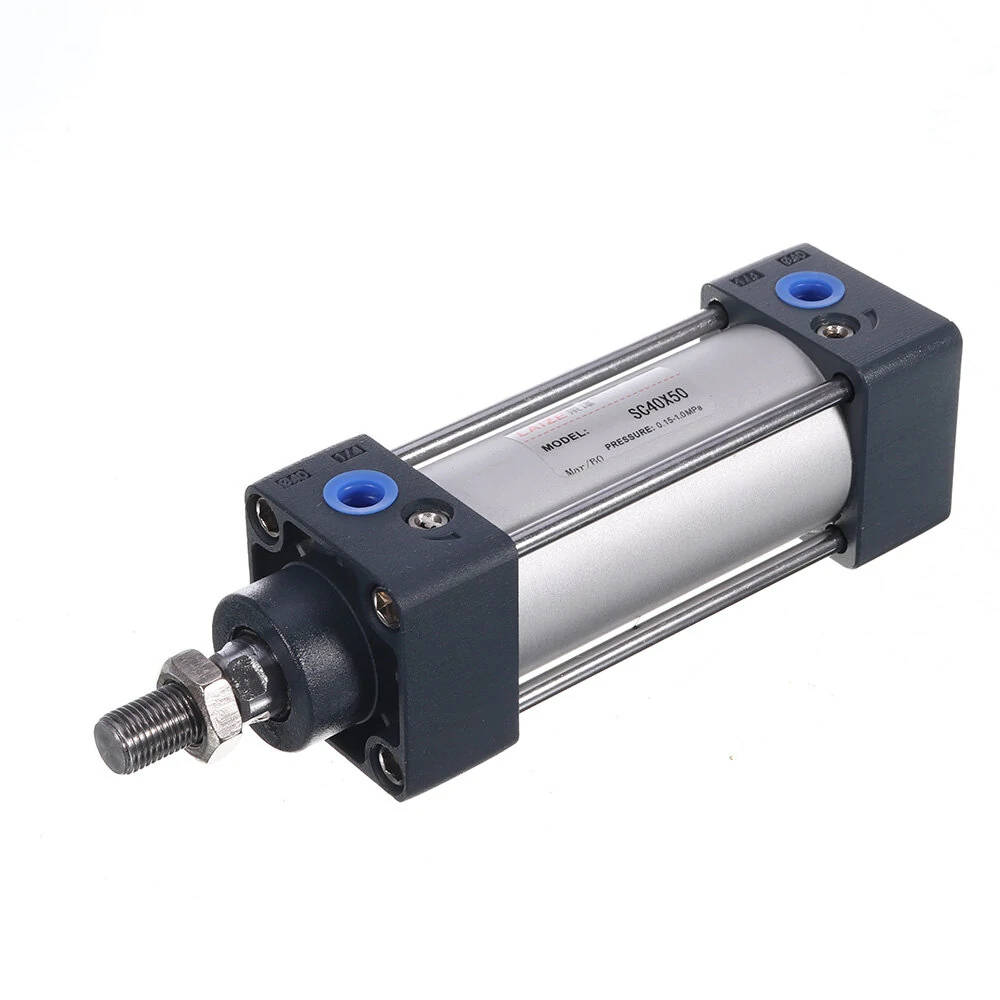
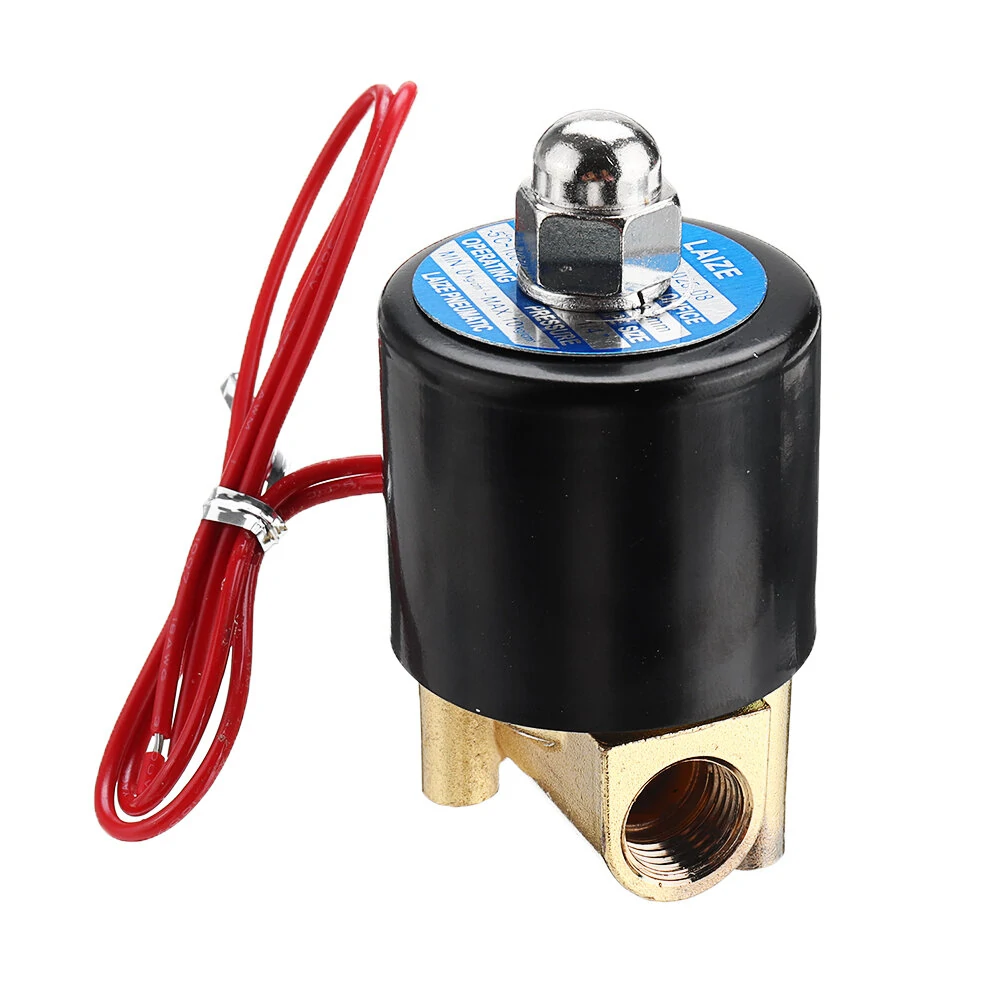
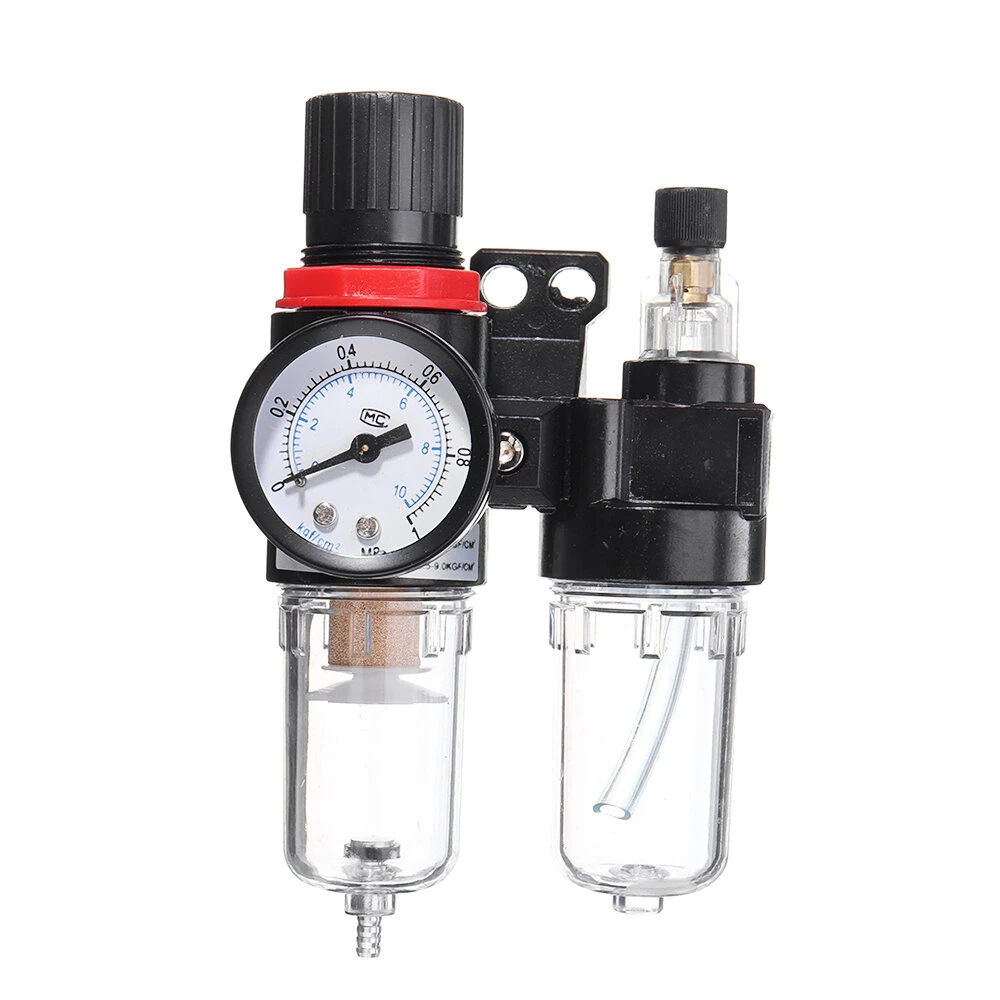
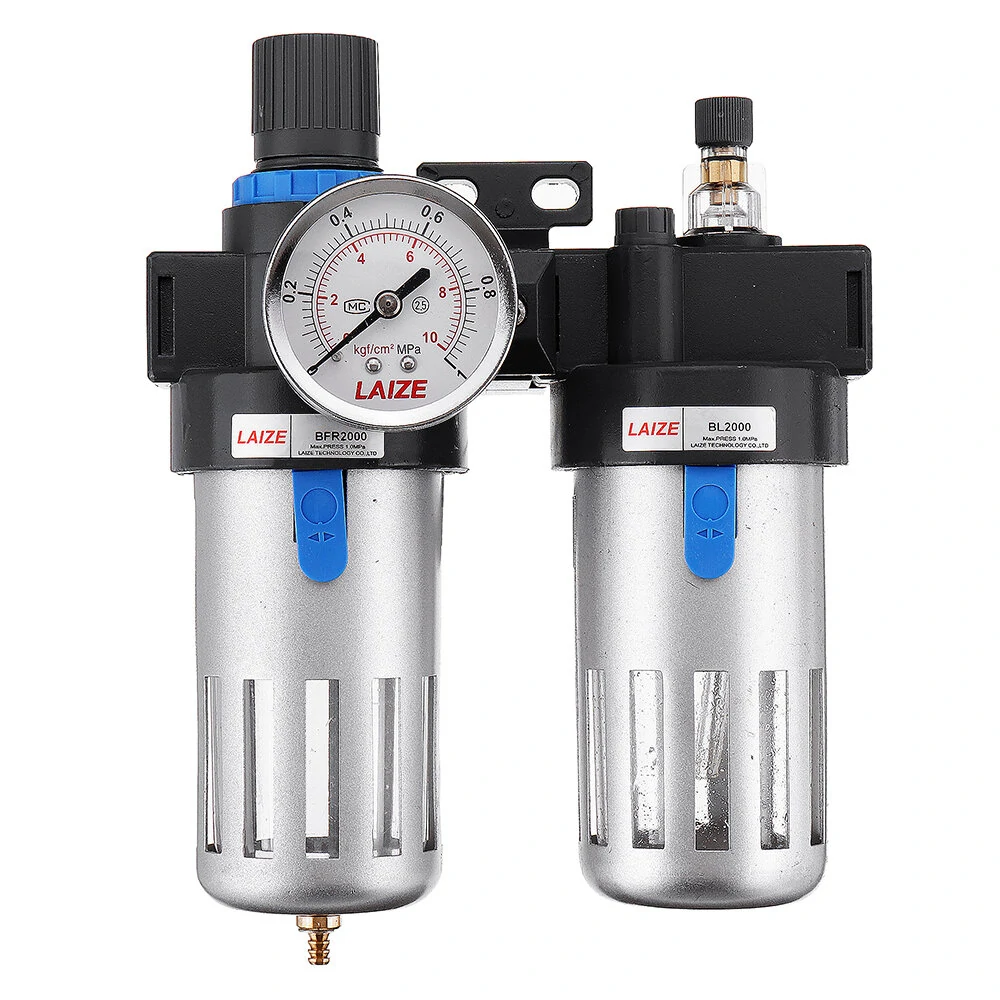
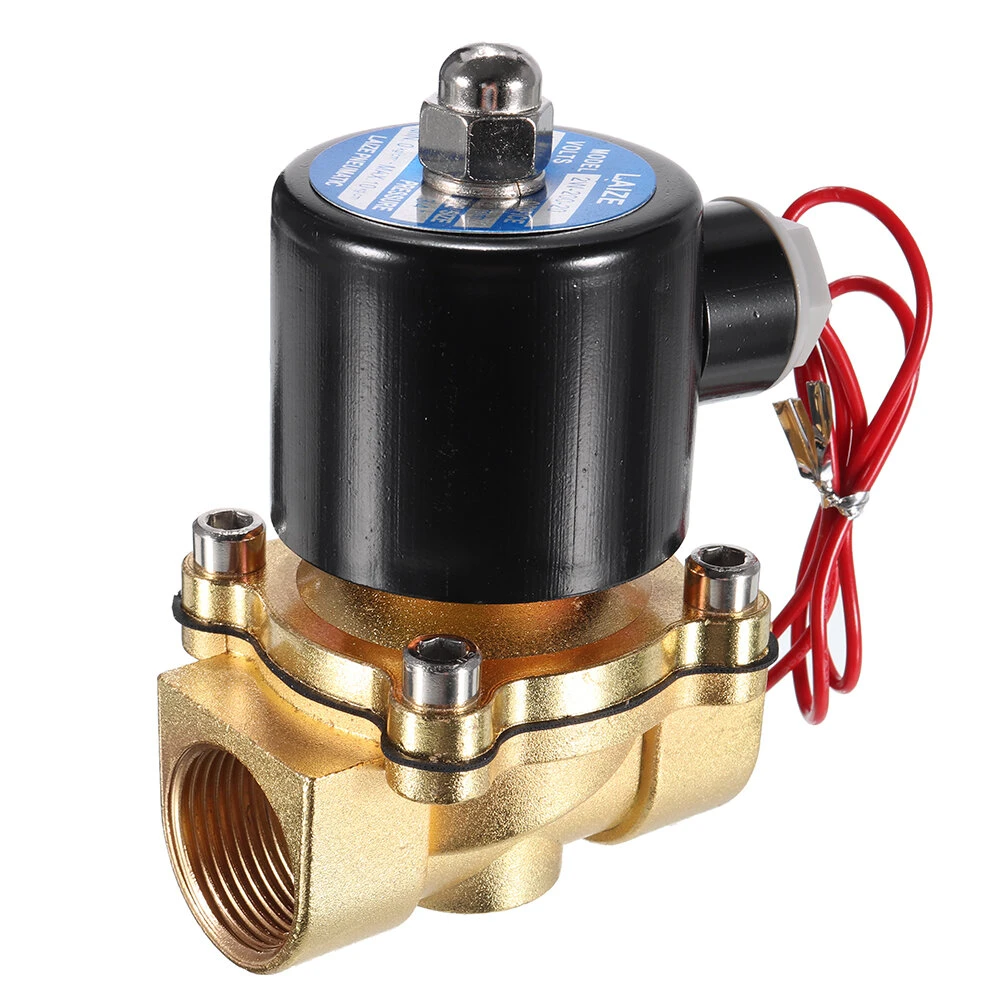
Key products within this category include pneumatic cylinders, the workhorses that convert air pressure into linear or rotary motion. These are available in various types like single-acting, double-acting, and compact models. Directional control valves, including solenoid and air-piloted valves, act as the nervous system, precisely directing airflow to control cylinder movement. For system longevity and performance, Filter-Regulator-Lubricator (FRL) units are critical. They clean, regulate pressure, and lubricate the compressed air, protecting downstream components from contamination and wear.
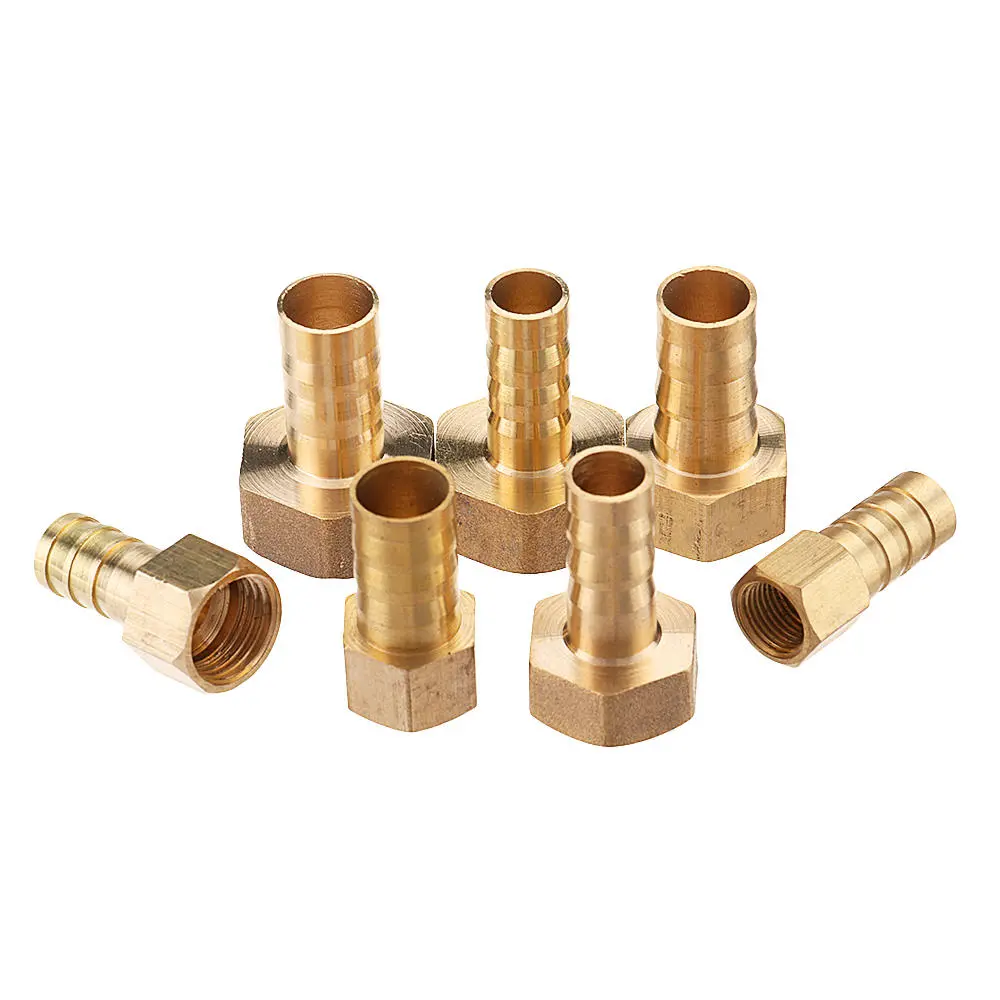
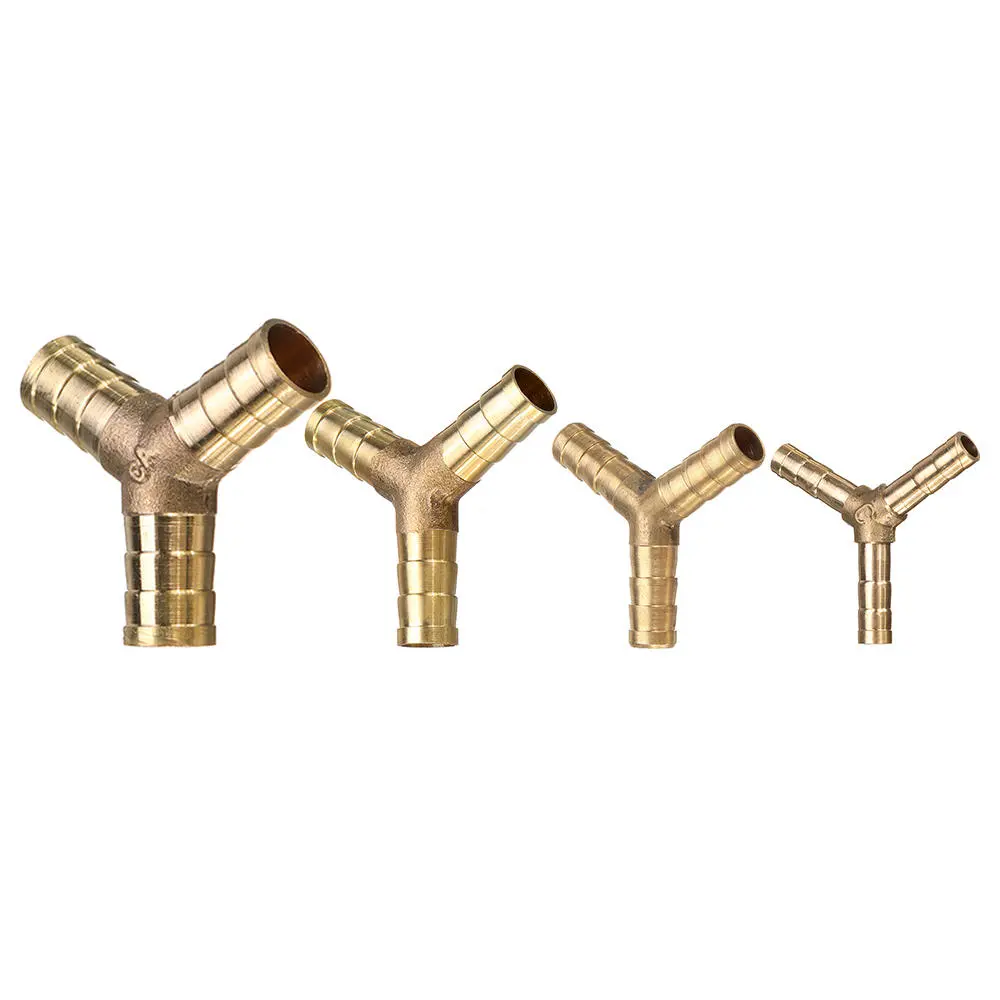
Additional vital pneumatic parts are fittings and tubing, which form the network connecting all components, available in push-to-connect or threaded styles for easy installation. Other accessories like pressure sensors, speed controllers, and mufflers fine-tune system operation for optimal efficiency and noise reduction. By integrating these high-quality pneumatic parts, engineers and maintenance professionals can design robust systems that deliver consistent performance, reduce downtime, and lower operational costs across manufacturing, packaging, food processing, and automotive applications.
Choosing the right pneumatic parts ensures system efficiency and longevity. Start by defining your application's requirements: force needed (cylinder bore size), speed, and operating environment. For cylinders, consider stroke length and whether a single-acting (spring return) or double-acting (air-powered both directions) model is suitable. Valve selection depends on the number of needed flow paths (ports) and positions (2/2, 5/2, etc.), as well as the actuation method (solenoid, manual, pneumatic). Always include an FRL unit matched to your system's flow rate; it's a small investment that prevents major component failure.
FAQ: What pressure do most industrial pneumatic systems operate at? Typically between 80-120 PSI. Can I mix brands of pneumatic components? While possible, sticking to one brand or ensuring compatibility of port threads (NPT, BSPP) and mounting standards is recommended for leak-free connections. How important is maintenance? Regular maintenance of filters (draining condensate), lubricator oil levels, and checking for leaks is crucial for peak performance and energy savings. For complex systems, consult with a pneumatic specialist to ensure optimal component selection and system design.