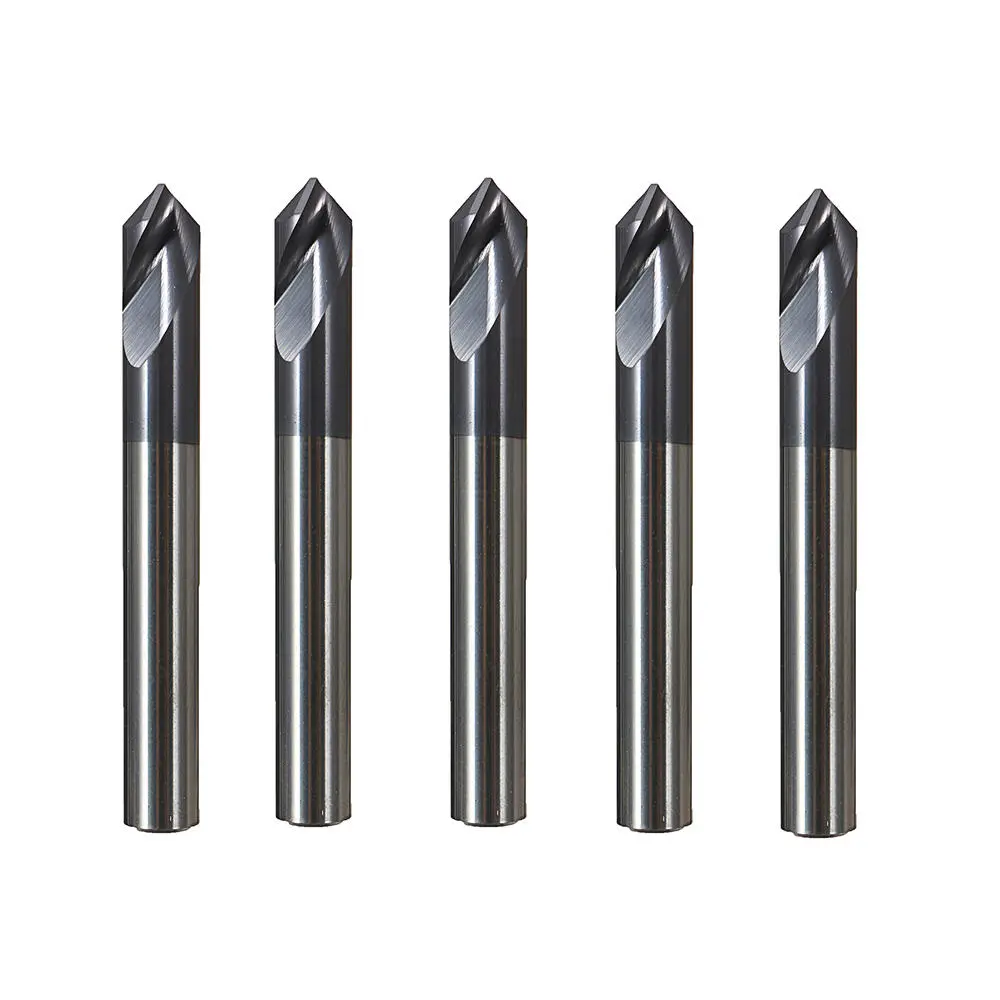
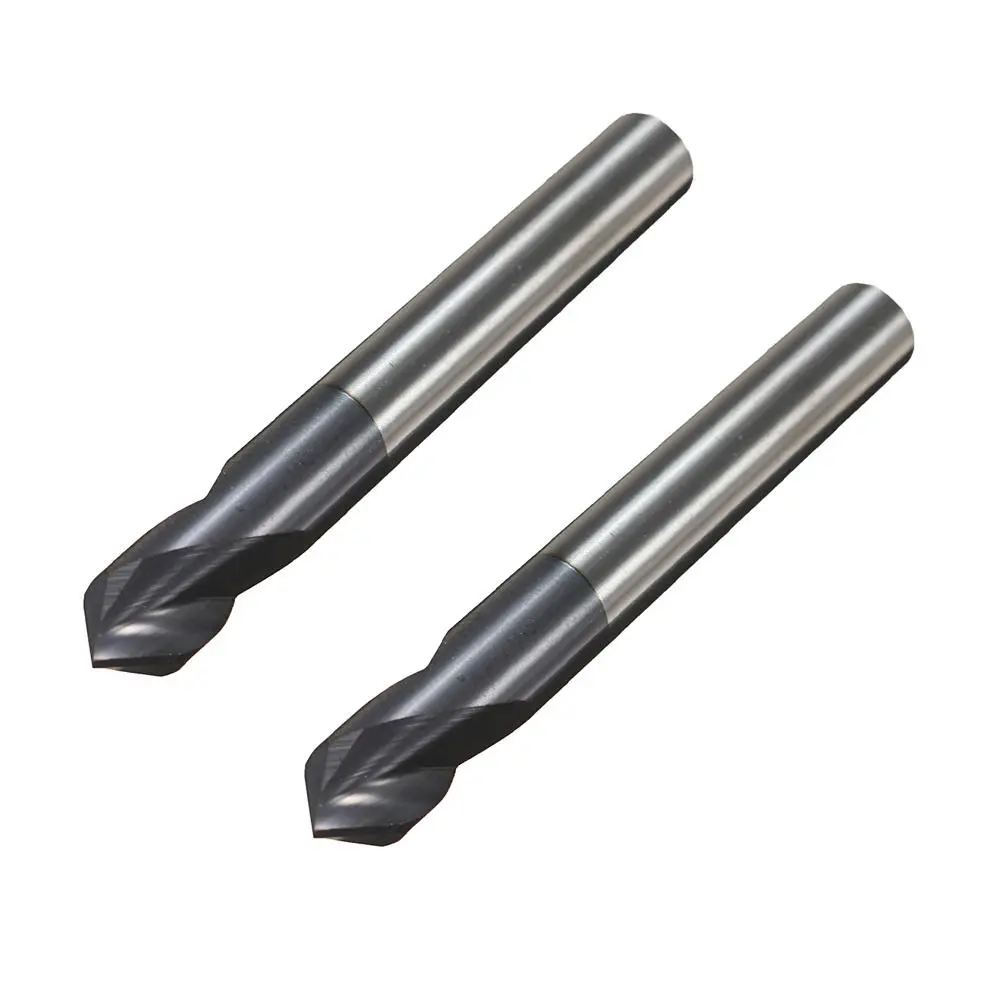
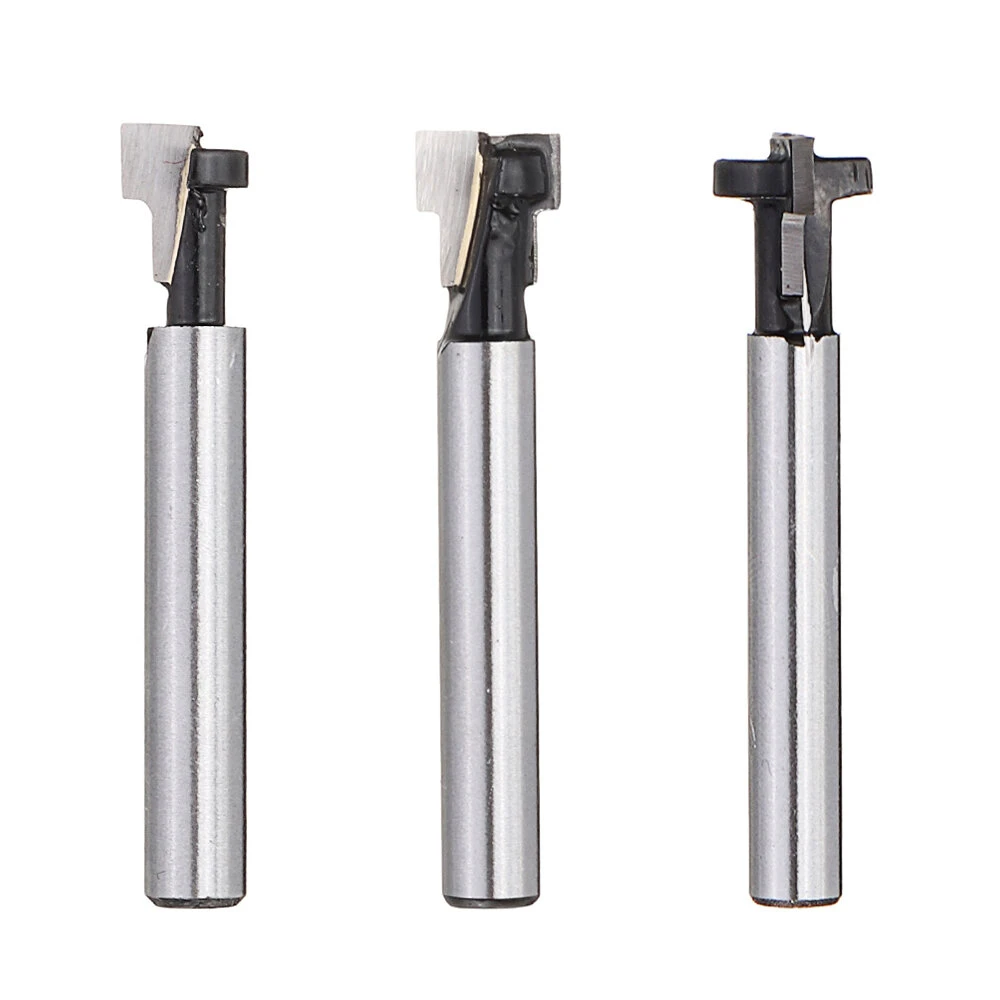
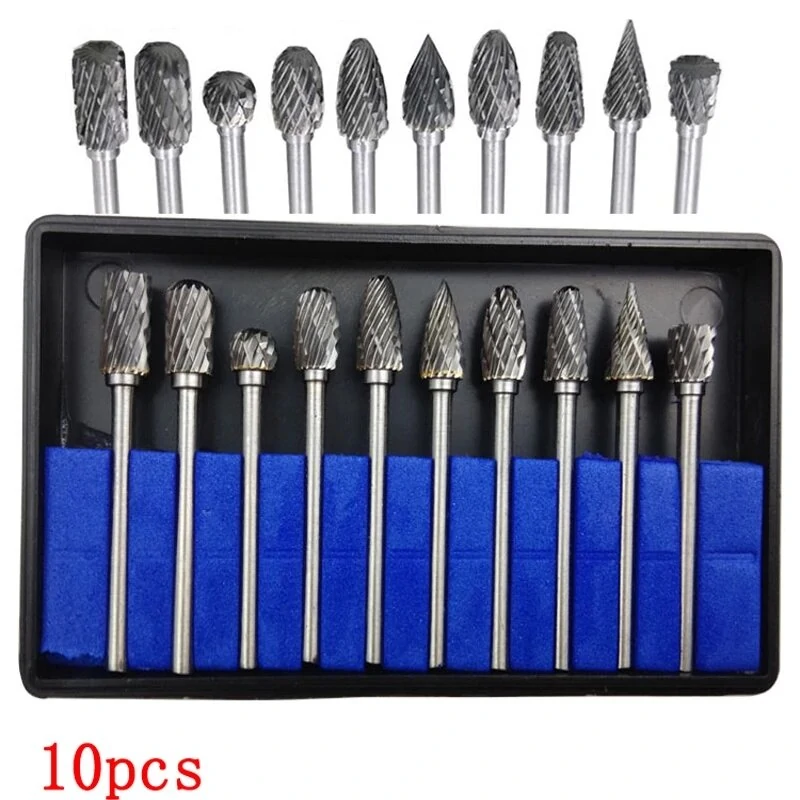
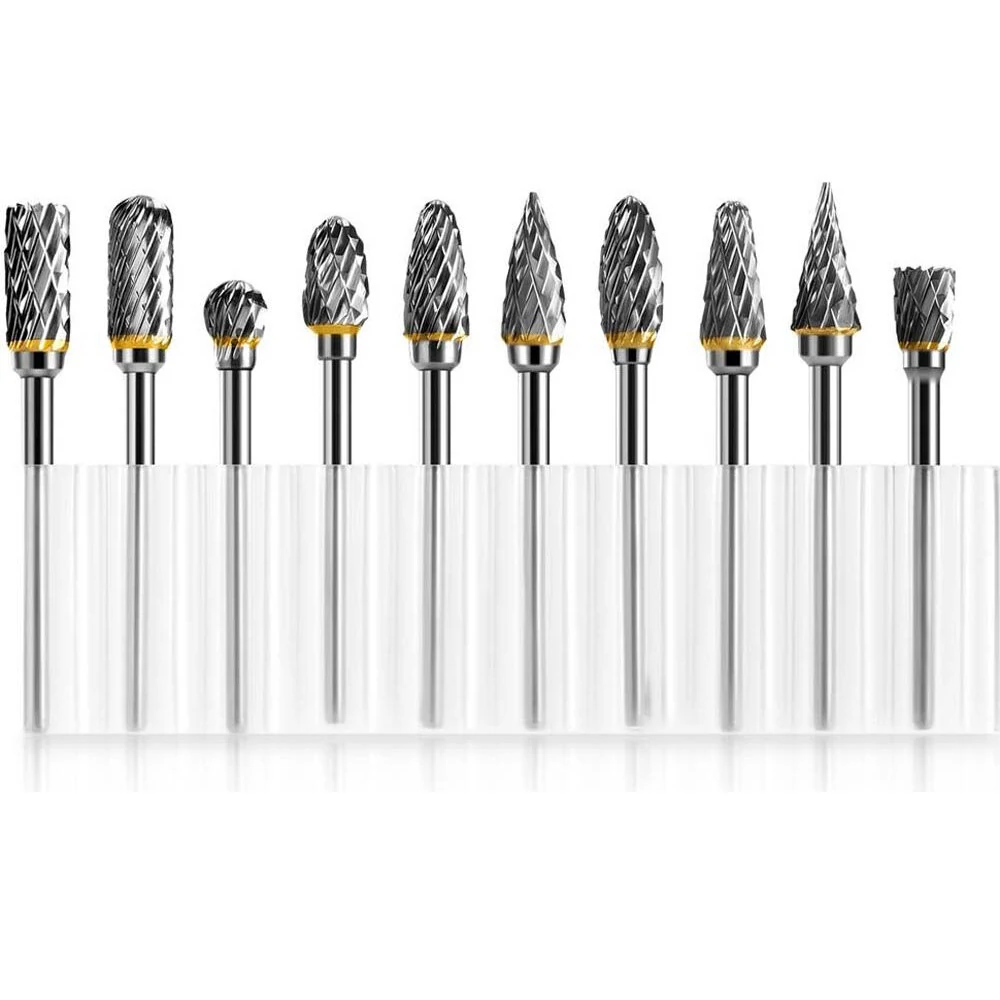
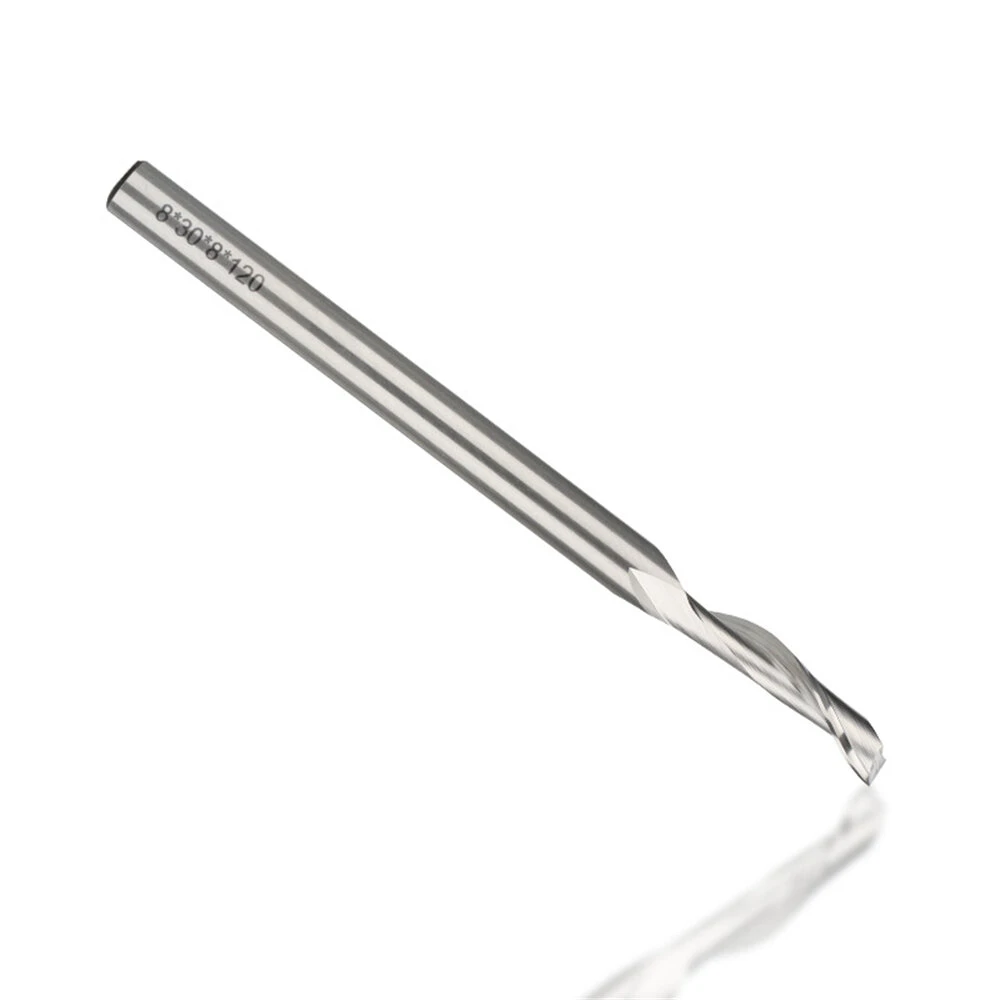
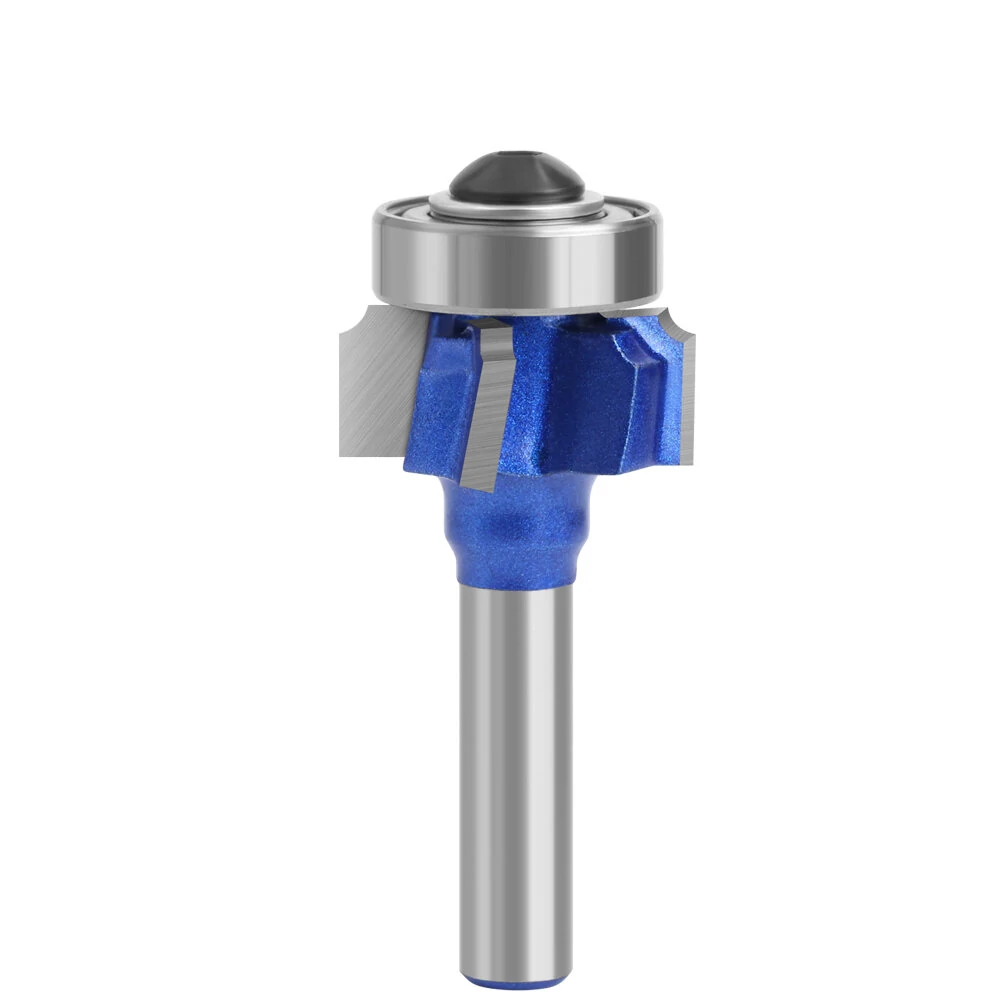
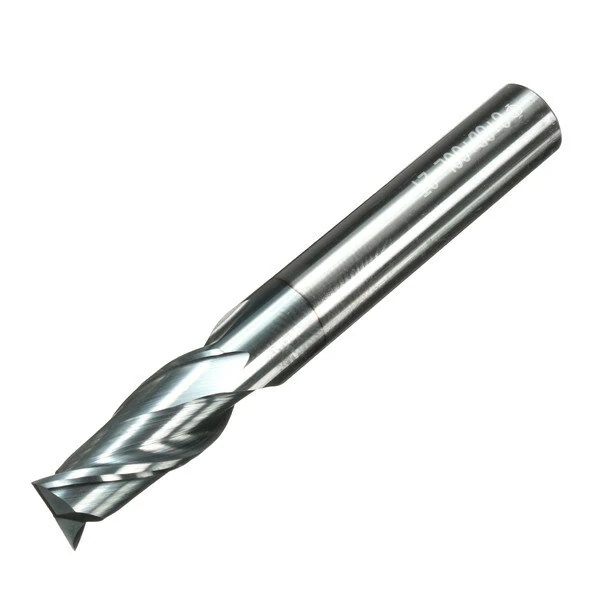
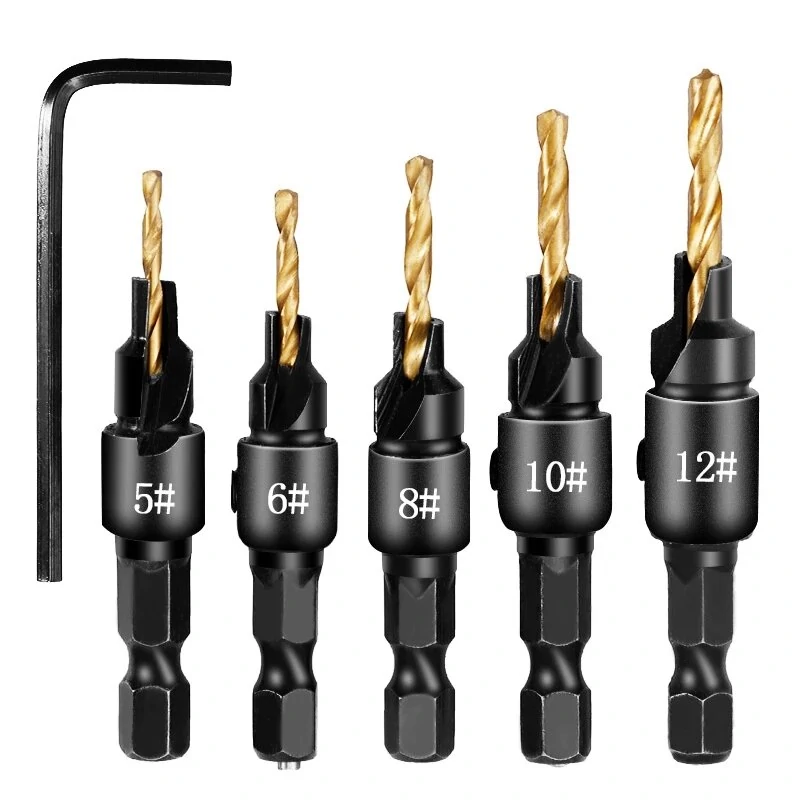
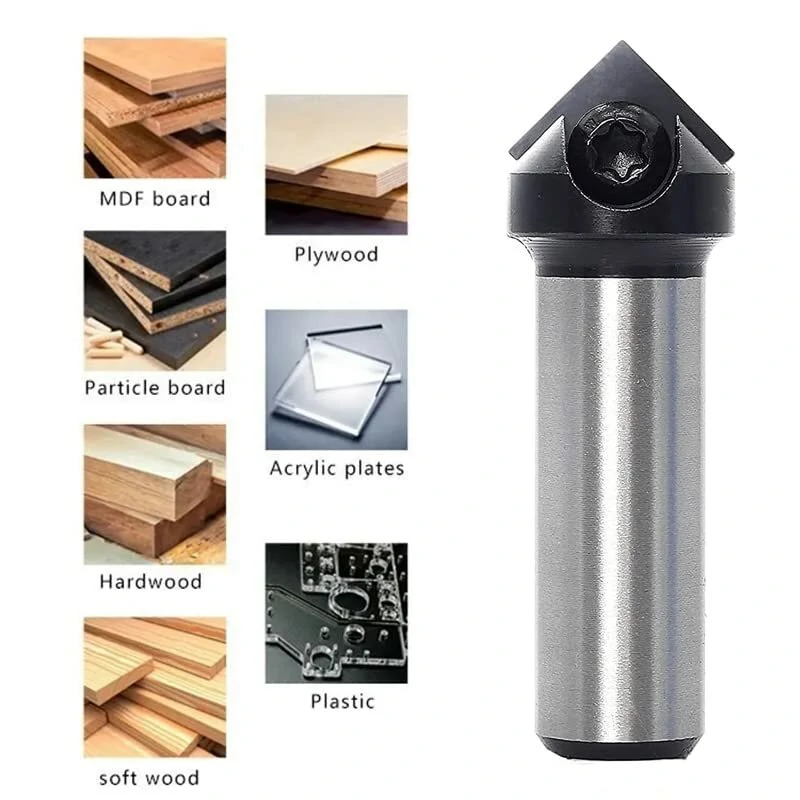
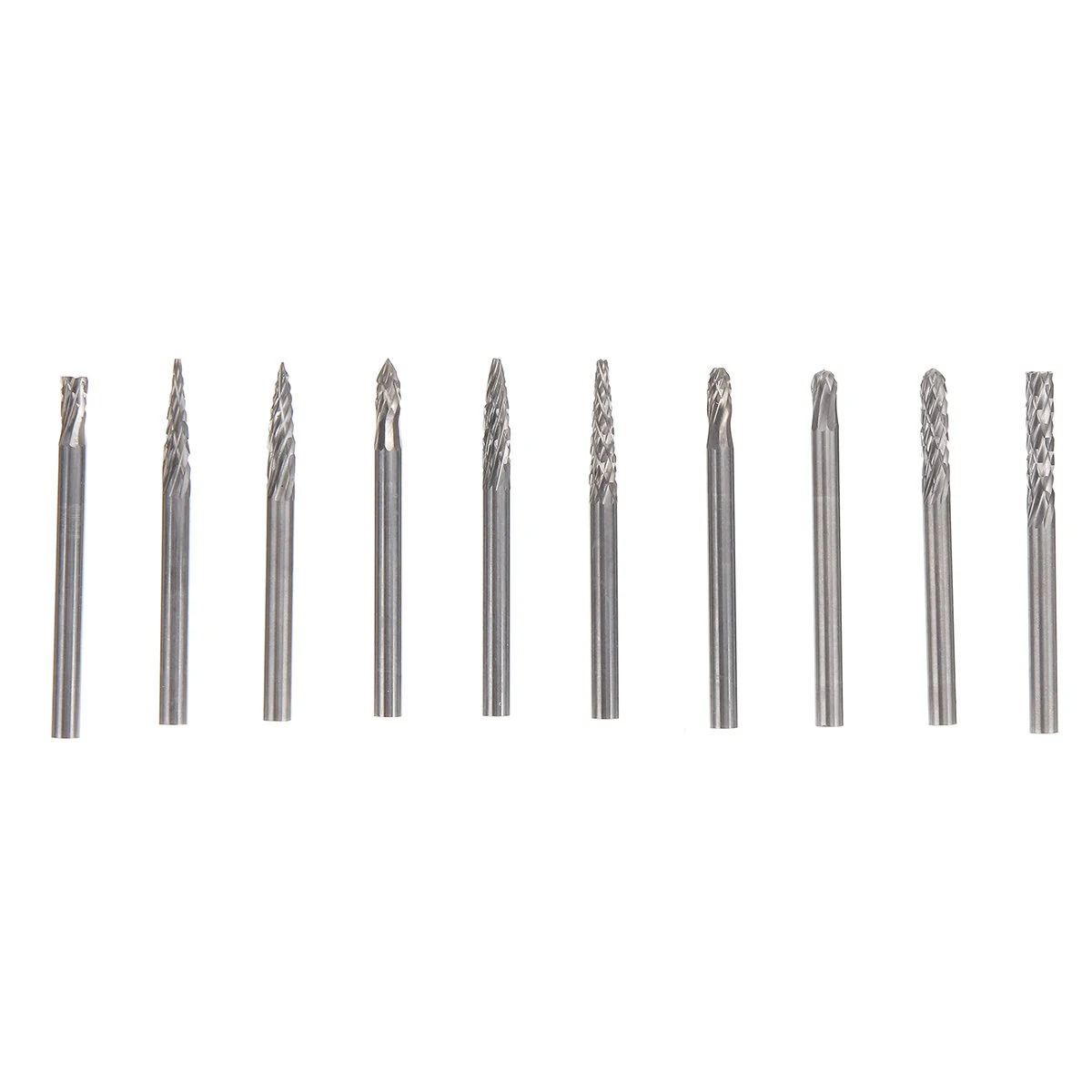
Milling cutters are the indispensable workhorses of machining, responsible for shaping, slotting, contouring, and creating complex features on a workpiece. As the primary cutting tool used in milling machines and CNC machining centers, the right milling cutter directly impacts precision, surface finish, productivity, and overall cost-effectiveness. This category encompasses a vast array of designs, each engineered for specific materials and operations. Key product types include versatile end mills for peripheral and face milling, robust face mills for large surface area machining, specialized slot drills, and high-efficiency indexable cutters with replaceable carbide inserts. The benefits of selecting the appropriate milling cutter are substantial. Modern cutters, especially those made from solid carbide or coated with advanced materials like TiAlN, offer exceptional hardness, heat resistance, and wear life, enabling higher cutting speeds and feeds. This translates to faster cycle times, superior finish quality, and reduced tooling costs per part. For demanding applications in steel, aluminum, titanium, or composites, choosing a cutter with the correct geometry—such as variable helix designs to dampen vibration or polished flutes for aluminum—is crucial for achieving chatter-free cuts and extended tool life. Investing in a comprehensive range of high-quality milling cutters is fundamental for any workshop aiming to maximize machining capability, from rapid material removal in roughing to achieving mirror-like finishes.
Choosing the right milling cutter requires considering several key factors. First, identify the workpiece material (e.g., aluminum, steel, hardened steel, plastic) as this dictates the cutter material—carbide for hard or abrasive materials, and HSS for softer materials or budget-conscious tasks. Second, match the cutter type to the operation: use end mills for general profiling, ball nose cutters for 3D contouring, and face mills for large flat surfaces. Third, consider the coating; TiN offers general-purpose wear resistance, while TiAlN is excellent for high-heat applications. For beginners, a starter set of 2-flute (for aluminum/plastics) and 4-flute (for steel) end mills is a practical choice. FAQ: Q: What is the difference between an end mill and a drill bit? A: End mills cut laterally and can plunge axially to a limited degree, while drill bits are designed primarily for axial hole-making. Q: How do I know when to replace a milling cutter? A: Look for signs like poor surface finish, increased cutting noise/vibration, burr formation, or discoloration from excessive heat. Regular inspection and proper maintenance are key to optimal performance and safety.