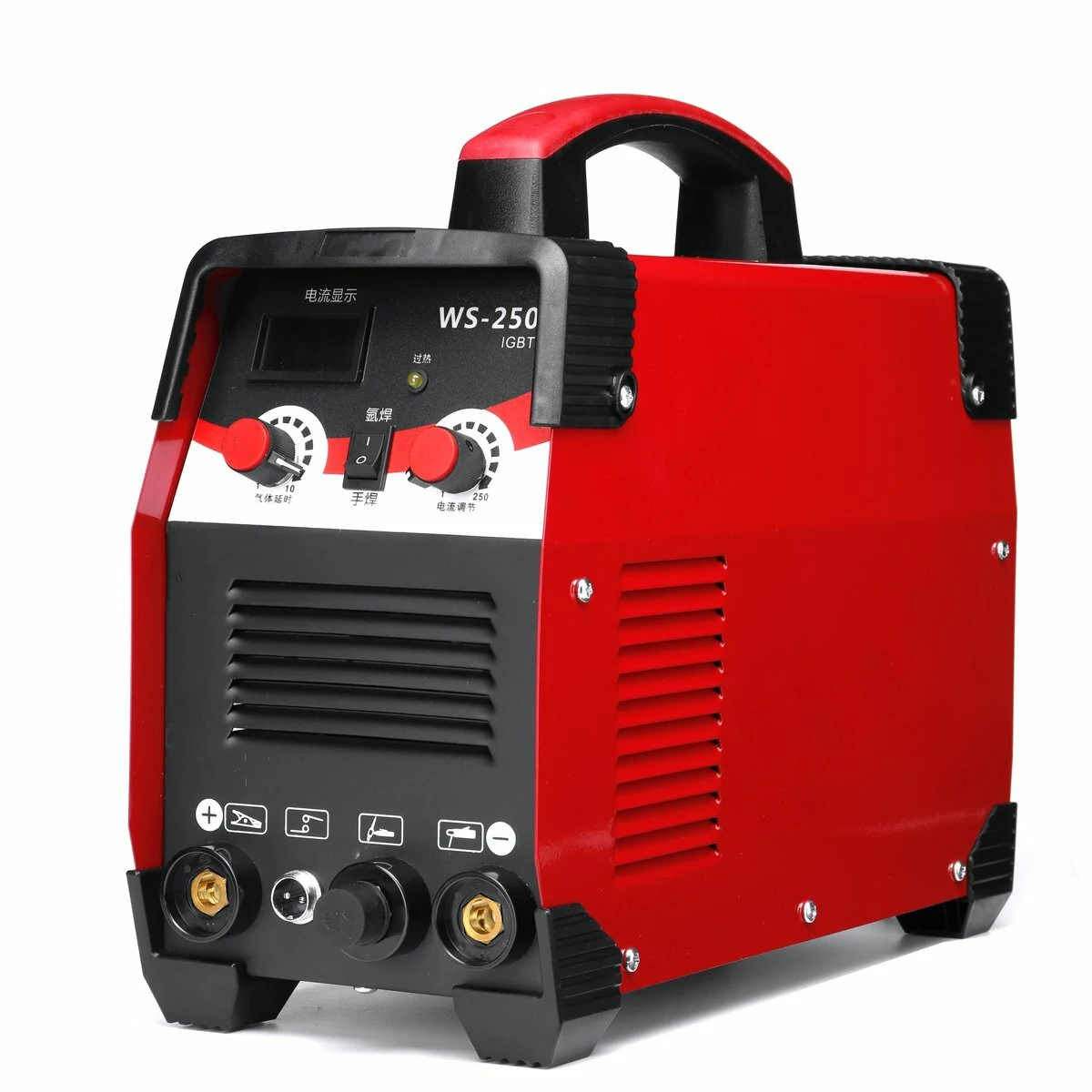
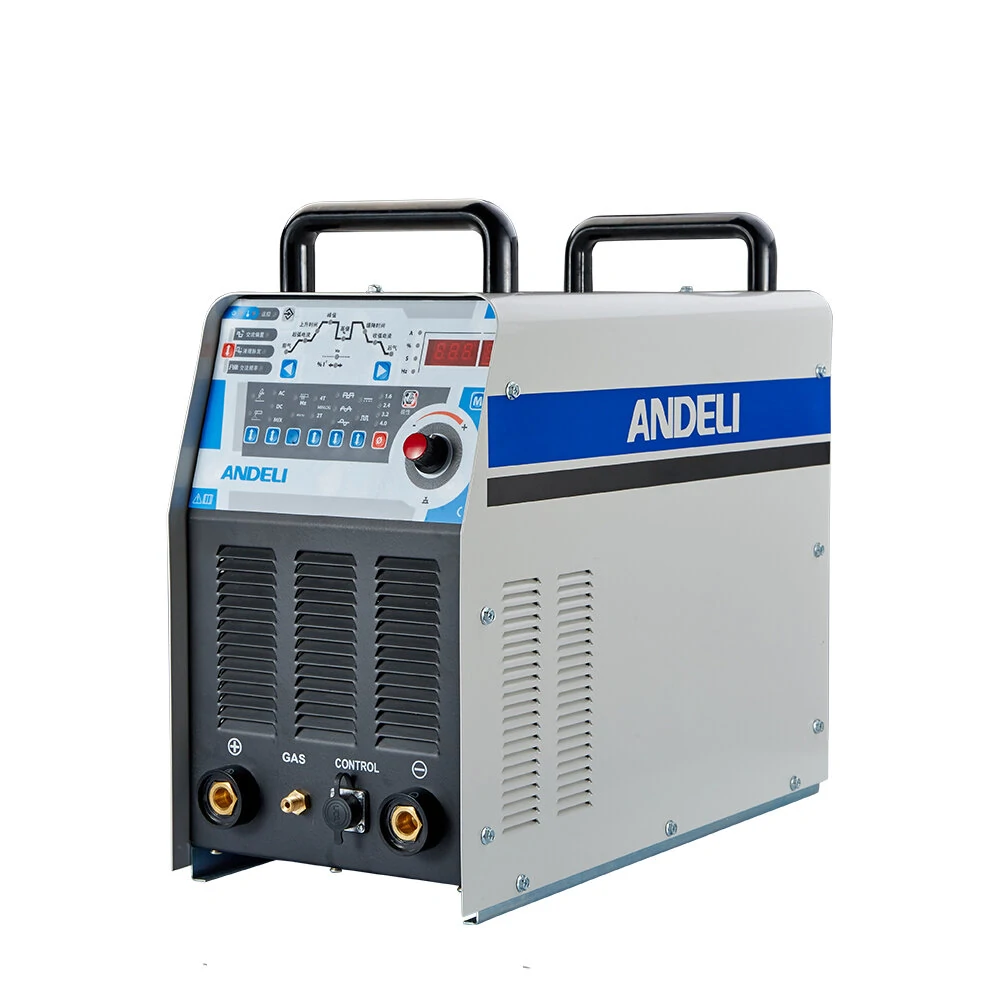
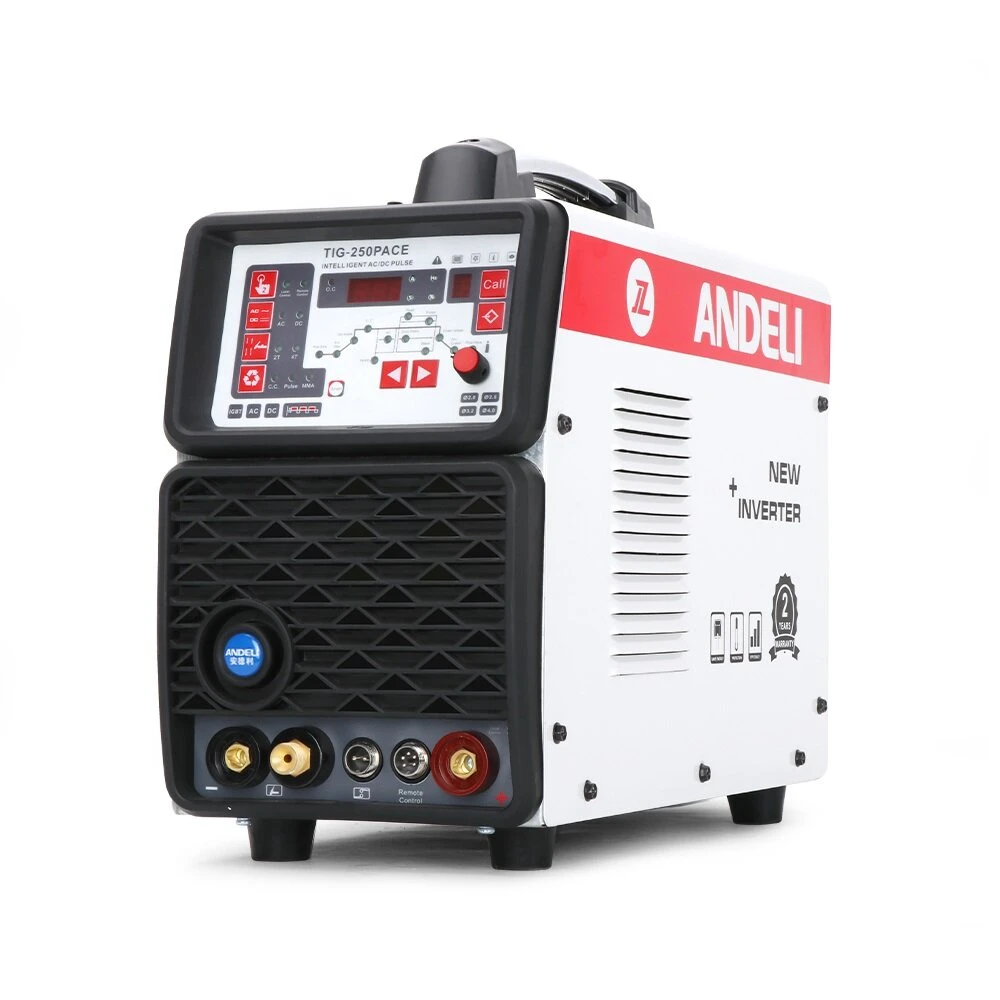
TIG (Tungsten Inert Gas) welding is renowned for producing the cleanest, highest-quality welds, making it the preferred process for critical applications where precision and appearance are paramount. Unlike other methods, TIG welding uses a non-consumable tungsten electrode and an inert shielding gas, typically argon, to create a pure, contamination-free weld pool. This allows for exceptional control over the heat input and weld puddle, resulting in strong, spatter-free, and aesthetically pleasing beads. TIG welders are incredibly versatile, capable of joining a wide range of metals including mild steel, stainless steel, aluminum, copper, and titanium, making them indispensable in industries from automotive fabrication and aerospace to artistic metalworking and high-end manufacturing.
Modern TIG welding machines are predominantly inverter-based, offering significant advantages over older transformer models. These advanced welders are lightweight, energy-efficient, and packed with features that enhance performance and ease of use. Key benefits include AC/DC output capability—essential for welding aluminum (AC) and steel (DC)—along with adjustable frequency and balance control for optimal cleaning and penetration on aluminum. Pulse welding functionality helps manage heat distortion on thin materials, while features like upslope/downslope and post-flow gas control ensure consistent, professional results every time. Whether you're a professional fabricator tackling complex projects or a dedicated hobbyist seeking flawless welds, investing in a quality TIG welder unlocks a new level of craftsmanship and capability in your workshop.
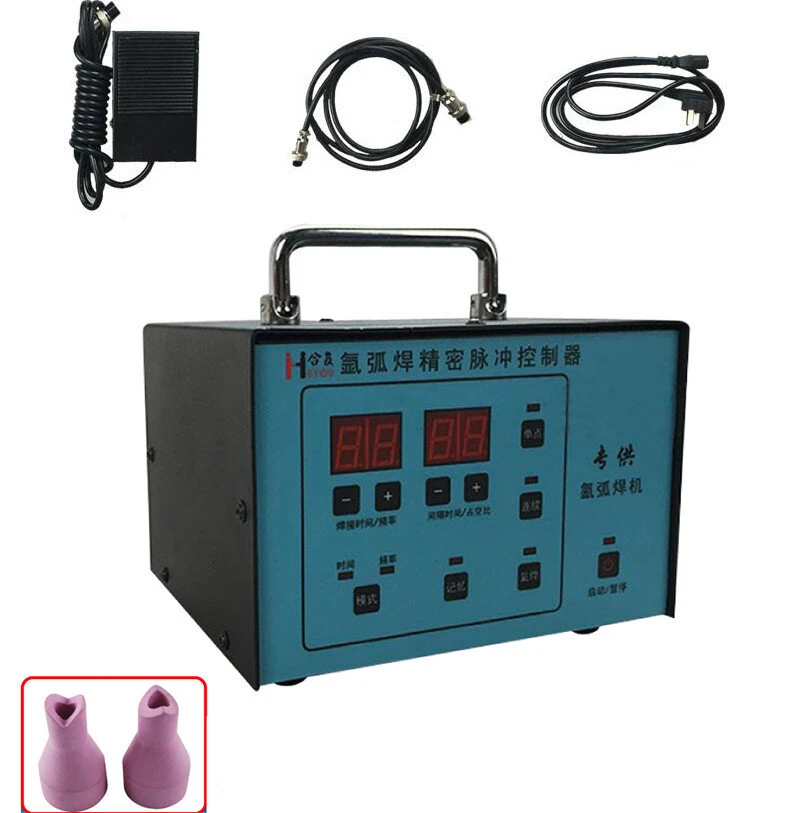
Choosing the right TIG welder depends on your primary materials and projects. For welding aluminum, magnesium, or other non-ferrous metals, an AC/DC TIG welder is non-negotiable, as the AC output is required to break through the oxide layer. If you primarily work with steel or stainless steel, a DC-only machine may suffice and can be more budget-friendly. Consider the machine's amperage range; a 200-amp model handles most shop tasks, while heavier industrial work may require 300 amps or more. Also, evaluate critical features: look for high-frequency start for reliable arc ignition without contamination, pulse settings for thin-gauge metal, and a quality foot pedal or fingertip remote for precise amperage control during welding.
Frequently Asked Questions: **Can I TIG weld without gas?** No, the inert shielding gas is essential to protect the weld from atmospheric contamination. **What's the difference between TIG and MIG welding?** TIG uses a separate filler rod and offers more control for precision work, while MIG uses a consumable wire feed and is faster for production welding. **Do I need a special power supply?** Many 110V/120V machines are available for home use, but higher-amperage 220V/240V models are needed for thicker materials and full power output. Always ensure your electrical circuit can support the welder's requirements for safe and optimal performance.