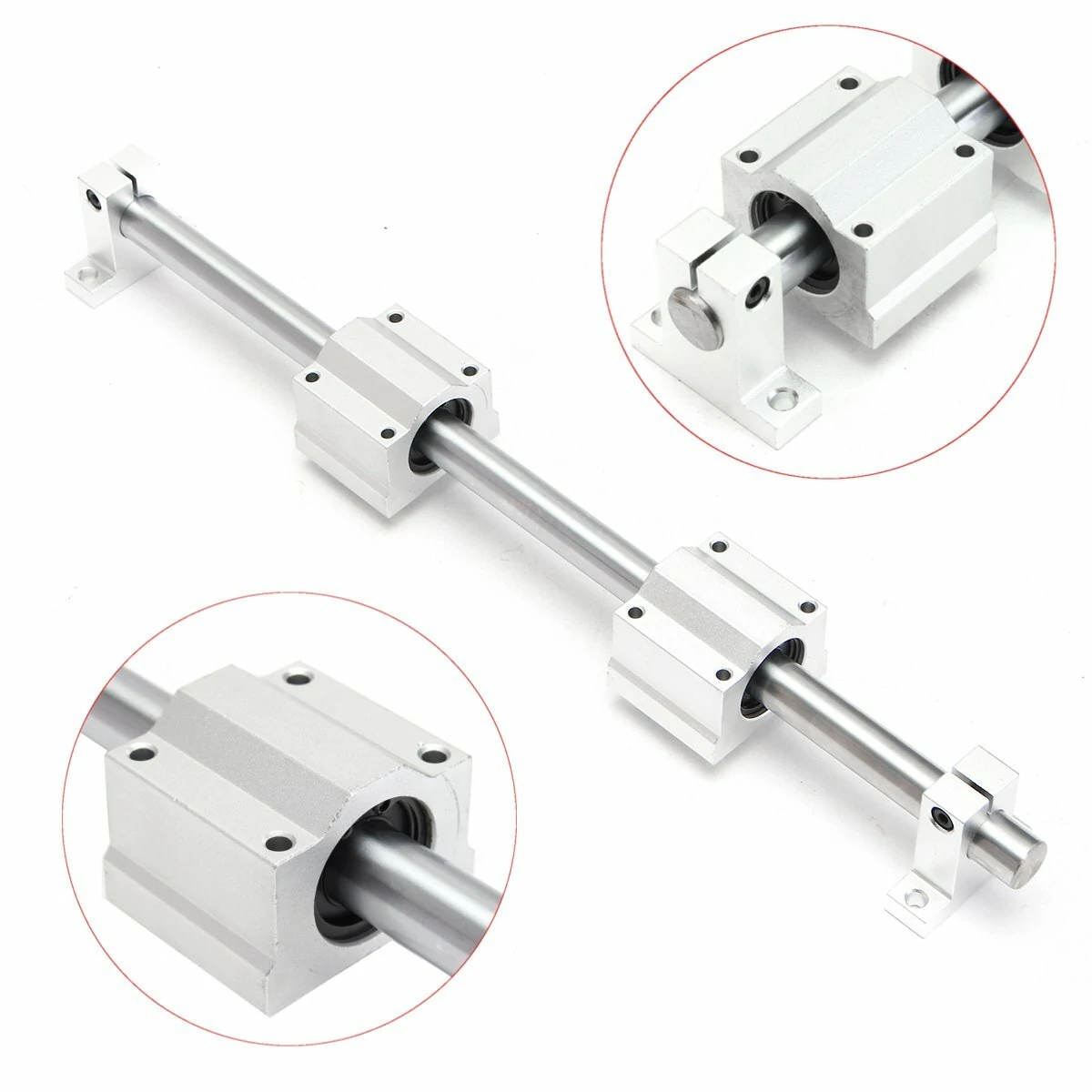
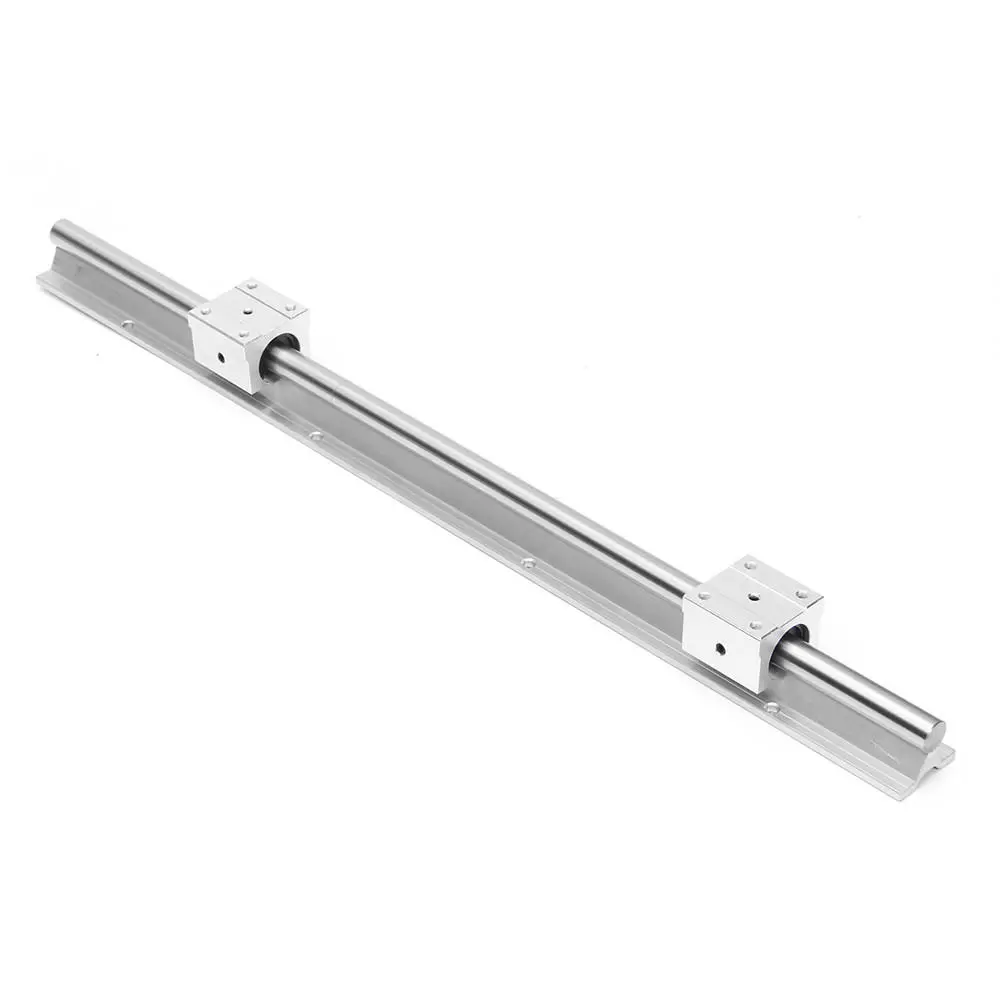
Linear rails, also known as linear guides or linear motion systems, are the backbone of precision movement in countless industrial and DIY applications. These essential components provide a rigid, low-friction path for carriages (or sliders) to travel along, enabling accurate and repeatable linear motion. From high-speed CNC routers and industrial robots to desktop 3D printers and automated assembly lines, linear rails ensure stability, reduce wear, and handle significant loads with minimal deflection.
At their core, linear rails consist of a hardened steel rail and a matching carriage block pre-loaded with recirculating ball bearings. This design allows for incredibly smooth movement with high precision and stiffness. Key benefits include superior load capacity (in multiple directions), exceptional rigidity for improved accuracy, long service life due to reduced vibration and wear, and high-speed capability. When selecting a linear rail, consider critical factors like rail length and width, carriage size and preload, accuracy grade (from standard to ultra-precision), and the sealing options available to protect against dust and debris in harsh environments.
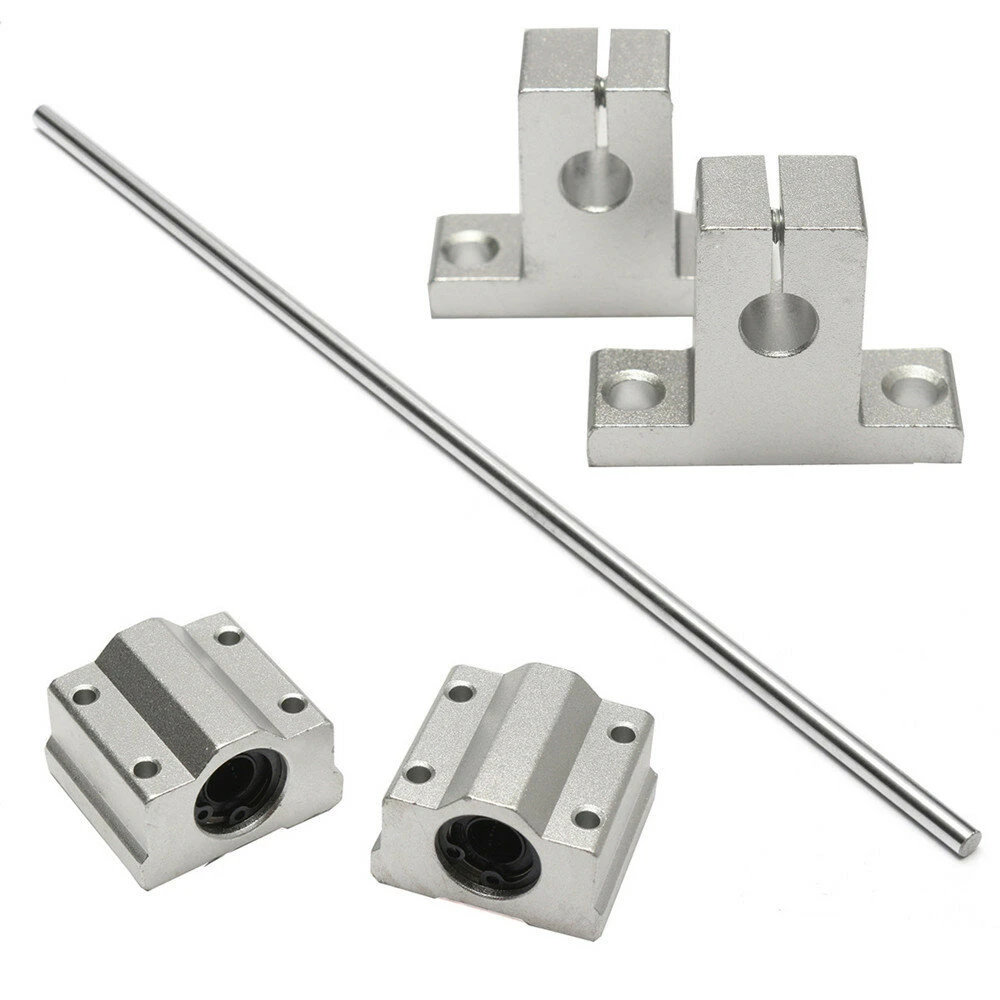
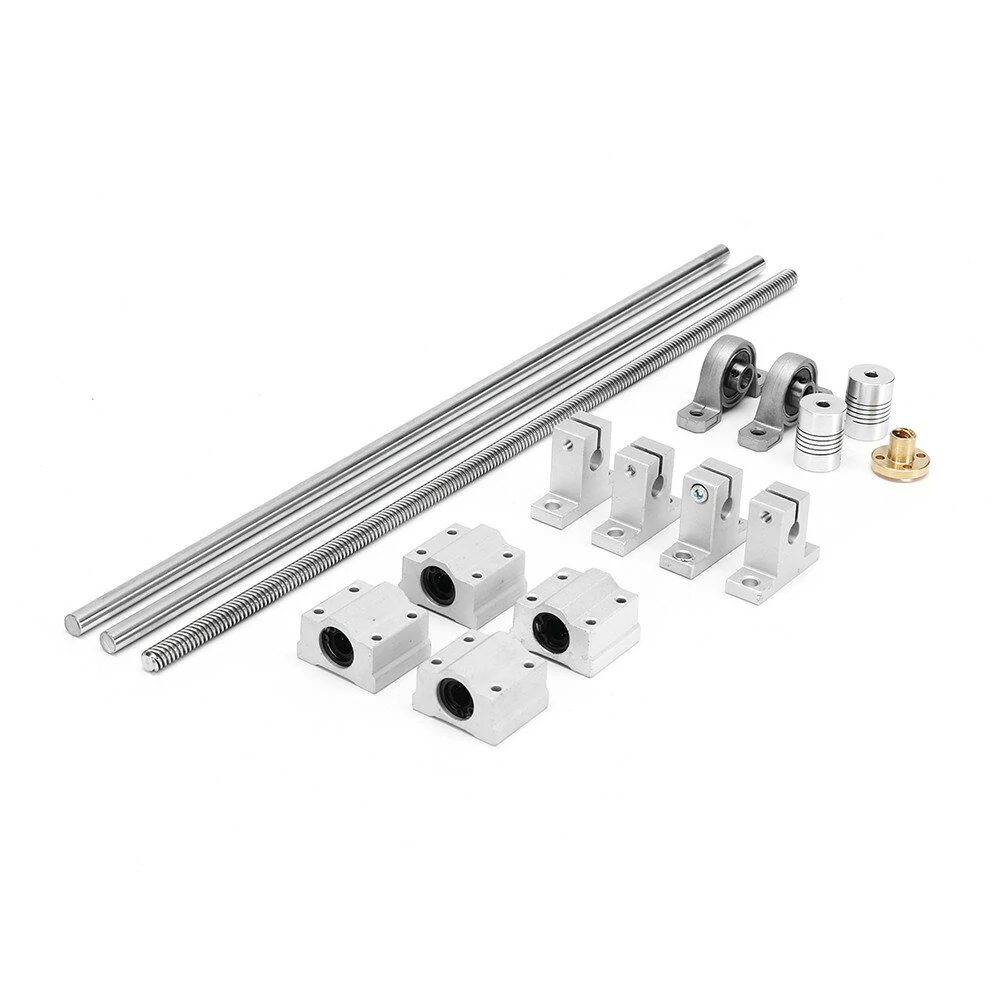
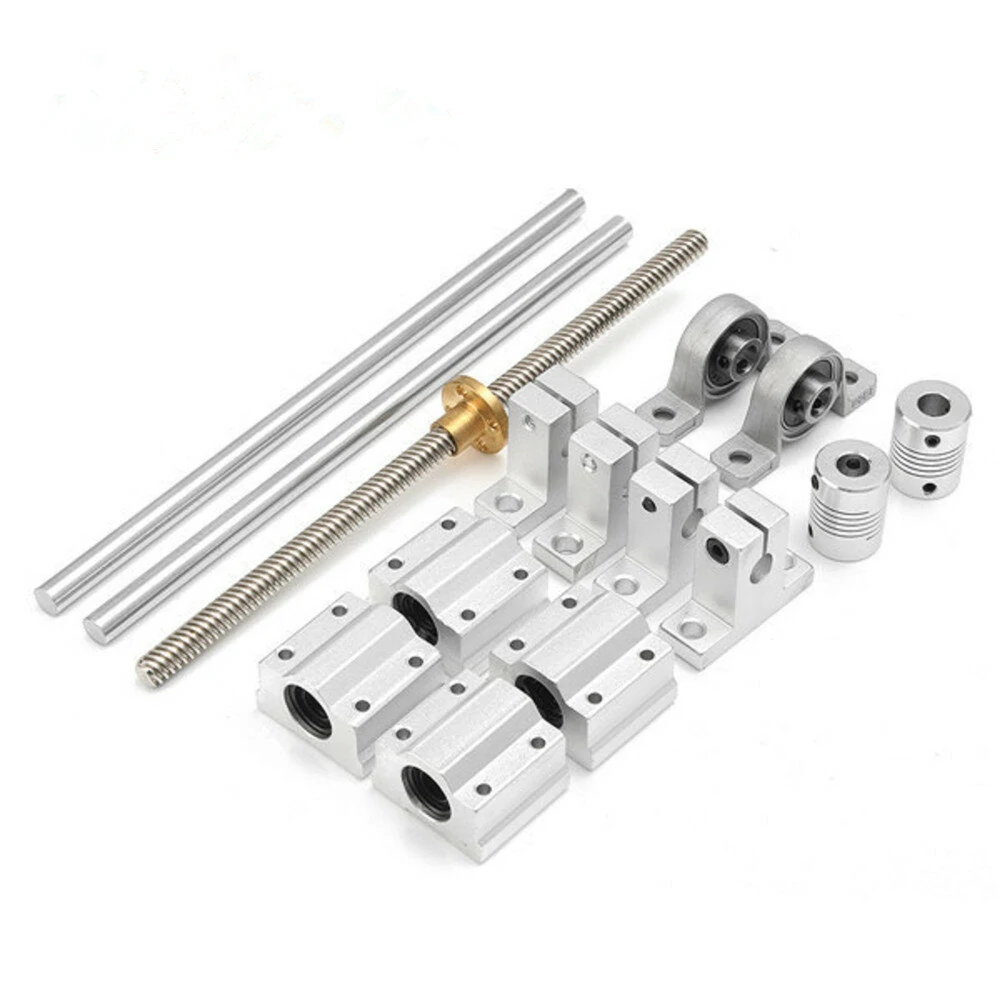
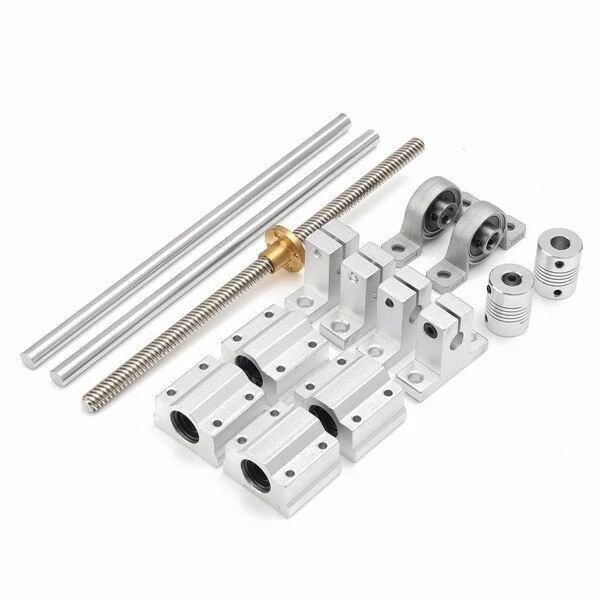
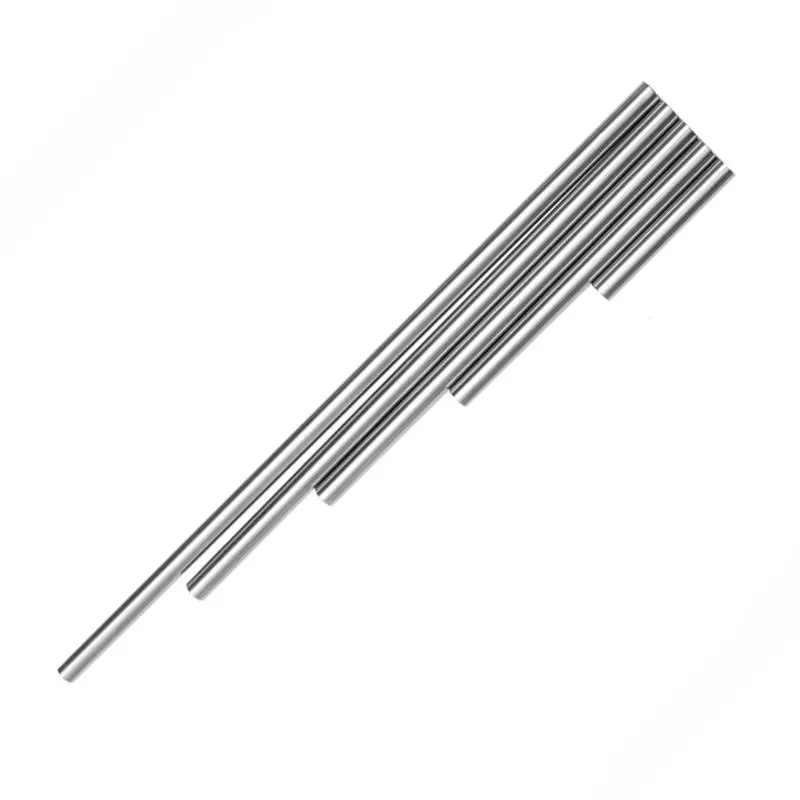
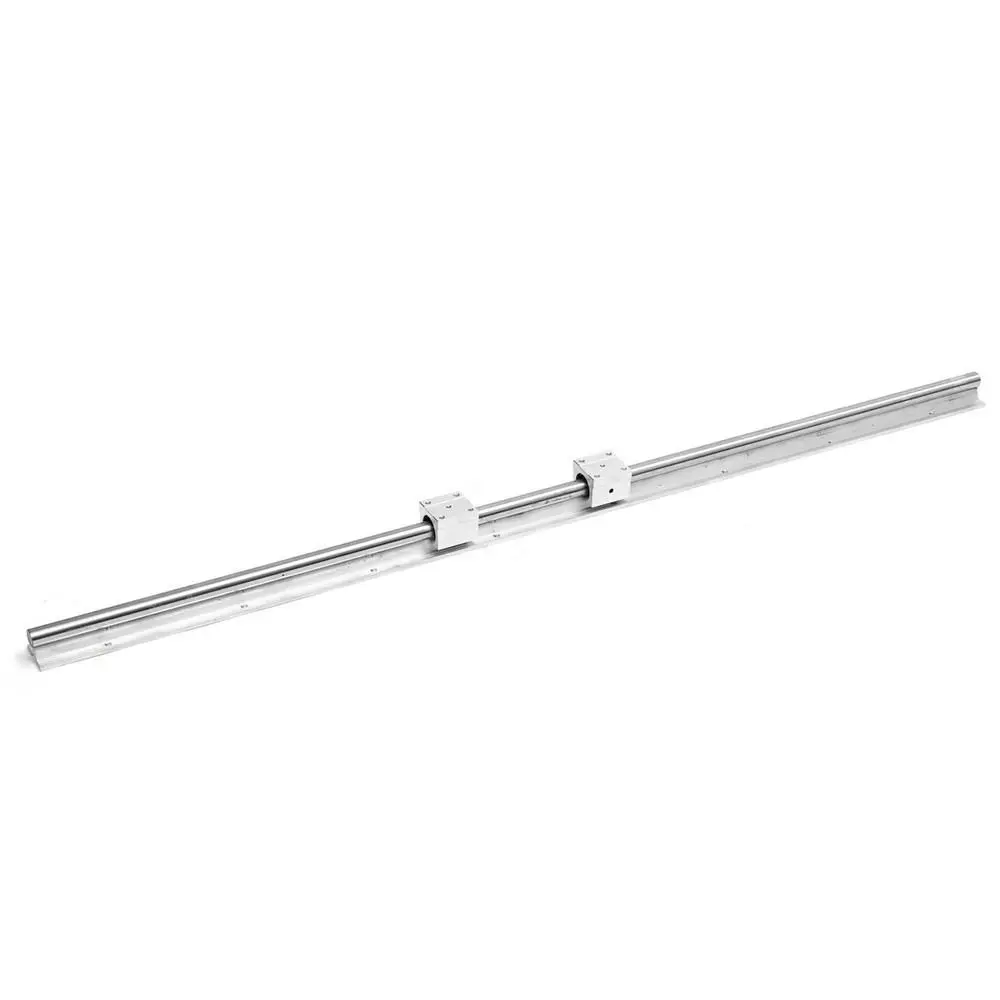
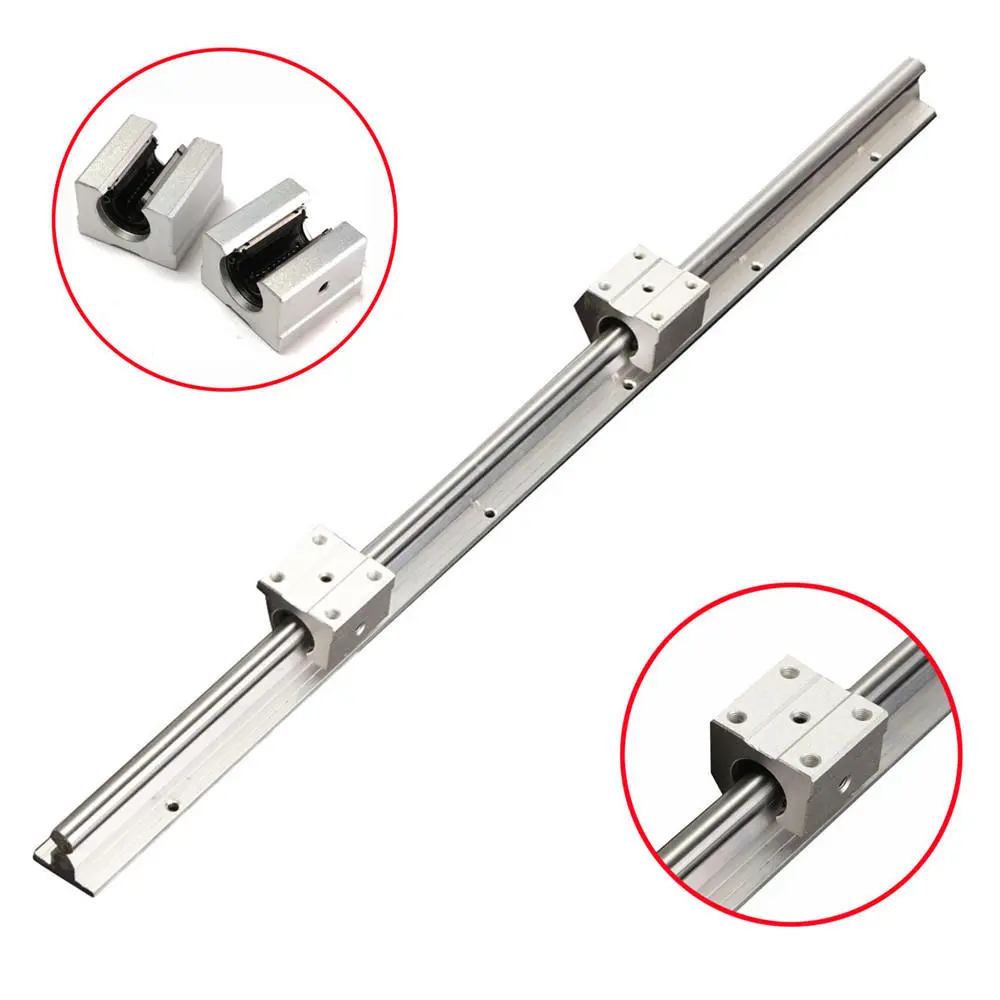
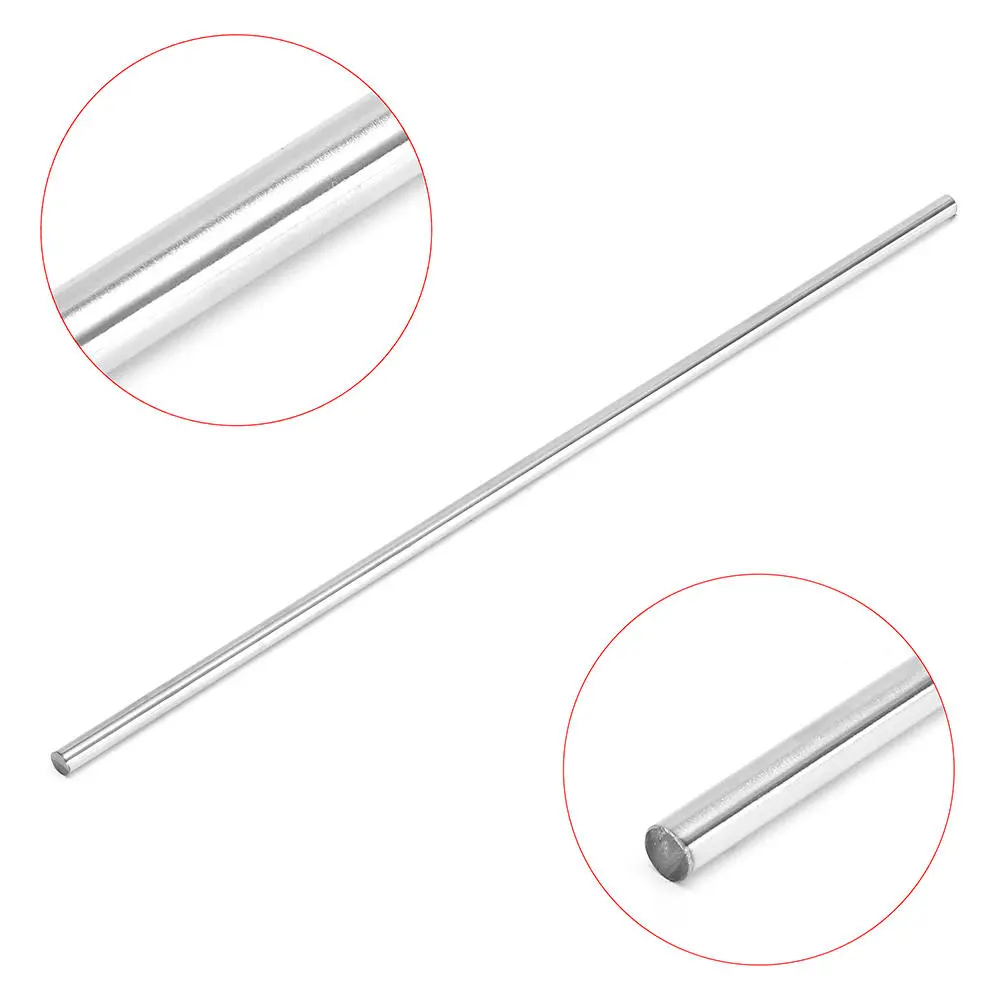
Popular product types within this category include profiled linear rails (like those compatible with Hiwin or Thomson styles), round shaft rails, miniature rails for compact applications, and fully assembled slide kits. Whether you're upgrading a machine tool, building a custom CNC, or automating a process, choosing the right linear rail is fundamental to achieving reliable, high-performance results.
Choosing the correct linear rail is crucial for your system's performance and longevity. Start by determining the load your application will place on the carriage, including forces from multiple directions. Next, calculate the required rail length and the number of carriages needed to support the load without excessive deflection. For high-precision tasks like CNC machining, opt for a higher accuracy grade (such as C or H grade). In dusty or wet environments, ensure the rails have adequate seals or wipers.
FAQ: **Q: What's the difference between a linear rail and a linear shaft?** A: Linear rails are profiled and offer much higher rigidity and load capacity in all directions. Round linear shafts are simpler but can deflect under heavy loads. **Q: How do I mount a linear rail properly?** A: Precise mounting on a flat, machined surface is essential. Use the recommended torque on mounting screws and follow a sequential tightening pattern to avoid pre-stressing the rail. **Q: What maintenance do linear rails require?** A: Most are lubricated for life, but regular cleaning of exposed rails and re-lubrication in high-use or contaminated settings will maximize service life. For your next project, prioritize quality rails from reputable suppliers to ensure smooth, precise, and dependable motion.