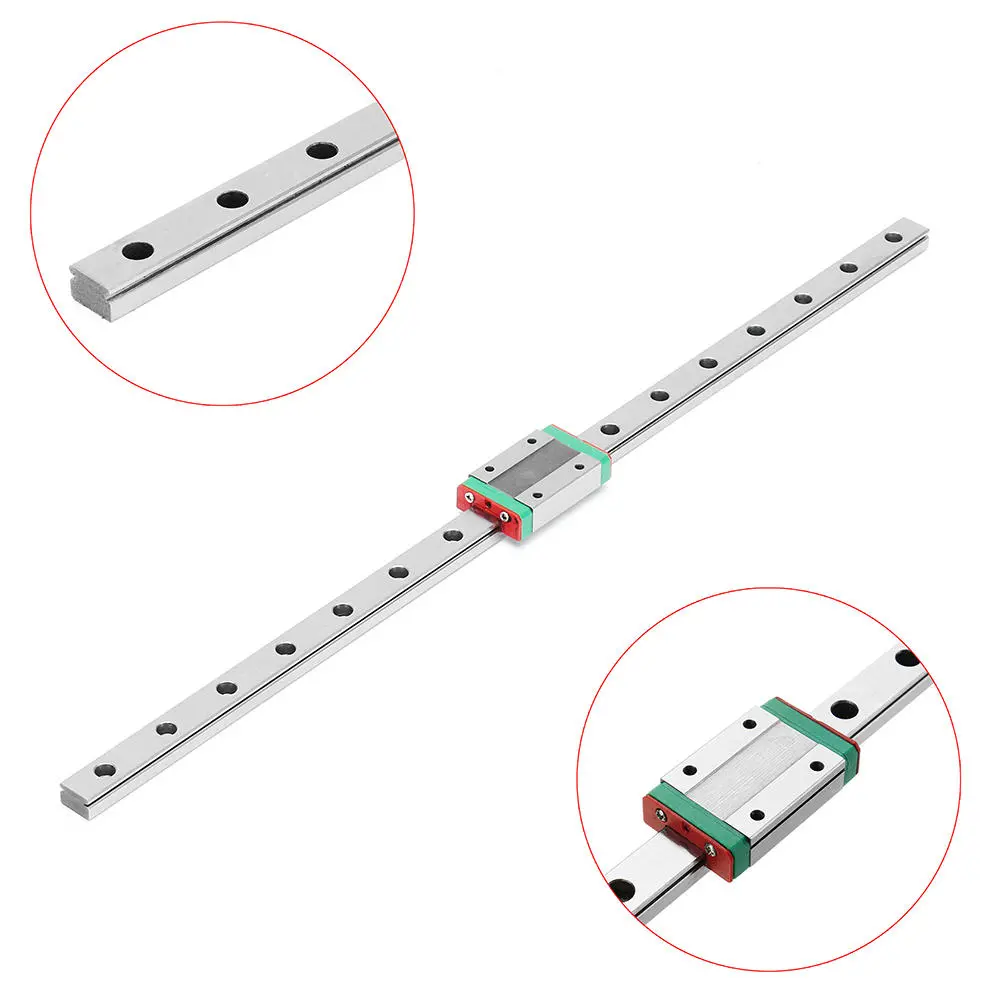
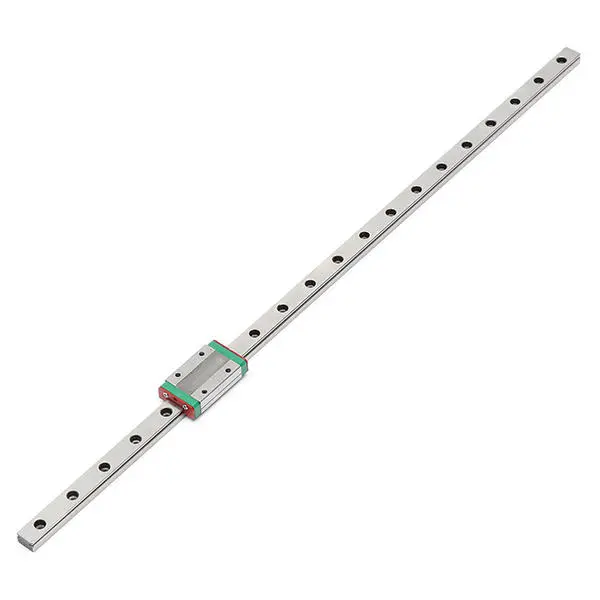
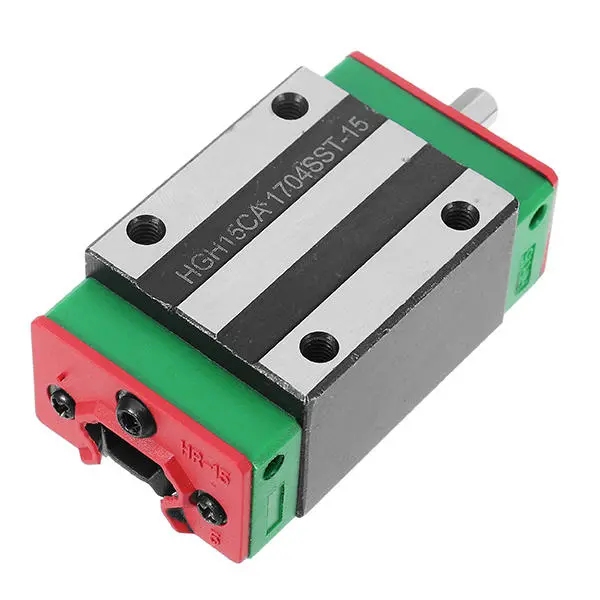
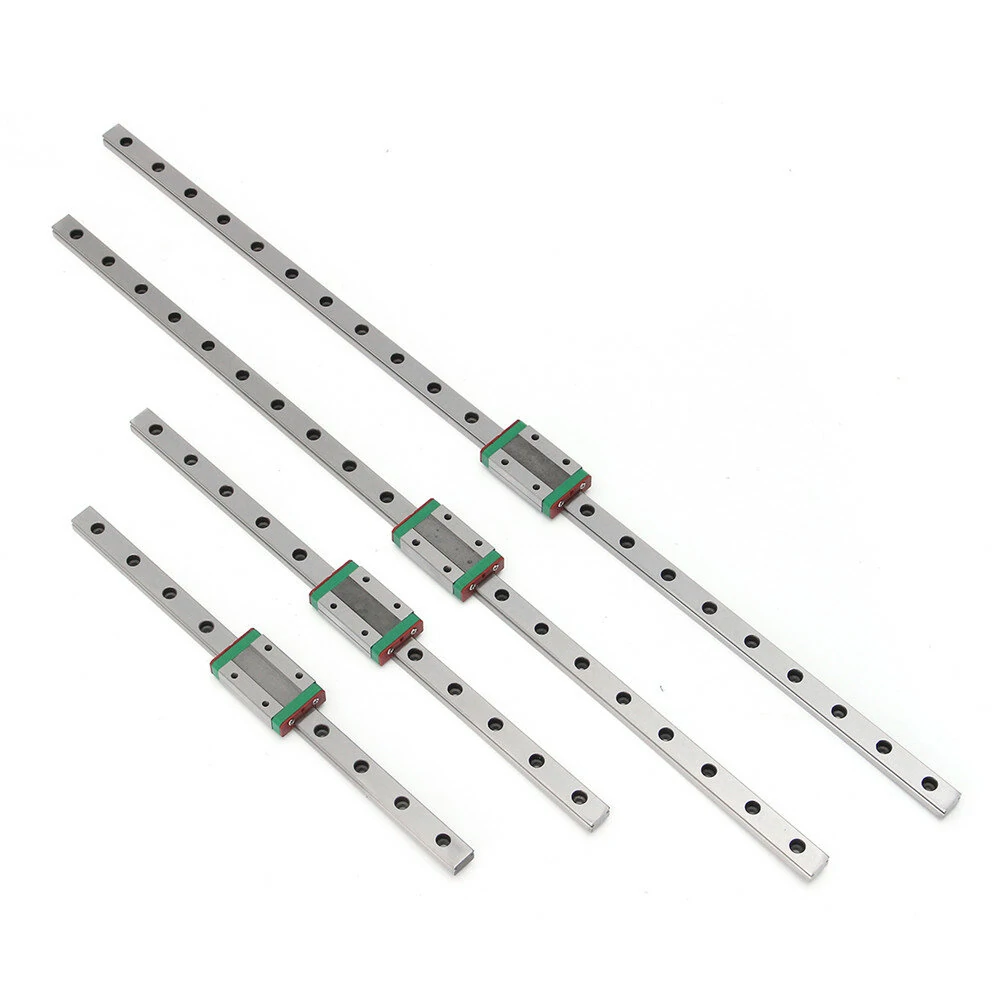
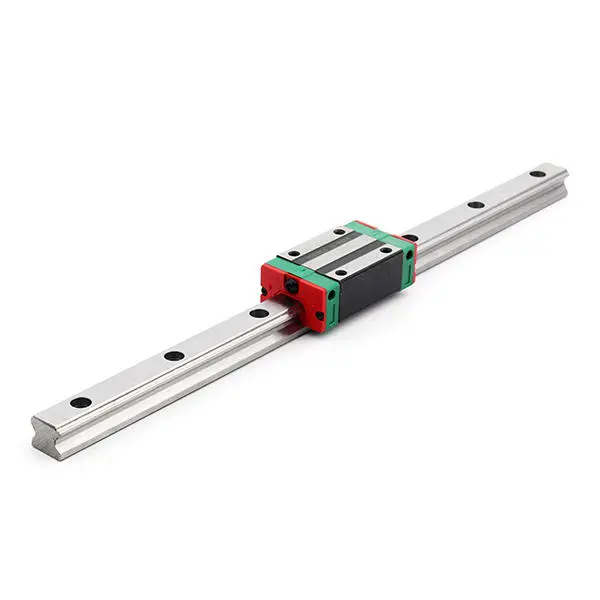
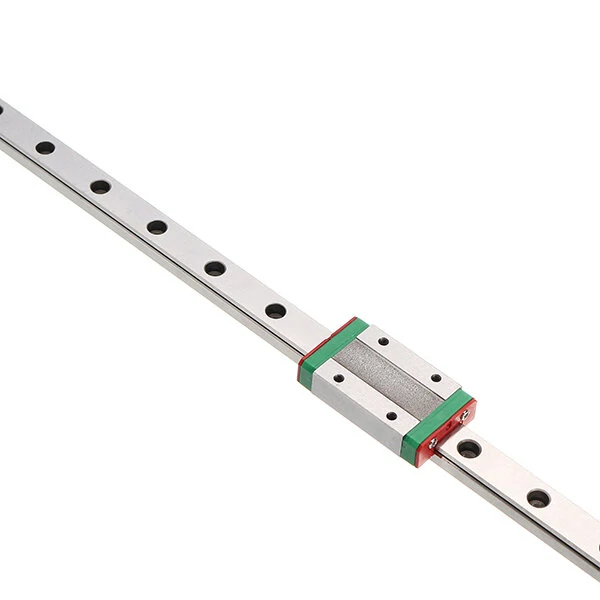
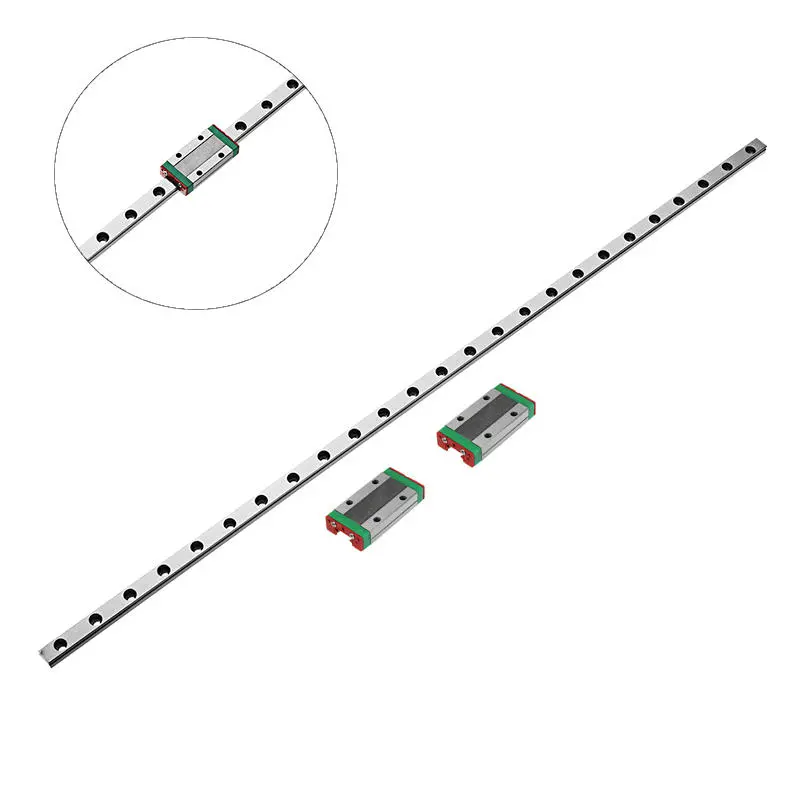
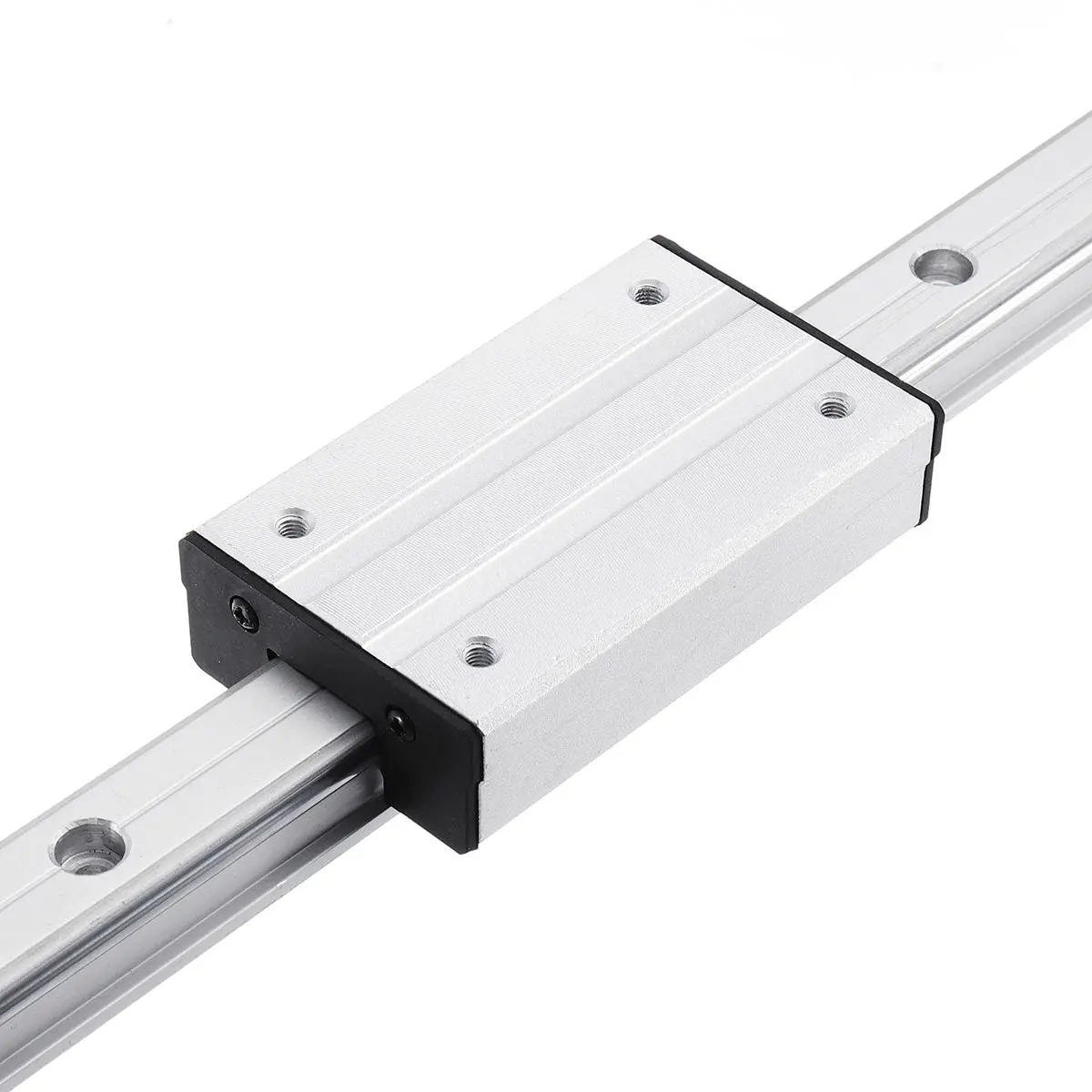
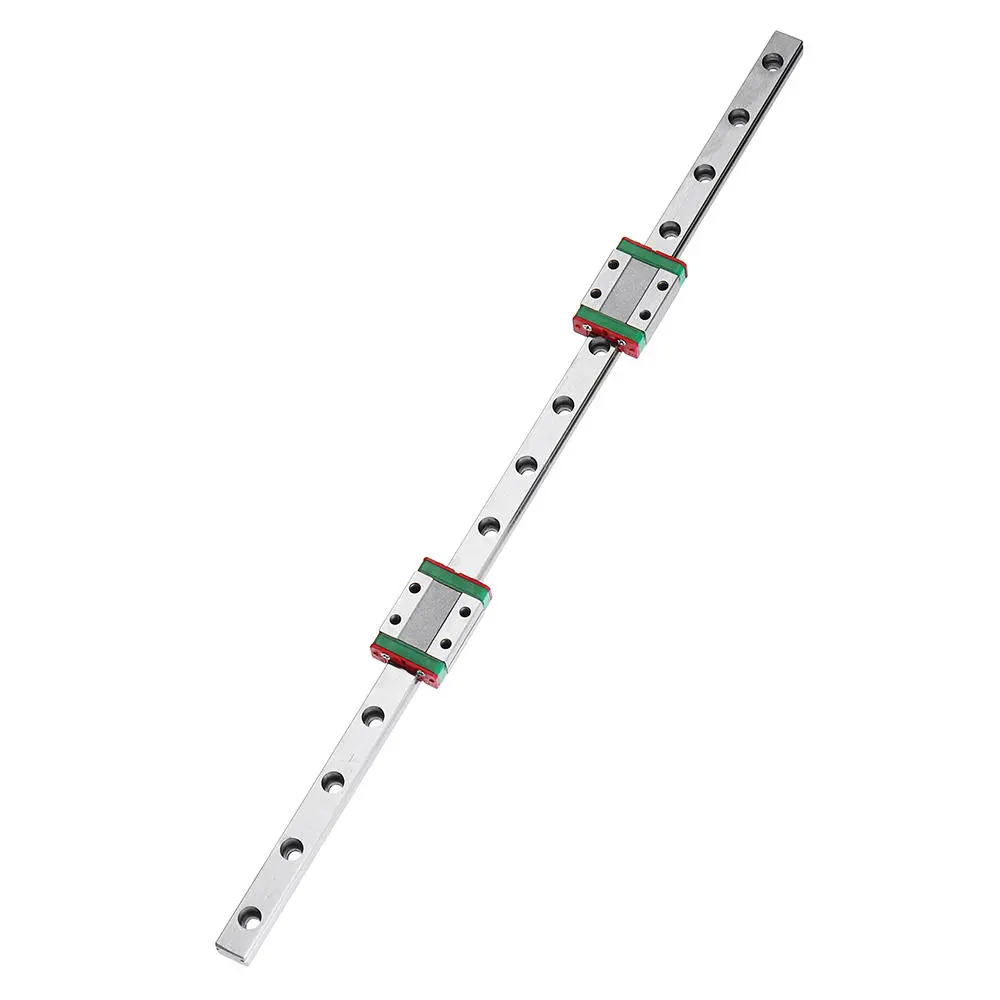
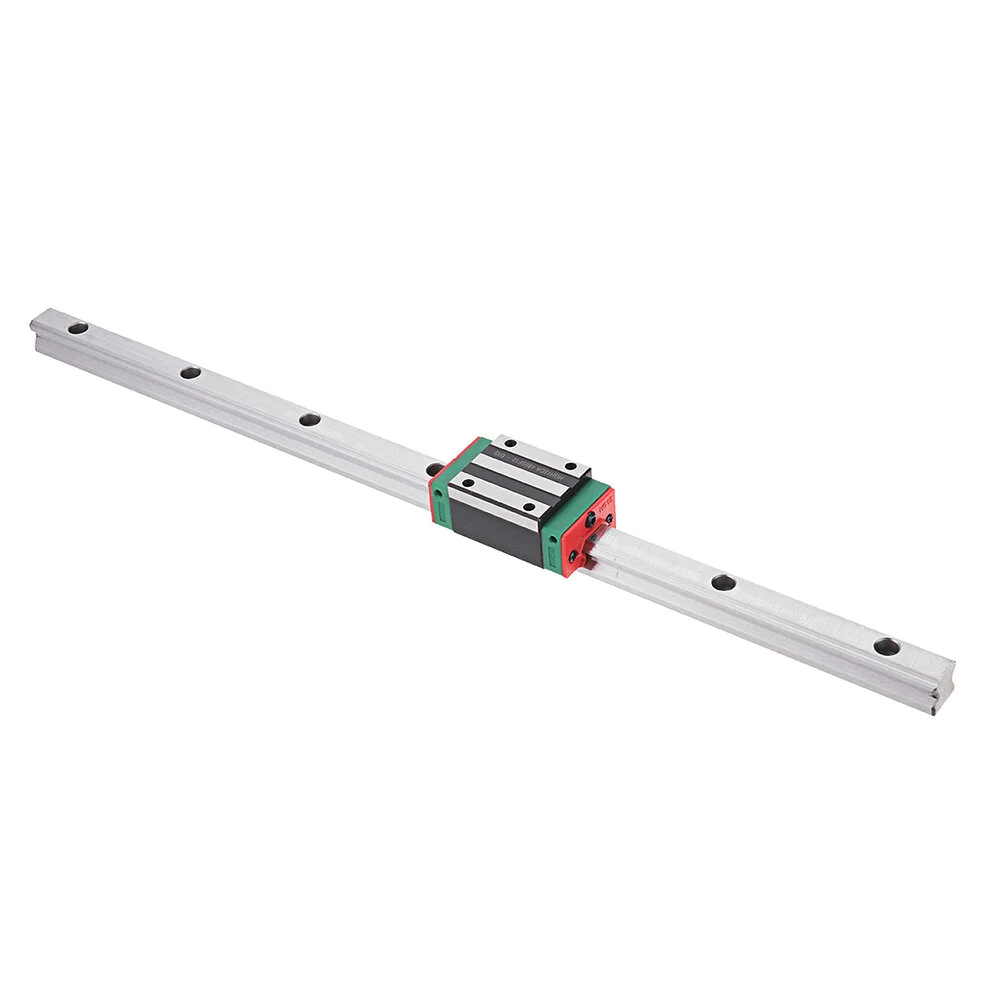
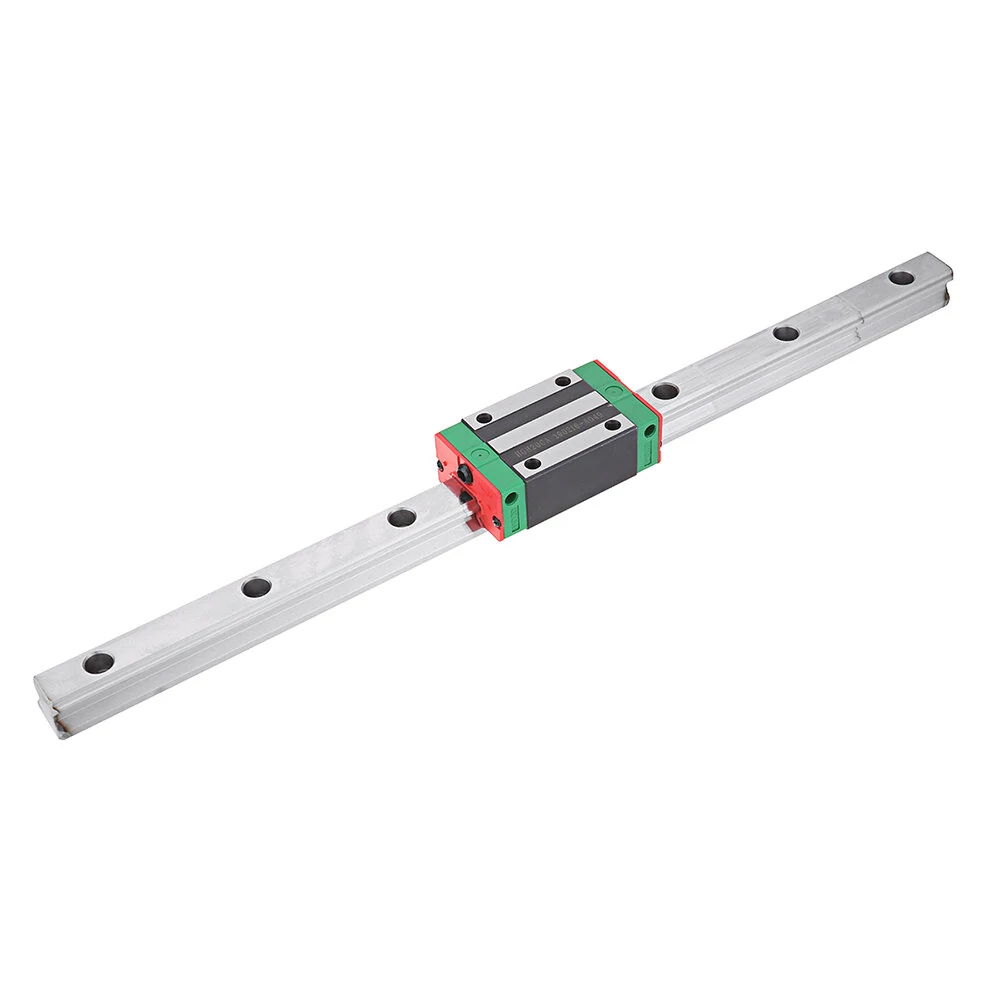
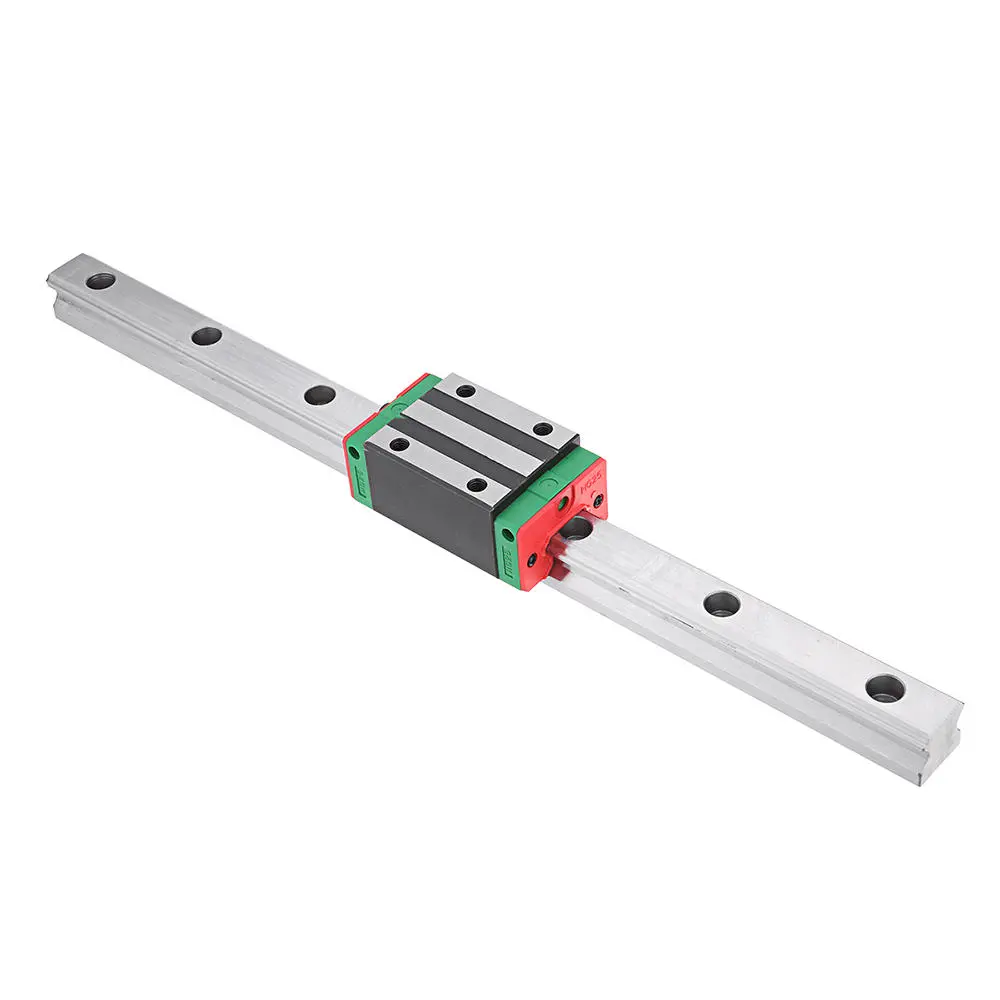
Linear guides, also known as linear motion guides or rails, are fundamental components in modern industrial automation, CNC machinery, robotics, and high-precision equipment. They provide a rigid, low-friction pathway for moving parts, enabling smooth, accurate, and repeatable linear motion. Unlike traditional sliding mechanisms, linear guides utilize recirculating ball or roller bearings within a guided block that travels along a precision-ground rail. This design dramatically reduces friction, minimizes wear, and allows for high-speed operation with exceptional positioning accuracy and stiffness.
The core product range within this category includes profiled rail guides, round shaft linear guides, and crossed roller slides. Profiled rail guides are the most common, featuring a hardened steel rail with a raceway and a matching carriage block. They offer the highest load capacity, rigidity, and moment resistance, making them ideal for heavy-duty CNC machining centers and industrial robots. Round shaft guides, using supported round rails and ball bushings, provide an economical solution for lighter loads and are easier to install. Crossed roller slides utilize precision rollers between V-grooves for ultra-smooth, high-accuracy motion with minimal deflection, perfect for optical and measuring equipment.
Key benefits of integrating linear guides into your systems are numerous. They deliver superior precision and repeatability, essential for manufacturing tolerances. Their high rigidity ensures minimal deflection under load, maintaining accuracy. The sealed designs protect internal bearings from contaminants, significantly extending service life and reducing maintenance. By enabling higher speeds and accelerations with less energy loss due to friction, linear guides boost overall machine efficiency and throughput. Whether you're building a new machine or retrofitting an existing one, selecting the right linear guide is critical for achieving reliable, long-lasting, and high-performance motion control.
Choosing the right linear guide requires careful consideration of your application's specific demands. Start by evaluating the load requirements—calculate the magnitude and direction (vertical, horizontal, moment loads) the guide must withstand. Next, consider the required precision grade, which ranges from standard to ultra-high precision for sensitive applications. The necessary speed, acceleration, and travel length will influence the size and type of guide selected. Environmental factors are also crucial; options with integrated seals or wipers are vital for dirty or wet conditions to prevent contamination.
**FAQ: Linear Guides Buying Guide**
**Q: What is the difference between ball and roller type linear guides?**
A: Ball guides use recirculating ball bearings and are excellent for high-speed applications. Roller guides use cylindrical rollers, offering higher load capacity and greater rigidity, ideal for heavy loads and high moment applications.
**Q: How do I determine the correct size and preload?**
A: Size is primarily based on load calculations and required stiffness. Preload refers to the internal clearance within the bearing block; a higher preload increases rigidity and accuracy but can generate more heat and friction. Consult manufacturer catalogs and engineering support for precise selection.
**Q: What maintenance do linear guides require?**
A: Modern linear guides are often lubricated-for-life or feature easy-relubrication points. Primary maintenance involves keeping the rail clean and ensuring seals are intact. Regularly check for smooth operation and re-lubricate as per the manufacturer's schedule, especially in demanding environments.
Investing in quality linear guides from reputable manufacturers ensures long-term reliability, reduces downtime, and protects your larger capital investment in machinery. Always prioritize components that match your performance and durability needs.