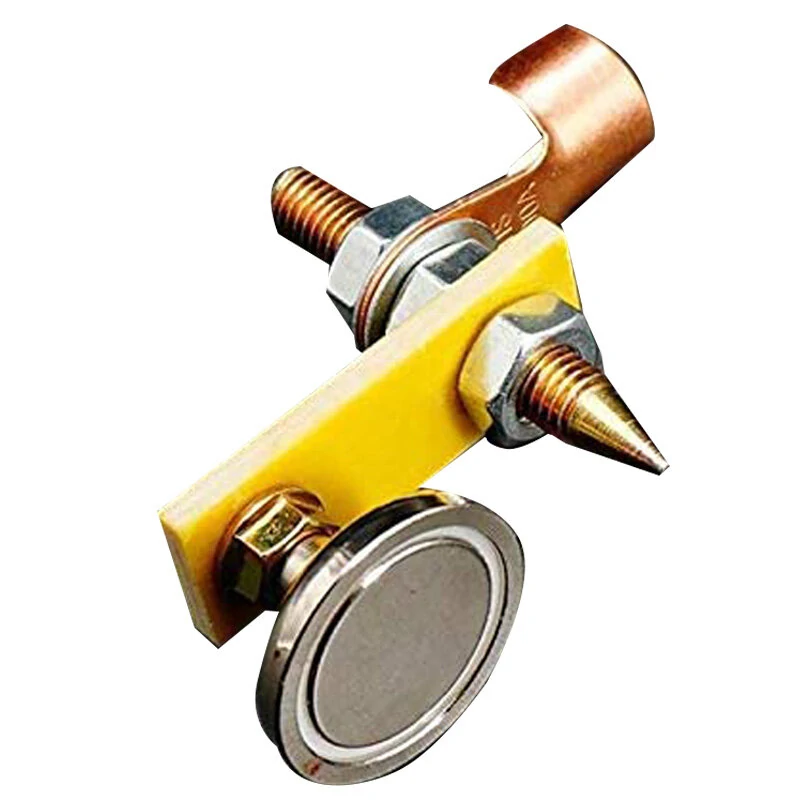
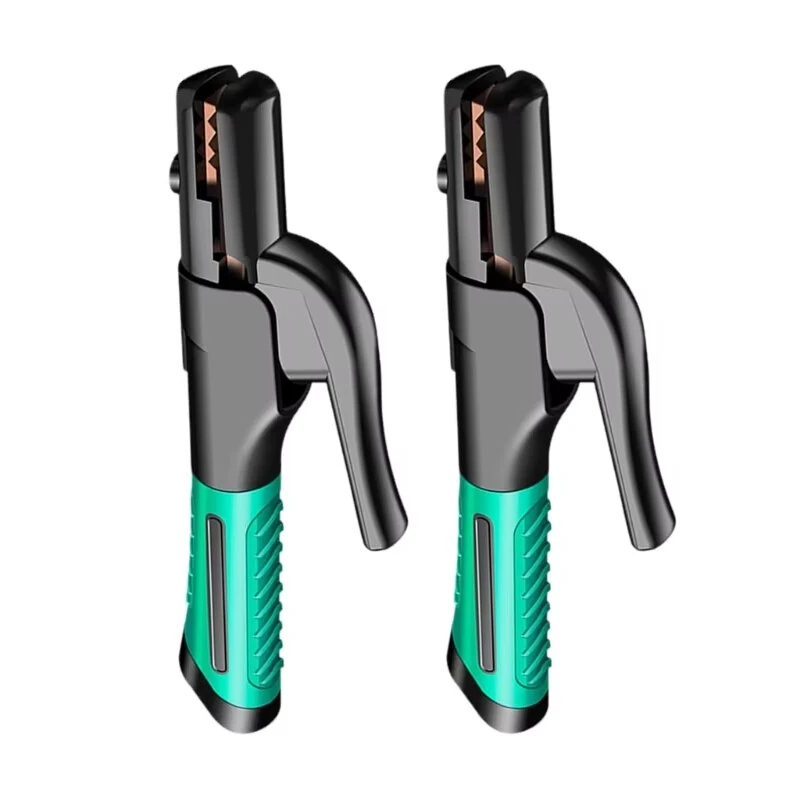
A welding holder is an essential, yet often overlooked, component of any welder's toolkit. It serves as the critical link between your welding machine and the workpiece or electrode, ensuring a stable electrical connection, optimal performance, and most importantly, operator safety. This category encompasses two primary tools: the electrode holder (often called a 'stinger') and the ground clamp. The electrode holder securely grips the welding rod, allowing the welder to precisely direct the arc. Modern designs feature robust, insulated jaws and handles to protect against heat and electrical shock. The ground clamp completes the welding circuit by attaching firmly to the workpiece. A high-quality ground clamp provides maximum metal-to-metal contact, preventing arc instability, poor weld quality, and dangerous electrical faults. Key benefits of investing in professional-grade welding holders include enhanced safety through improved insulation, reduced operator fatigue from ergonomic and lightweight designs, and superior weld quality due to consistent electrical conductivity. Products range from compact, lightweight holders for light-duty stick welding to heavy-duty, fully insulated models for industrial applications and high-amperage welding. Copper and brass alloys are commonly used for their excellent conductivity and heat resistance. When selecting a welding holder, consider the amperage rating, jaw design for easy electrode changes, insulation quality, and durability of the cable connection. A reliable holder is not just an accessory; it's a fundamental tool for achieving clean, strong welds and maintaining a safe working environment every time you strike an arc.
Choosing the right welding holder is crucial for efficiency and safety. Follow this quick guide: First, match the amperage rating of the holder to your welding machine's maximum output. Using an under-rated holder can lead to overheating and failure. Second, for the electrode holder (stinger), look for insulated jaws and a comfortable, heat-resistant handle. Jaw types include twist-style, spring-loaded, and screw-type—select based on your preferred electrode change speed and grip security. For ground clamps, prioritize a strong spring mechanism and large contact area (like a copper pad) for the best connection; avoid cheap 'alligator' style clamps for serious work. Frequently Asked Questions: Q: How often should I replace my welding holder? A: Inspect regularly for cracked insulation, loose connections, or worn jaws. Replace immediately if damage is found. Q: Can I use any holder for all welding rods? A: Most standard holders accept common rod diameters, but very large rods may require a specialized heavy-duty holder. Q: Why is my ground clamp getting hot? A: A hot clamp often indicates poor contact with the workpiece, a weak spring, or an undersized clamp for the amperage. Clean the contact points and ensure a tight fit. Investing in quality holders protects your equipment, your welds, and yourself.