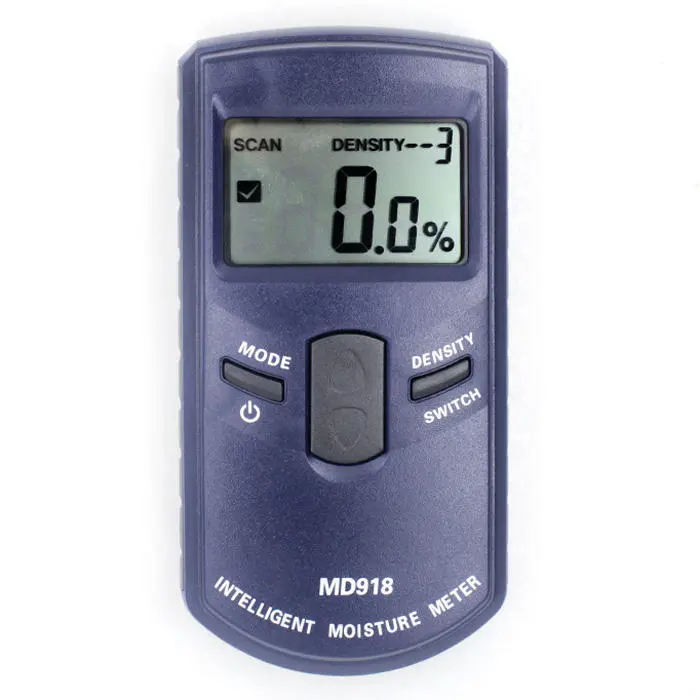
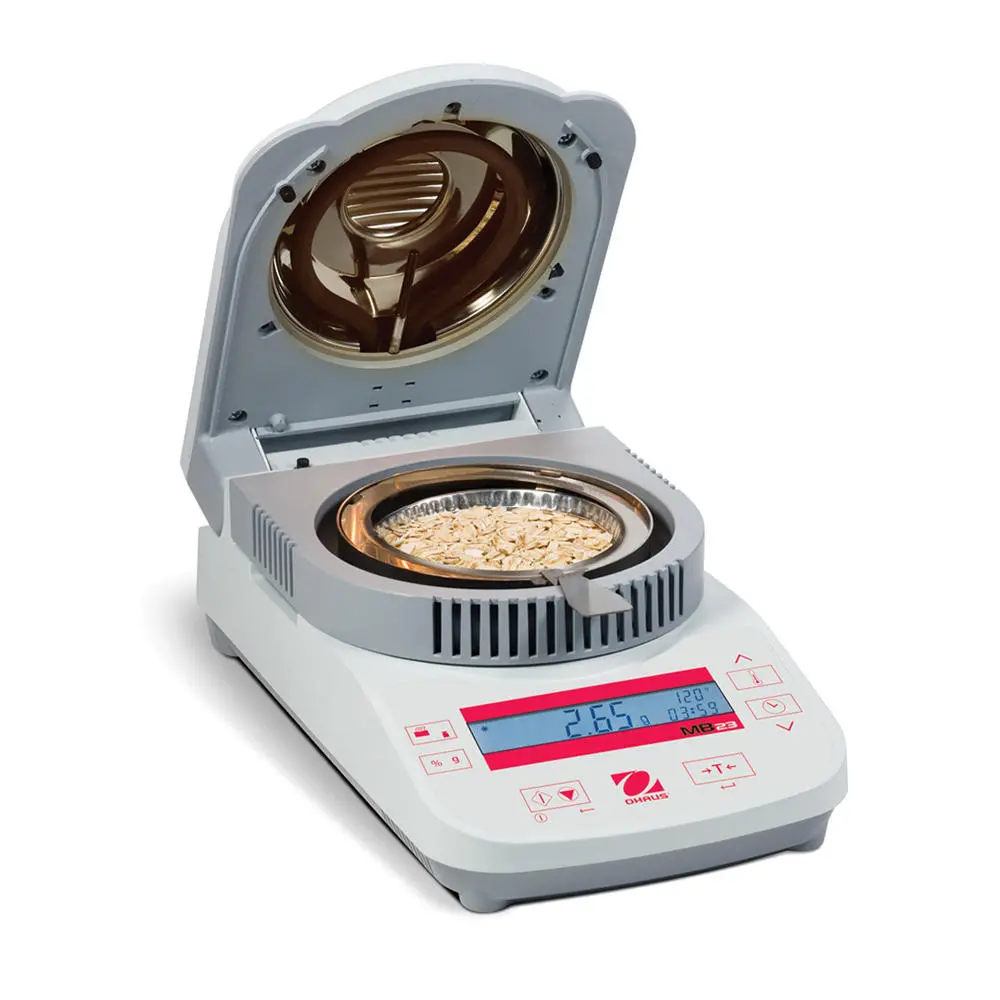
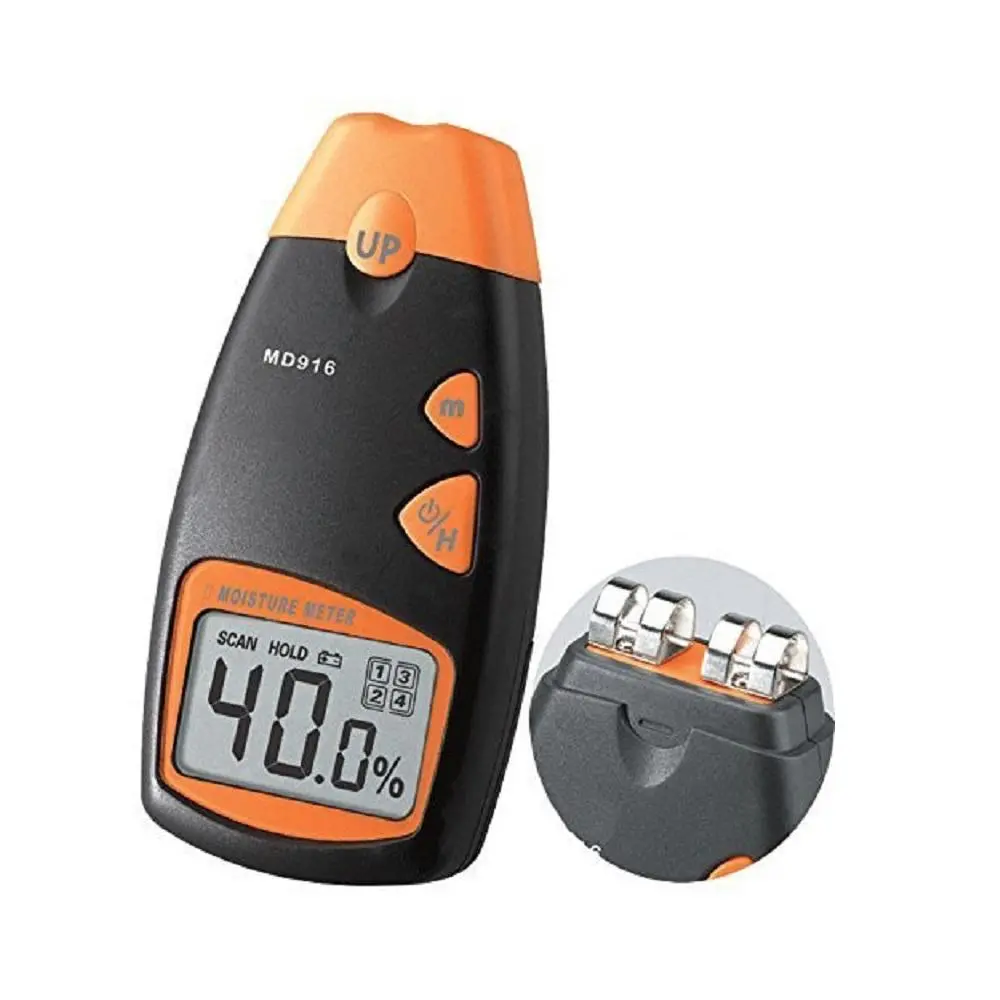
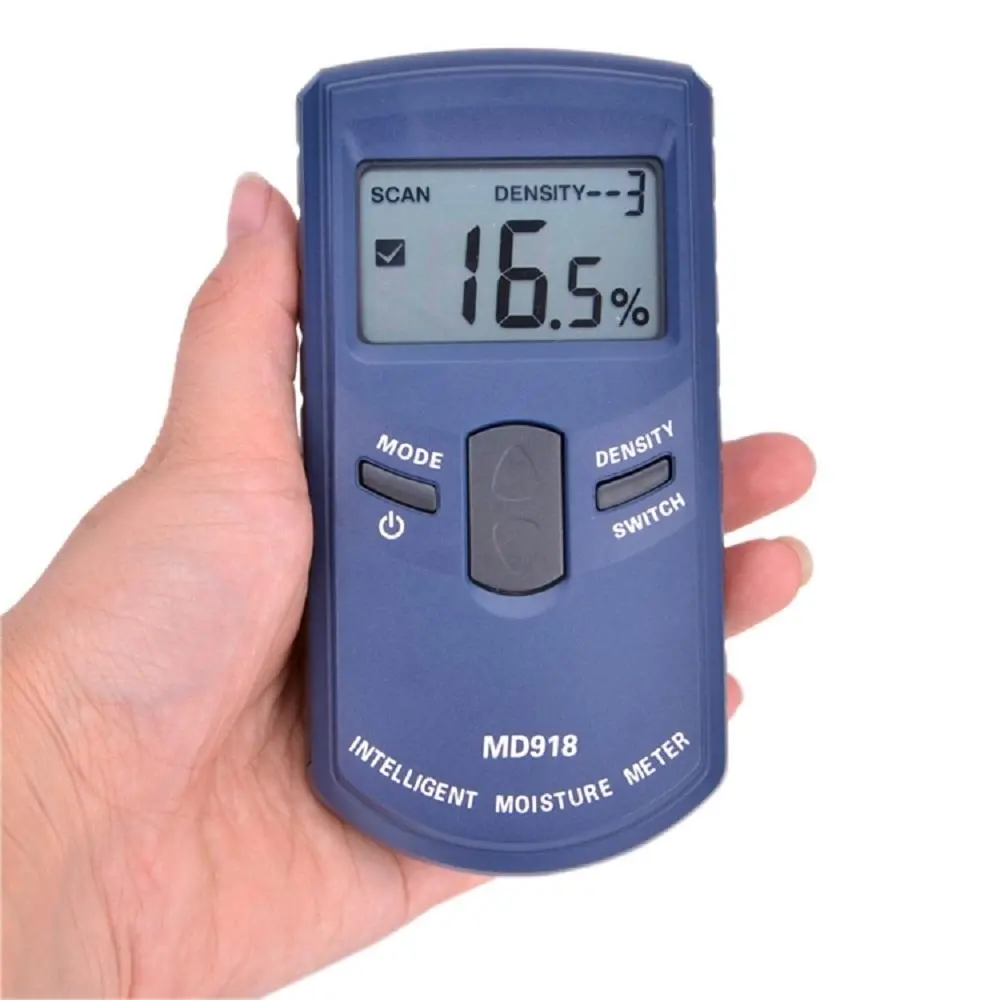
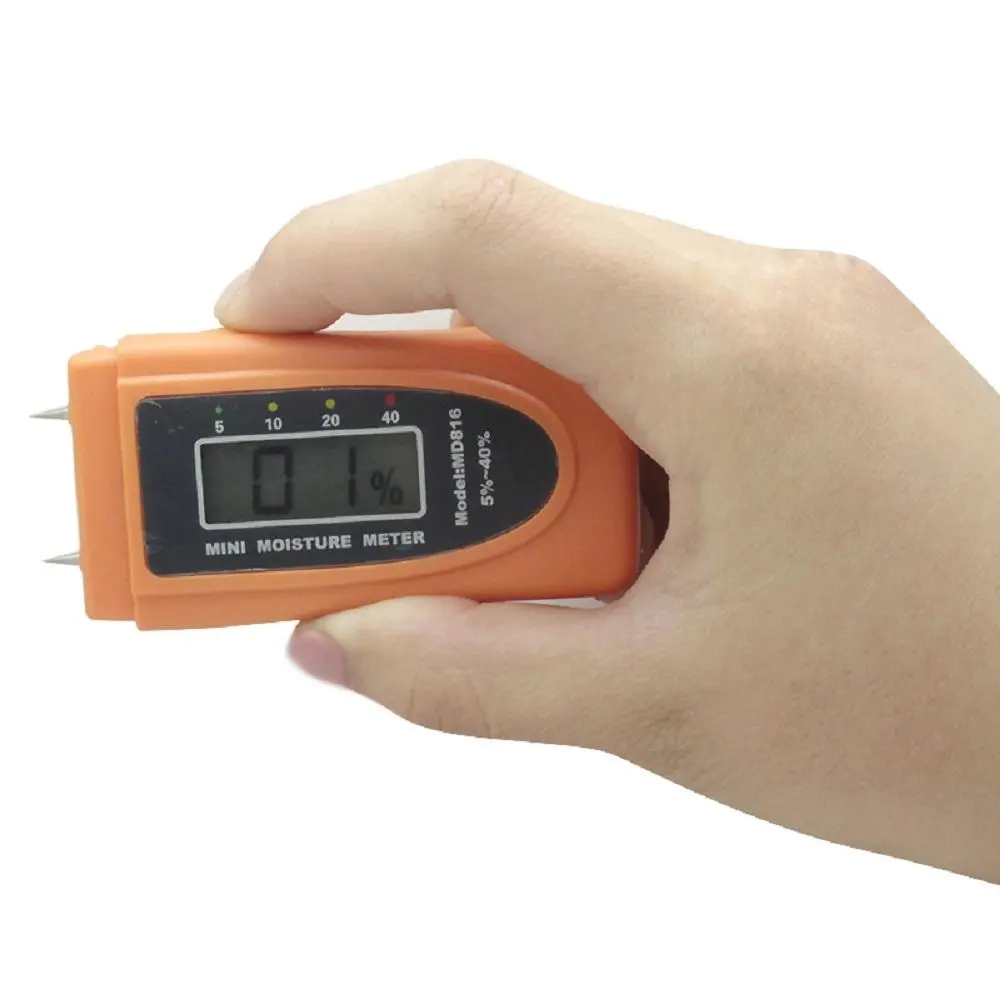
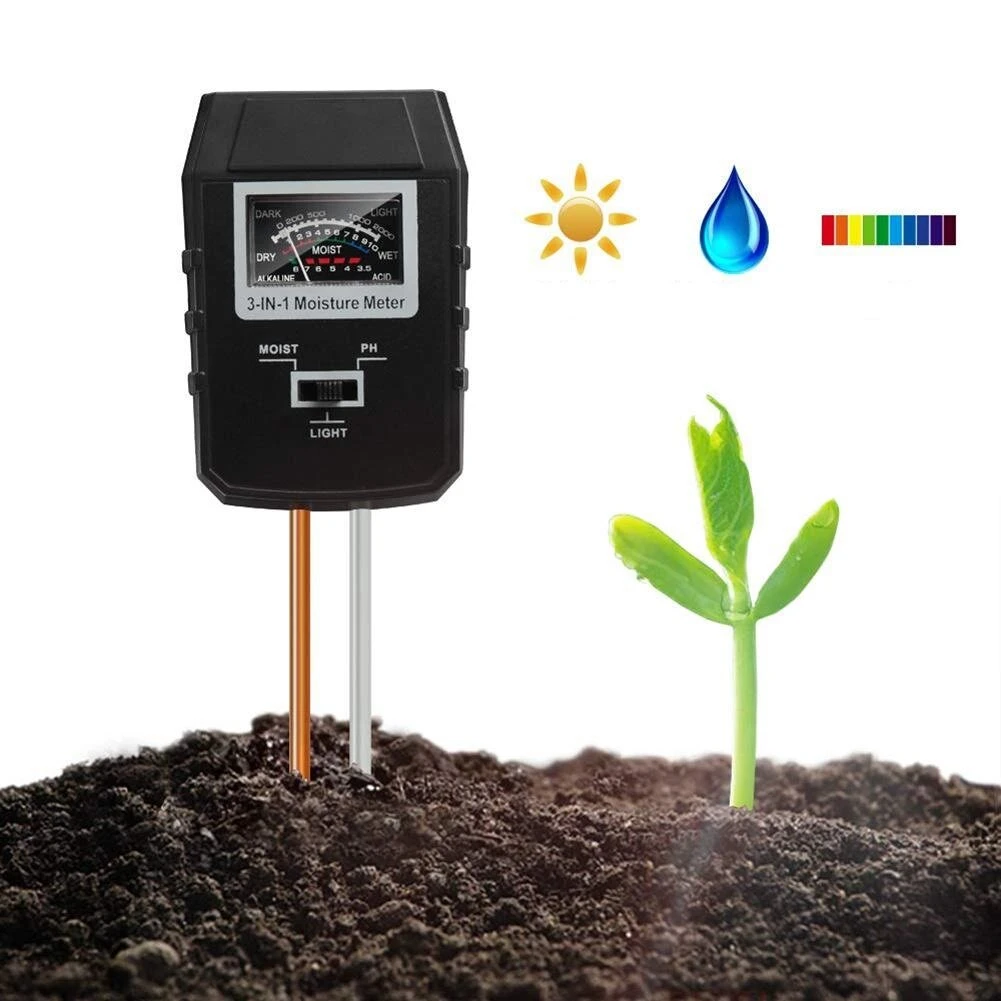
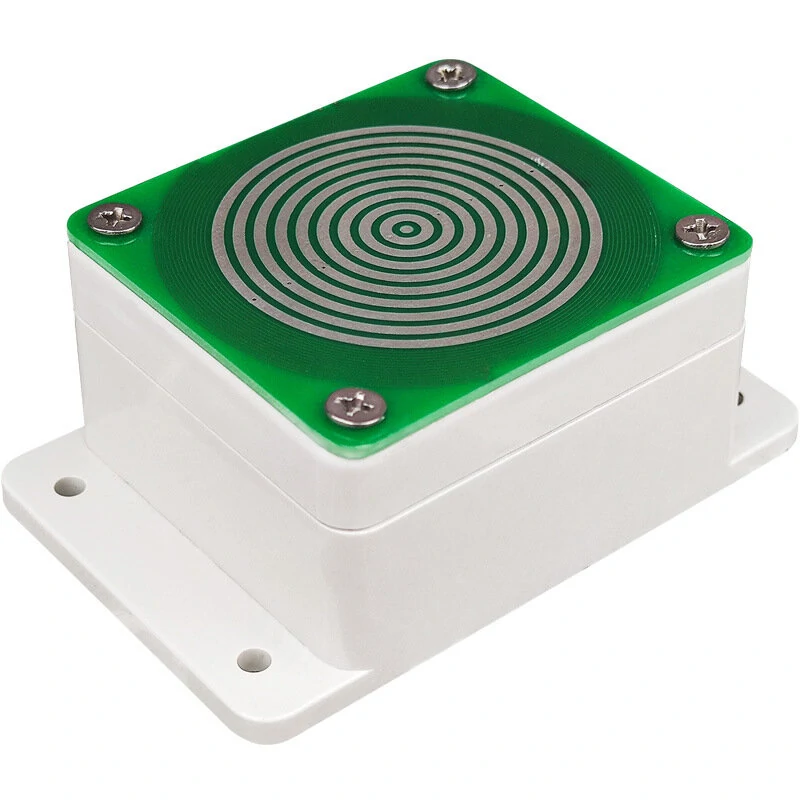
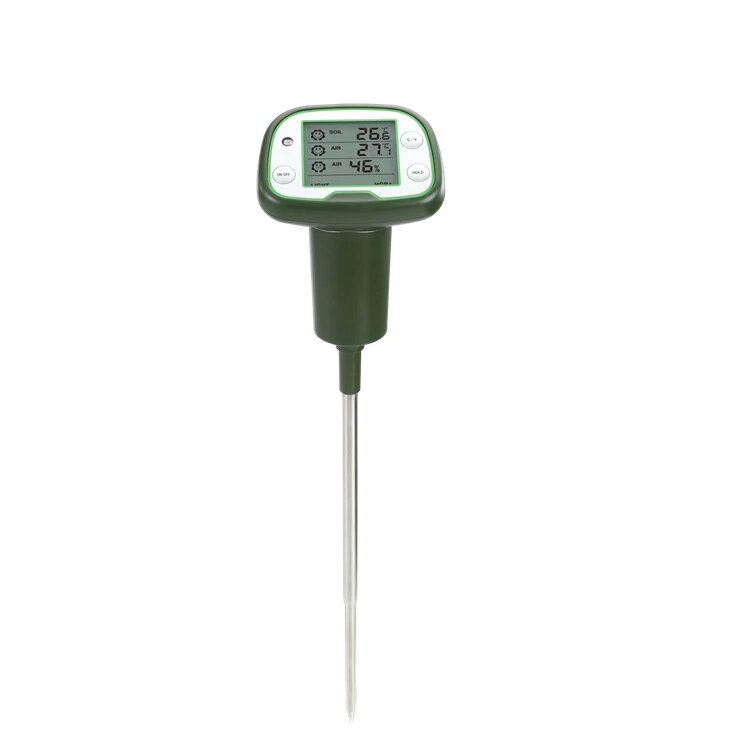
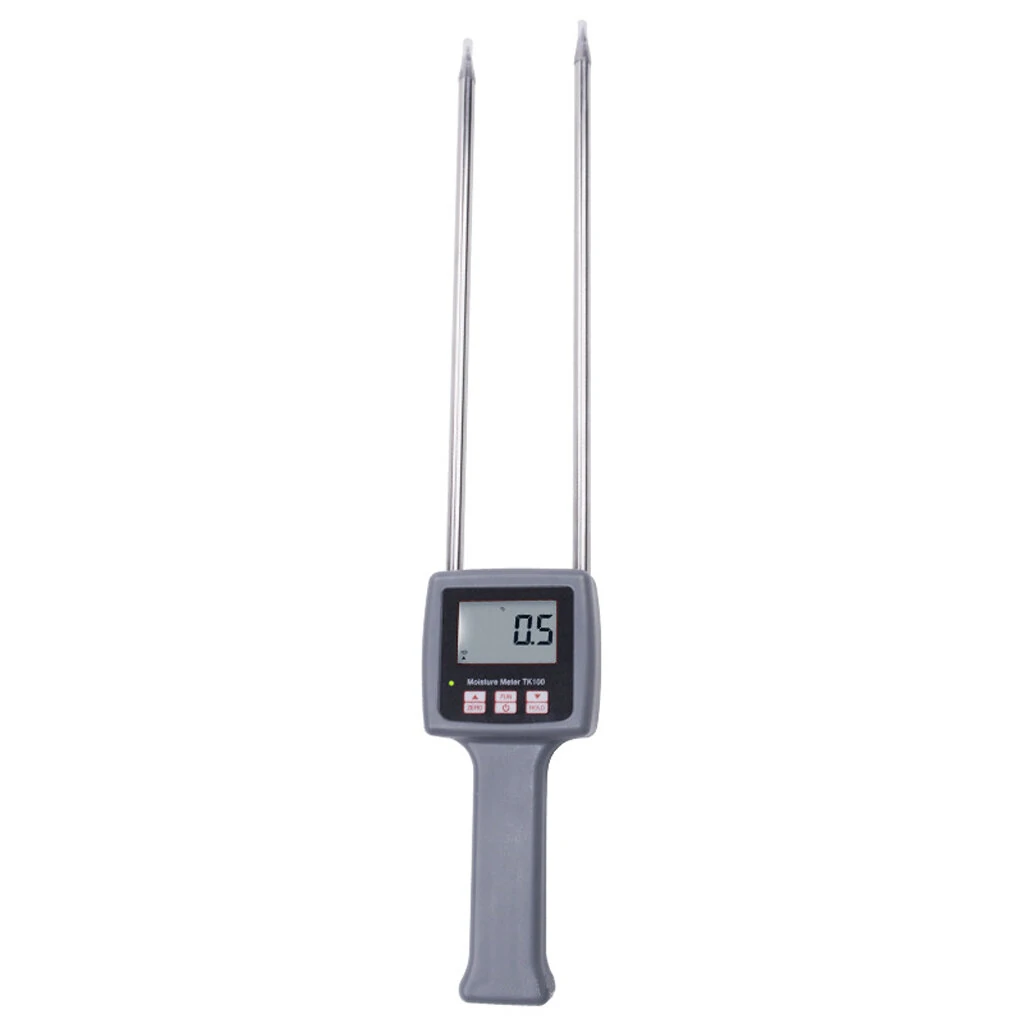
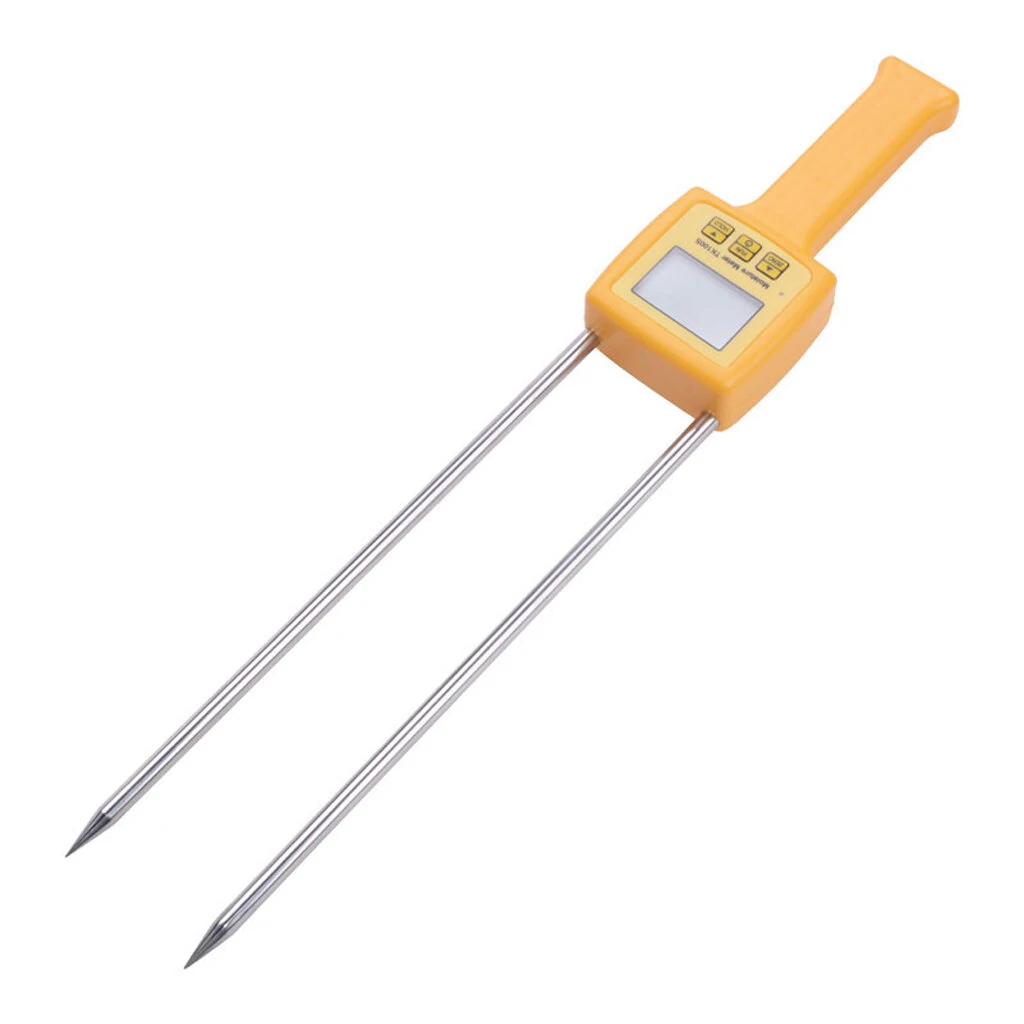
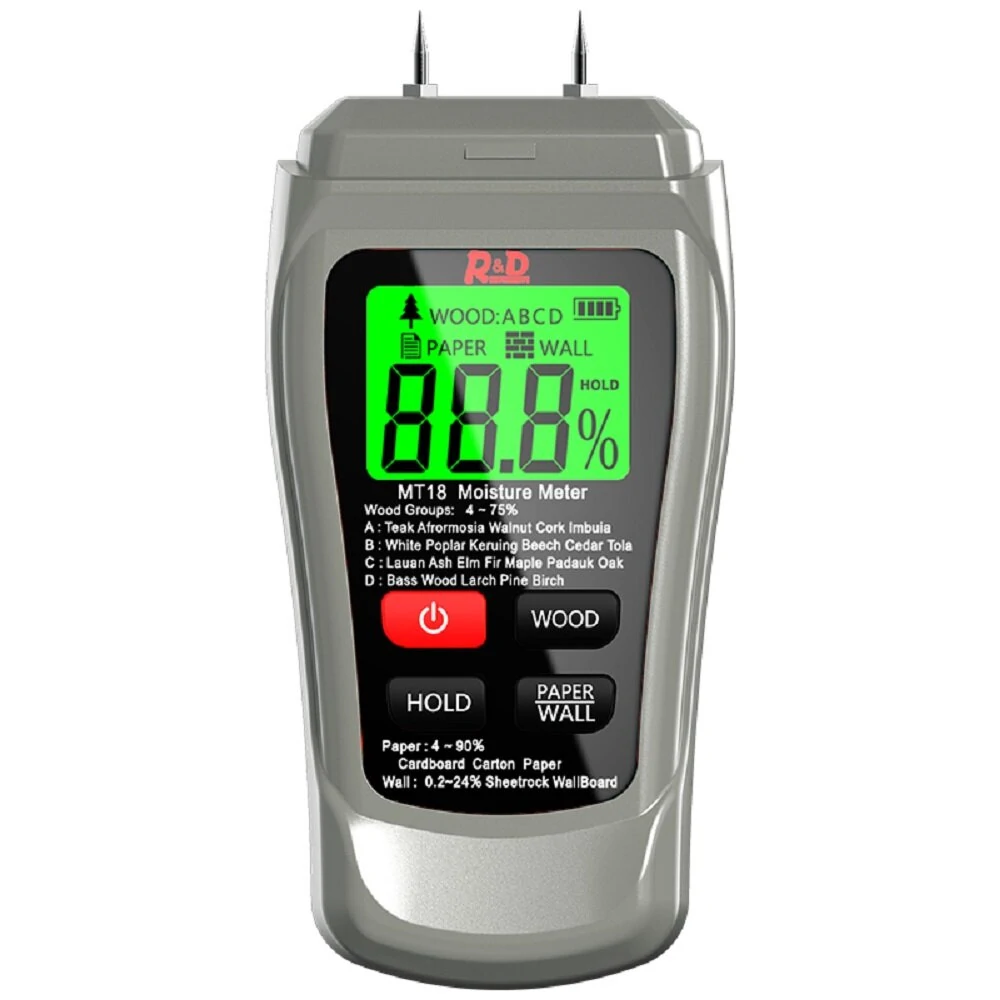
A moisture meter is an indispensable diagnostic tool for professionals and DIY enthusiasts who need to measure the water content within a material. By providing precise, quantitative data, these devices help prevent costly mistakes and material failures caused by excess moisture. The core benefit of using a moisture meter is proactive problem-solving; it allows you to identify issues before they lead to warped wood, mold growth, structural damage, or crop failure. The two primary types are pin-type and pinless (non-invasive) meters, each with distinct advantages. Pin-type moisture meters use two metal probes that penetrate the material's surface to measure electrical resistance, which correlates to moisture content. They are highly accurate for spot measurements and are favored by woodworkers, flooring installers, and agriculturalists for testing wood, drywall, and soil. Pinless meters, on the other hand, use electromagnetic waves to scan a broader area just below the surface without causing damage. This makes them ideal for inspectors, contractors, and antique furniture restorers who need to assess large panels of wood, concrete slabs, or finished surfaces without leaving pinholes. Key products in this category range from basic, single-material meters for home use to advanced, multi-material digital hygrometers with built-in temperature sensors, data logging, and species-specific wood calibrations. Whether you're a farmer optimizing irrigation, a builder ensuring a concrete slab is dry before laying flooring, or a woodworker selecting the perfect lumber for a project, a reliable moisture meter is your first line of defense against moisture-related disasters. Investing in the right tool provides peace of mind, ensures material longevity, and guarantees the quality of your final product.
Choosing the right moisture meter depends on your specific application. For woodworking and flooring, consider a meter with species correction settings for different types of wood. For construction and concrete drying, a meter designed for deep wall or concrete relative humidity (RH) testing is crucial. Gardeners and farmers should opt for a rugged soil moisture meter with a long probe. FAQ: **Q: What is the difference between pin and pinless meters?** A: Pin meters are great for precise, deep readings but leave small holes. Pinless meters scan larger areas without damage but measure surface-level moisture. **Q: Can one meter test all materials?** A: Some advanced models offer multi-material modes, but specialized meters (e.g., for wood or soil) often provide more accurate readings for their intended use. **Q: How do I ensure accurate readings?** A: Always calibrate your meter as per instructions, account for material temperature, and take multiple readings in different areas. For the most reliable results, match the tool to your primary material and choose a reputable brand known for accuracy and durability. Start by defining your most common use case to narrow your selection.