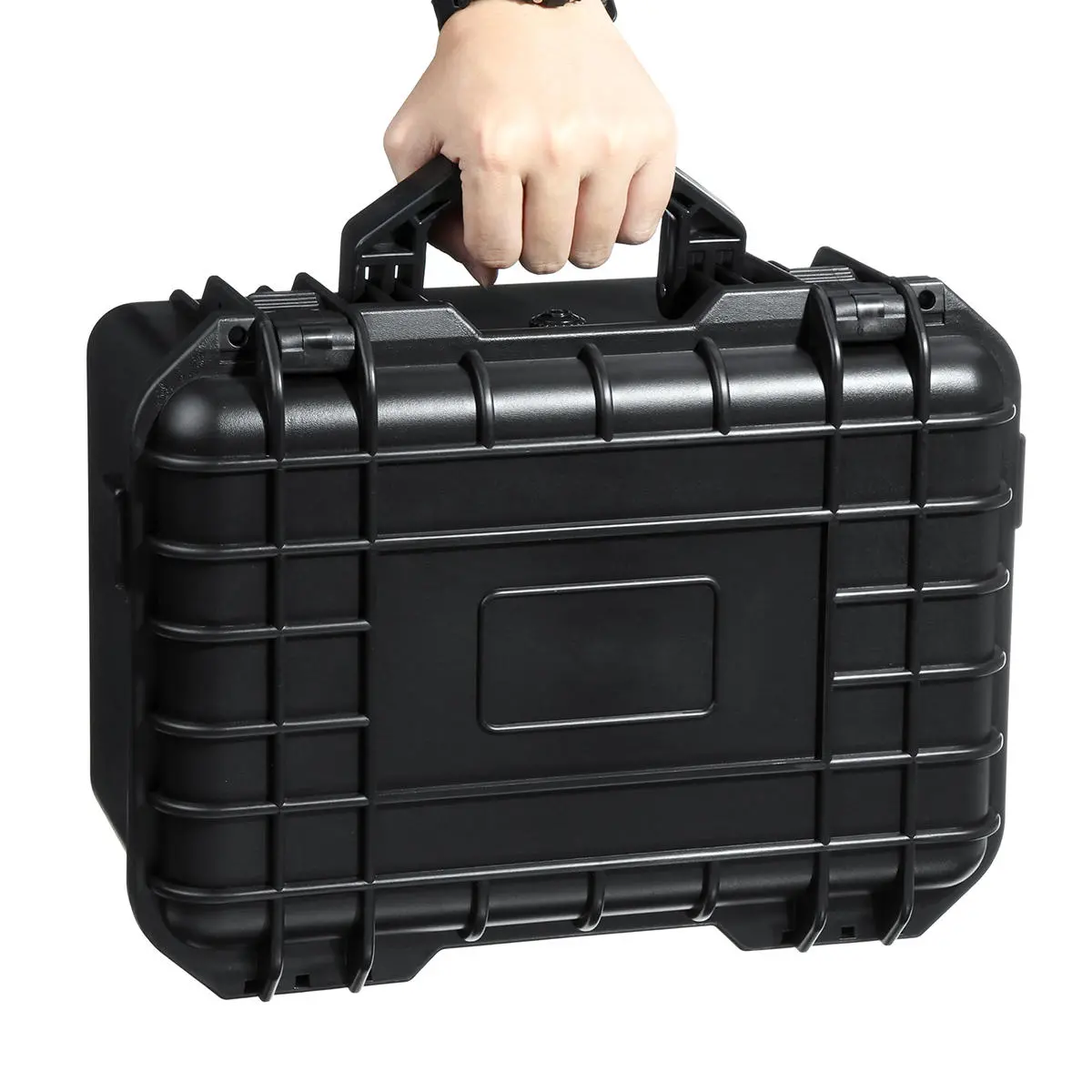
For every musician, from the weekend hobbyist to the touring professional, protecting your valuable instrument is non-negotiable. An instrument storage bag is far more than a simple carrier; it's your first line of defense against the bumps, drops, and unpredictable elements encountered during travel and storage. Moving beyond flimsy gig bags or cumbersome hard cases, today's storage solutions offer a perfect blend of robust protection, intelligent organization, and professional portability. The right bag safeguards your investment and provides peace of mind, allowing you to focus on your performance. Key products in this category span all instrument families. For string players, contoured guitar and bass bags feature thick padding, reinforced straps, and accessory pockets for cables and tuners. Violin and viola bags often include suspension systems and bow holders. Woodwind and brass players benefit from compact yet heavily padded bags with dedicated slots for each component—like flute, clarinet, or saxophone bags—preventing internal collisions. Universal options include deep rectangular bags for smaller gear like pedals, microphones, and cables, featuring customizable compartments. The core benefits are universal: superior padding (often high-density foam) absorbs shock, while durable, water-resistant exterior materials like ballistic nylon or polyester guard against rain and abrasion. Thoughtful ergonomics, such as padded backpack straps, reinforced handles, and balanced weight distribution, make carrying heavy gear over long distances manageable. Ample storage, with multiple exterior and interior pockets, ensures all your essentials—sheet music, stands, rosin, reeds—are organized and accessible. Investing in a quality instrument storage bag is investing in the longevity and performance-ready condition of your musical tools.
**Choosing the Right Instrument Storage Bag: A Quick Guide**
**1. Fit is Paramount:** Always choose a bag specifically designed for your instrument's make and model. A snug, contoured fit prevents the instrument from shifting, which is crucial for protection.
**2. Assess Your Needs:** Consider your lifestyle. A lightly padded sleeve is fine for home storage, but commuting or gigging demands heavy padding, durable exteriors, and comfortable straps (preferably backpack style).
**3. Padding & Protection:** Look for thick, high-density foam padding at a minimum. For maximum security, consider bags with reinforced edges, rigid frames, or even hybrid semi-hard construction.
**4. Examine Features:** Prioritize strong zippers, sturdy stitching, and ample pocketing. Weather resistance is key for outdoor use. Internal tie-downs or accessory hooks add valuable organization.
**FAQ: Do I need a hard case instead?** Hard cases offer supreme crush protection for air travel. However, for daily use, a high-quality padded bag provides excellent protection, is lighter, more comfortable to carry, and often includes more storage. For most musicians, a premium padded bag is the ideal all-rounder for rehearsals, lessons, and local gigs.