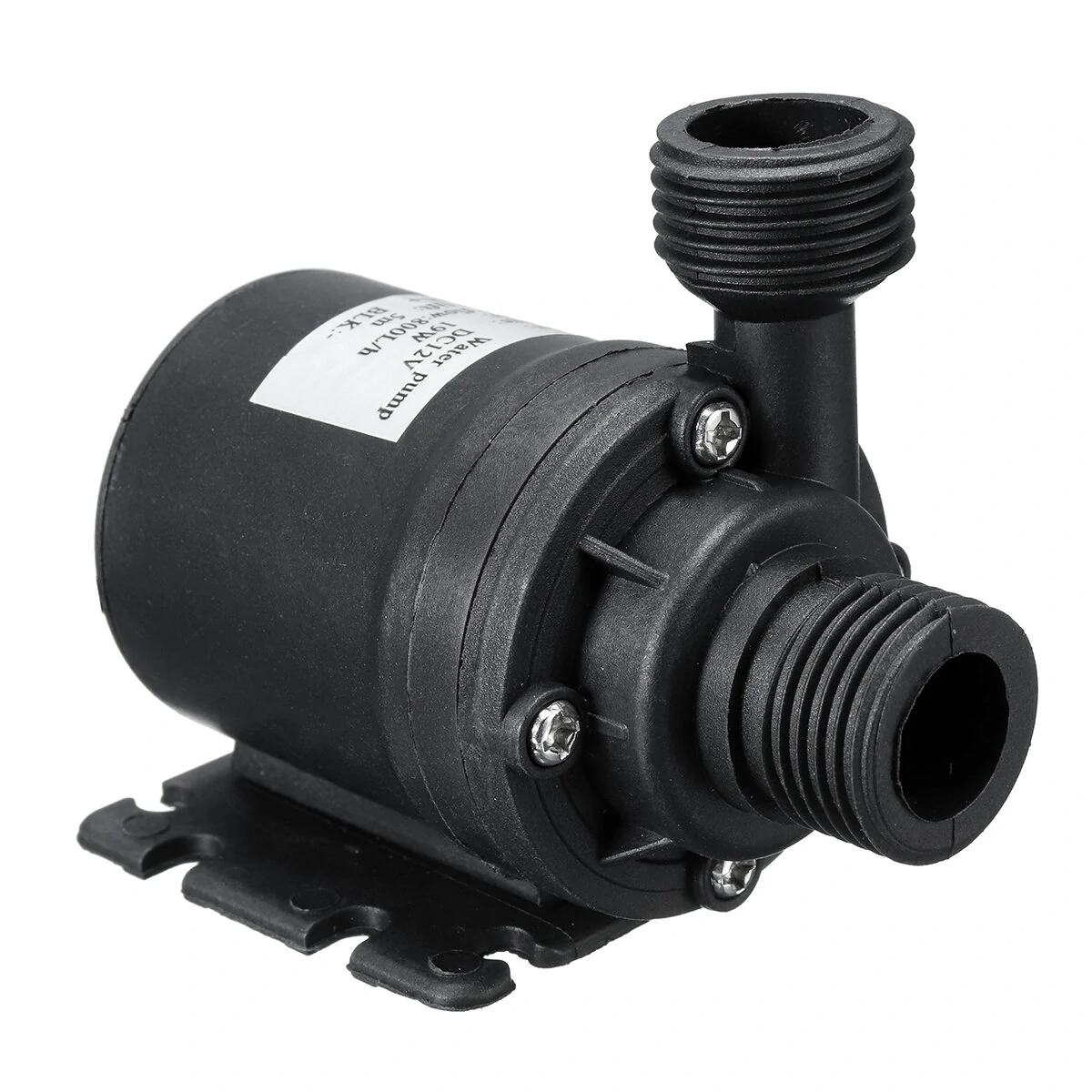
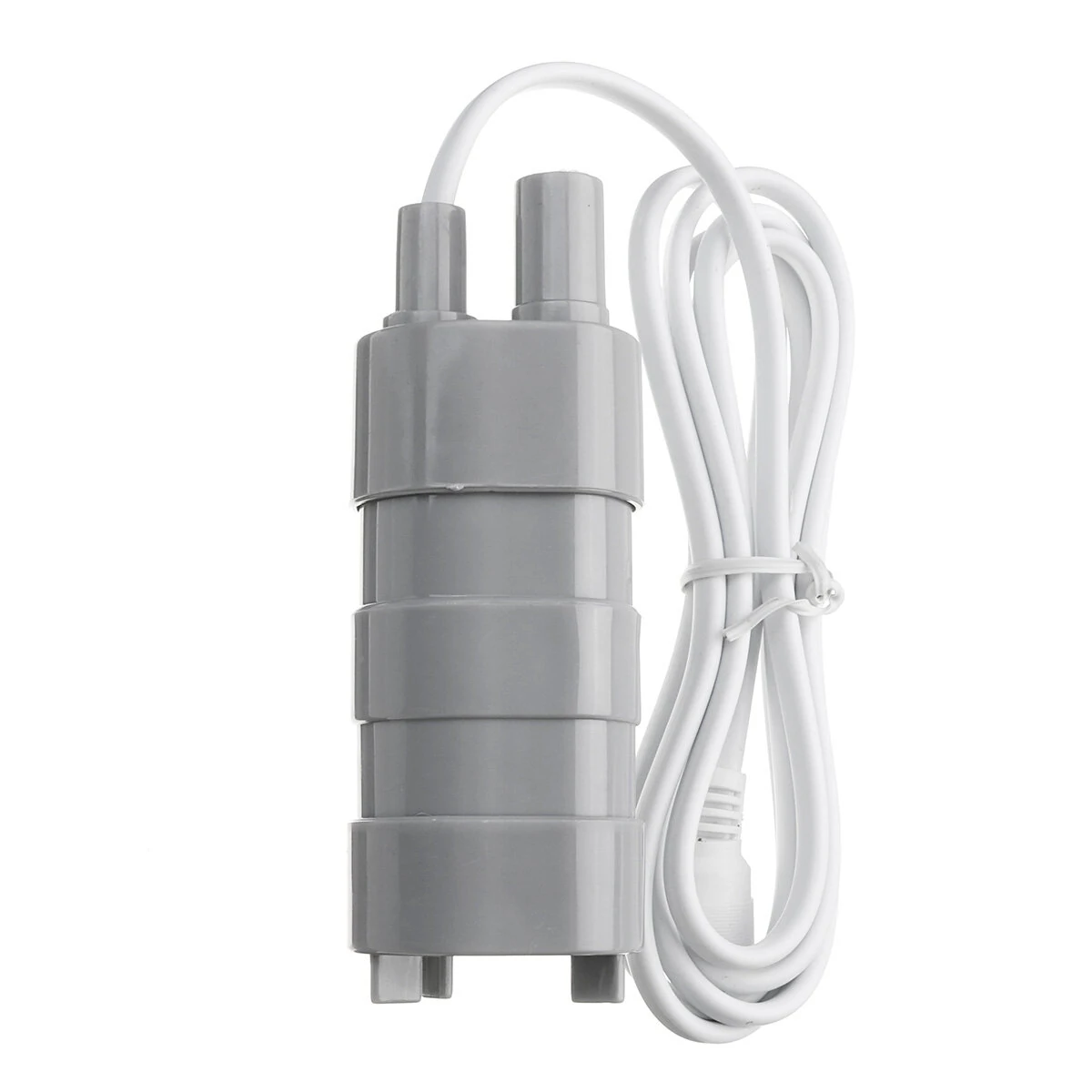
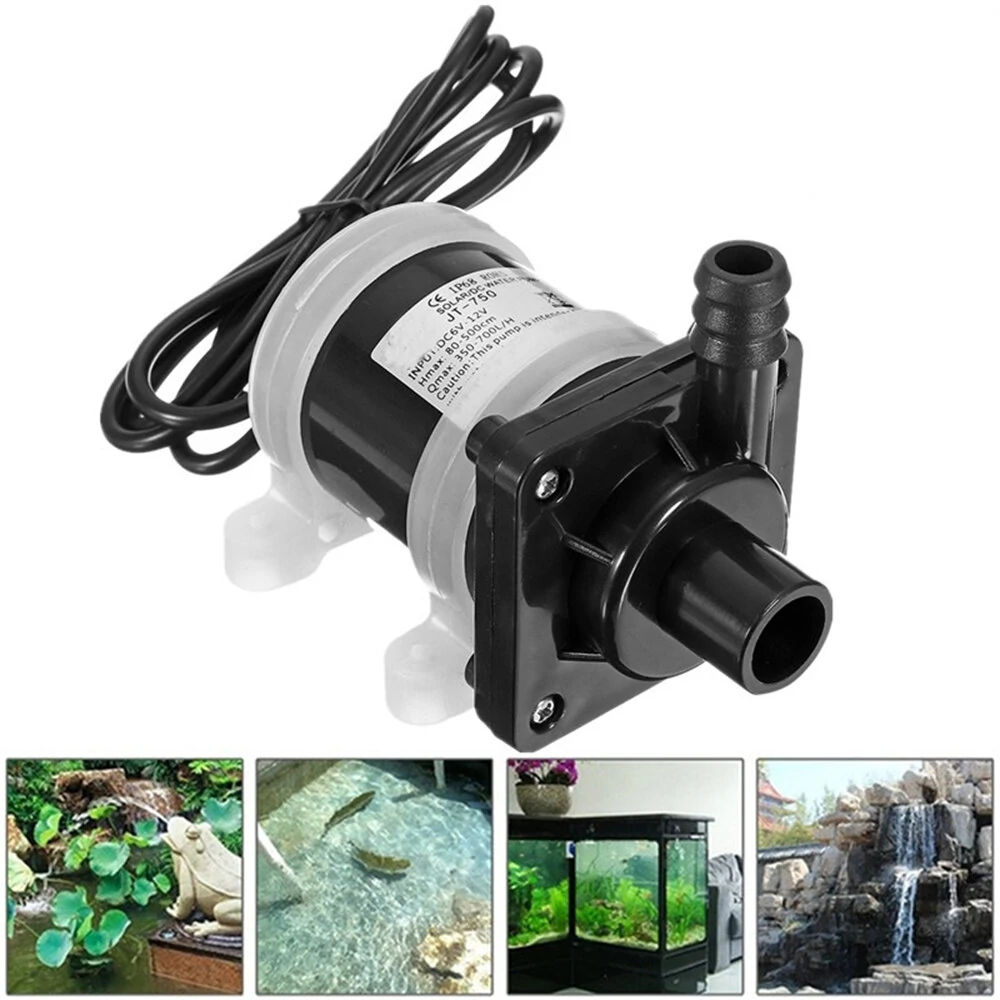
Water pumps are the unsung heroes of modern living, essential for moving water from one place to another for countless residential, agricultural, and industrial applications. Whether you're managing a household emergency, irrigating a garden, supplying a remote property, or handling construction site dewatering, the right water pump provides a reliable and efficient solution. This category encompasses a diverse range of pumps designed for specific tasks, ensuring you can find the ideal model for your water transfer needs.
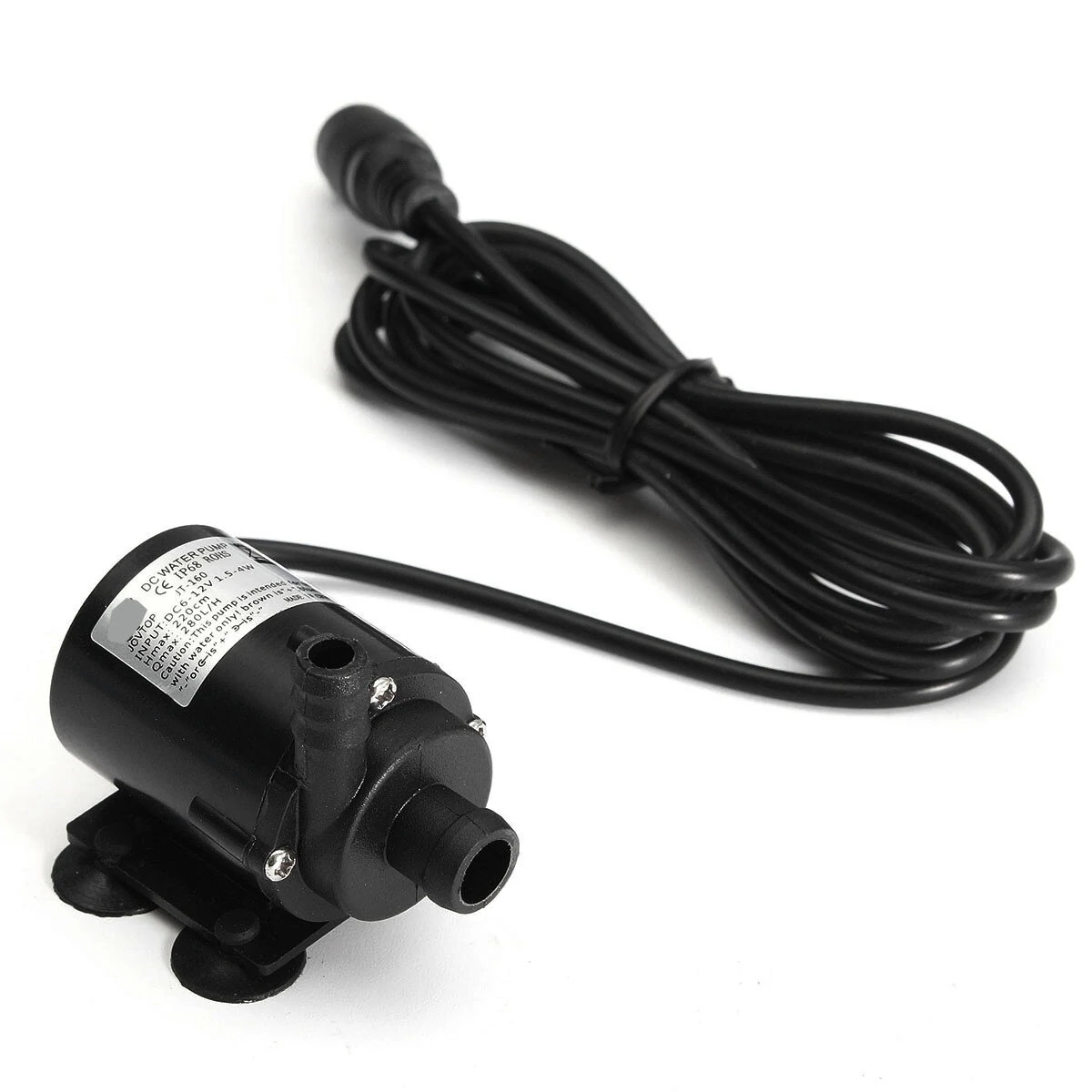
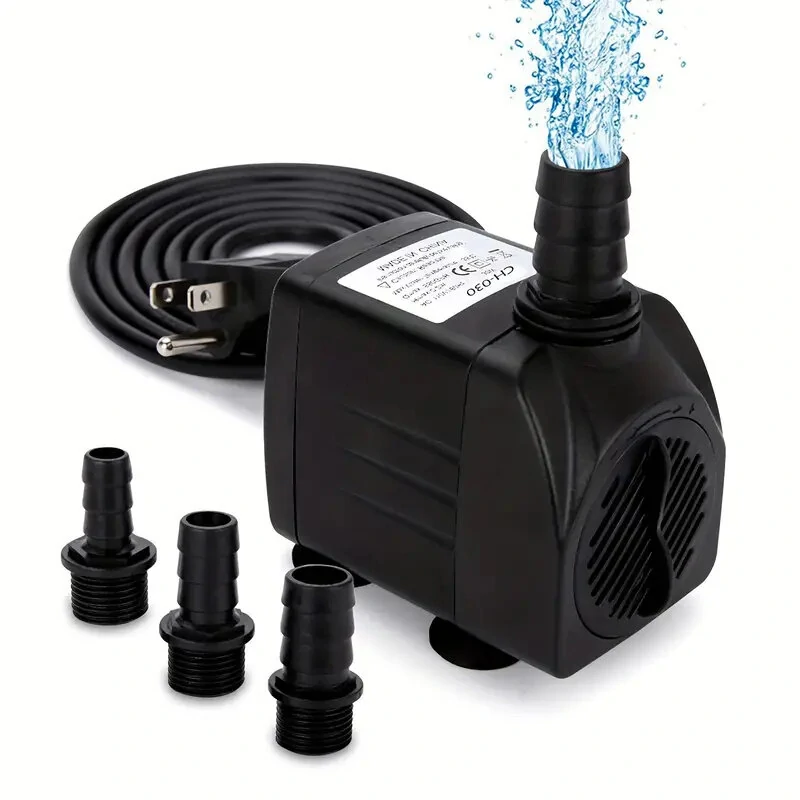
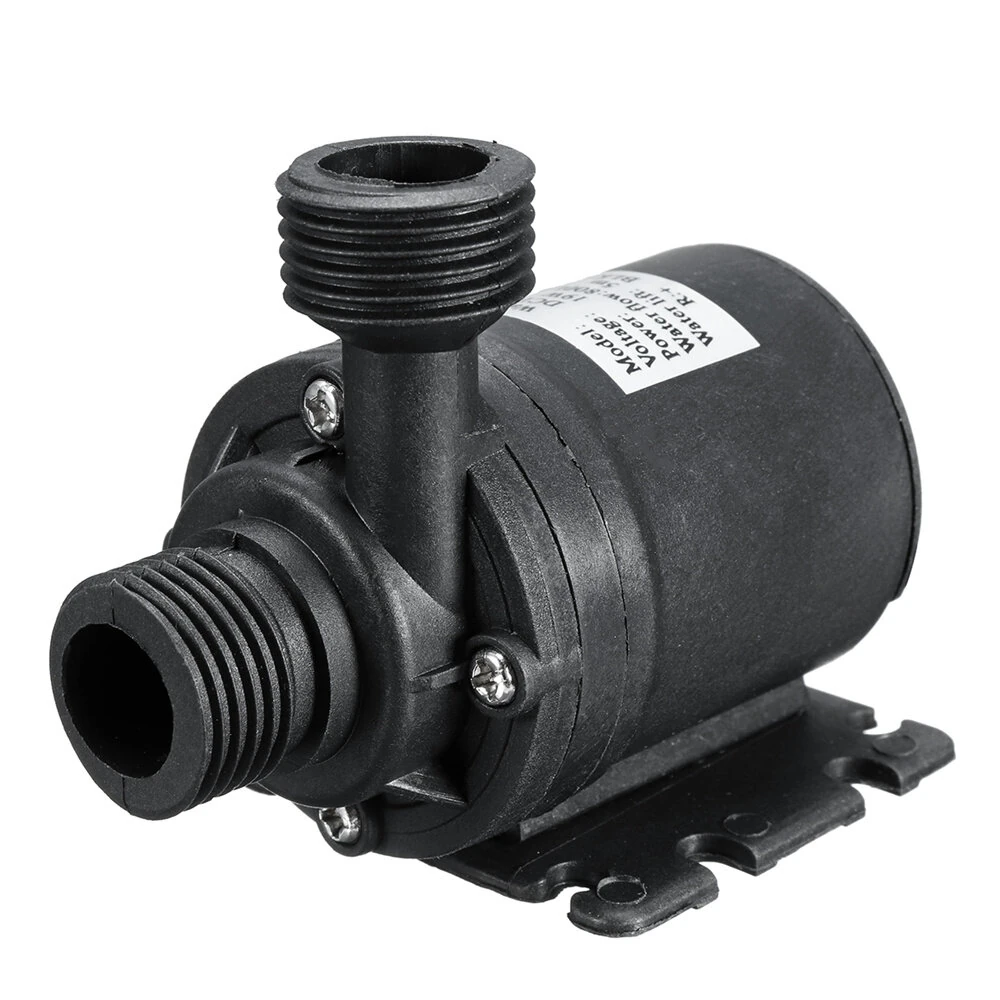
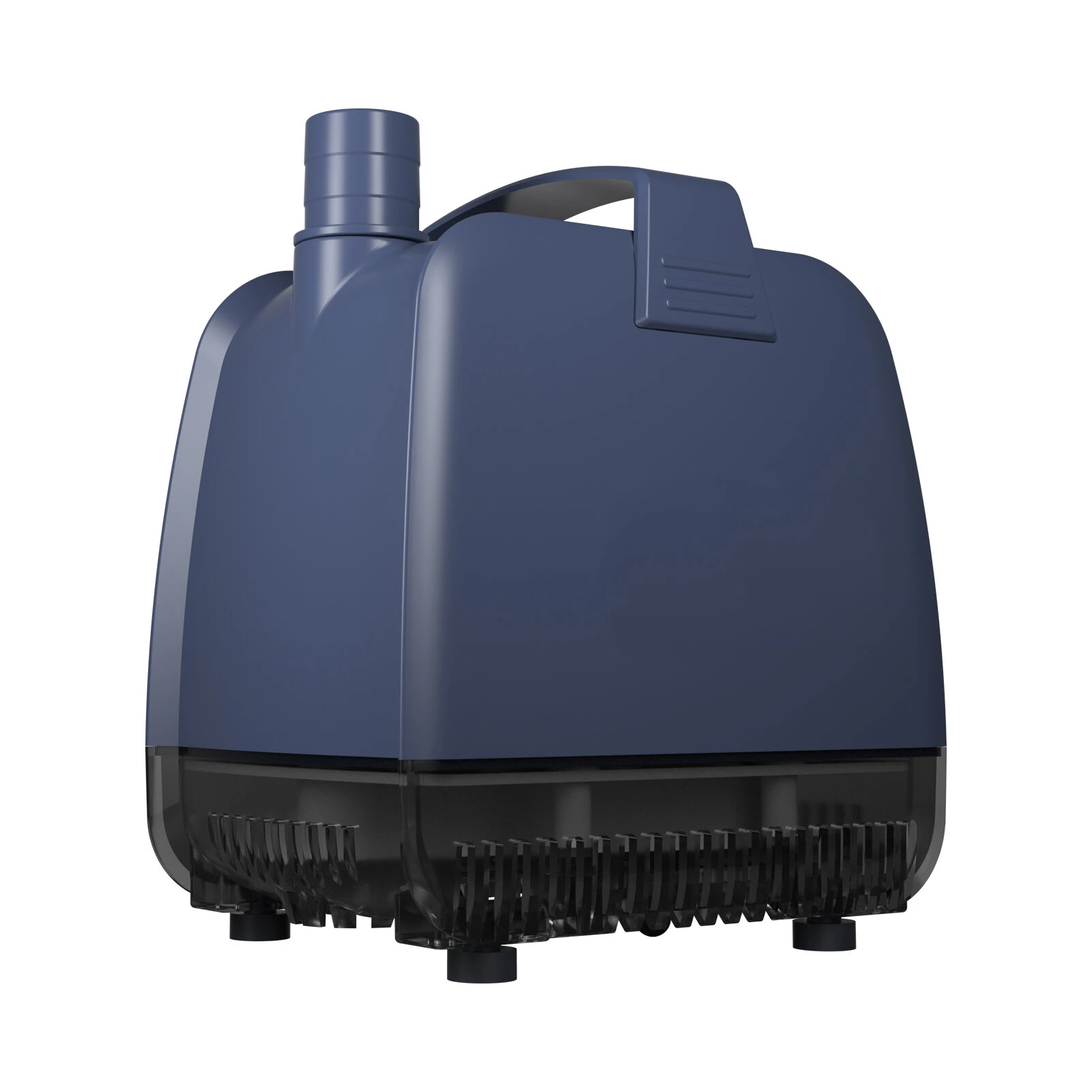
Key product types include submersible pumps, which operate underwater and are perfect for draining flooded basements, pools, or ponds. Centrifugal pumps, often used above ground, are excellent for transferring clean water for irrigation, boosting household water pressure, or supplying livestock. For home protection, sump pumps are installed in basements to automatically remove accumulated groundwater and prevent costly flooding. Meanwhile, utility pumps offer versatile, portable power for general-purpose draining and transfer.
The benefits of investing in a quality water pump are substantial. They provide autonomy from fixed water sources, enhance property protection against water damage, support agricultural and landscaping projects, and ensure continuous water supply for off-grid living or emergency preparedness. Modern pumps are engineered for energy efficiency, durability, and ease of use, with features like automatic shut-off, thermal overload protection, and corrosion-resistant materials. Understanding the flow rate (GPM), head height (lift), and the type of water (clean, dirty, or chemical-laden) you need to move is the first step in selecting a pump that delivers performance, reliability, and long-term value for your specific situation.
Choosing the right water pump requires considering a few key factors. First, identify the water source: Is it clean water from a well or tank, or dirty water containing debris, mud, or solids? Submersible trash pumps handle solids, while centrifugal pumps are best for clean water. Second, determine the required flow rate (gallons per minute) and total dynamic head (the vertical lift plus friction loss from hose length). A pump must be powerful enough to overcome these. Third, consider power sources: electric pumps (corded or battery) are common for homes, while gas/diesel models offer portability for remote sites.
FAQ: How do I maintain my water pump? Always follow the manufacturer's manual. General tips include running clean water through it after pumping dirty water, checking and cleaning the intake screen, storing it dry and protected from freezing, and inspecting seals and cords for damage. Do I need a submersible or surface pump? Use a submersible pump for applications where the pump can be placed in the water, like deep wells or flooded areas. Choose a surface pump for drawing water from a shallow source or for applications where the pump must stay dry. What's the difference between a sump pump and a utility pump? A sump pump is permanently installed in a sump basin and activates automatically via a float switch to prevent basement flooding. A utility pump is a portable, general-purpose pump for temporary draining tasks like emptying pools or tanks. By answering these questions, you can confidently select a water pump that ensures efficiency, durability, and peace of mind for years to come.