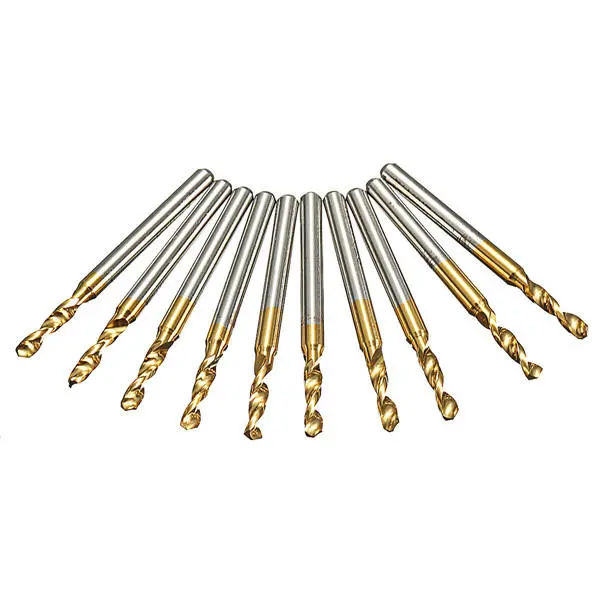
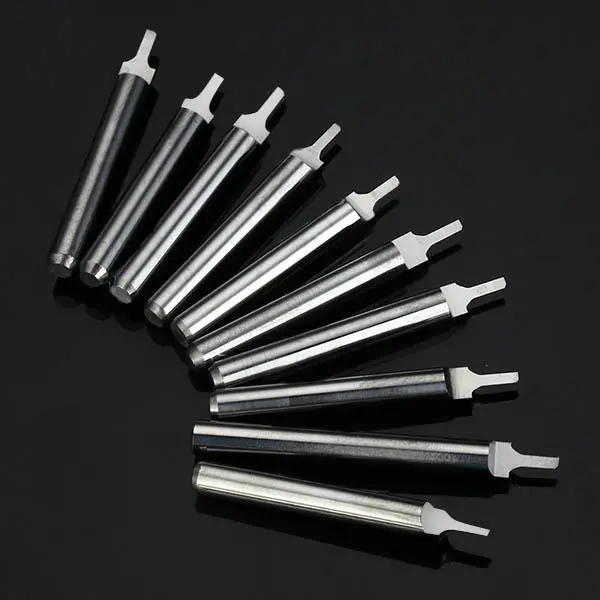
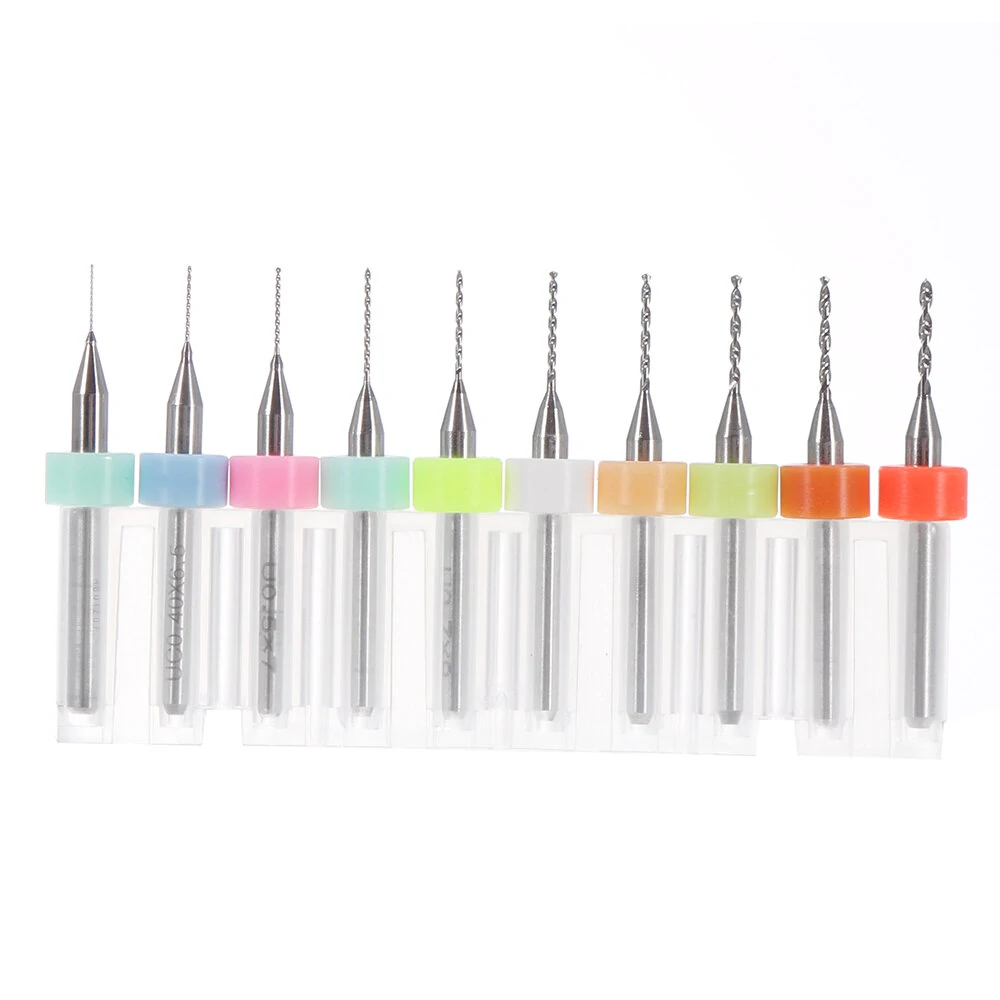
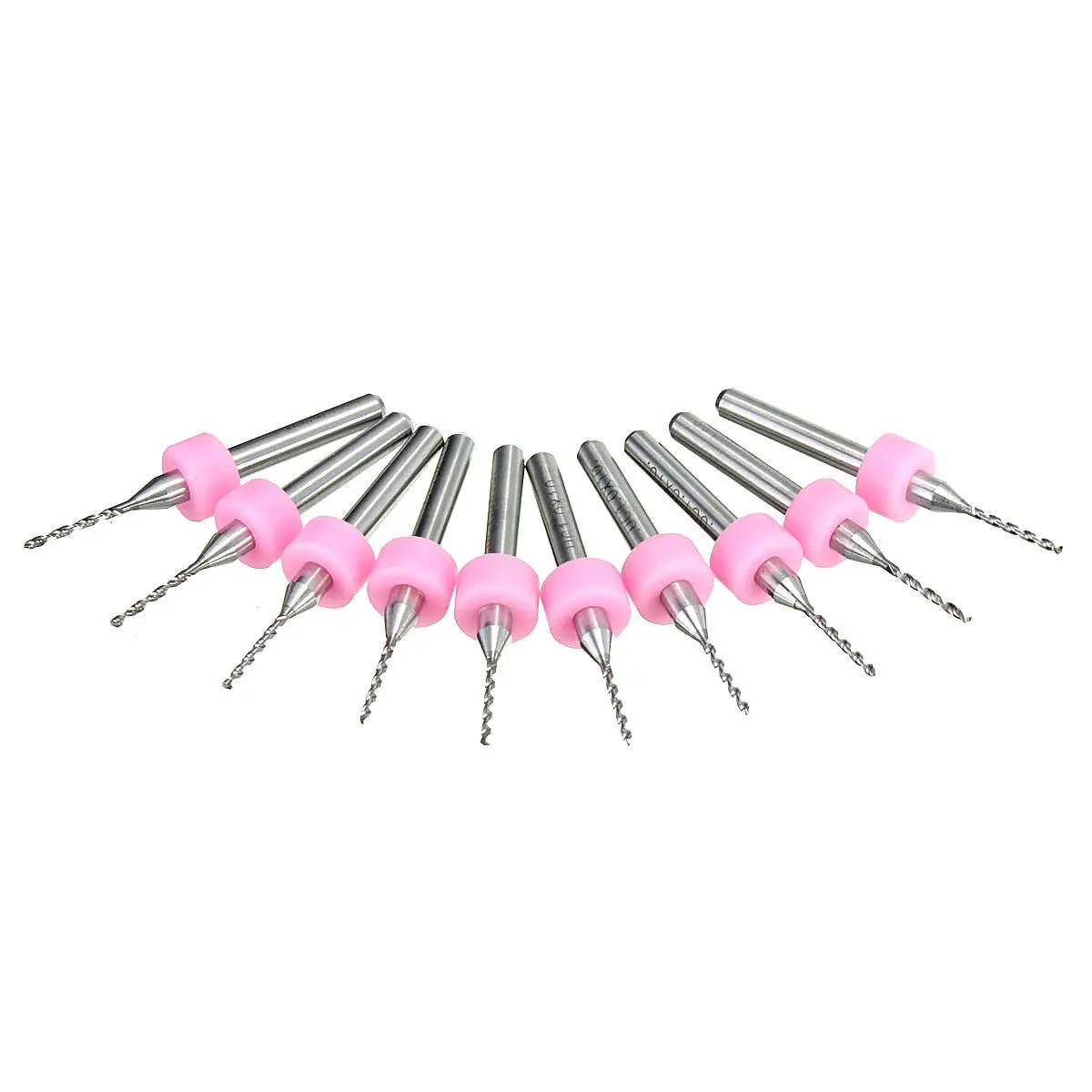
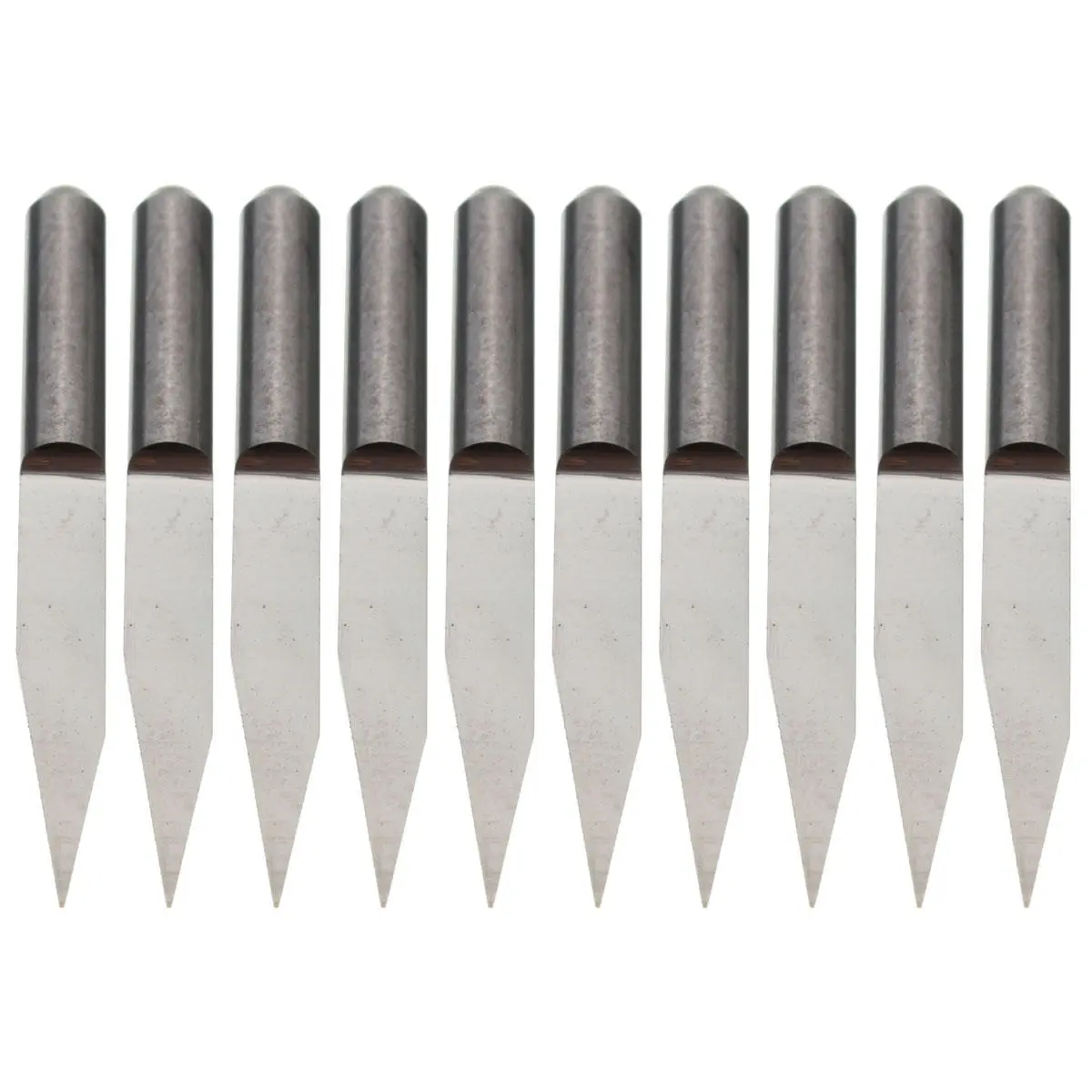
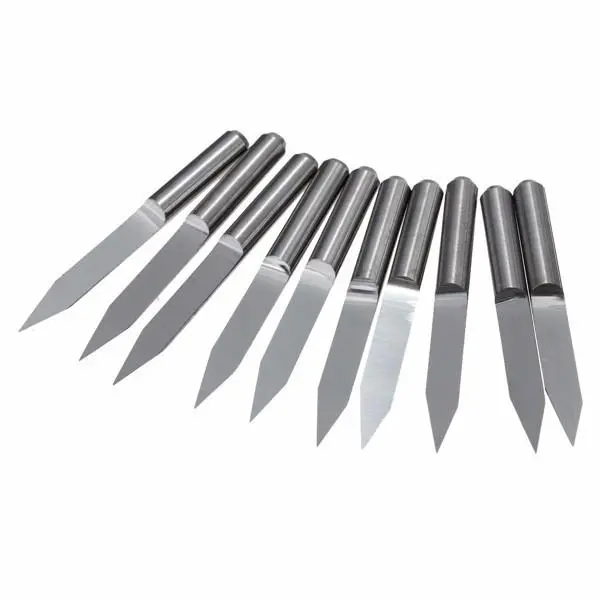
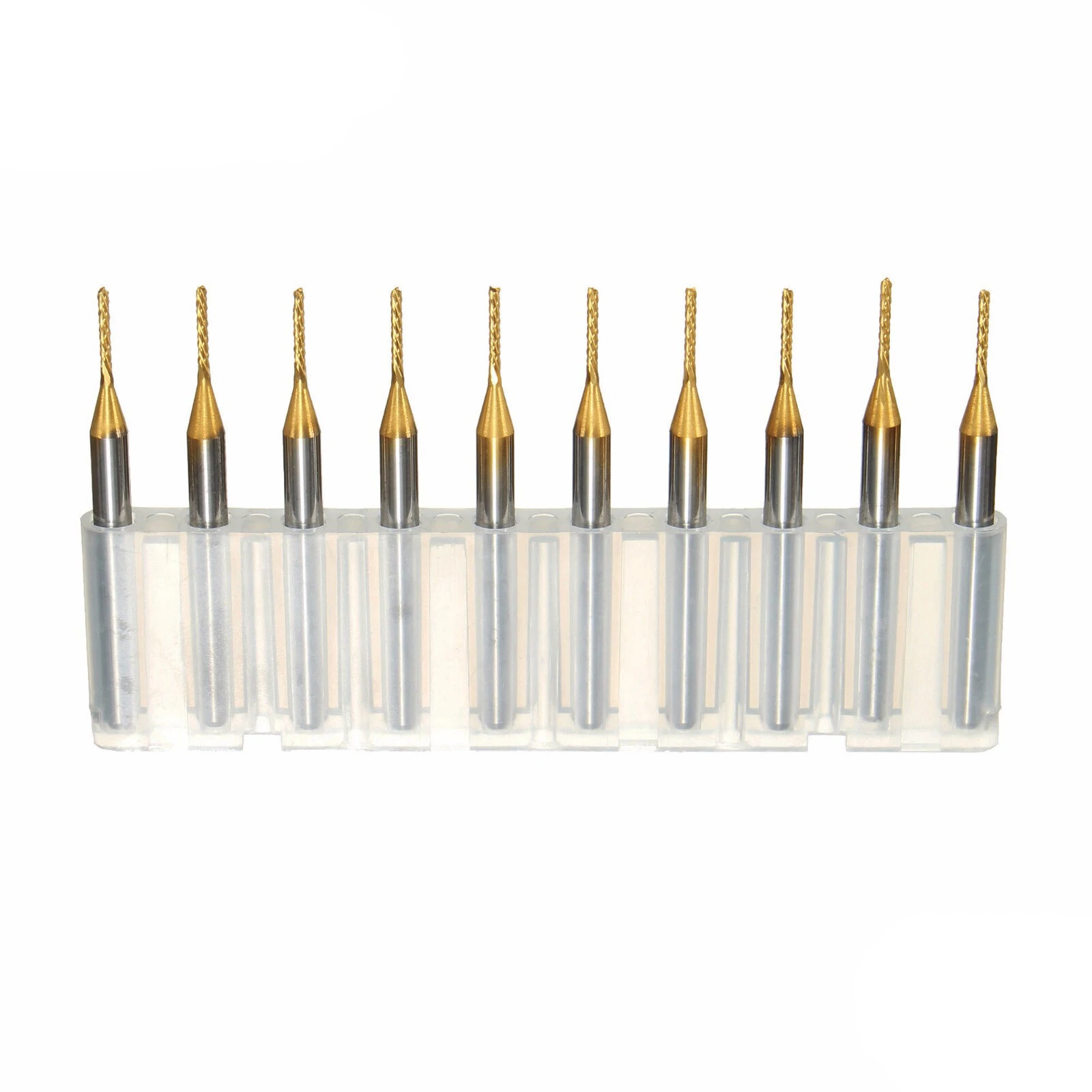
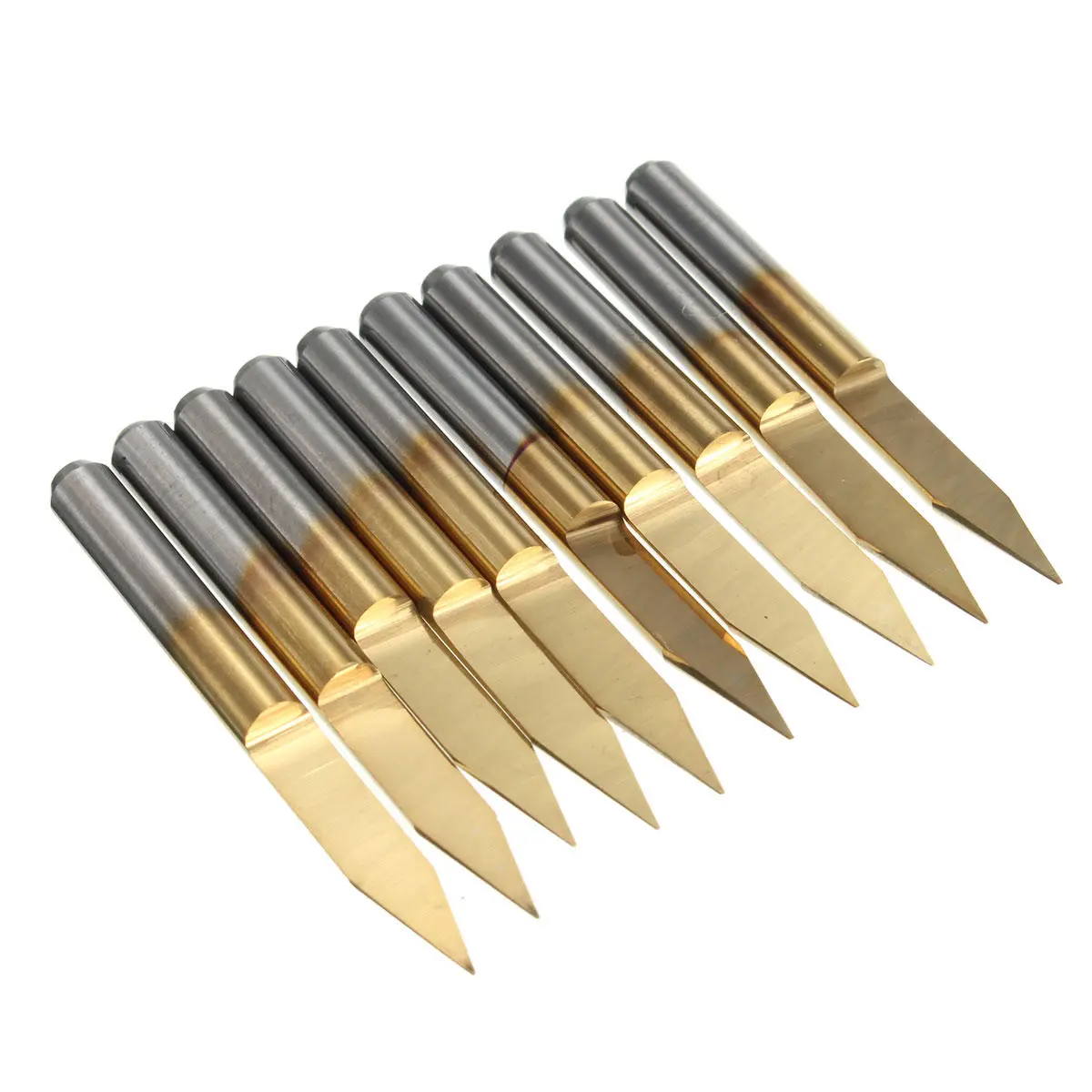
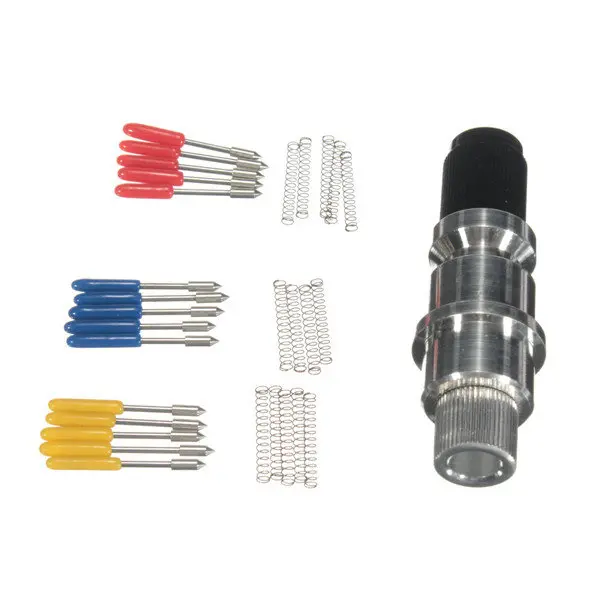
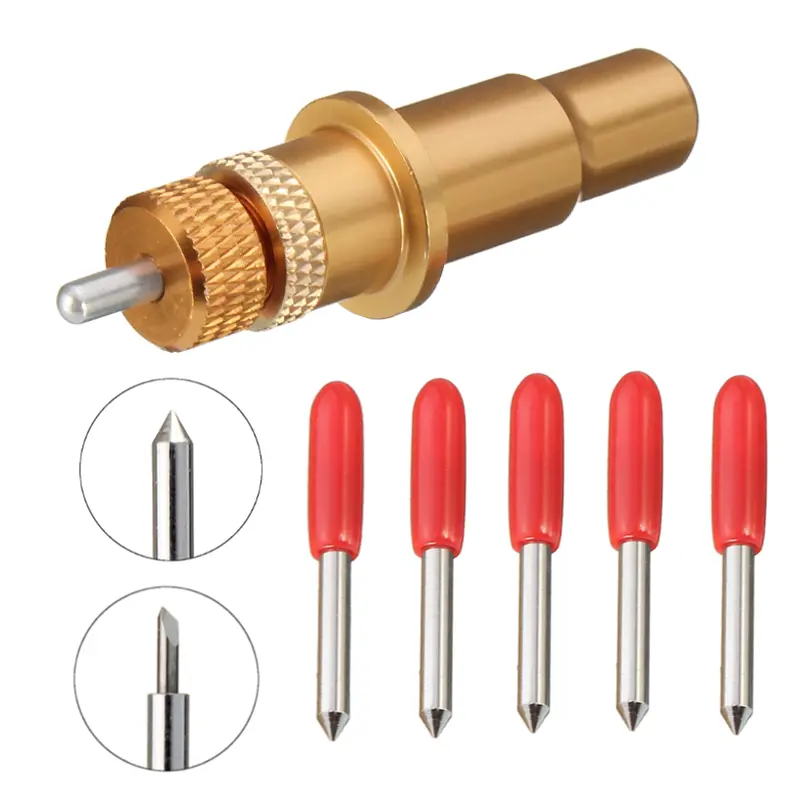
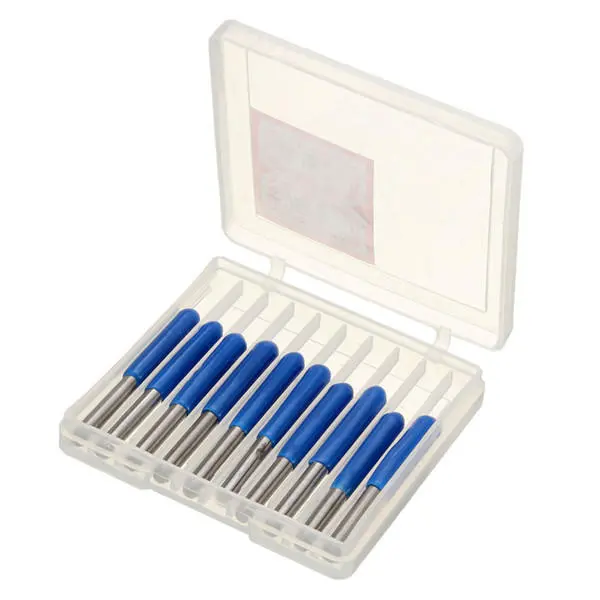
PCB drills are the unsung heroes of electronics manufacturing, enabling the creation of the precise via holes and through-holes that form the nervous system of every circuit board. Unlike standard drill bits, these specialized tools are engineered for extreme precision, minimal runout, and exceptional durability when working with abrasive materials like FR-4 fiberglass, ceramics, and metal-clad laminates. The core of this category is the solid carbide PCB drill bit, renowned for its rigidity and ability to maintain a sharp cutting edge through thousands of holes at diameters as small as 0.1mm. For hobbyists, engineers, and professional fabricators alike, selecting the right PCB drill is critical for achieving clean, burr-free holes with excellent wall quality, which is essential for reliable plating and component soldering.
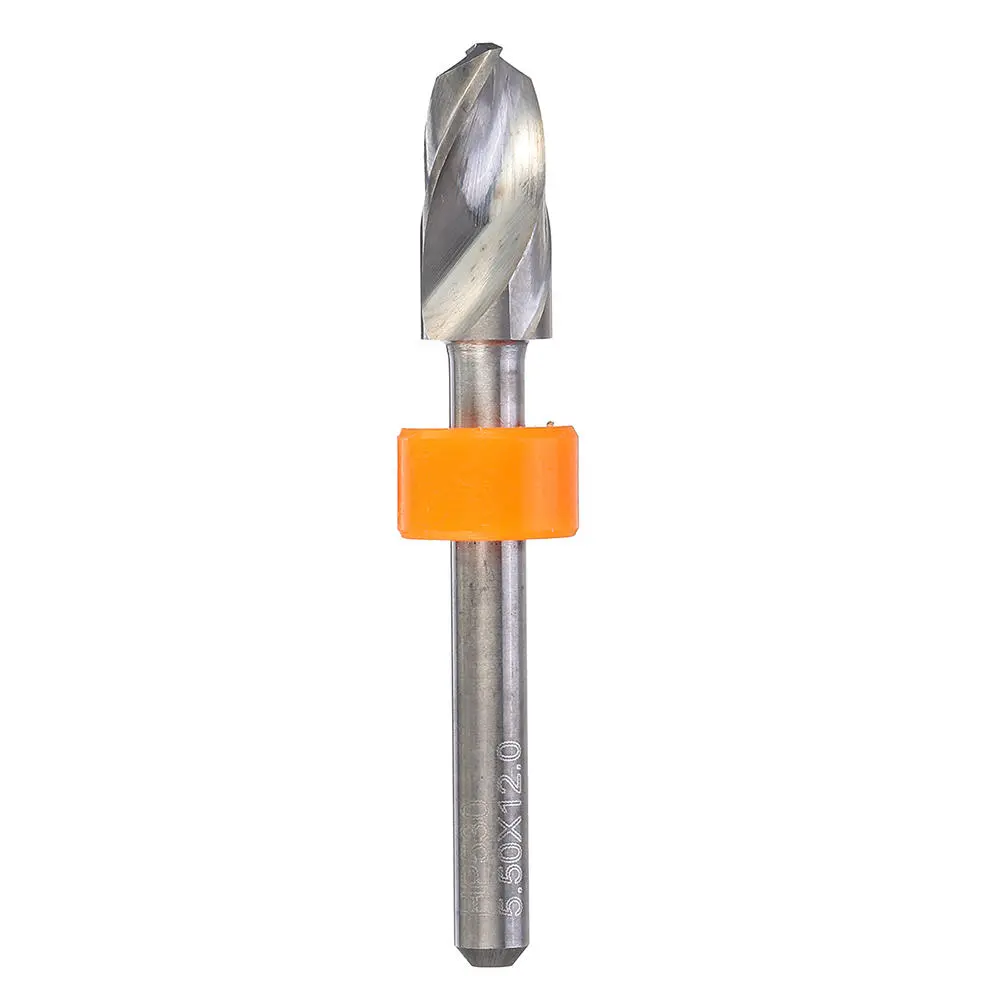
Key products in this category include standard jobber-length carbide bits for manual and benchtop drilling, stub-length bits optimized for lower vibration in CNC spindle machines, and diamond-coated drills for challenging materials like aluminum oxide or PTFE-based substrates. The benefits of using purpose-built PCB drills are substantial. They drastically reduce breakout and delamination, improve hole positional accuracy, and extend tool life, thereby lowering production costs and improving yield. For prototyping, a set of common sizes (like 0.8mm, 1.0mm, and 1.2mm) is indispensable. For volume production, drills are managed as consumables, with rigorous attention to parameters like flute geometry, point angle, and coating—all designed to efficiently evacuate chips and dissipate heat, preventing the dreaded 'glazing' of the board material that can ruin a panel.
Choosing the correct PCB drill requires attention to several key factors. First, match the drill material to your application: solid carbide is the standard for most PCBs, while diamond-coated options handle abrasive composites. Second, consider the shank type; most CNC machines use straight shanks, while some manual tools may require a reduced-shank design. Crucially, always select the drill diameter based on your finished hole requirement, accounting for any subsequent plating processes that will reduce the final hole size. A common FAQ is about drill life: signs of wear include increased drilling force, resin smear at the hole entrance, and rough hole walls. Proper feed and speed rates, as recommended by the manufacturer, are vital for maximizing bit life. For buyers, it's advisable to source drills from reputable suppliers who provide exact sizing and tolerancing data. Whether you're assembling a starter kit for home labs or sourcing for a production floor, investing in high-quality PCB drills is a direct investment in the reliability and performance of your electronic assemblies.