A countersink drill bit is an essential tool for any craftsman, woodworker, or DIY enthusiast aiming for a clean, professional finish. Its primary function is to create a conical recess that allows the head of a screw or bolt to sit flush with or below the surface of the material. This not only enhances the visual appeal of your project by eliminating protruding screw heads but also improves safety by removing sharp edges and prevents the material from splitting around the fastener. The result is a seamless, polished look that distinguishes amateur work from expert craftsmanship.
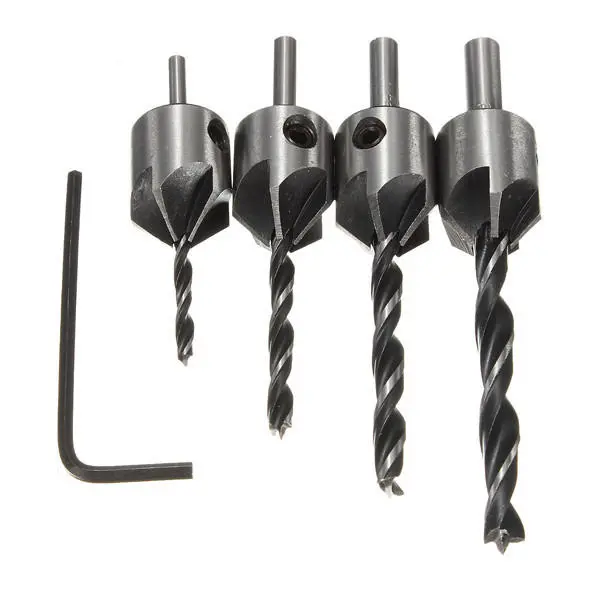
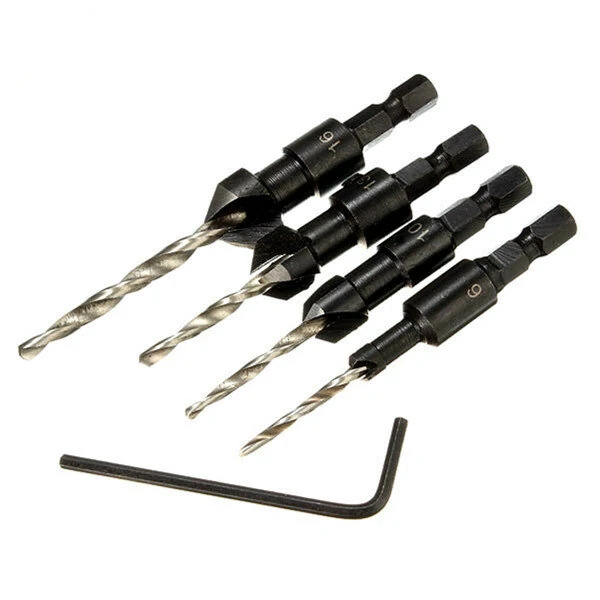
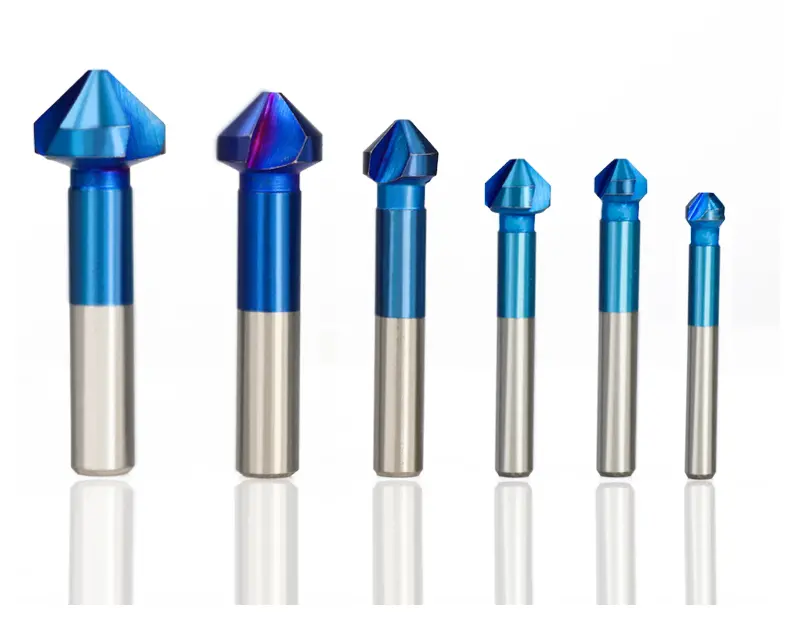
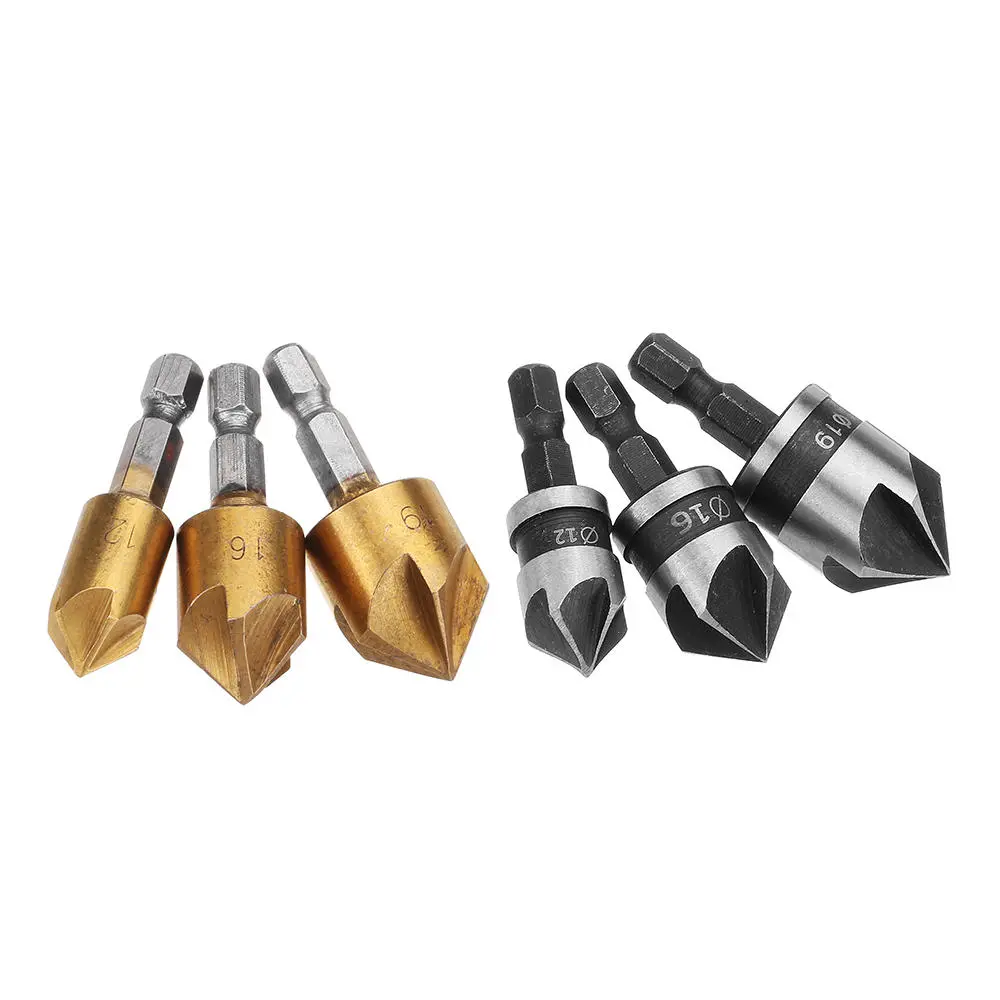
Countersink bits come in various designs to suit different applications. The most common types include single-flute and multi-flute bits, which are excellent for clean cuts in wood and softer materials. For more demanding tasks, carbide-tipped countersinks offer superior durability and longevity, especially when working with hardwoods, metals, or composites. Many users favor combination drill bits, which integrate a pilot hole drill, a countersink, and sometimes a counterbore into one tool. This ingenious design allows you to perform multiple steps in a single operation, saving significant time and ensuring perfect alignment every time.
Key benefits of using a dedicated countersink bit include achieving a consistent angle (typically 82° or 90° for flat-head screws), reducing tear-out in delicate materials, and enabling proper seating for wood plugs to conceal fasteners entirely. Whether you're building furniture, installing cabinetry, or working on metal fabrication for deburring holes, a quality countersink bit is indispensable for a flawless final product.
**Buying Guide & FAQ**
**What to Look For:** Choose a bit material suited to your tasks: high-speed steel (HSS) for general woodworking, and carbide-tipped for hard materials. Consider the included angle (82° is standard for many screws). For efficiency, a combination pilot/countersink bit is highly recommended. Sets with multiple sizes offer great versatility.
**FAQ:**
**Q: Can I use a regular drill bit as a countersink?**
A: It's not recommended. A dedicated countersink bit has the correct angle and cutting edges to create a clean, consistent recess without chatter or damage.
**Q: What's the difference between a countersink and a counterbore?**
A: A countersink makes a conical seat for flat-head screws. A counterbore creates a cylindrical recess for socket-head screws or to fit a wood plug, often requiring a separate tool.
**Q: How do I prevent tear-out when countersinking wood?**
A: Use sharp bits, secure the workpiece, and for very soft woods, consider a bit with multiple flutes or a slower drill speed. Drilling in a controlled manner is key.
Investing in the right countersink bit streamlines your workflow and guarantees a professional, flush finish on every project.
.jpg.webp)
.jpg.webp)
.jpg.webp)
.jpg.webp)
.jpg.webp)
