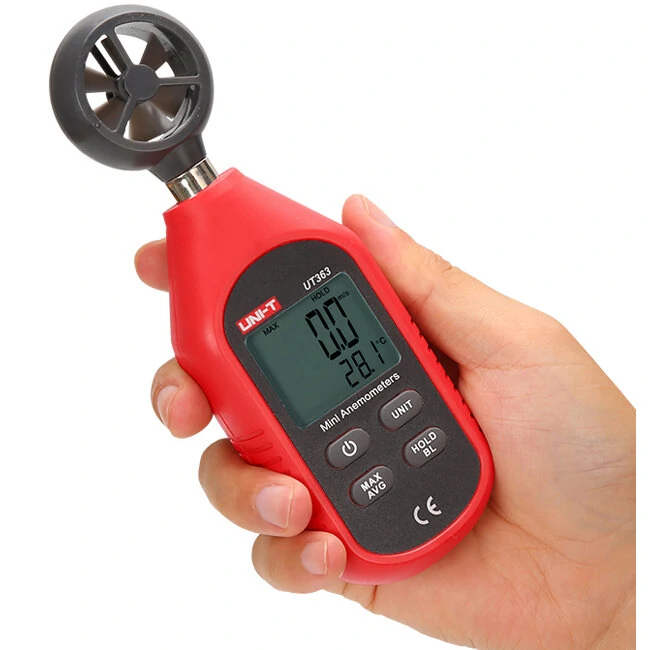
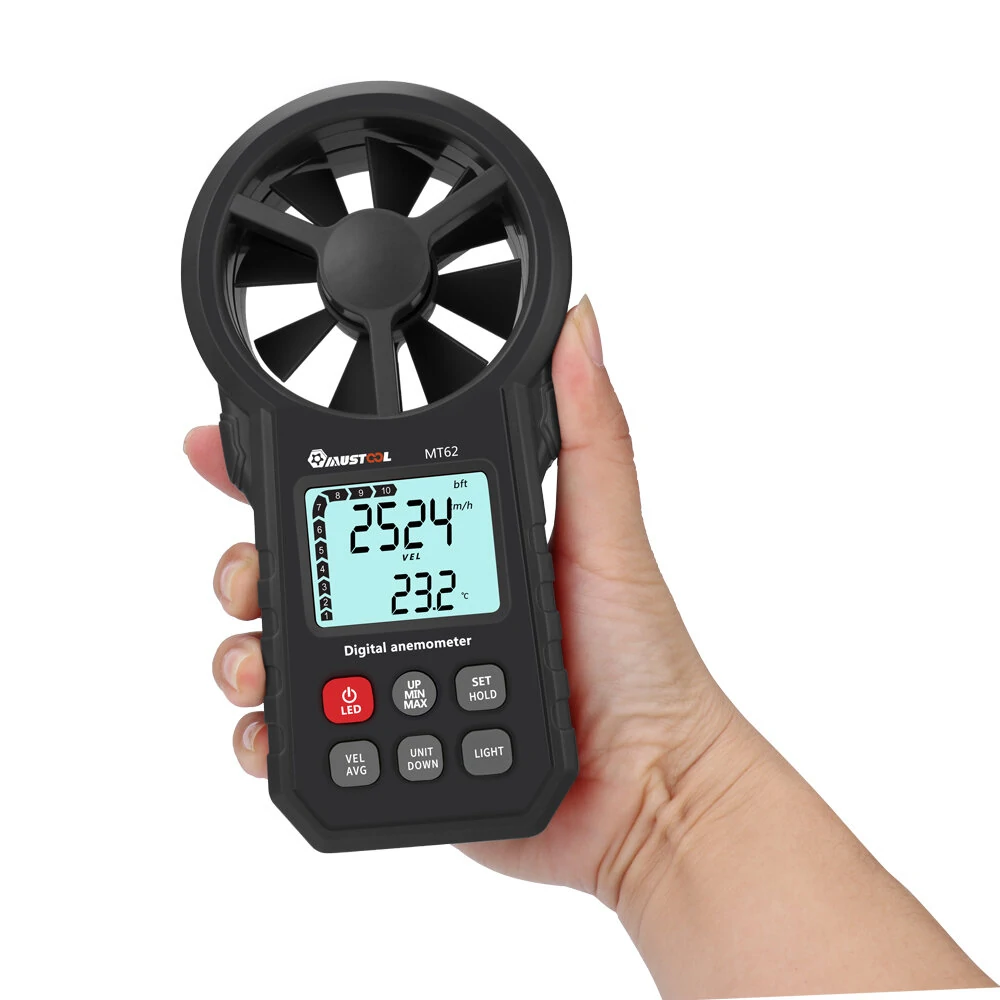
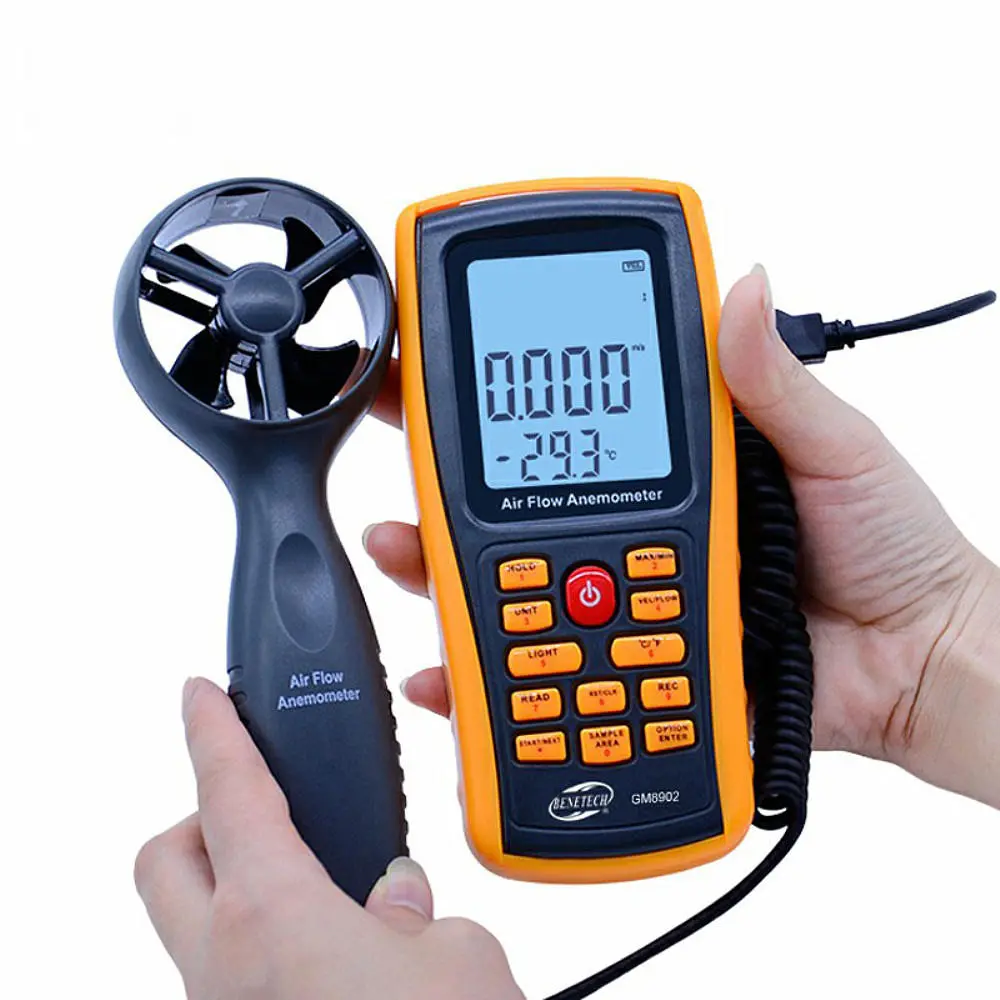
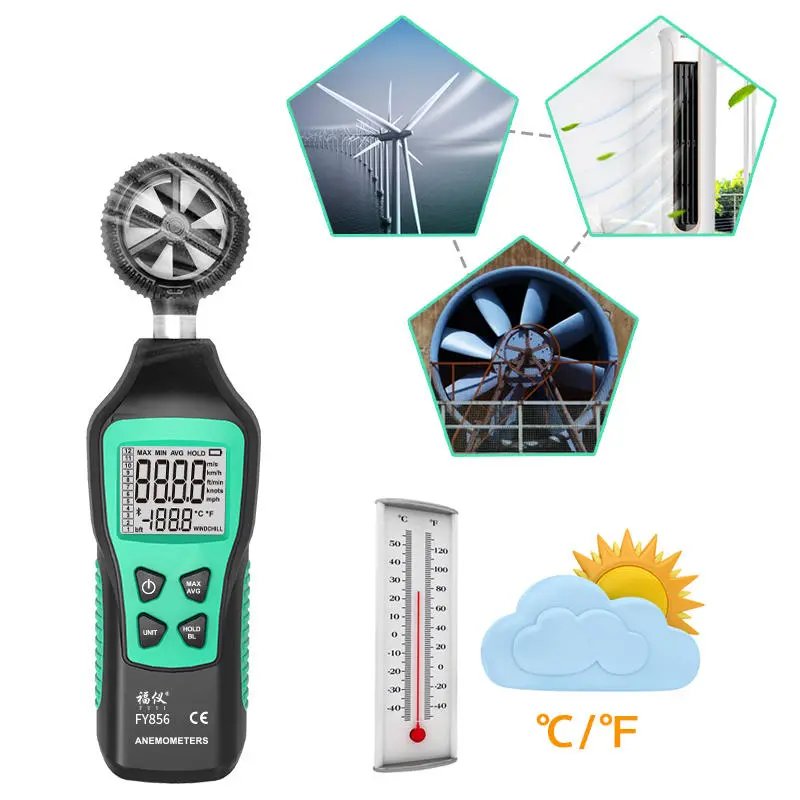
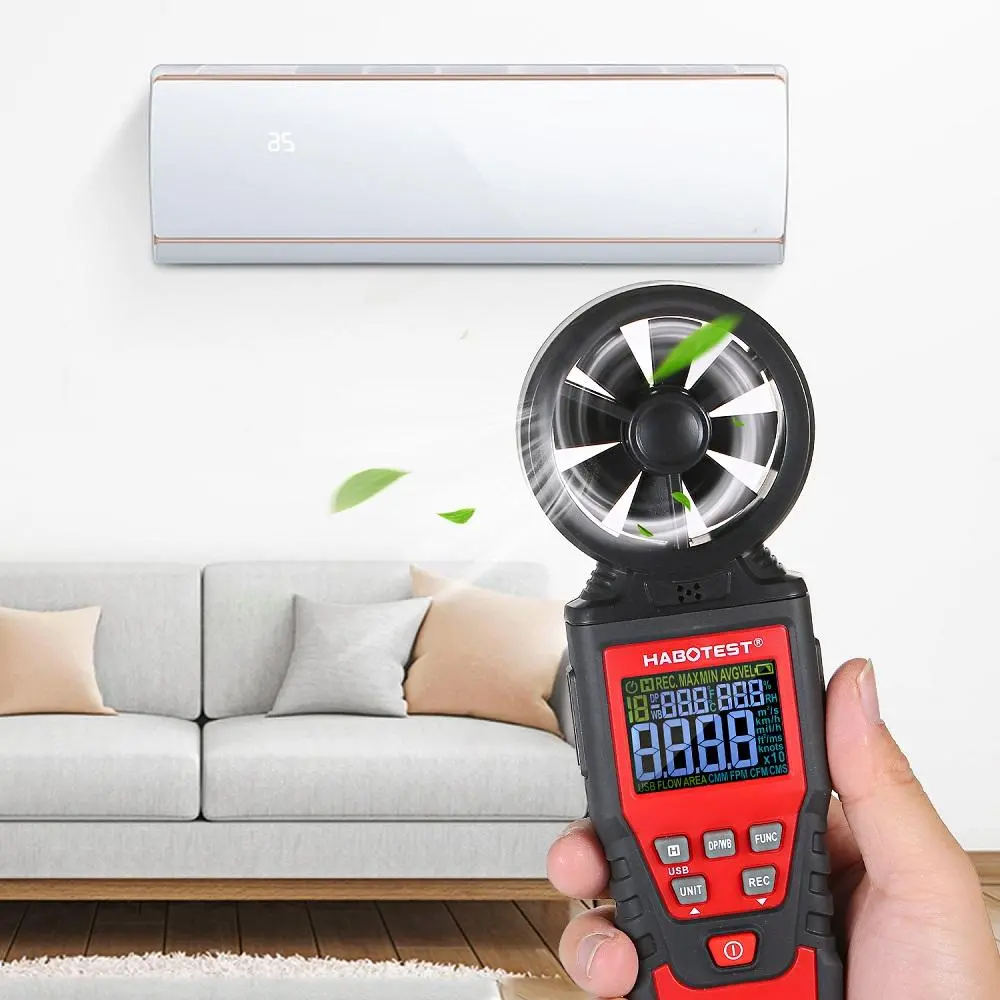
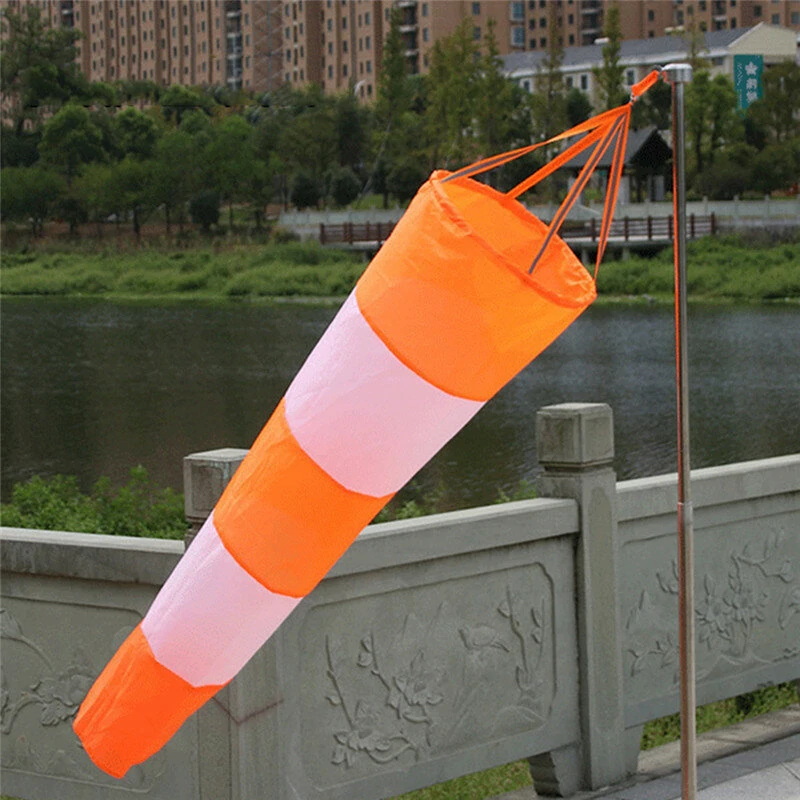
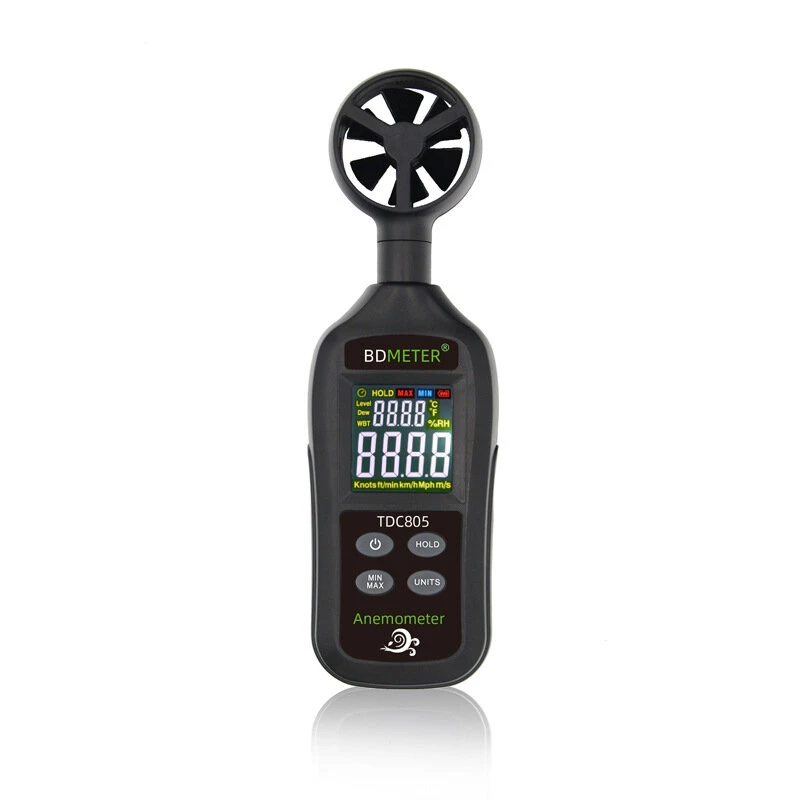
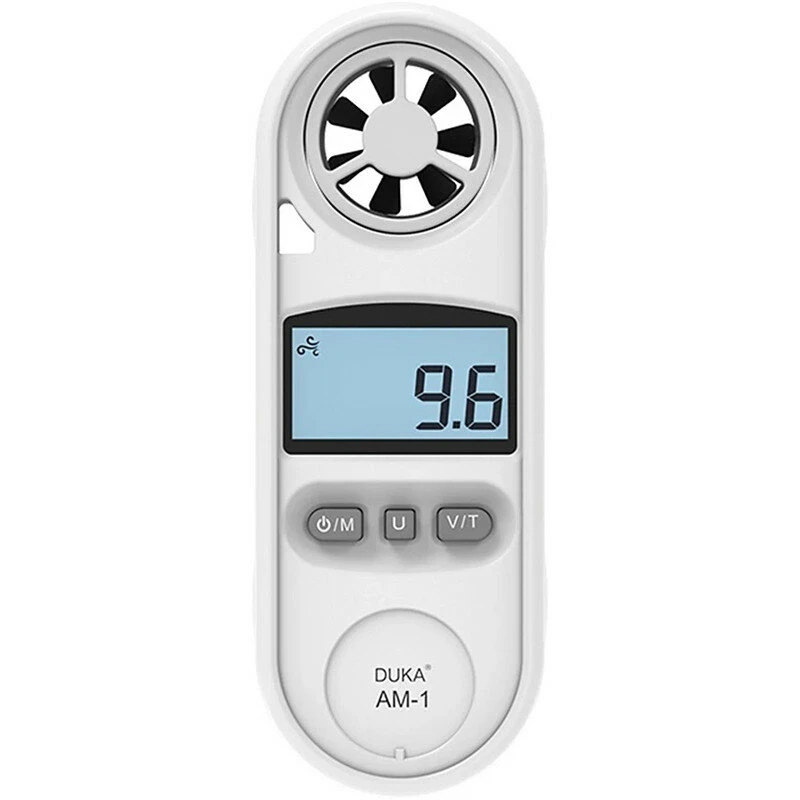
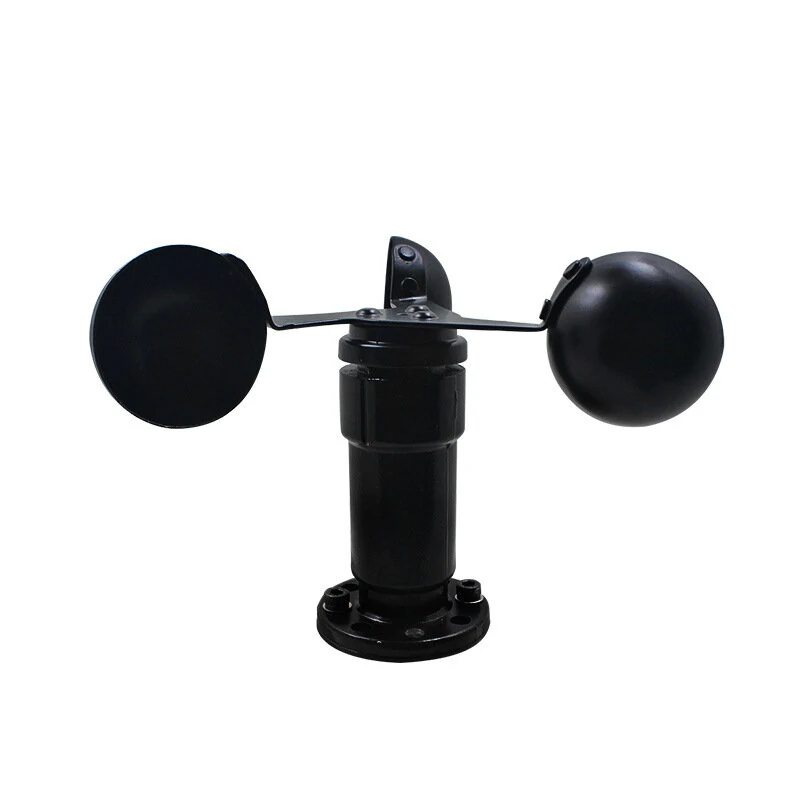
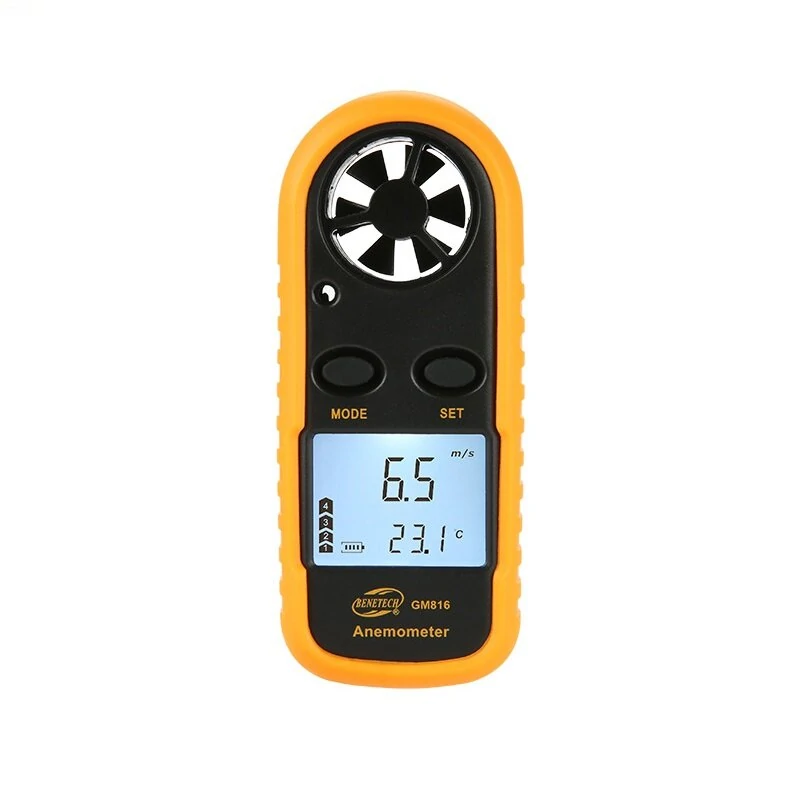
A wind speed meter, also known as an anemometer, is an essential tool for anyone who needs precise, real-time measurements of wind velocity and airflow. From professional meteorologists and industrial safety officers to outdoor enthusiasts, pilots, and homeowners, understanding wind conditions is critical for safety, planning, and performance. Modern wind speed meters have evolved far beyond basic mechanical cups, offering a range of digital, handheld, and integrated solutions for diverse applications.
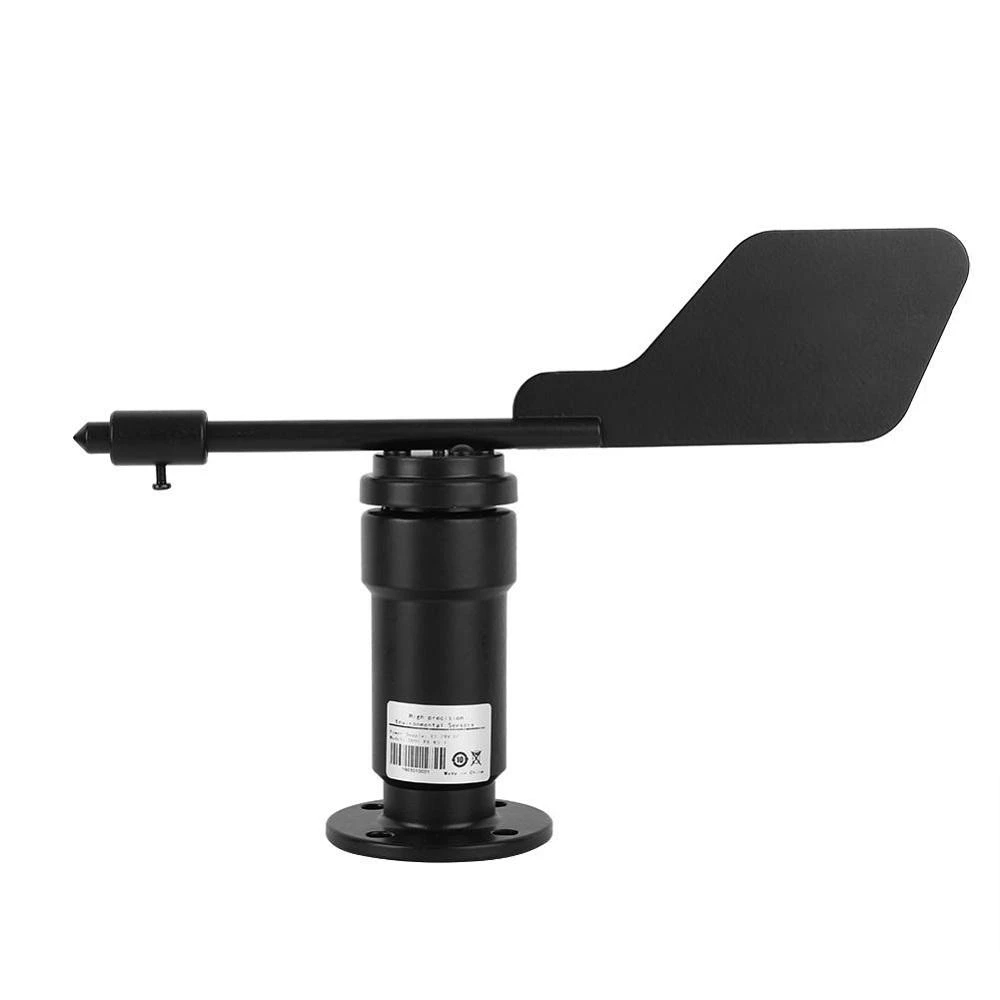
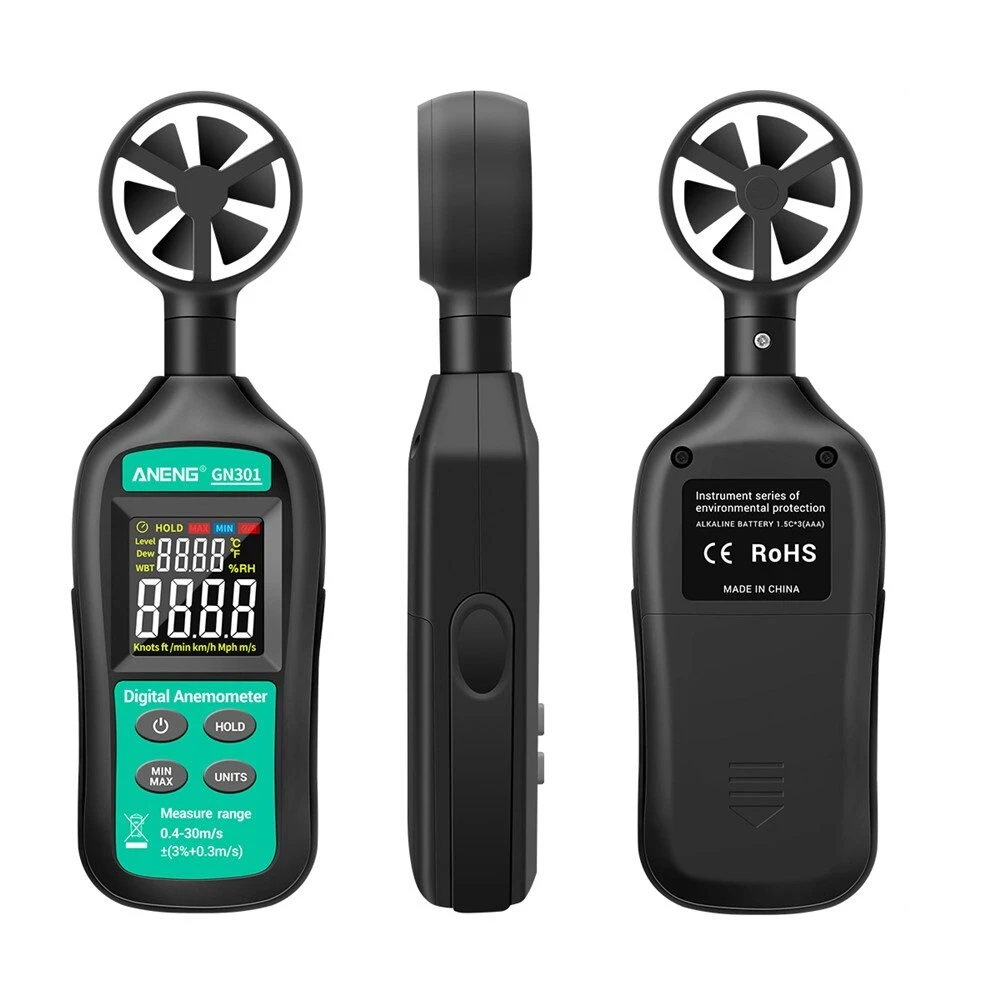
Key products in this category include versatile handheld digital anemometers, which are compact, user-friendly, and often include additional measurements like temperature, wind chill, and air flow (CFM). These are perfect for on-the-go use by sailors, drone pilots, kite flyers, and HVAC technicians. For more permanent installations, professional-grade cup or vane anemometers are designed to connect to home weather stations or industrial monitoring systems, providing continuous, reliable data logging. Ultrasonic anemometers, which have no moving parts, offer exceptional accuracy and durability for demanding scientific and aviation environments.
The benefits of owning a quality wind speed meter are significant. They enhance safety for activities like boating, climbing, and construction by alerting you to dangerous gusts. They improve efficiency for farmers applying chemicals, drone operators capturing stable footage, and engineers assessing ventilation. For the weather-curious, they add a layer of precise, localized data to your observations. When choosing a meter, core features to consider are measurement range (from light breezes to hurricane-force winds), accuracy, units of measurement (mph, knots, km/h, m/s, Beaufort), data logging capabilities, and durability against the elements. Investing in the right tool empowers you to make informed decisions based on hard data, not just guesswork.