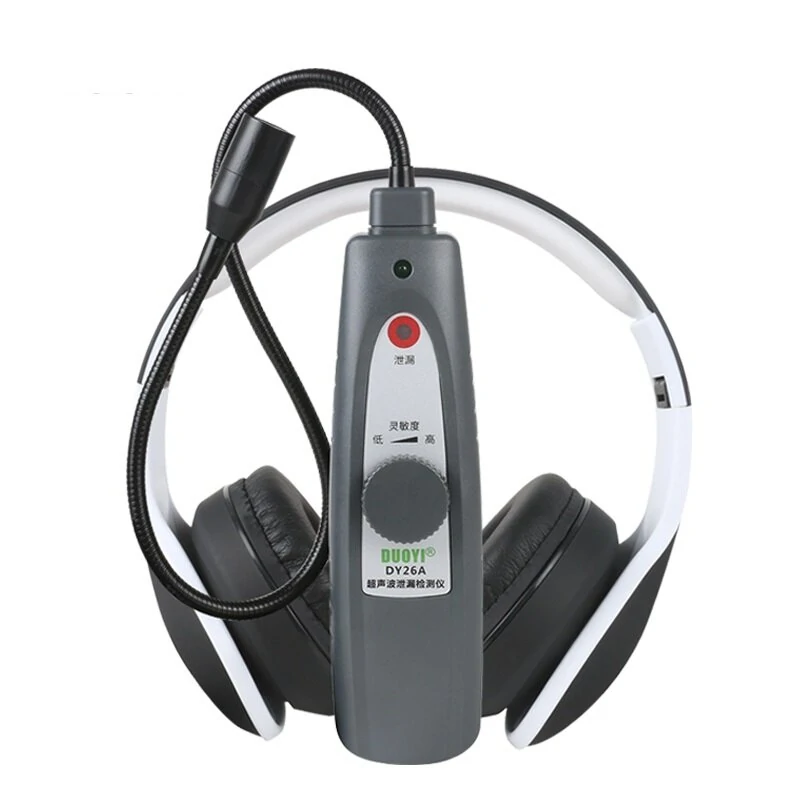
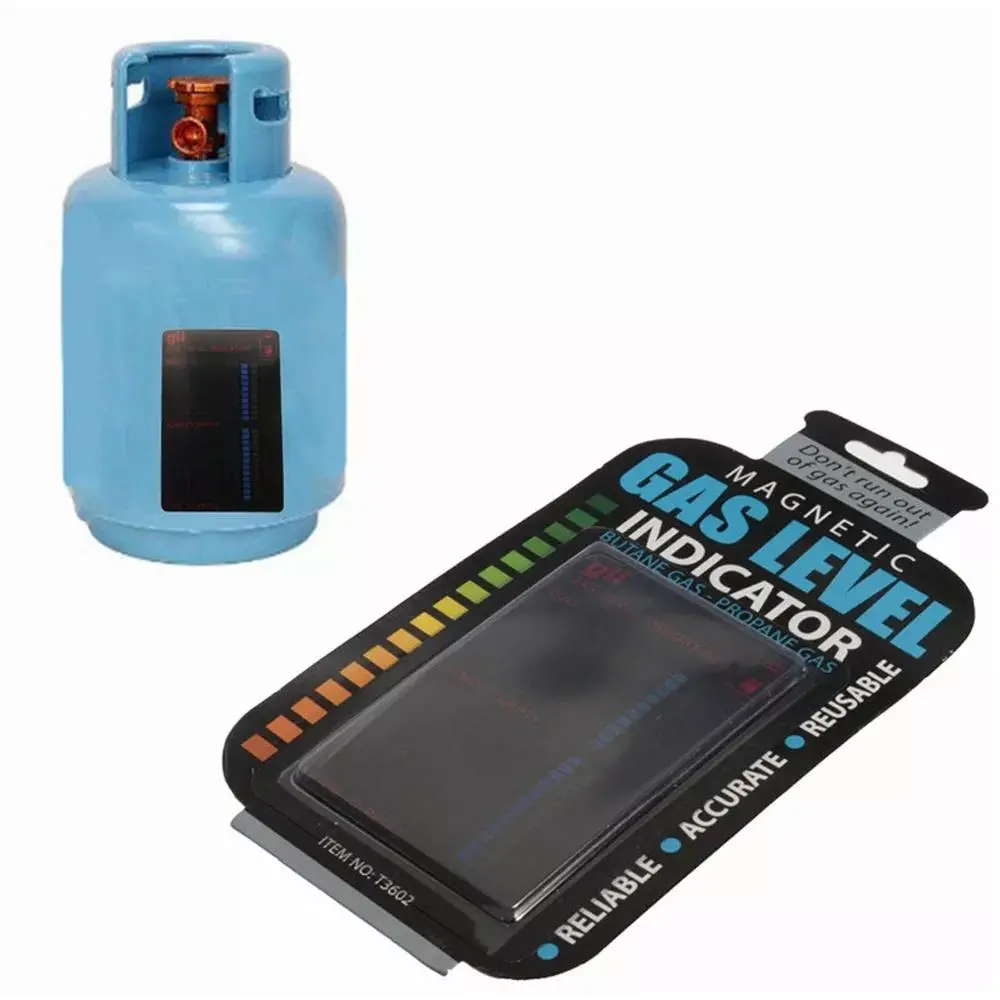
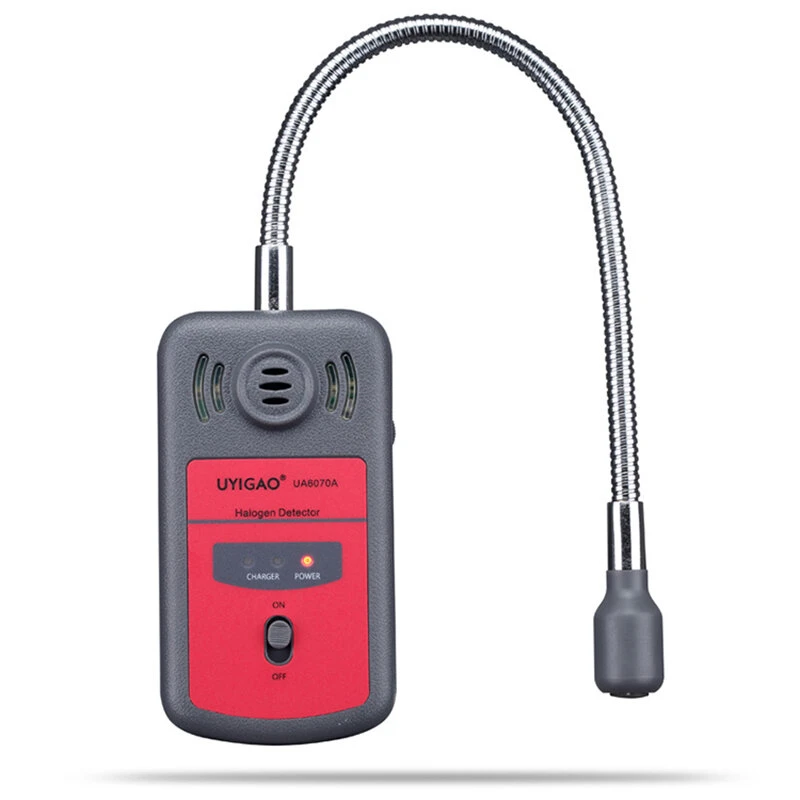
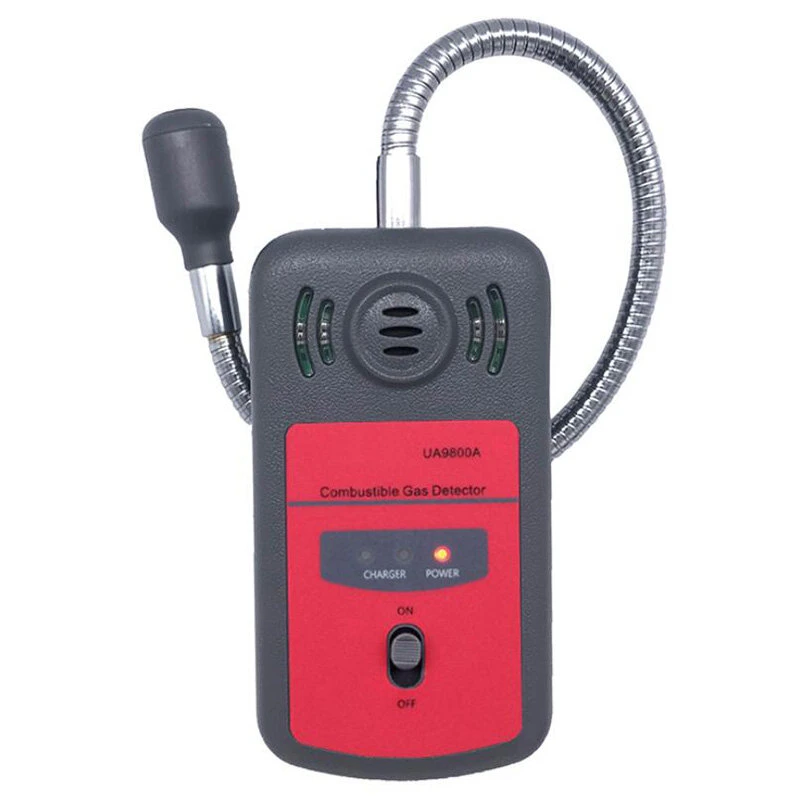
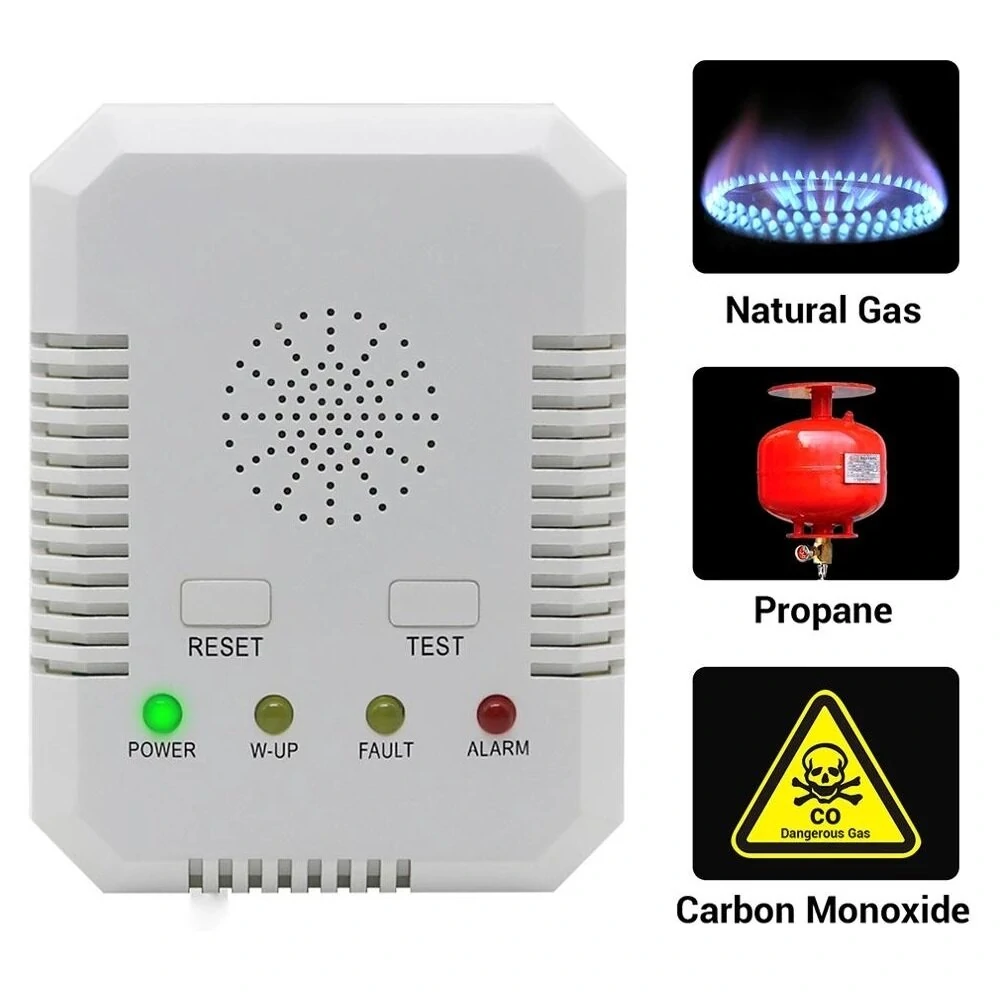
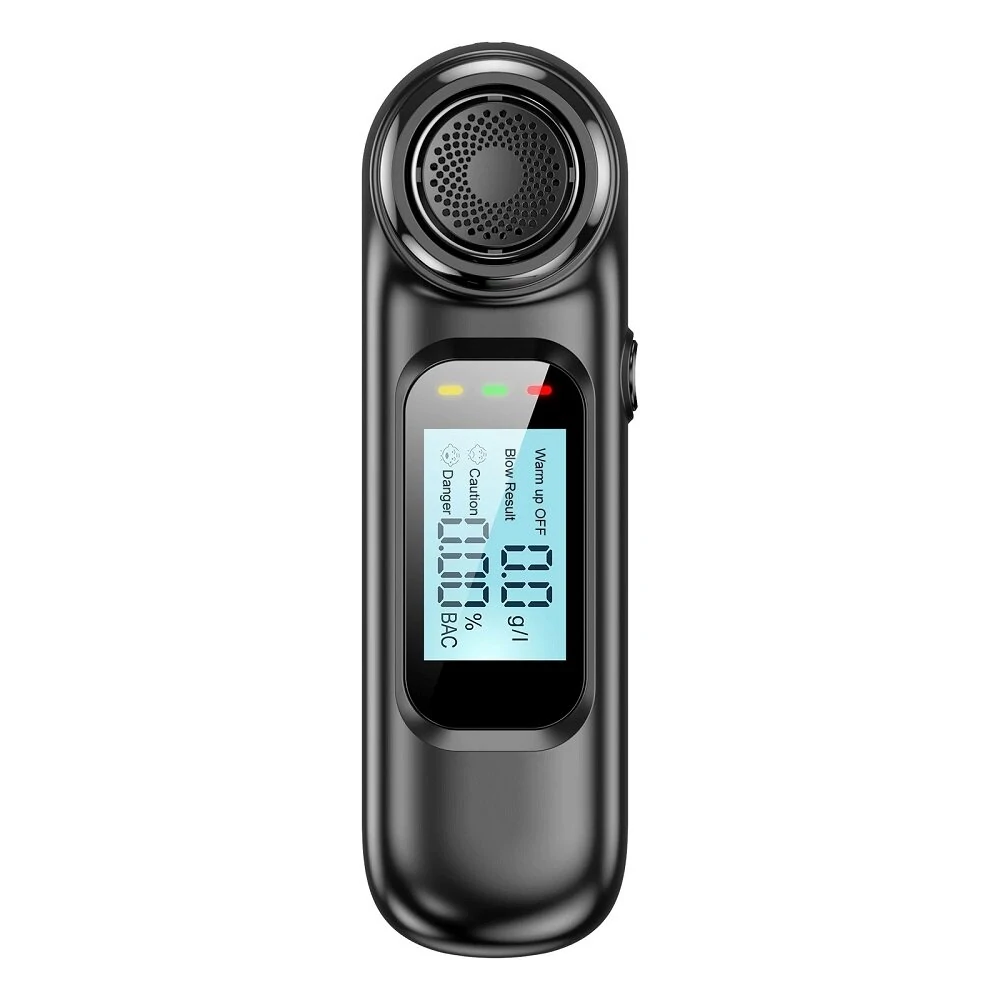
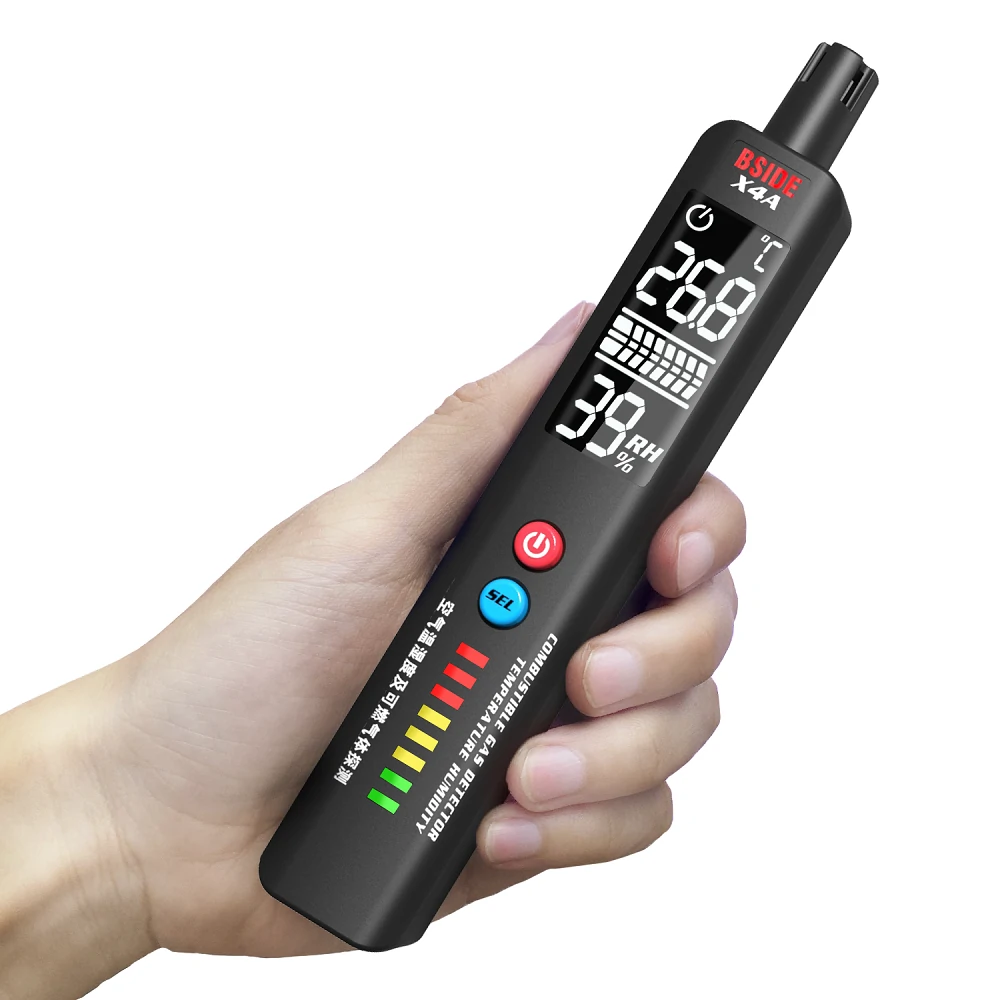
A gas leak tester is an essential safety device for any home or workplace where combustible or toxic gases are present. These tools provide the first and most critical line of defense against the silent dangers of leaking natural gas, propane, refrigerant, or carbon monoxide. Modern gas leak detectors are designed for accuracy, speed, and ease of use, empowering homeowners and professionals alike to identify hazards before they escalate into fire, explosion, or health risks. The primary benefit of owning a reliable tester is peace of mind, knowing you can proactively safeguard your family, property, and assets. Key products in this category range from simple, pen-style detectors for spot-checking appliance connections to sophisticated, multi-gas monitors with digital readouts and data logging for industrial applications. Common types include combustible gas indicators (CGIs) that sniff out a wide range of flammable gases, ultrasonic detectors that 'hear' the sound of pressurized gas escaping, and electronic leak detectors specifically tuned for HVAC refrigerants. For homeowners, plug-in or battery-operated units with audible and visual alarms offer 24/7 monitoring. For technicians, robust, sensitive tools with flexible probes and adjustable sensitivity are indispensable for pinpointing the exact source of a leak in pipes, valves, or systems. Investing in the right gas leak tester is a small price to pay for preventing catastrophic damage and ensuring a safe environment.
**Buying Guide & FAQ**
**What should I look for in a gas leak tester?**
Consider the gas type you need to detect (natural gas, propane, refrigerant), sensitivity levels, response time, and alarm type (audible, visual, vibration). For home use, look for simple operation and clear indicators. Professionals may need features like adjustable sensitivity, rugged construction, and probe attachments.
**How do I use a gas leak detector?**
Always start in a known clean-air area to establish a baseline. Slowly move the sensor along gas lines, fittings, valves, and appliances. Follow the manufacturer's instructions for calibration and warm-up time. The device will alarm or show increased readings when it detects a leak.
**Are gas leak detectors accurate?**
Quality detectors from reputable brands are highly accurate when used correctly. Regular calibration (for professional models) and sensor replacement are crucial for maintaining accuracy over time.
**Can one detector find all types of gas leaks?**
No. Some detectors are specific (e.g., for refrigerant), while multi-gas monitors can detect several types. Always check the product specifications to ensure it detects the gases relevant to your application. For comprehensive home safety, consider a combination of a combustible gas detector and a dedicated carbon monoxide alarm.