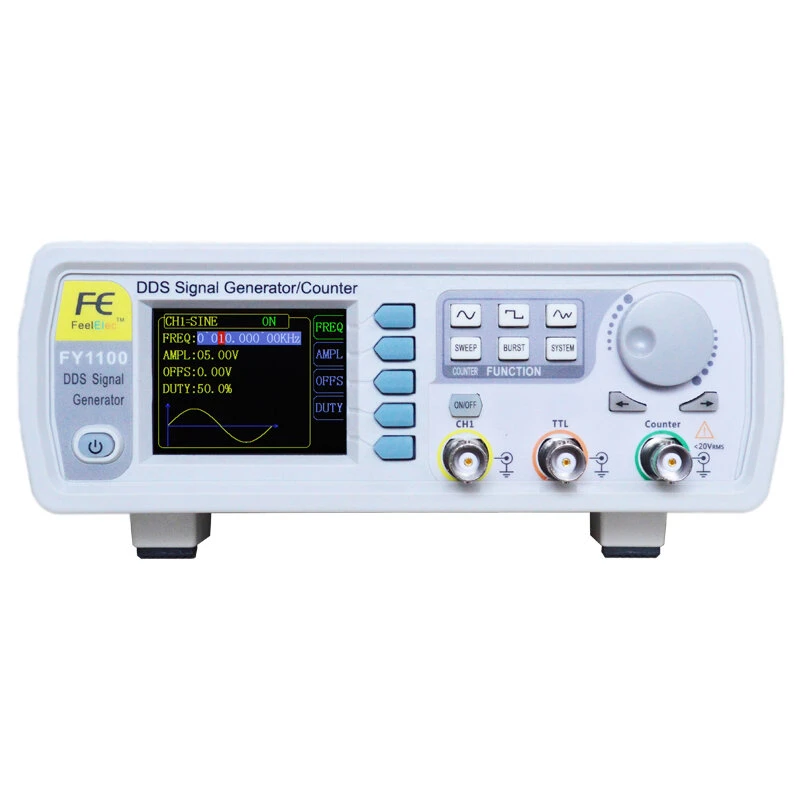
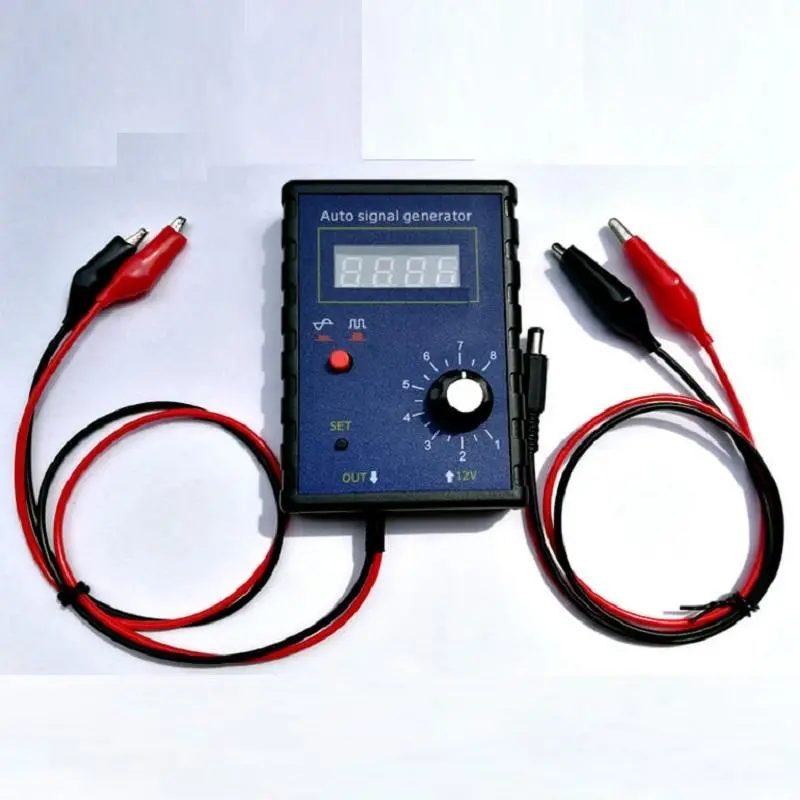
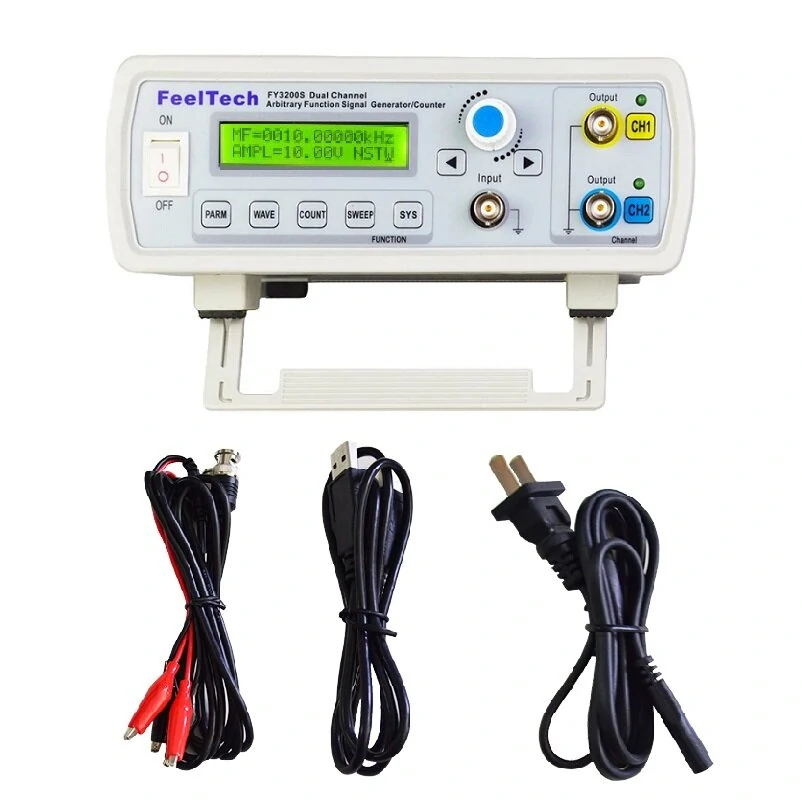
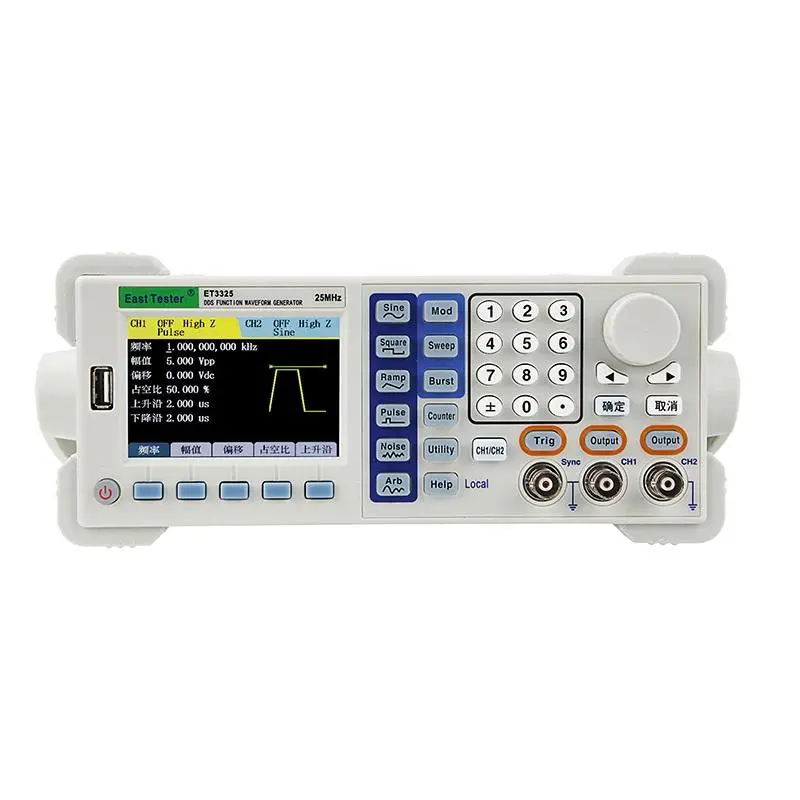
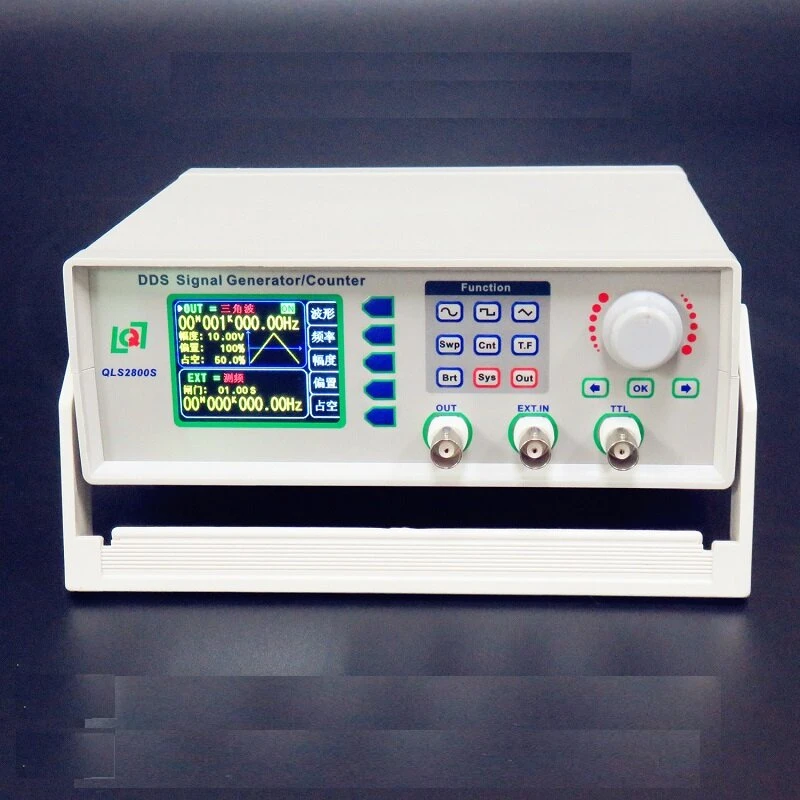
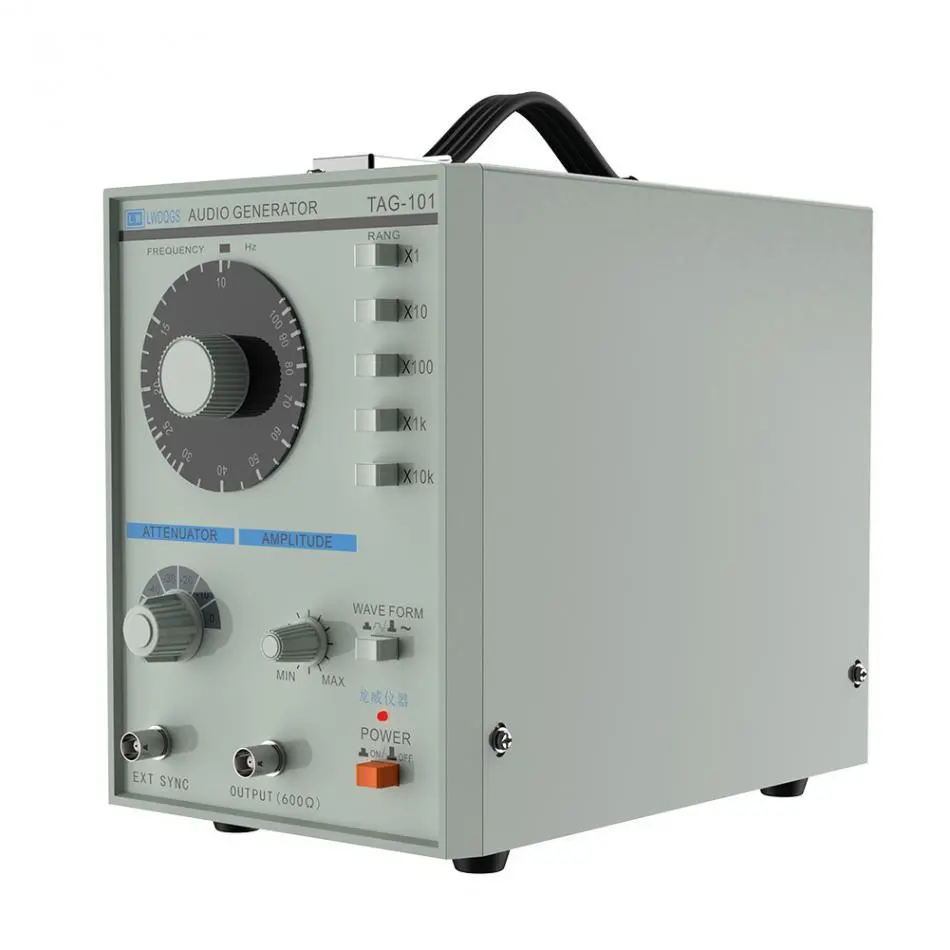
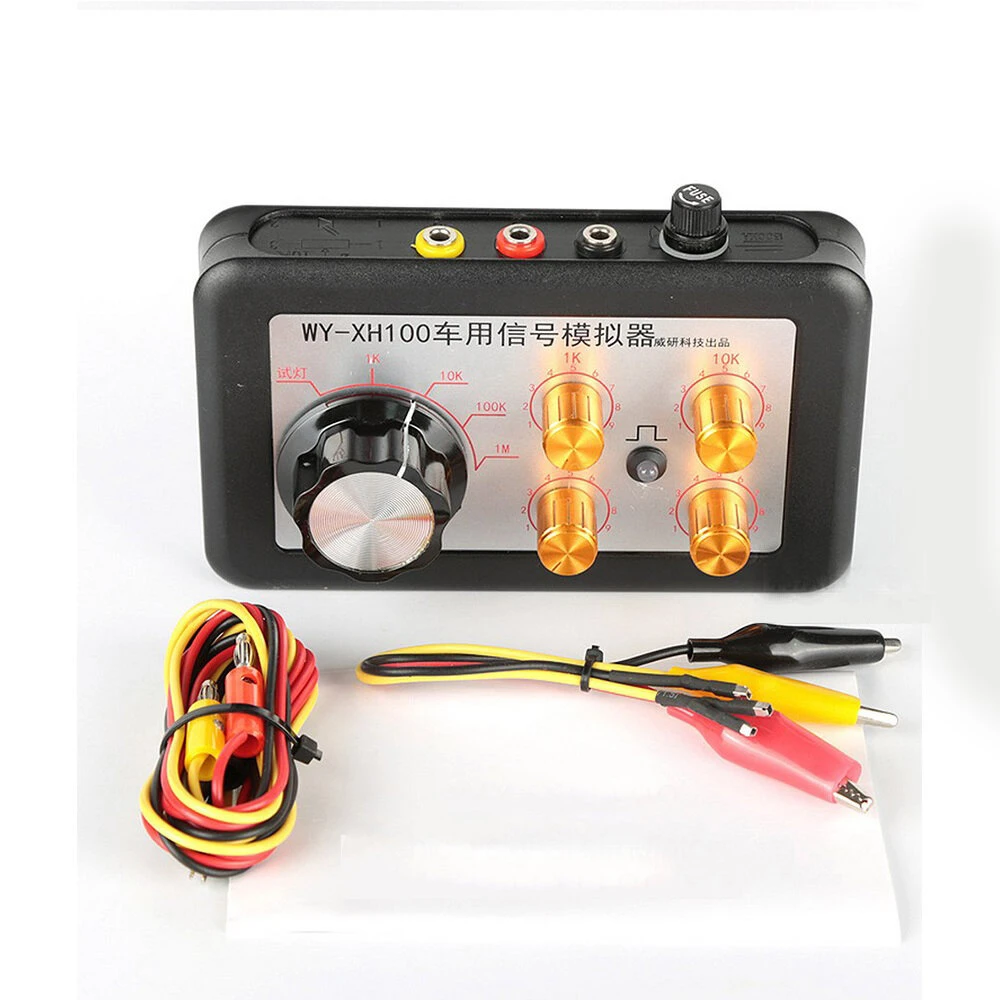
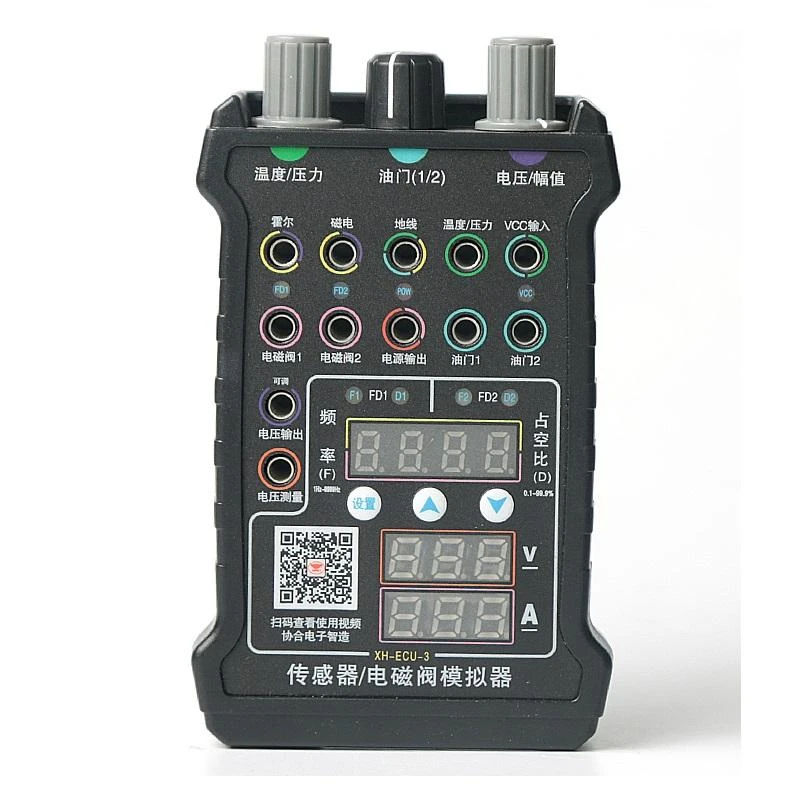
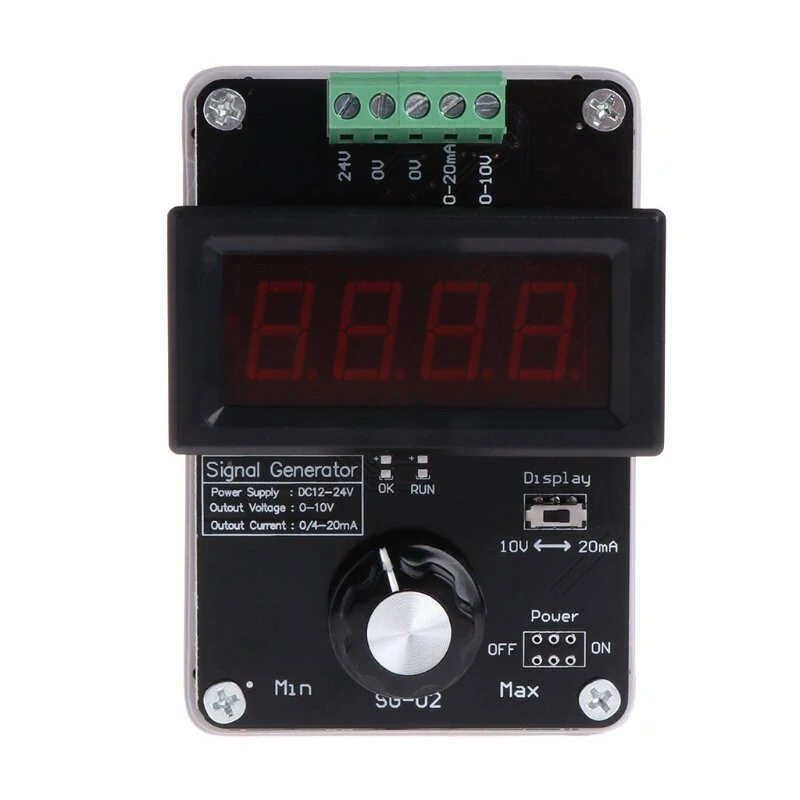
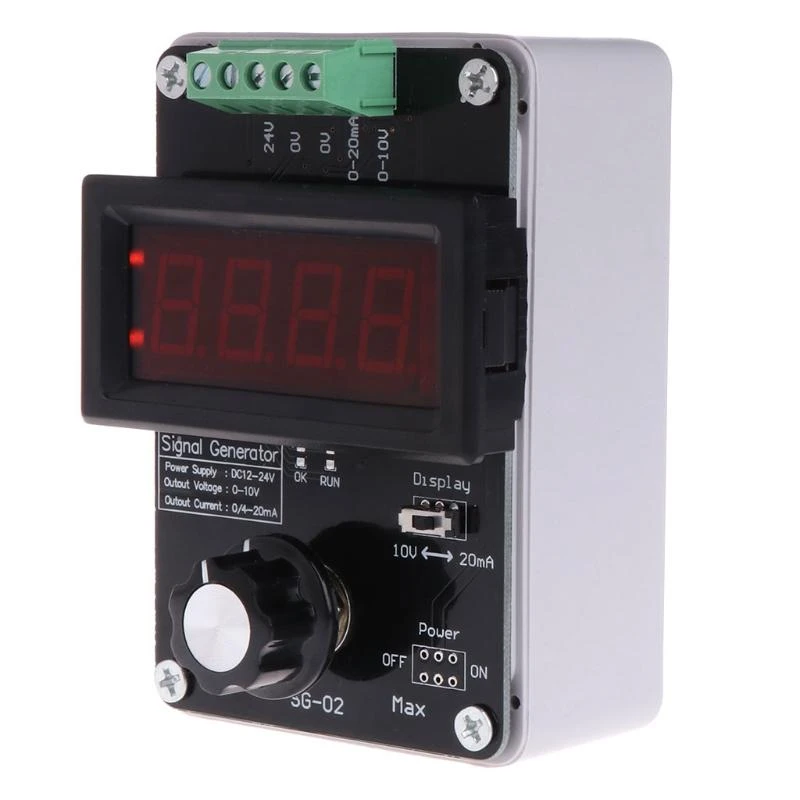
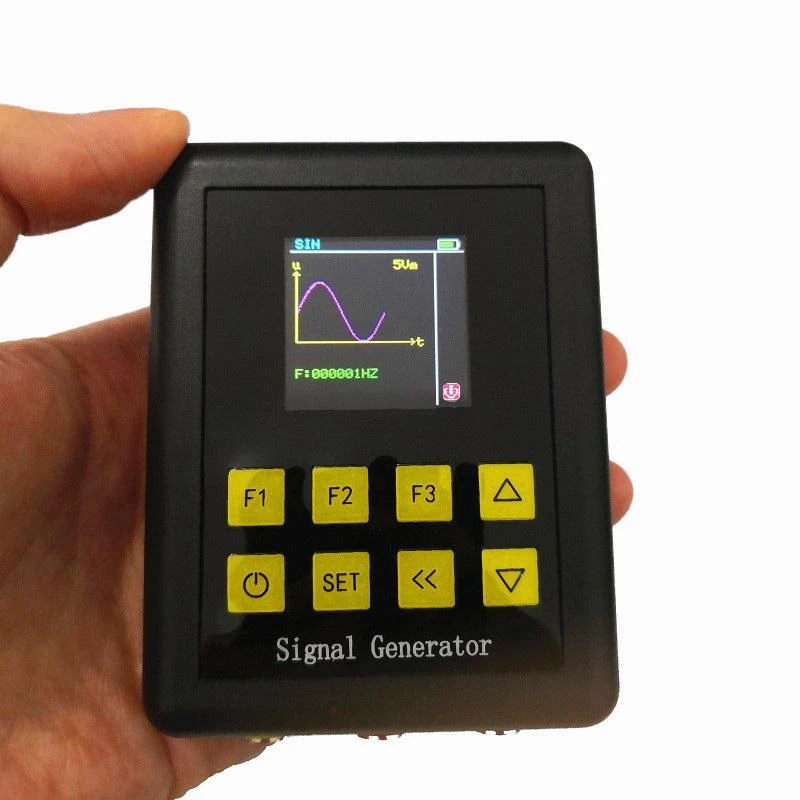
A signal generator is an essential piece of electronic test equipment used to create electrical waveforms with precise characteristics. These versatile instruments are the workhorses of research and development, manufacturing, and educational labs, providing the known signals needed to stimulate, test, and debug electronic circuits and systems. By generating controlled signals, engineers can verify performance, identify faults, and ensure that devices from simple audio amplifiers to complex radar systems operate as designed.
The category encompasses several key product types, each serving distinct applications. **Function Generators** produce common periodic waveforms like sine, square, and triangle waves at lower frequencies, ideal for analog and digital circuit design. **RF Signal Generators** specialize in high-frequency radio signals with precise modulation capabilities (AM, FM, PM), crucial for testing wireless communication devices like radios, smartphones, and IoT modules. **Arbitrary Waveform Generators (AWGs)** offer the ultimate flexibility, allowing users to digitally create and output any custom waveform imaginable, perfect for simulating complex real-world signals or stress-testing systems.
Modern signal generators offer significant benefits, including unparalleled accuracy in frequency and amplitude, high signal purity with low distortion, and advanced modulation schemes. They save immense time and cost by enabling repeatable, controlled testing in the lab before real-world deployment. Whether you're an educator demonstrating fundamental waveforms, a service technician aligning radio equipment, or an R&D engineer developing the next-generation wireless standard, selecting the right signal generator is foundational to achieving reliable and accurate results.
**Choosing the Right Signal Generator: A Quick Guide**
**1. Frequency Range:** This is the most critical spec. Ensure the generator's maximum frequency exceeds your device-under-test's requirements. RF applications need GHz ranges, while audio work may only need MHz.
**2. Signal Type & Modulation:** Do you need simple sine waves, or complex digital modulation like QAM or OFDM? Match the generator's capabilities to your testing needs.
**3. Output Impedance & Level:** Standard impedance is 50Ω (RF) or 600Ω (audio). Verify the output power or voltage range is sufficient for your application.
**4. Interface & Form Factor:** Benchtop models offer full features for lab use. Consider USB-powered or portable models for field service. Modern generators often feature intuitive touchscreens and remote control via software.
**FAQ: Do I need an Arbitrary Waveform Generator?** An AWG is essential if you need to replicate non-standard or noisy real-world signals, perform complex digital protocol testing, or simulate specific sensor outputs. For standard periodic waveforms, a function or RF generator is often sufficient and more cost-effective. Always balance the need for flexibility with project budget and complexity.