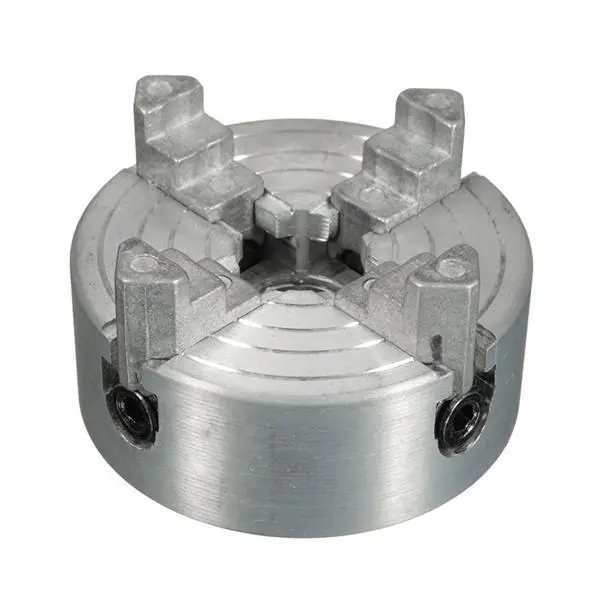
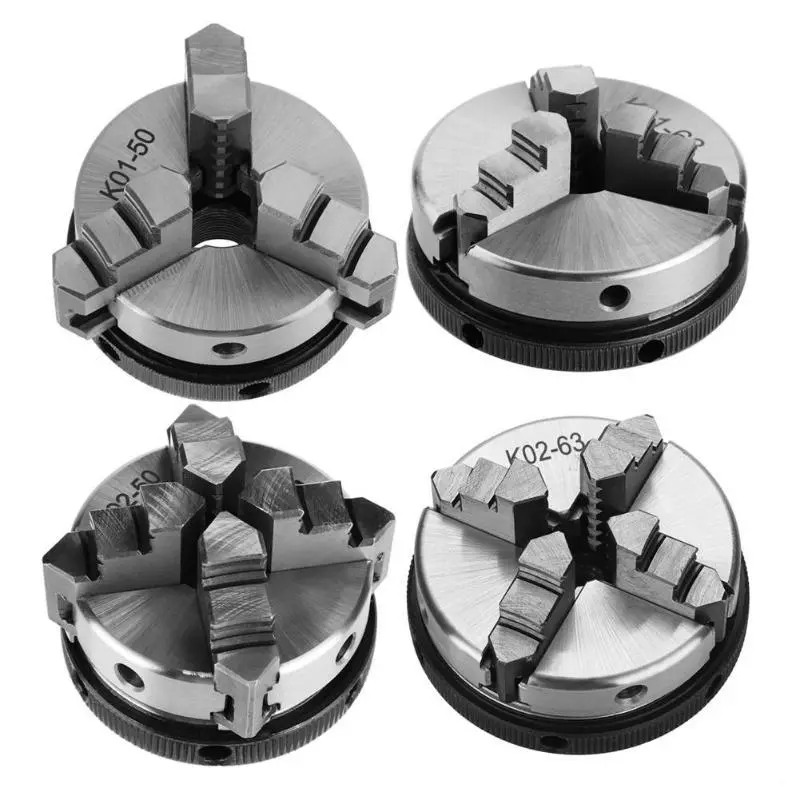
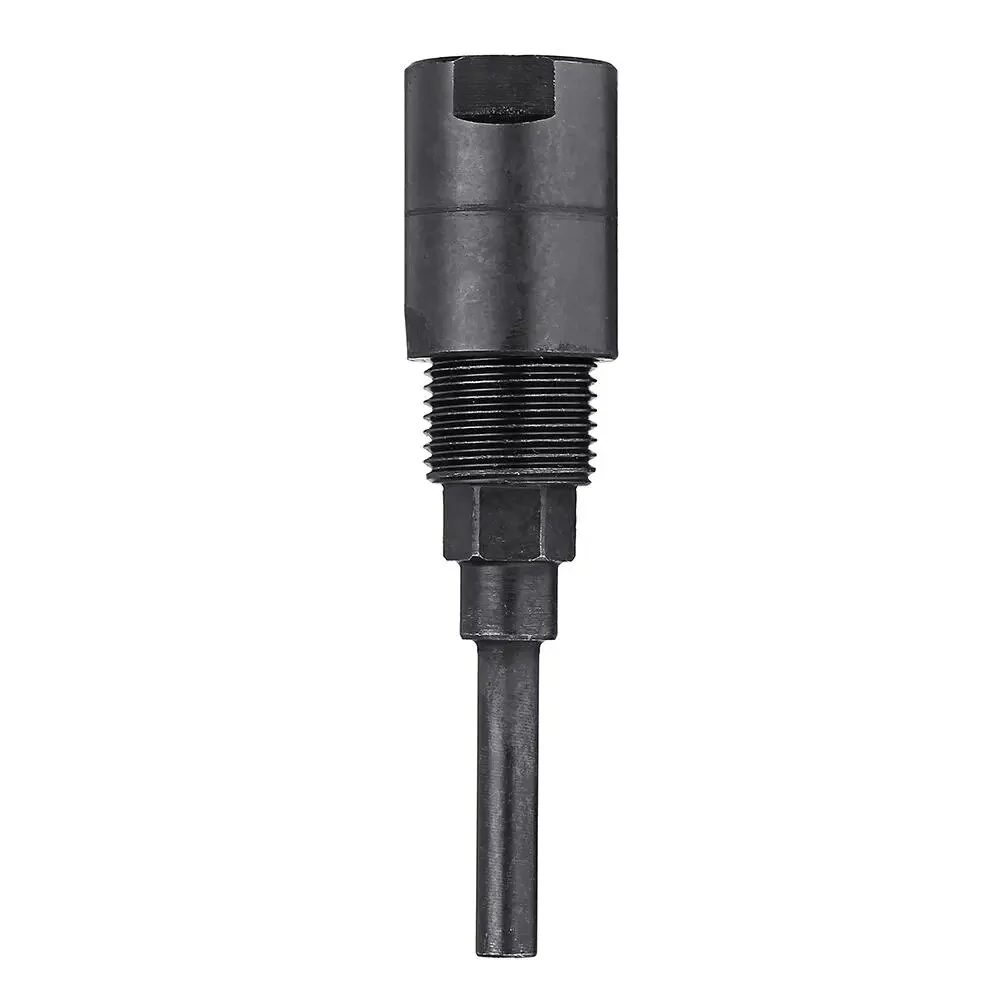
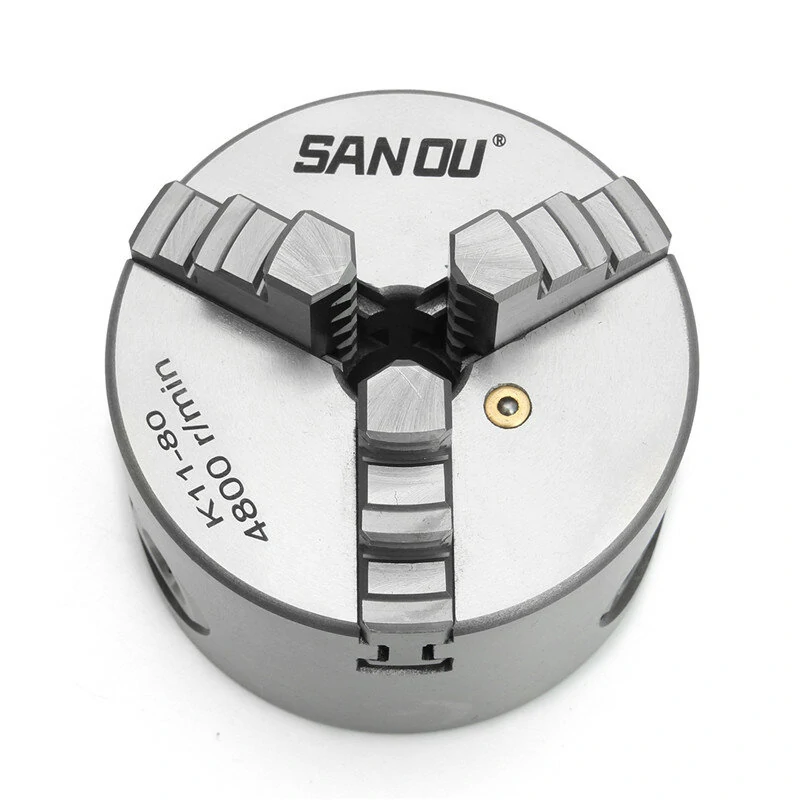
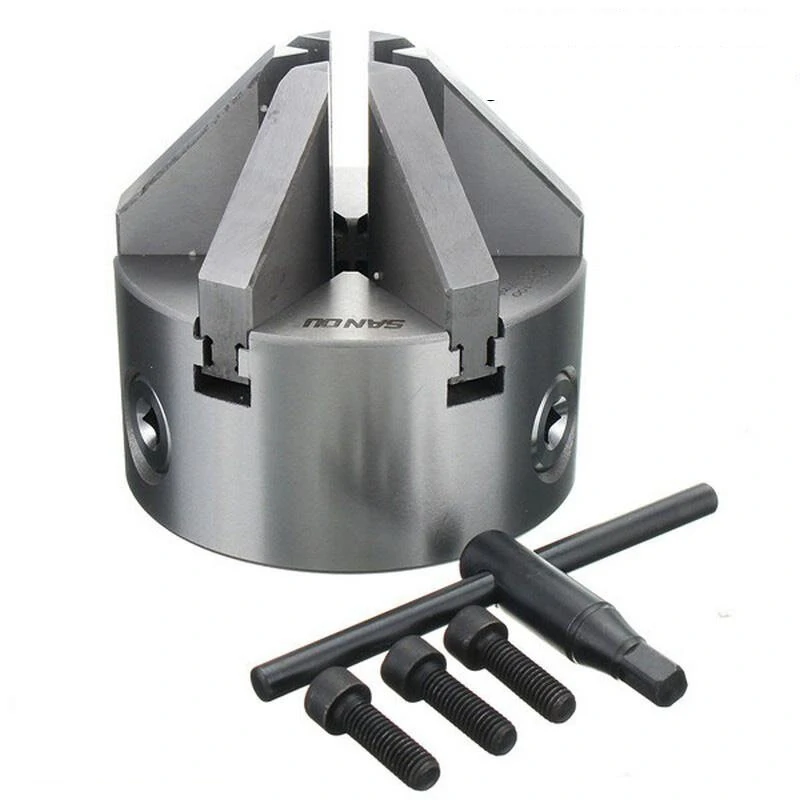
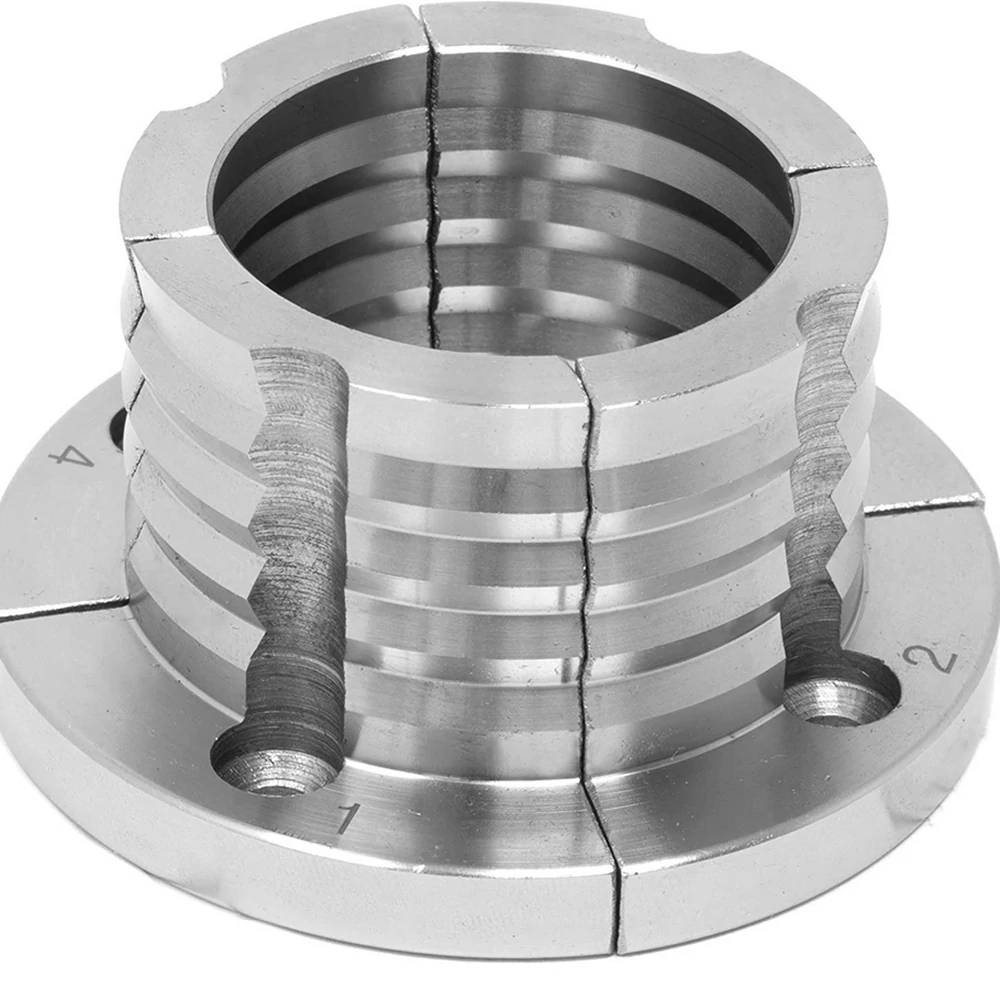
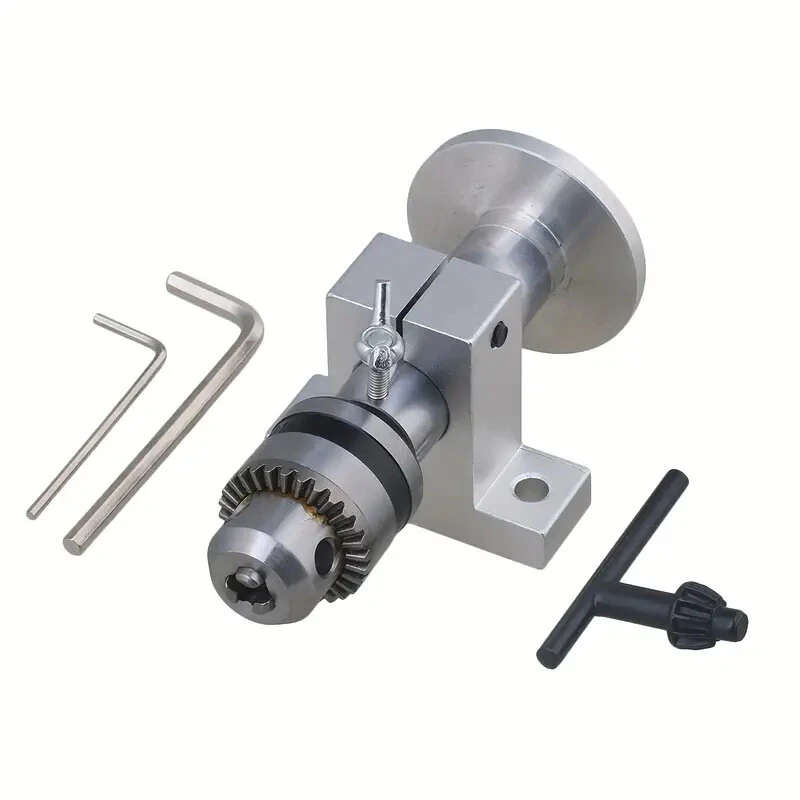
A lathe chuck is the indispensable workholding heart of any lathe, securely gripping workpieces to enable precise turning, facing, drilling, and threading operations. Choosing the right chuck is critical for accuracy, efficiency, and safety in your metalworking, woodworking, or machining projects. The two primary categories dominate the market: self-centering chucks and independent chucks. The 3-jaw self-centering chuck is the most common, prized for its speed and convenience. With a single key, all three jaws move in unison to automatically center round or hexagonal stock, making it ideal for repetitive production work. For unmatched precision and the ability to hold irregular shapes, the 4-jaw independent chuck is the tool of choice. Each jaw adjusts separately, allowing for meticulous off-center positioning and perfect truing of non-cylindrical workpieces. Beyond these, specialized chucks like collet chucks for bar work and combination chucks offer versatile solutions. Key benefits of investing in a quality lathe chuck include enhanced machining accuracy through rigid holding, reduced vibration for a better surface finish, increased operator safety by preventing workpiece slippage, and improved productivity with quick changeover systems. Modern chucks feature hardened and ground bodies for longevity, precision-machined scrolls for repeatability, and a variety of jaw types (soft, hard, specialized) to suit any material, from delicate aluminum to tough steel. Whether you're a hobbyist upgrading a bench lathe or a professional outfitting a CNC machine, the right chuck transforms your lathe's capability.
Choosing the correct lathe chuck requires considering your lathe, workpiece, and precision needs. First, ensure spindle compatibility: check the mounting type (threaded, camlock, D1-4 etc.) and the chuck's diameter to suit your lathe's swing. For general machining and concentric work, a 3-jaw chuck offers the best balance of speed and accuracy. If you regularly work with square stock, finished bar, or need to correct runout, a 4-jaw independent chuck is essential. FAQ: Q: Can I use a 3-jaw chuck on a wood lathe? A: Yes, but specific metalworking chucks are heavier; lighter scroll chucks designed for woodturning are often preferred. Q: What are 'soft jaws'? A: Replaceable jaws that can be machined (bored) to custom shapes for perfect grip on unique or delicate parts. Q: How do I maintain my chuck? Keep it clean from chips, lubricate the scroll mechanism periodically, and avoid overtightening. Always prioritize a quality chuck from a reputable manufacturer—it's a long-term investment in the precision and safety of your workshop.