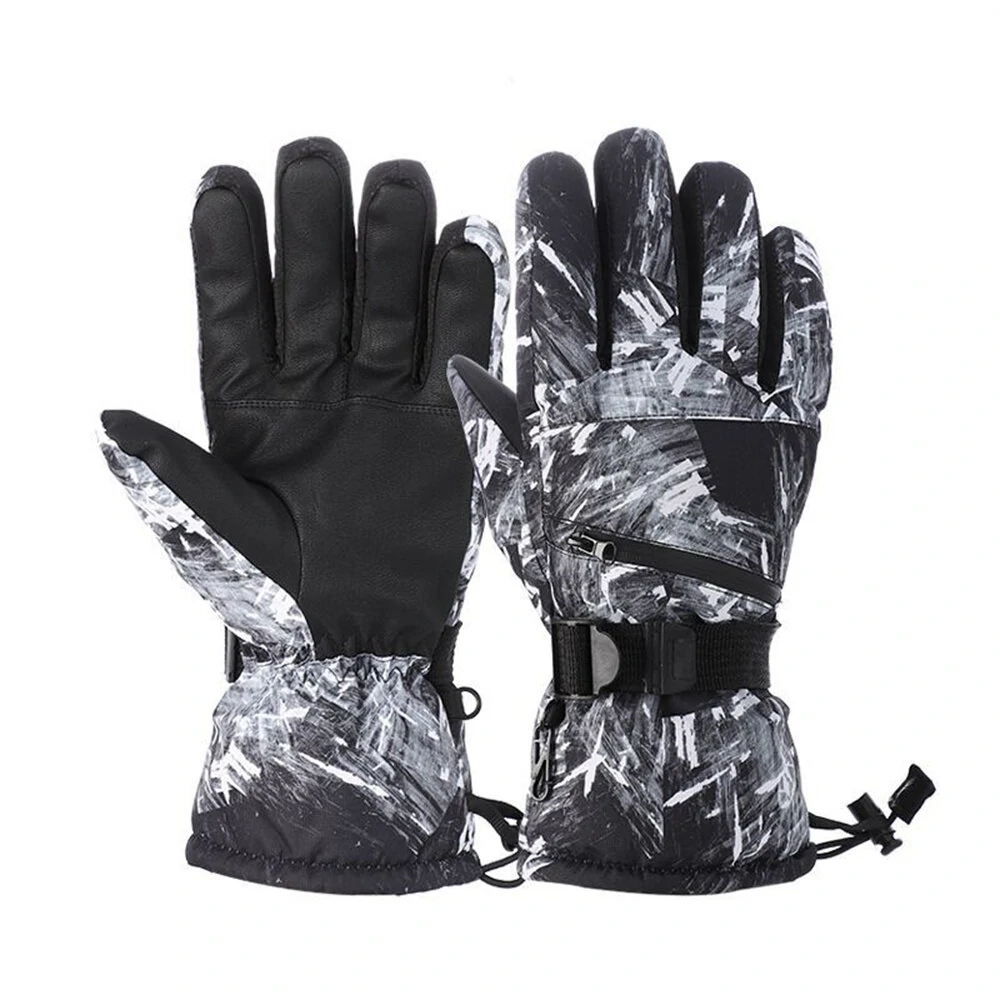
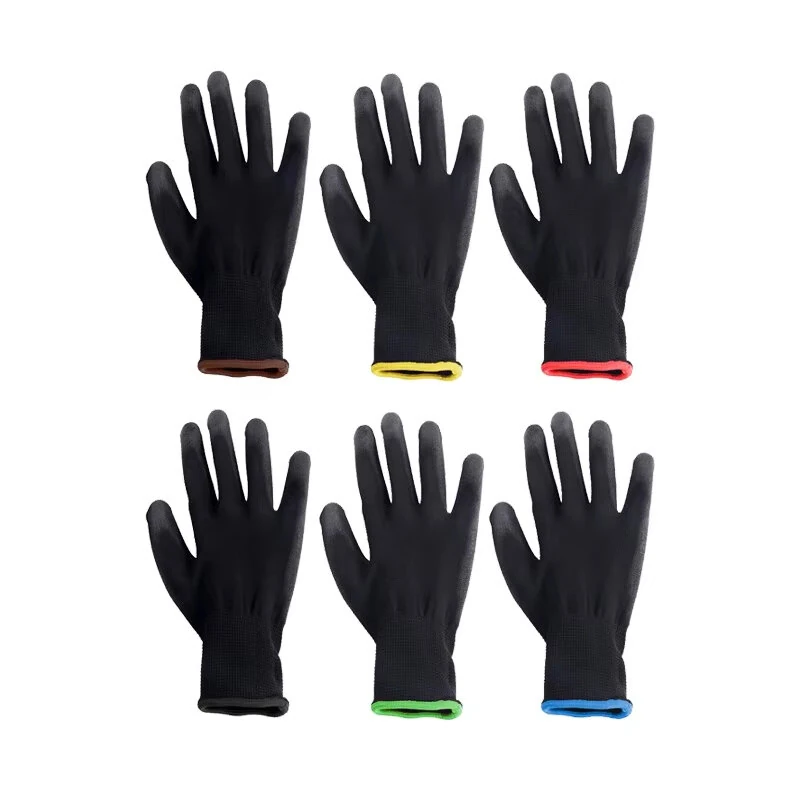
Protective gear is the fundamental barrier between you and potential injury, designed to safeguard your body in a wide range of activities. From high-impact sports and demanding construction sites to everyday DIY projects and industrial work, the right equipment is not an accessory—it's a necessity. This category encompasses a diverse array of products engineered to mitigate risks, absorb impacts, and provide critical protection where it's needed most. Key products include helmets, which are vital for protecting the head during cycling, motorcycling, and contact sports. Impact-absorbing pads for knees, elbows, and wrists are crucial for skateboarders, rollerbladers, and martial artists. For occupational safety, high-quality work gloves shield hands from cuts, abrasions, and chemicals, while high-visibility (hi-vis) vests and clothing ensure workers are seen in low-light conditions. More specialized gear includes body armor for law enforcement and security, hearing protection for loud environments, and respirators for hazardous air quality. The core benefits of investing in proper protective gear are clear: preventing serious injury, reducing the severity of accidents, and fostering confidence to perform at your best. Modern gear prioritizes not just safety but also comfort, mobility, and breathability, using advanced materials like impact-resistant polymers, moisture-wicking fabrics, and ergonomic designs. Whether you're a professional, an enthusiast, or a weekend warrior, understanding and utilizing the correct protective equipment is the first and most important step in any safety protocol.
Choosing the right protective gear requires careful consideration of your specific activity and risks. Start by identifying the primary hazards: impact, abrasion, punctures, environmental elements, or visibility. Always ensure the gear is certified for its intended use—look for standards like CE, ANSI, or ASTM markings. Fit is paramount; equipment that is too loose can shift and fail, while gear that is too tight can restrict movement and circulation. For helmets, a snug, level fit without wobble is essential. When selecting gloves, consider dexterity needs alongside protection levels. For work environments, consult OSHA guidelines or your employer's safety requirements. Frequently Asked Questions: How often should I replace my protective gear? Replace any item after a significant impact, or if you notice cracks, tears, or compromised materials. Helmets typically have a lifespan of 3-5 years. Can I use sports gear for work? Not recommended. Occupational gear is tested for specific industrial hazards. Is more expensive gear always better? Not necessarily; focus on certified protection that fits your specific needs and fits you well. Prioritizing quality, certified protective gear is an investment in your long-term health and safety, allowing you to pursue your passions or profession with greater peace of mind.