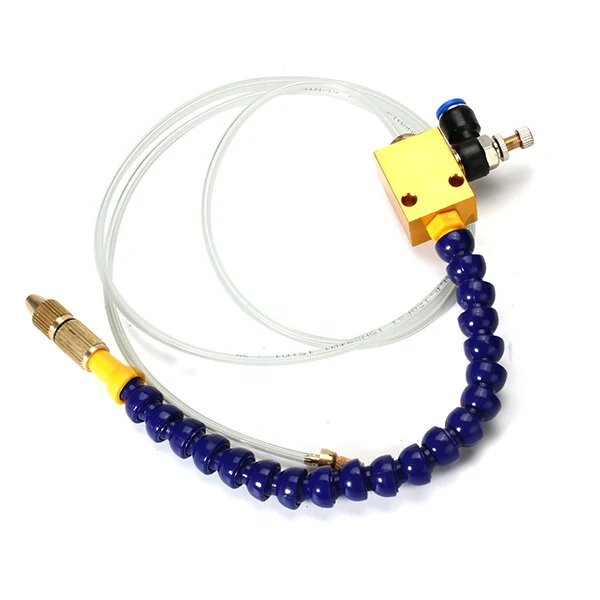
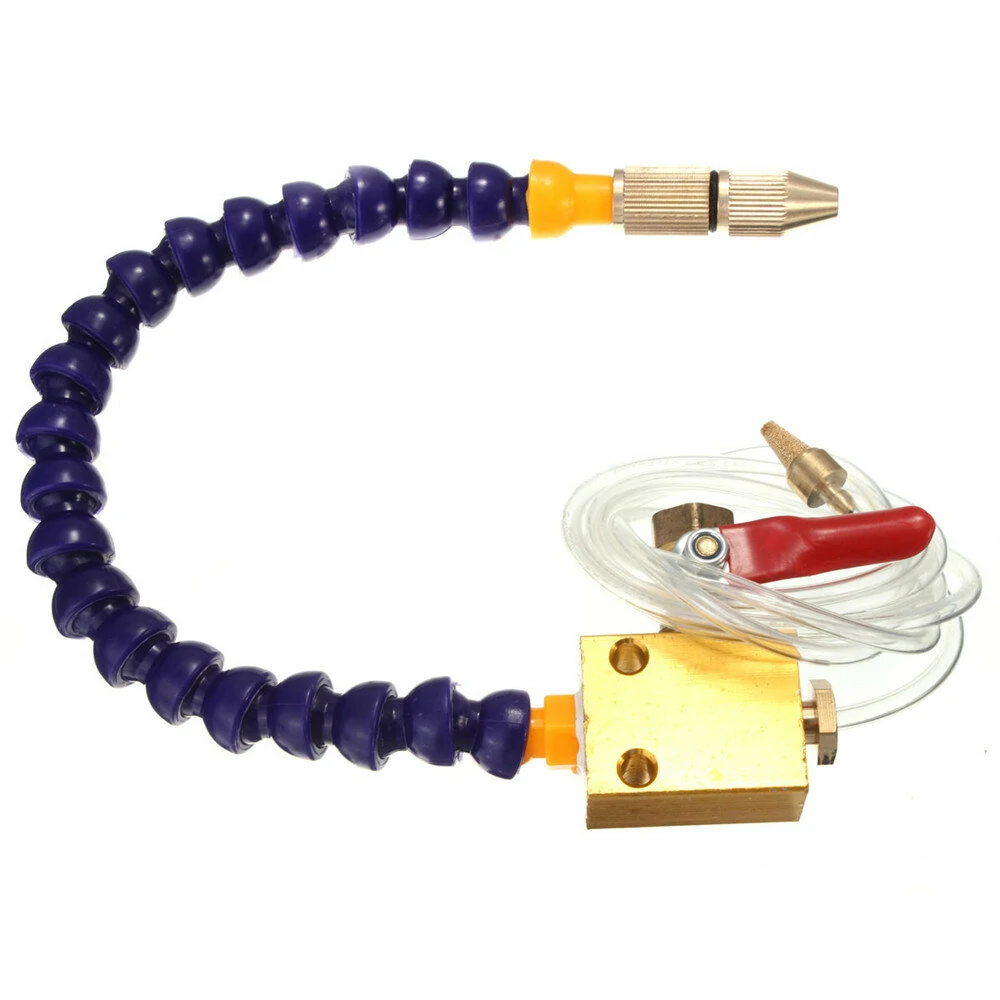
In the demanding world of precision machining and CNC operations, controlling heat is not just an option—it's a necessity for quality, tool longevity, and efficiency. This is where mist coolant systems become an indispensable solution. Unlike traditional flood coolant, which uses a high volume of liquid, mist coolant technology delivers a fine, targeted aerosol of coolant and air directly to the cutting edge. This creates a highly efficient cooling and lubricating environment that significantly reduces thermal stress on both the tool and the workpiece. The key benefits are profound: extended tool life through reduced heat-related wear, improved surface finishes on machined parts, and the ability to machine at higher speeds and feeds. Common products in this category include portable mist coolant units, integrated CNC mist systems, and adjustable nozzles that allow operators to fine-tune the spray from a fine mist to a more substantial spray for different materials like aluminum, steel, and titanium. Furthermore, mist coolant systems are celebrated for their cleanliness and cost-effectiveness. They use up to 90% less coolant than flood systems, minimizing waste, cleanup, and the cost of coolant disposal. This makes them an environmentally and economically smarter choice for workshops of all sizes, from hobbyist garages to high-volume production floors.
Choosing the right mist coolant system depends on your specific machining needs. For smaller mills and lathes, a compact, portable unit with a single nozzle offers excellent flexibility and value. For multi-spindle CNC machines, a system with multiple solenoid-controlled lines ensures each tool receives optimal cooling. When selecting a system, consider adjustability—look for units that allow independent control of air and coolant flow to create the perfect mist consistency. Material compatibility is also crucial; ensure the coolant you use is formulated for mist application and the materials you machine. A common FAQ is: 'Is mist coolant messy?' With proper setup and a well-adjusted nozzle, the mist is largely consumed at the cutting interface, with minimal overspray. Always use in a well-ventilated area. Another frequent question: 'Can it replace flood coolant entirely?' For many operations, especially those involving milling, turning, and drilling, yes. However, for heavy grinding or certain high-volume operations, flood coolant may still be preferable. Ultimately, investing in a quality mist coolant system is an investment in your tools' life, your part quality, and your shop's bottom line.
.jpg.webp)