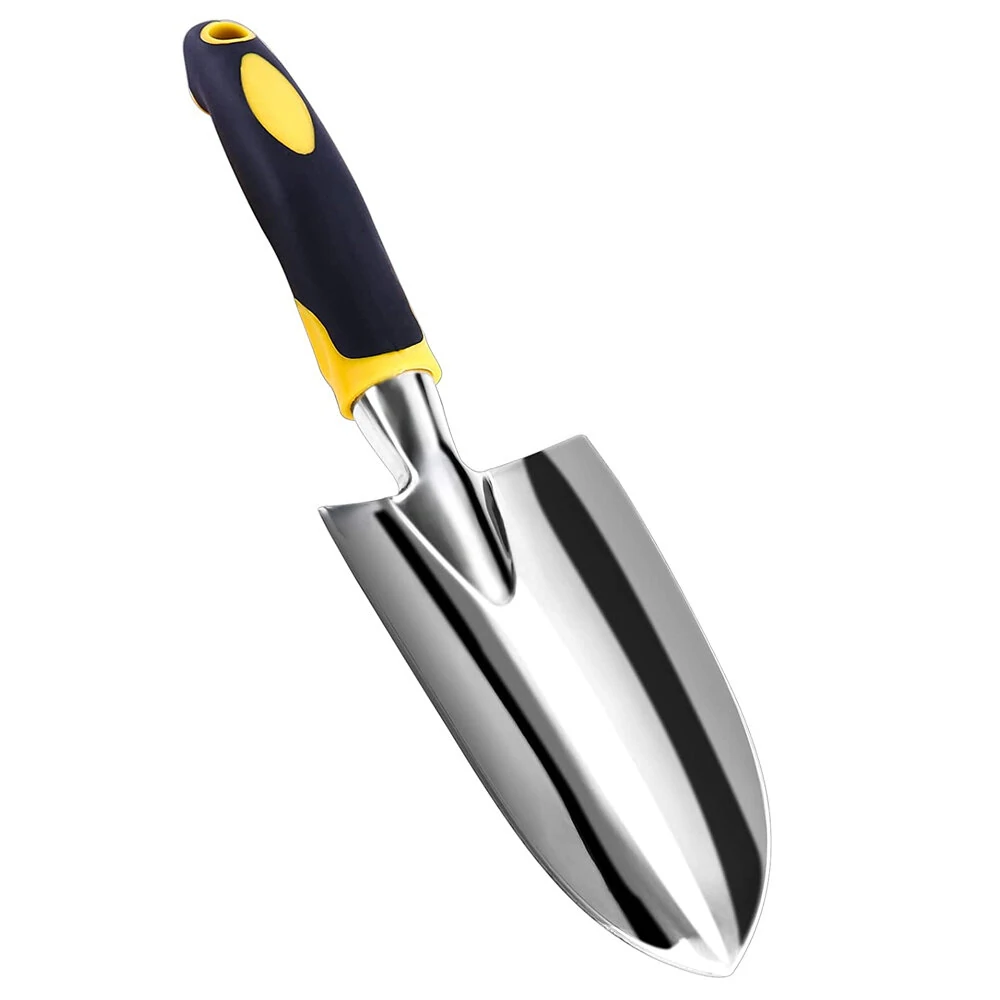
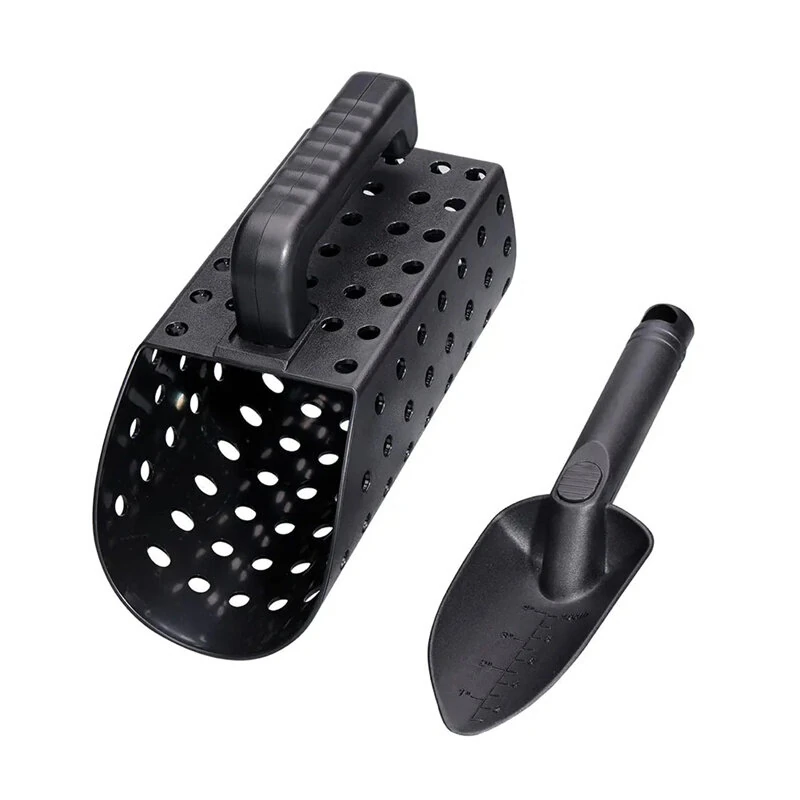
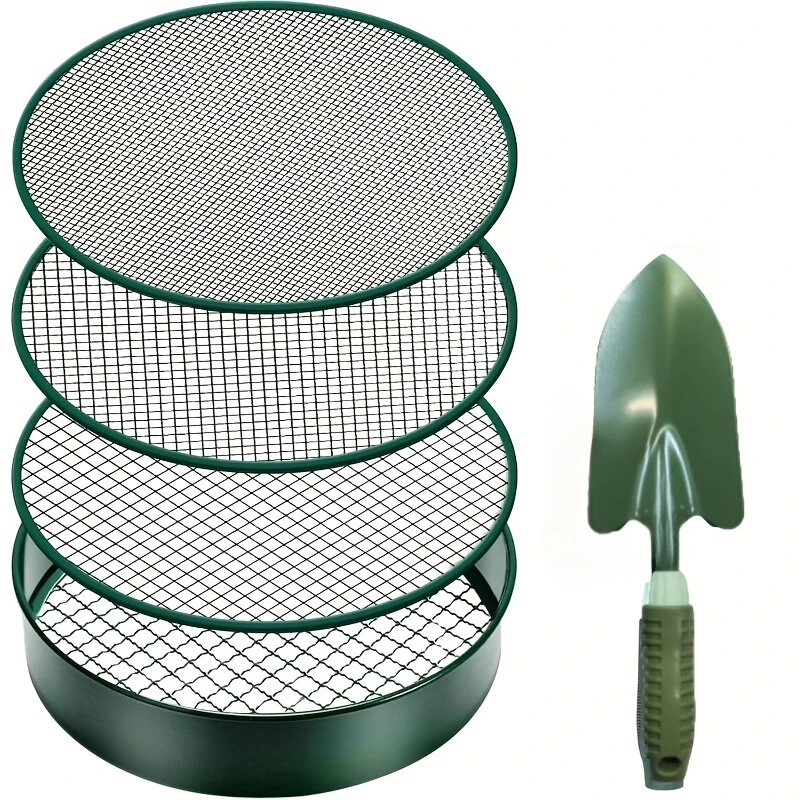
Spades and shovels are the foundational tools of any garden, yard, or worksite, transforming strenuous digging, planting, and moving tasks into manageable projects. While often used interchangeably, these tools have distinct designs for specific jobs. A spade typically features a flat, nearly rectangular blade with sharp edges, perfect for cutting clean lines in sod, edging garden beds, and transplanting plants with minimal root disturbance. Its straight edge allows you to apply significant foot pressure for precise cuts. In contrast, a shovel generally has a curved, concave blade (like a round-point or square-point) designed for scooping and moving loose materials such as soil, mulch, gravel, or snow. The curvature helps the material stay on the blade as you lift.
Choosing the right tool is crucial for efficiency and to prevent injury. Key products in this category include the robust **Digging Shovel**, with its pointed tip for breaking new ground and penetrating tough soil. The **Garden Spade** is a landscaper's best friend for defining borders and slicing through roots. For trenching for irrigation or footings, a long, narrow **Trenching Shovel** is ideal. Meanwhile, a **Transplanting Spade** offers a narrower blade to dig precise holes for bulbs and seedlings with less soil disruption. Modern materials like **fiberglass handles** offer lightweight strength and shock absorption, while **forged steel heads** with a polished or non-stick coating resist rust and help soil slide off easily. Investing in the right spade or shovel saves time, reduces physical strain, and ensures your gardening or landscaping projects are built on a solid start.
**Choosing the Right Spade or Shovel: A Quick Guide**
**1. What is the primary task?** For digging new holes and moving loose material, choose a round-point shovel. For cutting, edging, and transplanting, a flat spade is superior. For mixing concrete or moving gravel, a square-point shovel is best.
**2. What handle type is most comfortable?** Wooden handles offer a classic feel but can crack. Fiberglass is durable, lightweight, and reduces vibration. Steel handles are incredibly strong but heavier and can transmit more shock.
**3. How important is blade material?** Carbon steel is strong and holds an edge but can rust. Stainless steel is highly corrosion-resistant and easier to clean, making it a premium choice for gardeners.
**4. What size do I need?** Consider your height and strength. A full-size shovel (about 48 inches tall) is standard for most adults. A shorter D-handle shovel offers more control for close work and is easier to store.
**5. How do I maintain my tool?** Always clean off soil after use to prevent rust. Occasionally sharpen the cutting edge of a spade with a file. Store in a dry place to prolong the life of the handle and metal head. With proper selection and care, a quality spade or shovel can be a lifelong partner in your outdoor projects.