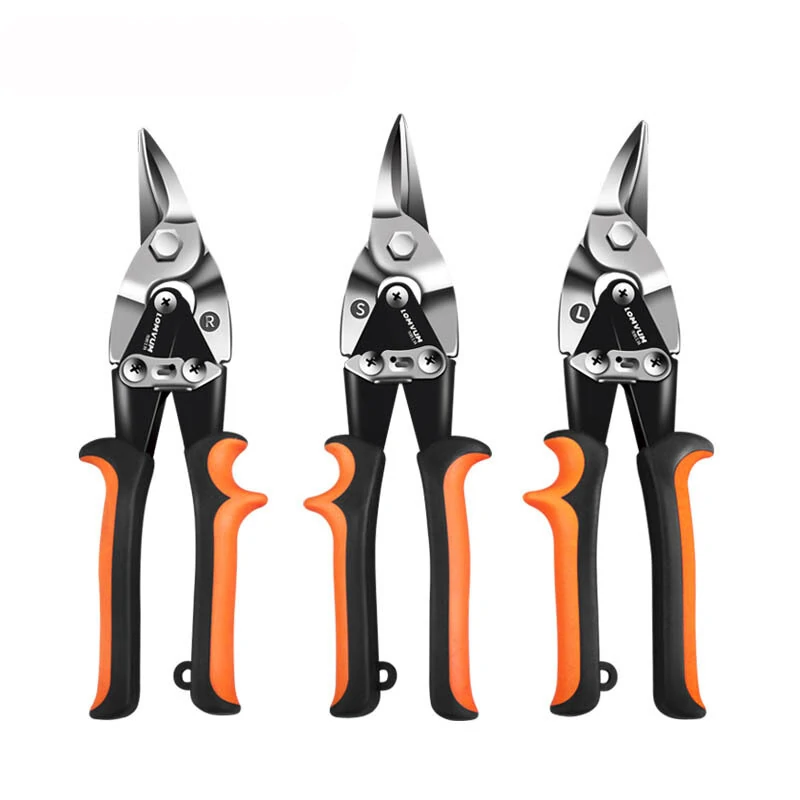
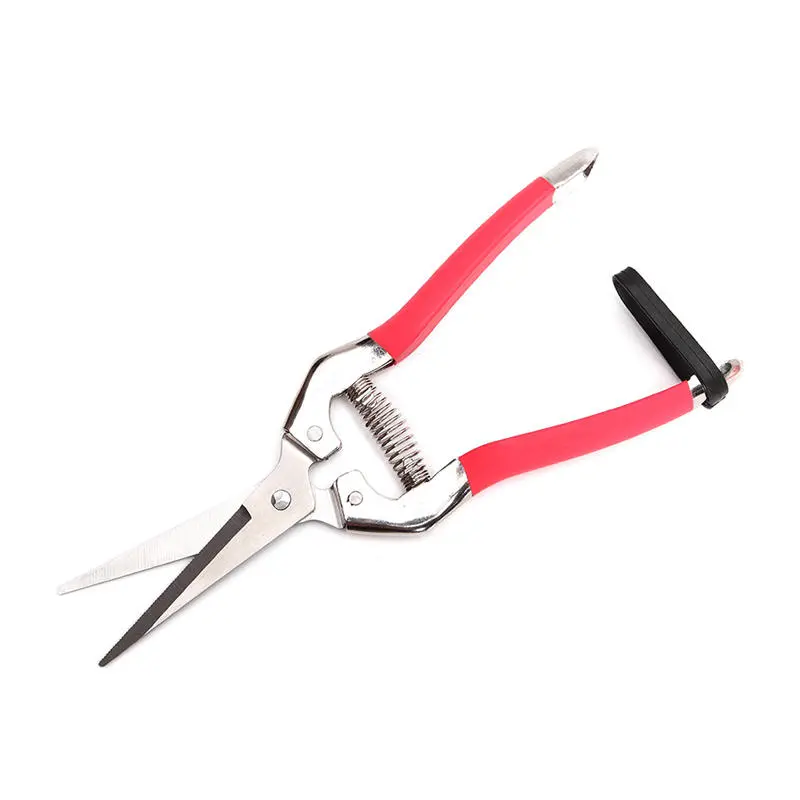
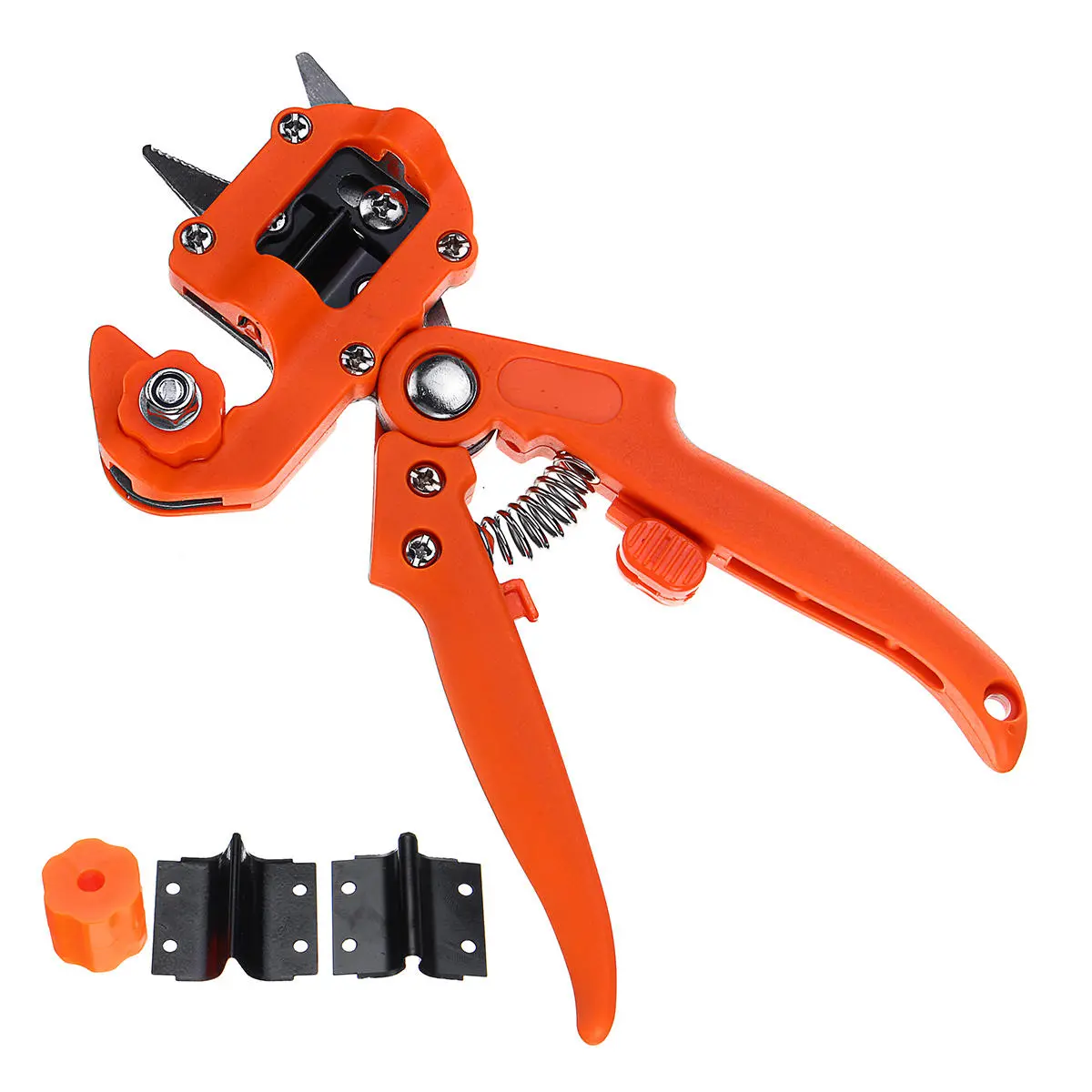
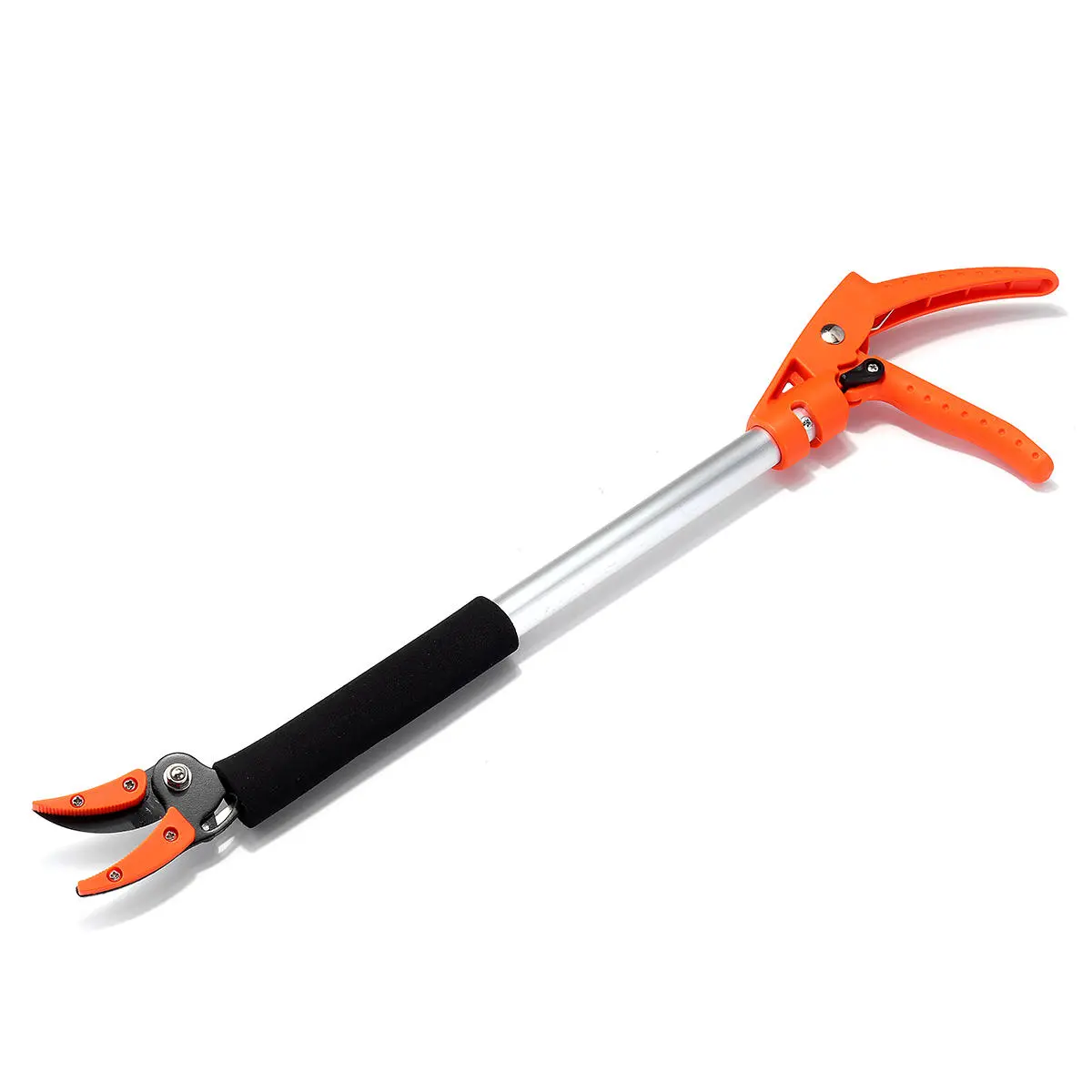
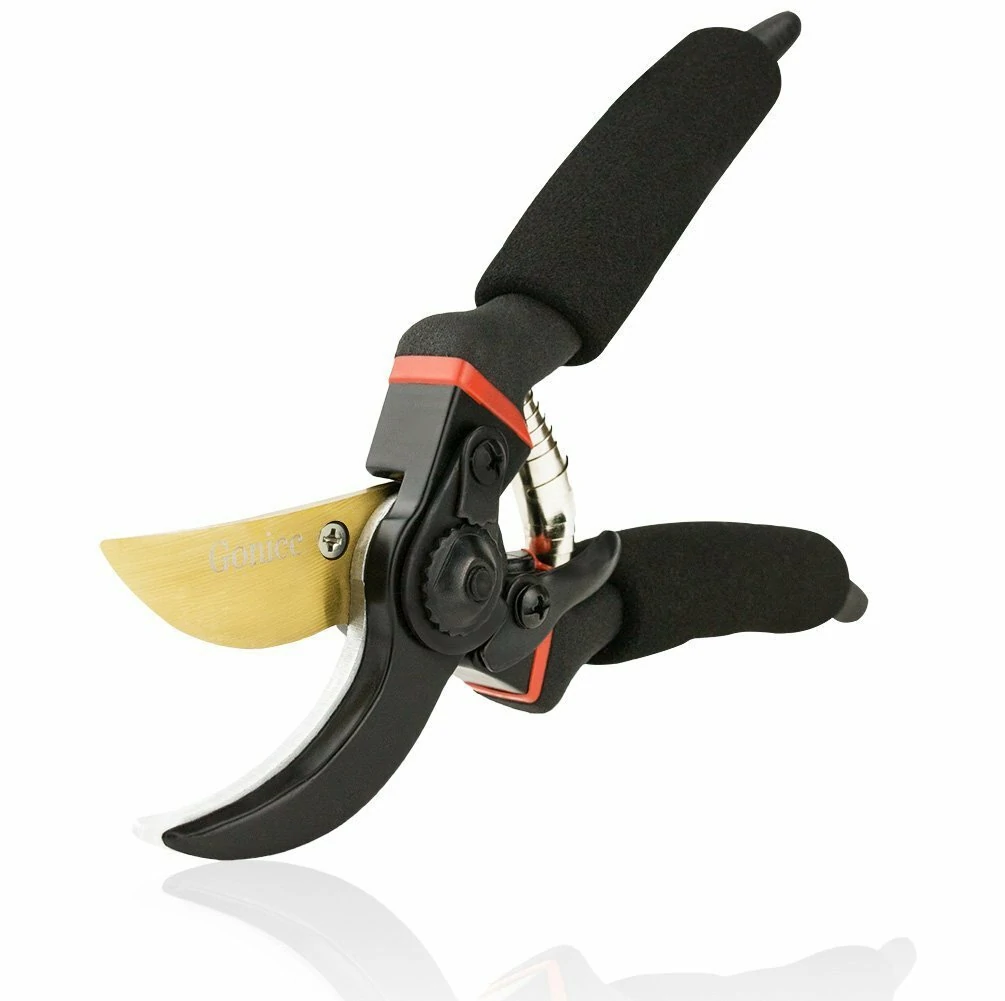
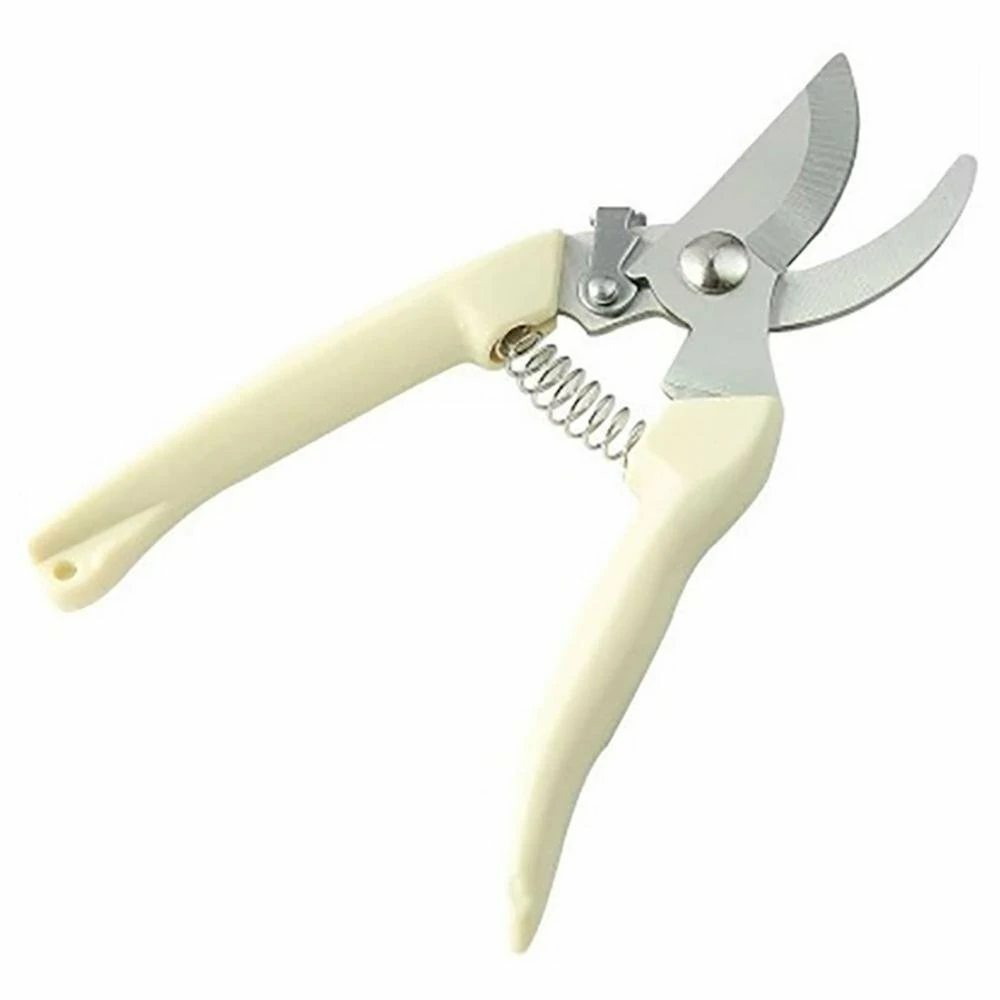
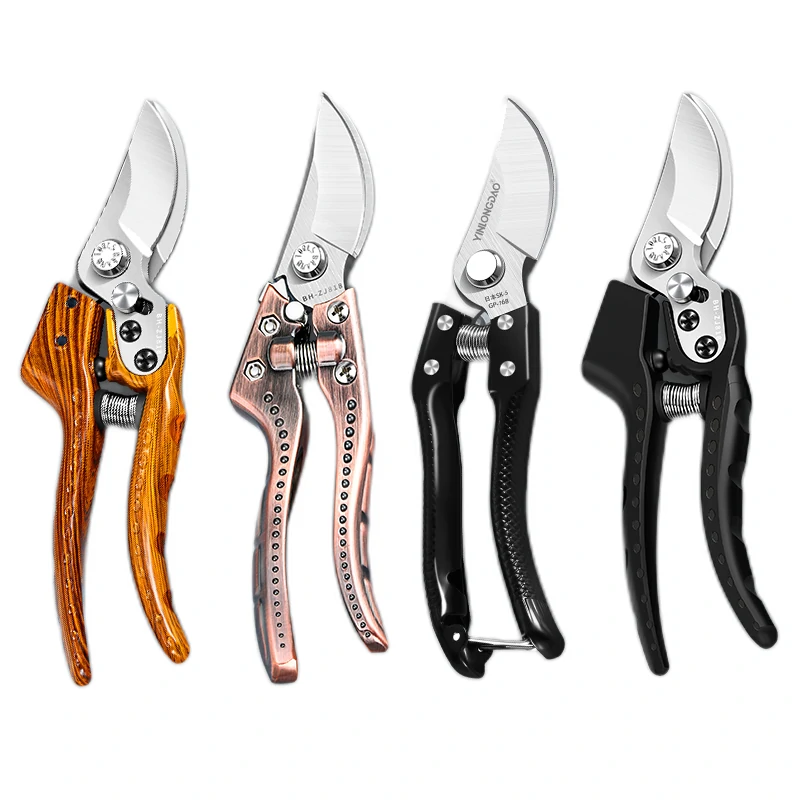
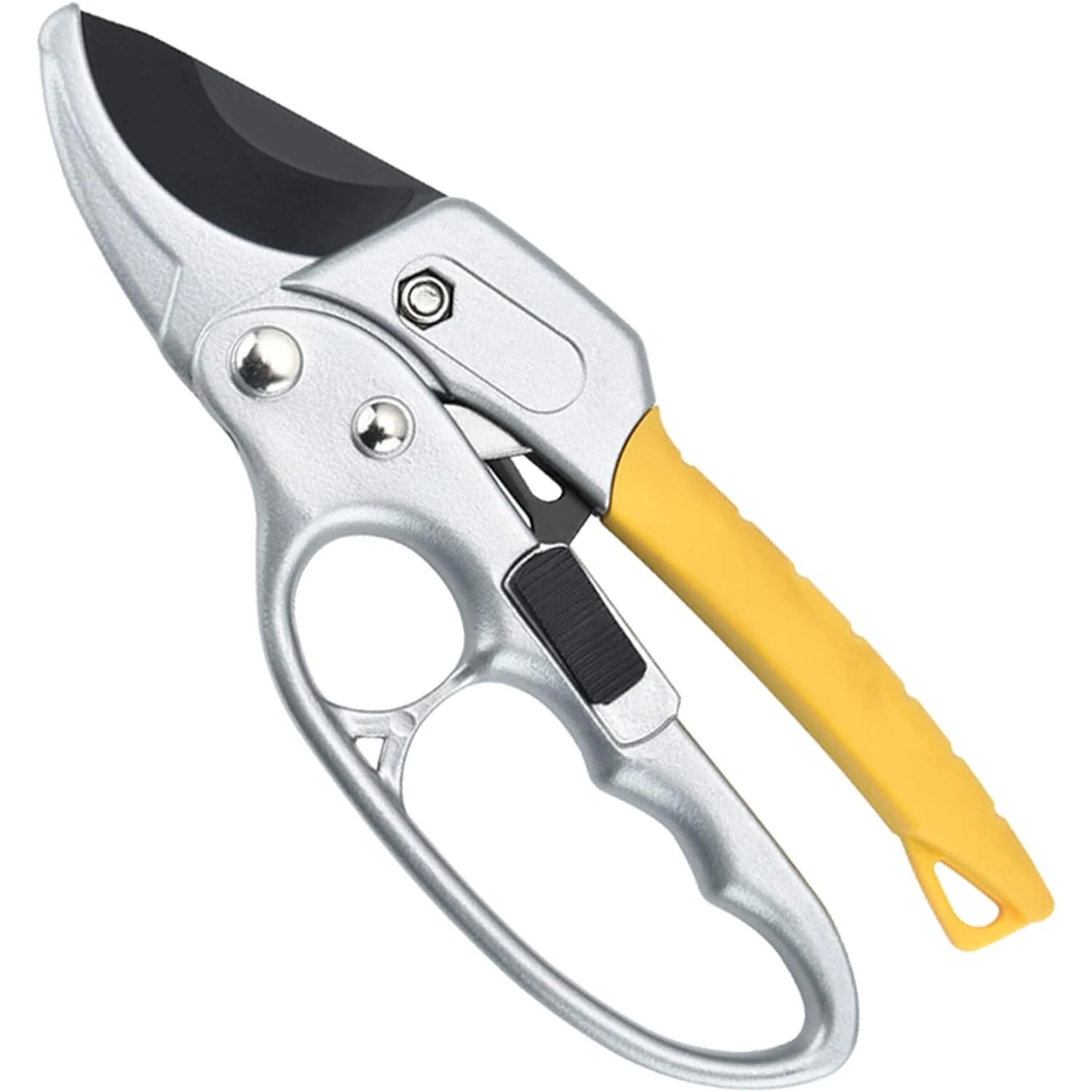
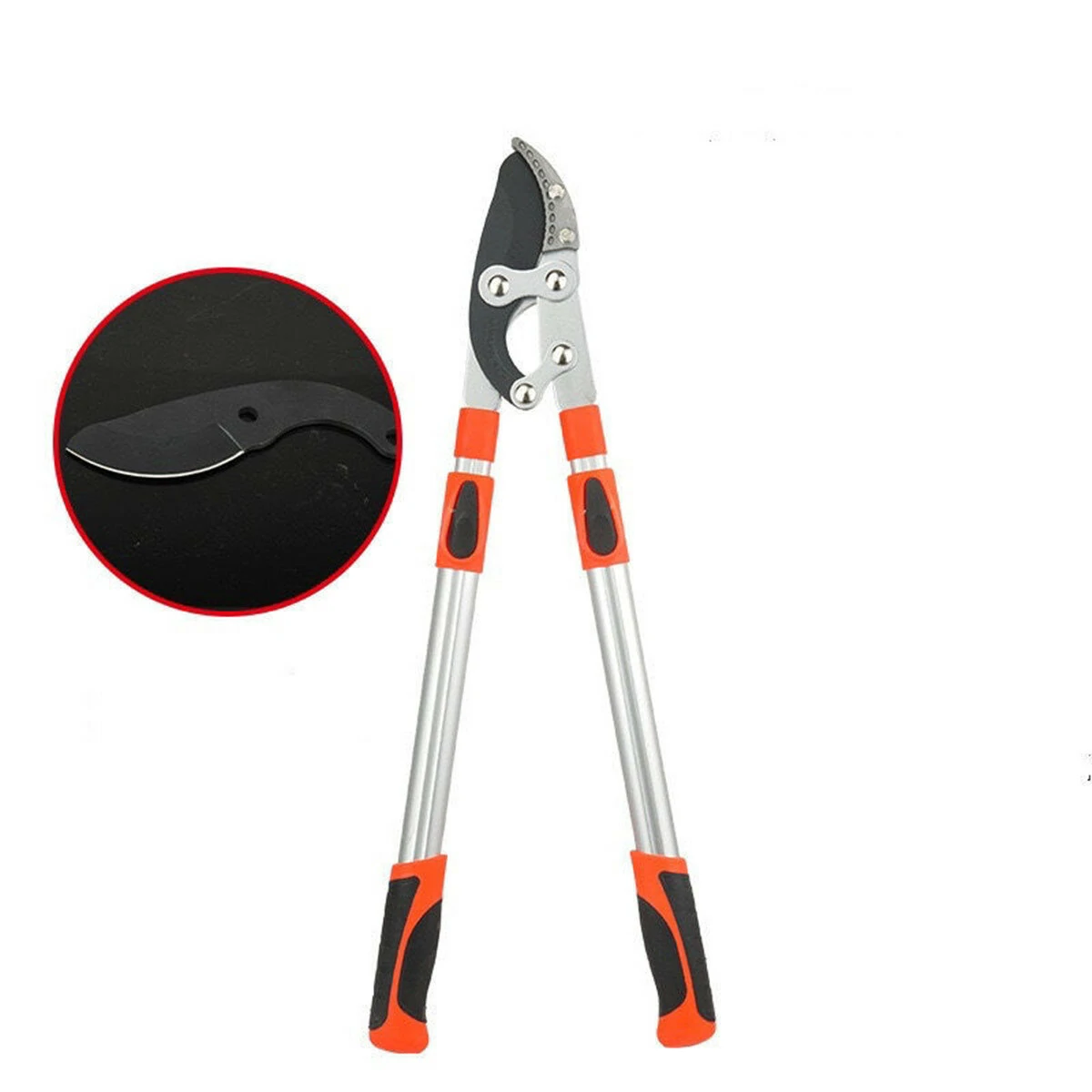
A well-maintained garden is a thriving garden, and the secret to lush, healthy plants lies in using the right garden pruning tools. Pruning isn't just about cutting back overgrowth; it's a vital horticultural practice that encourages robust growth, improves plant shape, increases flower and fruit production, and prevents disease. The cornerstone of any gardener's shed, quality pruning tools make this essential task efficient, precise, and surprisingly enjoyable. The key is matching the tool to the job. For delicate stems and deadheading flowers, a pair of sharp, handheld pruning shears (or secateurs) is indispensable. These come in two main types: bypass pruners, which work like scissors for clean cuts on live wood, and anvil pruners, which use a crushing action ideal for dead branches. When branches are too thick for hand shears, long-handled loppers provide the extra leverage needed. Their extended handles give you more reach and power to cleanly cut through branches up to 2 inches thick. For even larger limbs, a pruning saw with its aggressive, curved blade is the tool of choice, designed to cut on the pull stroke for maximum control. For shaping hedges and shrubs, dedicated hedge trimmers—available in manual, electric, and battery-powered models—deliver straight, uniform lines with minimal effort. Investing in ergonomically designed, high-quality steel tools reduces hand fatigue, ensures cleaner cuts that heal faster, and ultimately leads to a more beautiful and productive garden. The right tool doesn't just make the job easier; it makes your plants healthier.
Choosing the perfect pruning tools can be simple with a few key considerations. First, assess the size of your garden and the types of plants you have. A casual gardener with flower beds may only need a good pair of bypass pruners, while someone with mature trees and large hedges will require a full arsenal. Always prioritize sharp, high-carbon or stainless-steel blades that resist rust and hold an edge. Comfort is crucial; look for tools with non-slip, ergonomic grips and, if needed, shock-absorbing features to reduce strain. For frequent use, consider lightweight models. Maintenance is straightforward: clean blades after each use with a disinfectant to prevent spreading disease, regularly sharpen them for effortless cuts, and apply a light oil to pivot points and blades to prevent corrosion. Store your tools in a dry place. FAQ: Can I use regular scissors for pruning? No, they will damage plant tissue and your scissors. Do I need both bypass and anvil pruners? Bypass is the versatile choice for most live pruning; anvil is best for deadwood. How often should I sharpen my tools? Inspect blades regularly; sharpen when cuts become ragged or require more force. Start with the right tool for your most common task, and you'll see the difference in your garden's health and your gardening enjoyment.