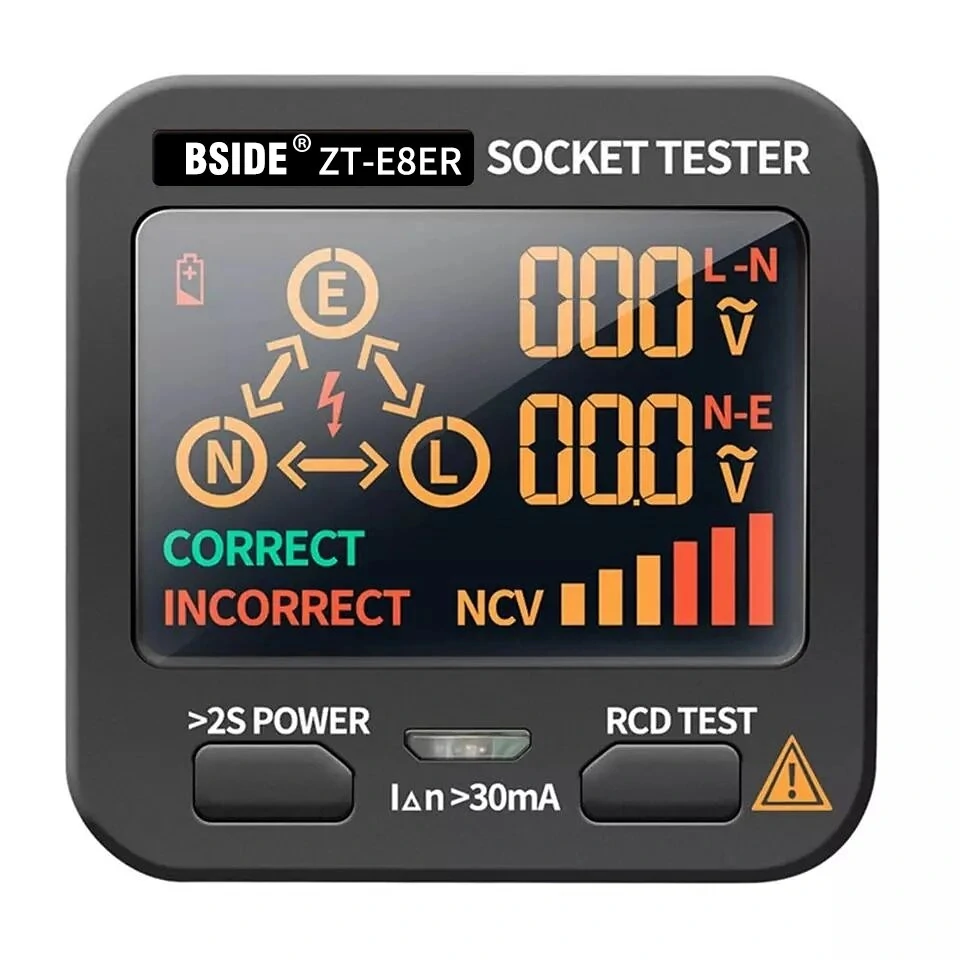
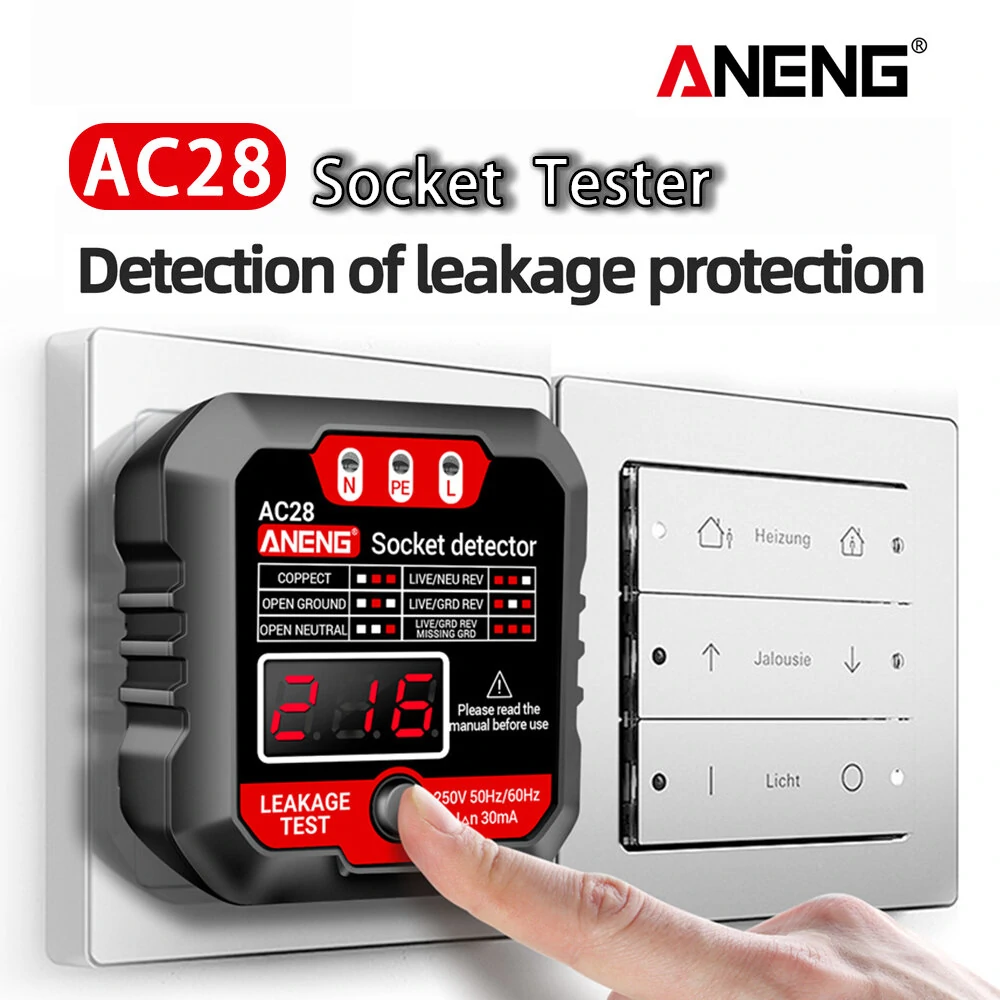
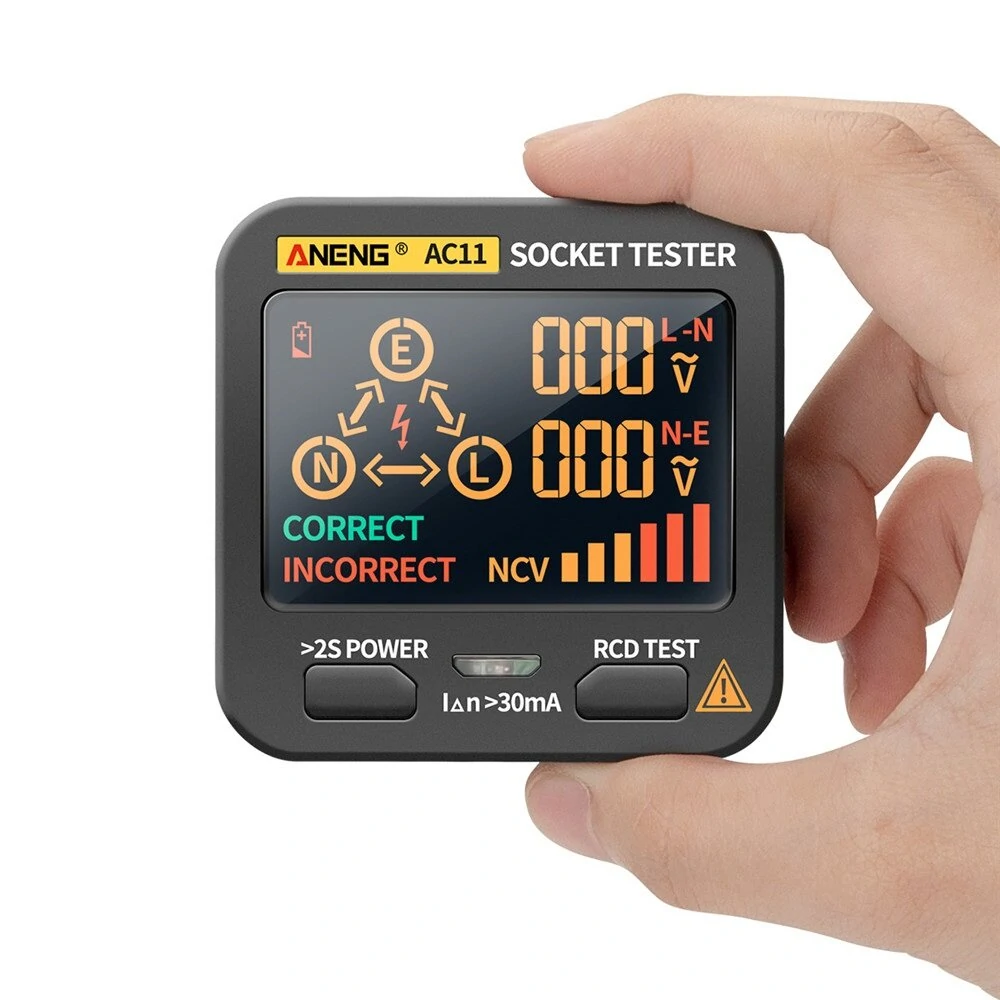
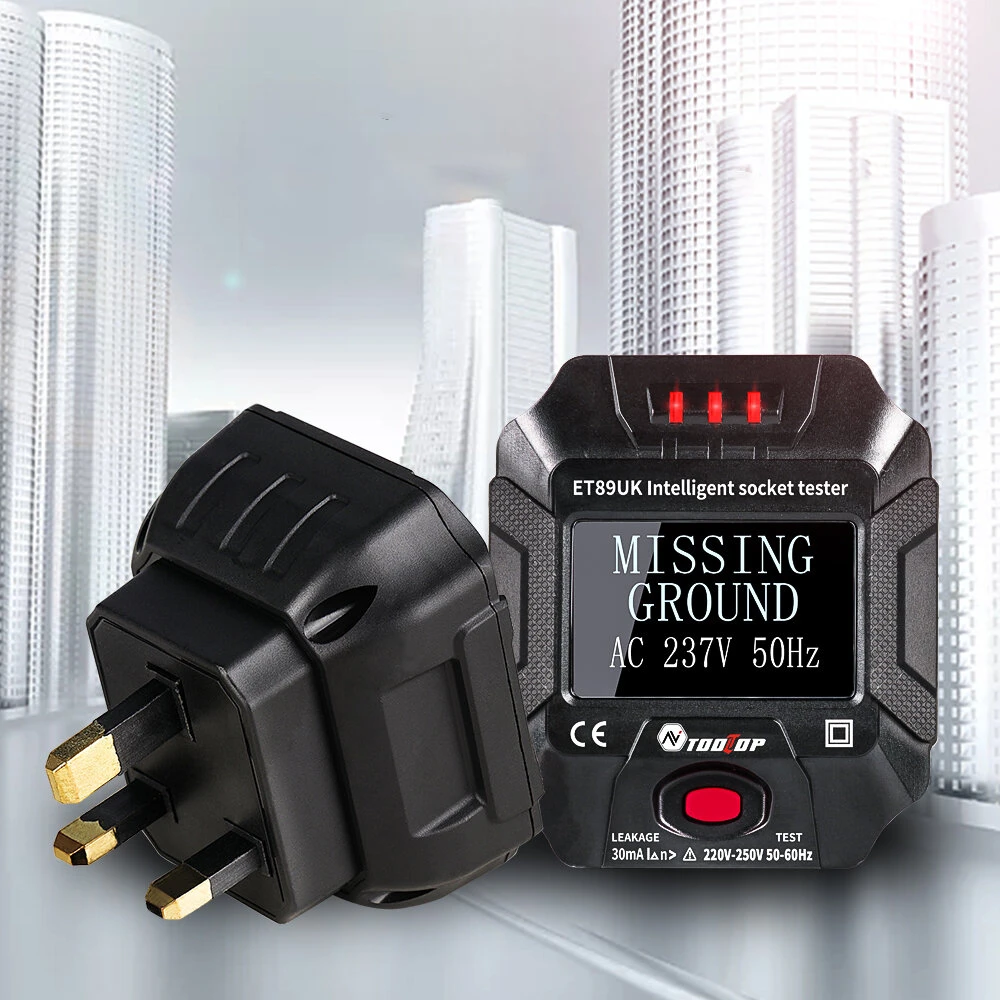
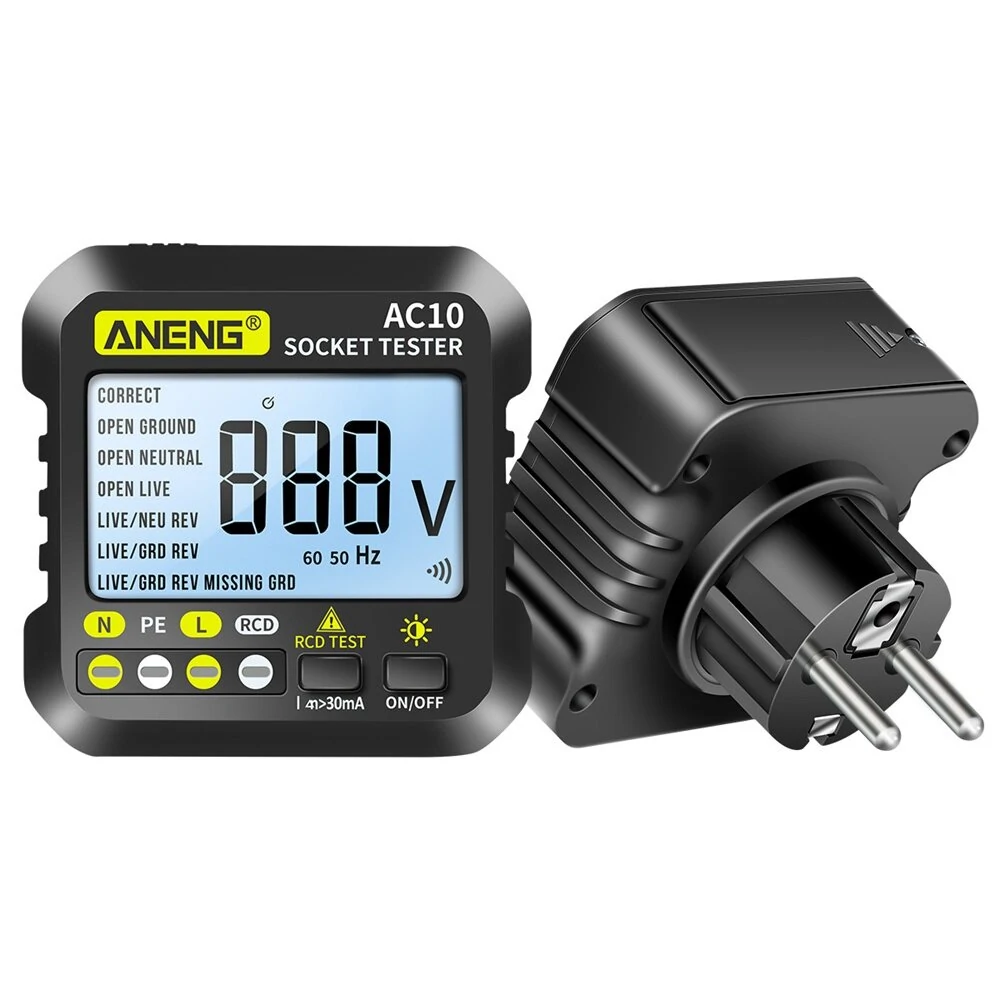
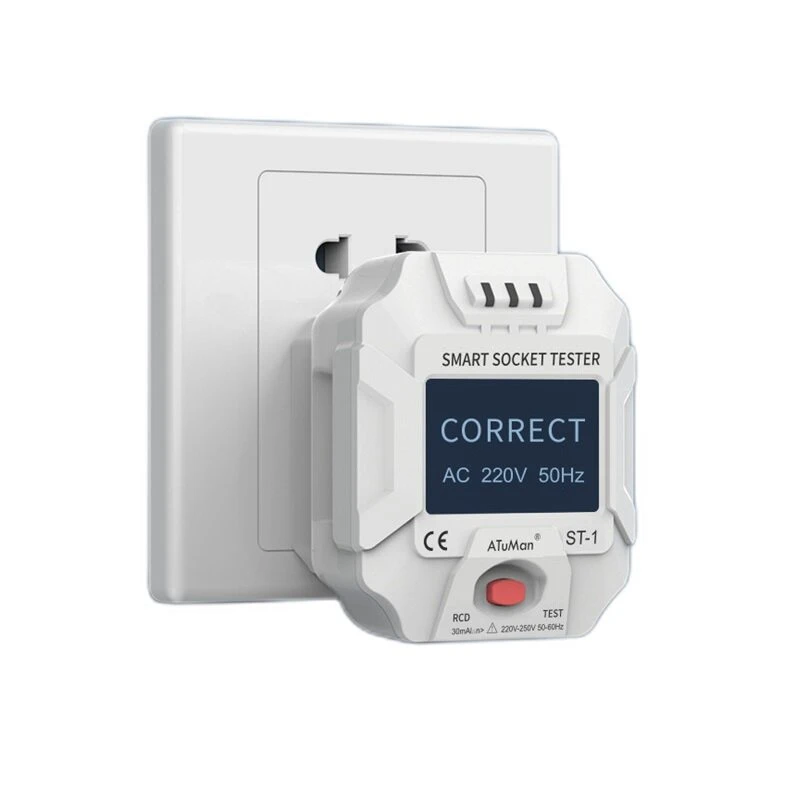
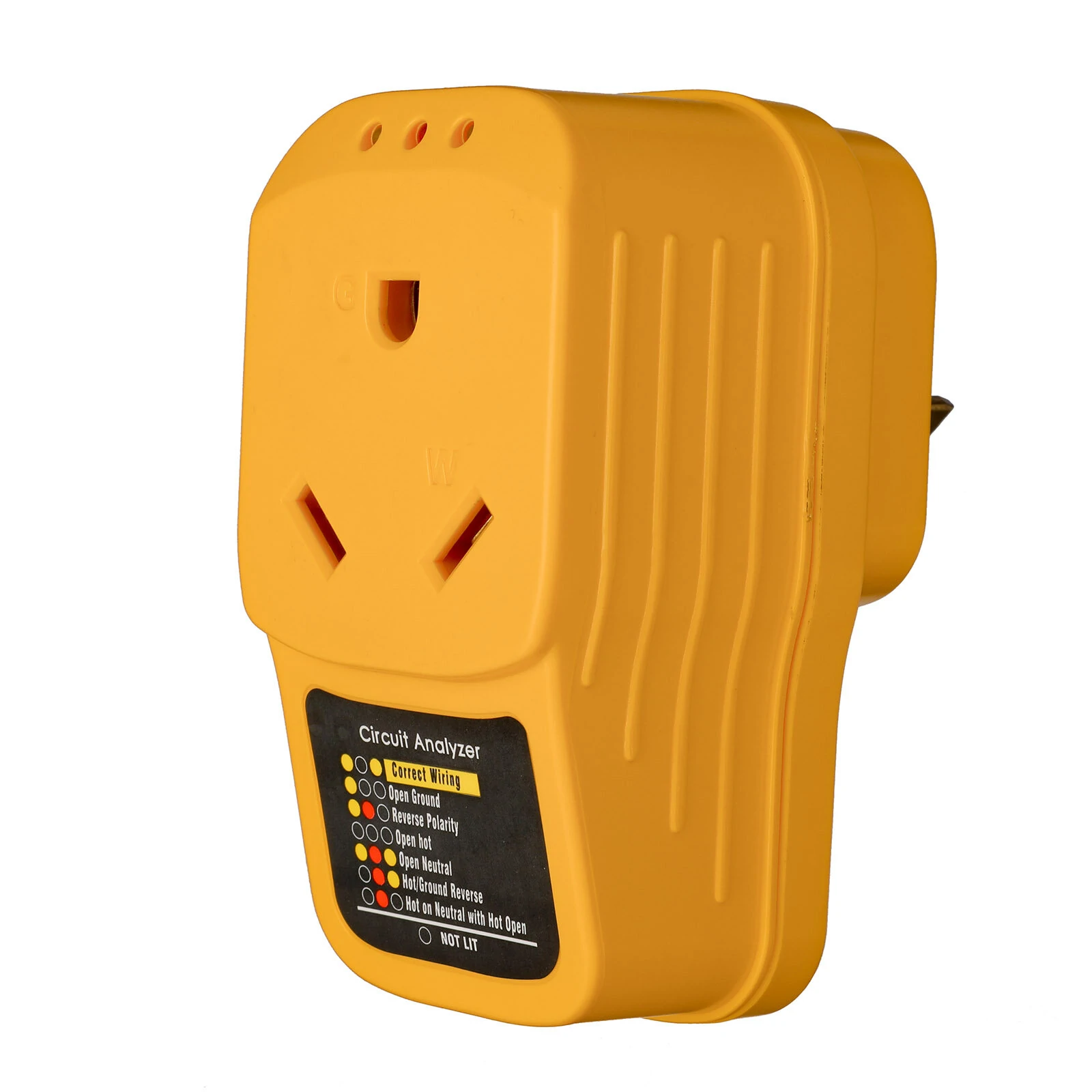
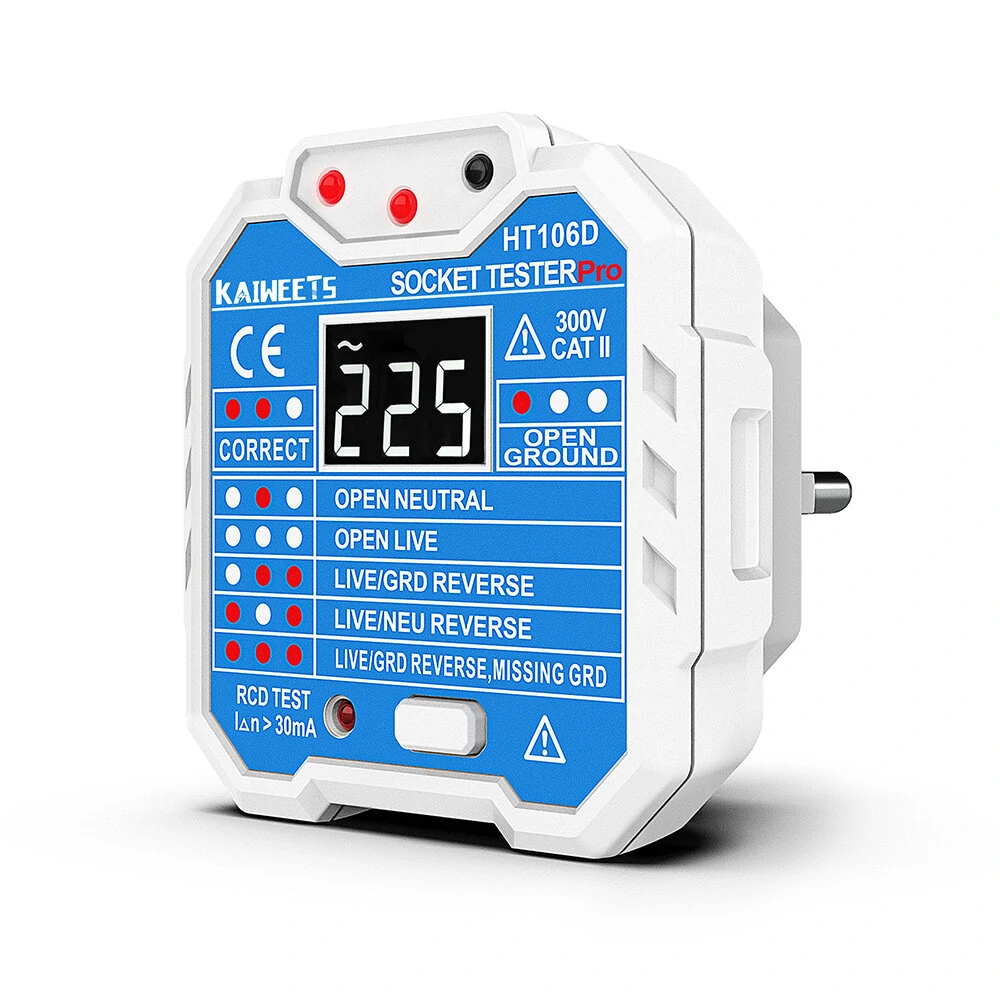
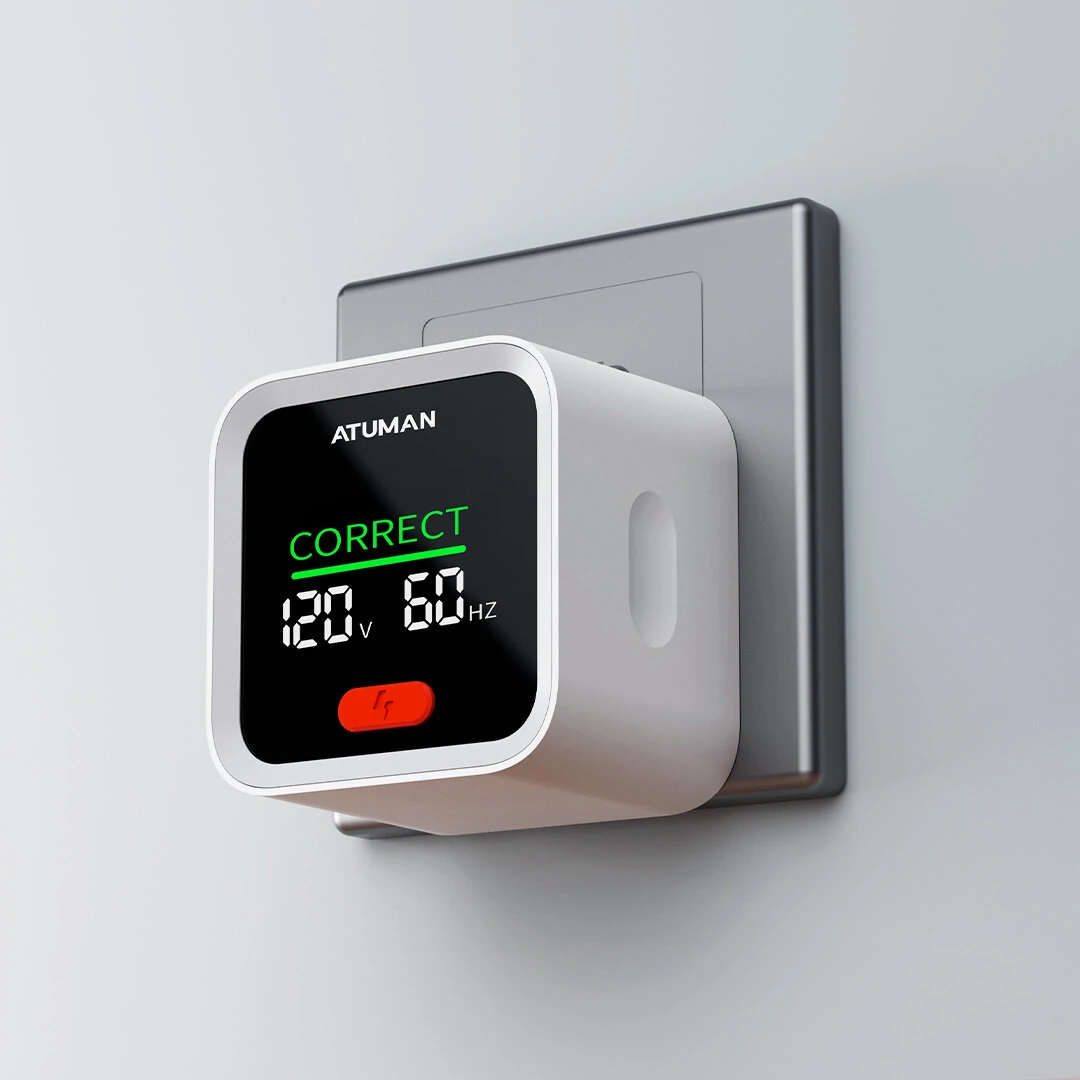
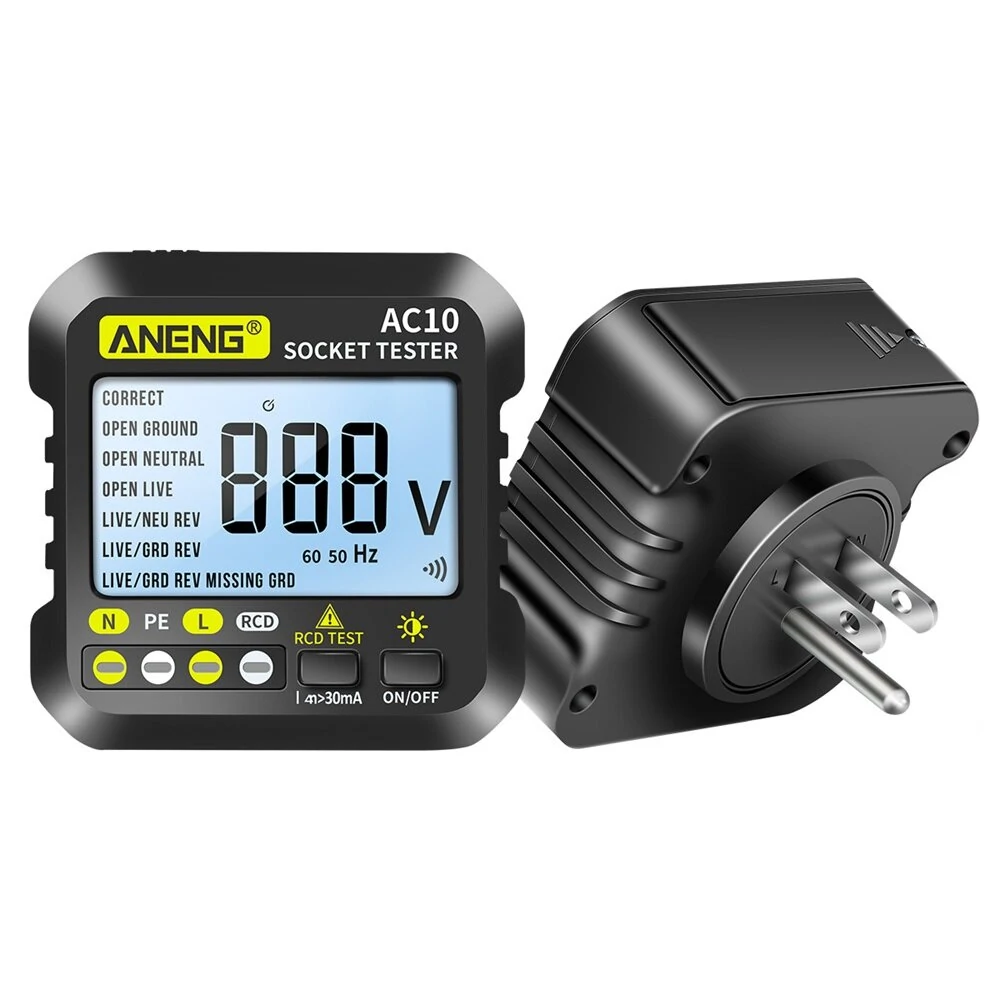

An electrical socket tester is an indispensable tool for any homeowner, electrician, or DIY enthusiast concerned with safety and proper electrical function. These compact, easy-to-use devices are designed to plug directly into a standard wall outlet, providing an immediate visual diagnosis of common wiring problems. By simply inserting the tester's probes into the receptacle, users can verify if an outlet is correctly wired, identify dangerous faults like reversed polarity or open grounds, and ensure the presence of a proper earth connection.
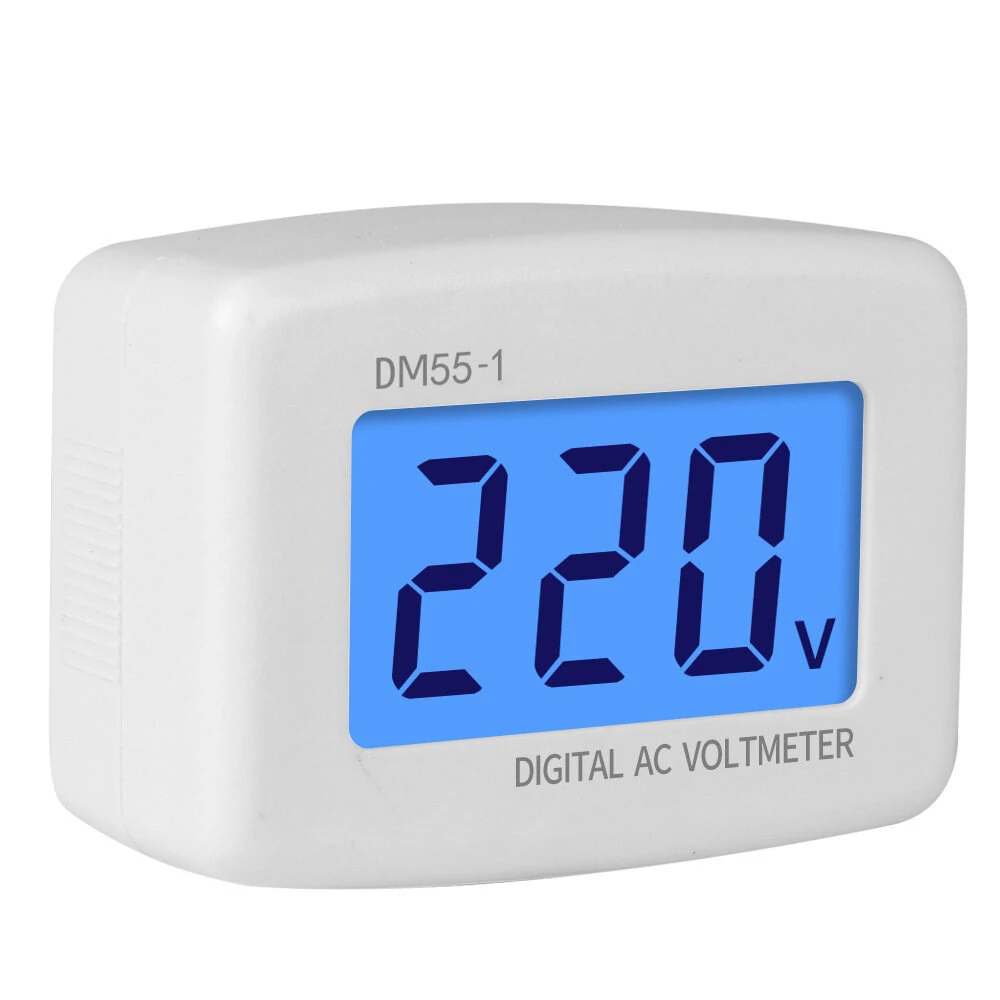
Modern socket testers have evolved beyond basic three-light indicators. Key products in this category now include advanced models with integrated GFCI (Ground Fault Circuit Interrupter) test buttons, allowing you to check the trip functionality of safety-critical outlets in kitchens, bathrooms, and outdoors. Professional-grade testers often feature LCD screens that display actual voltage readings, helping to diagnose issues like low voltage or neutral opens with greater precision. Some even include built-in circuit finders to match breakers to outlets, adding another layer of diagnostic capability.
The primary benefit of using a socket tester is proactive safety. Faulty wiring can lead to appliance damage, electrical shocks, or fire hazards. A quick test with this tool can prevent these risks before plugging in expensive electronics or power tools. For landlords, property managers, and home inspectors, it provides a fast, reliable method to certify that all outlets in a property meet basic safety standards. Its simplicity means no technical expertise is required—the clear indicator lights or digital readouts provide straightforward pass/fail information, empowering anyone to take charge of their electrical safety.
**Buying Guide & FAQ**
**What should I look for when buying a socket tester?**
Choose a tester that checks for the most common faults: correct wiring, open ground, open neutral, hot/ground reverse, and hot/neutral reverse. For enhanced safety, select a model with a GFCI test button. Consider an LCD model for voltage readings if you need more detailed diagnostics. Ensure it is rated for the voltage in your region (e.g., 120V for North America, 230V for many other regions).
**Can a socket tester detect all electrical problems?**
While excellent for common wiring faults, basic testers cannot detect all issues, such as a shared neutral or a bootleg ground. They are a first-line diagnostic tool. For complex problems, consultation with a licensed electrician is always recommended.
**How do I use a socket tester?**
Simply plug the device into the outlet you wish to test. Observe the pattern of illuminated LEDs or read the LCD display. Refer to the chart provided on the tester or its packaging to interpret the light sequence, which will clearly indicate "Correct" or specify the type of fault detected.
**Are socket testers safe for DIY use?**
Yes. They are designed to be used without exposing the user to live parts. Always ensure the tester itself is in good condition before use. For ultimate safety, test the device on a known, properly functioning outlet first to confirm it is working correctly.